The essentials of Valle de Ayala

  • • 222 m Nervion waterfall, the tallest free-fall cascade on the Iberian Peninsula
  • • Sierra Salvada with a limestone escarpment rising over 400 meters
  • • Quejana Monumental Complex, birthplace of the Ayala medieval lineage
  • • Medieval tower-houses spread across 24 rural settlements in the valley
  • • Idiazabal PDO cheese and Basque cuisine based on local produce

Description

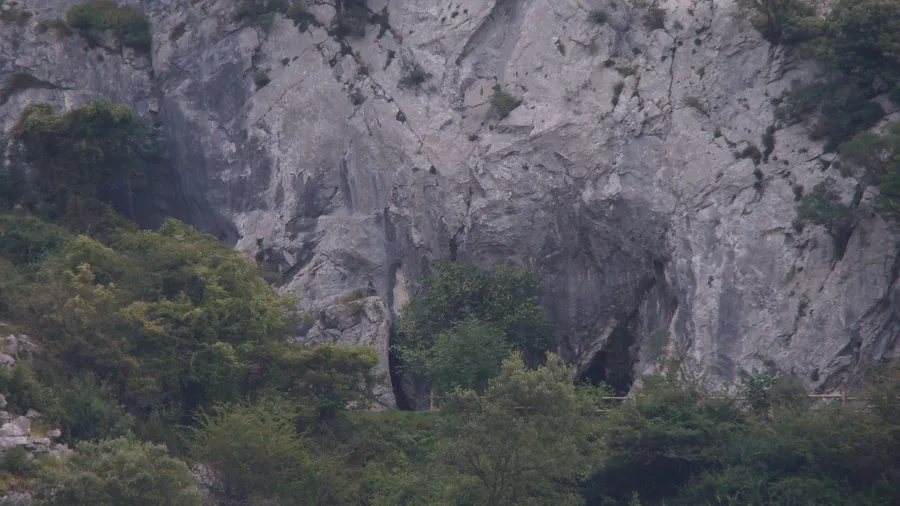
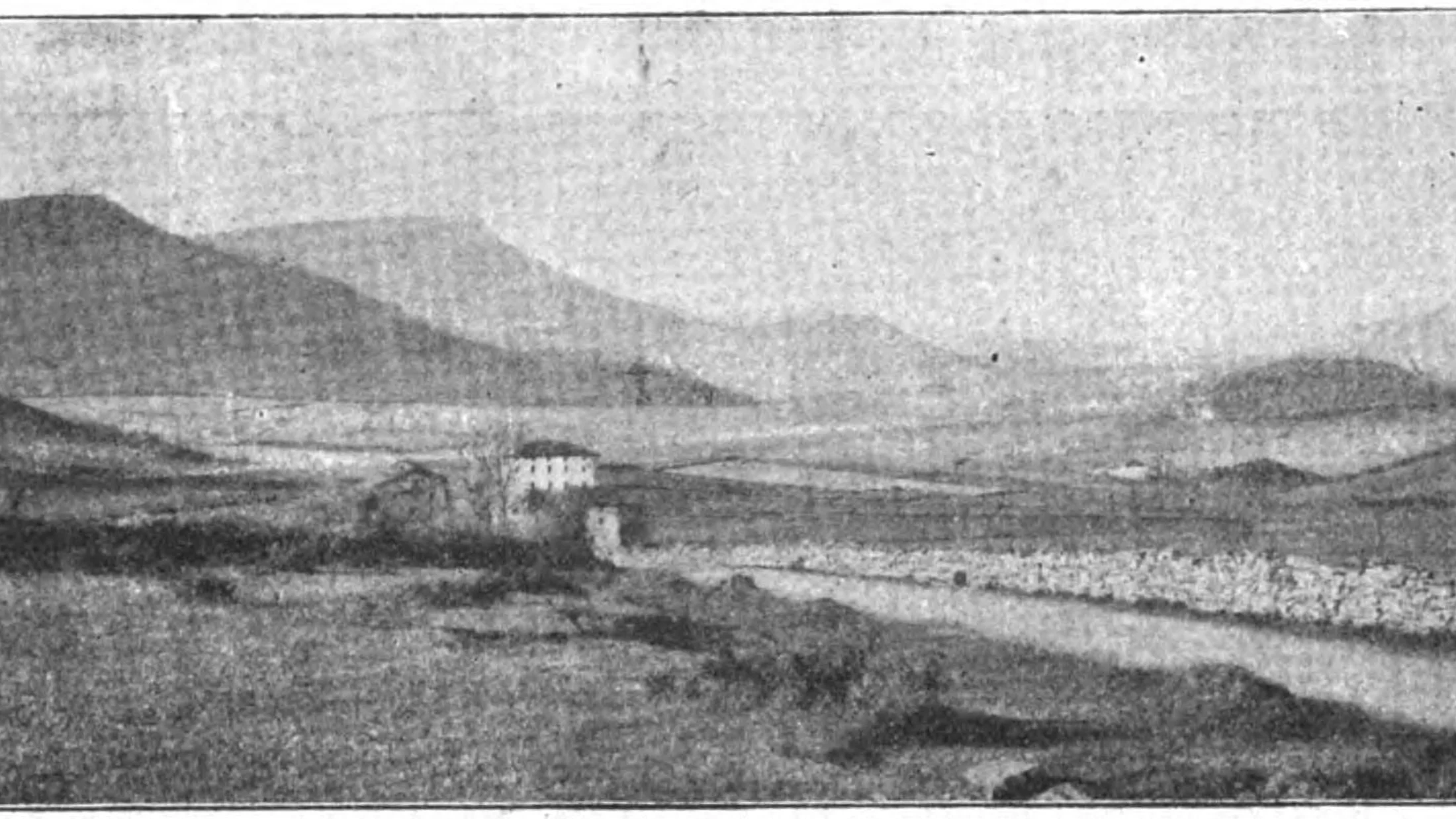
The Valle de Ayala occupies the far northwest of Alava, bordering Bizkaia and the province of Burgos. The Cuadrilla de Ayala — formed by the municipalities of Ayala, Amurrio, Llodio, Artziniega and Okondo — covers 328 square kilometers of territory where the Sierra Salvada acts as a natural wall to the south, with a limestone escarpment of over 400 meters breached only by a couple of tight-curved mountain passes. To the north, the hills descend toward the Nervion valley, whose upper basin structures the entire comarca.

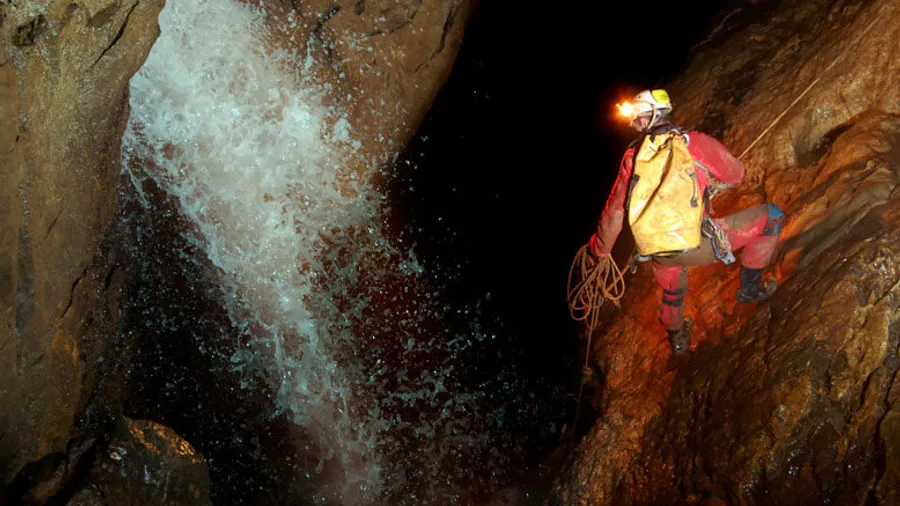
The Salto del Nervion, at 222 meters of free fall, is the tallest waterfall on the Iberian Peninsula and the second highest in Europe. It forms at the head of the Delika canyon, where water plunges from the edge of the limestone plateau. Flow depends on rainfall: it peaks in spring and after autumn storms, while in summer it may thin to a trickle. The main viewpoint, accessible from the Orduna pass car park along a flat 1.5 km path, provides a frontal view of the falls and the gorge.

The valley's vegetation reflects its position between Atlantic and continental climates. Lower slopes are covered in oak, beech and planted pine forest, while haymeadows and livestock pastures occupy the valley floor, where deep green dominates the landscape for most of the year. Roe deer, wild boar, foxes and squirrels inhabit the woodlands, and griffon vultures soar above the Sierra Salvada cliffs alongside various forest raptors in the beech groves.

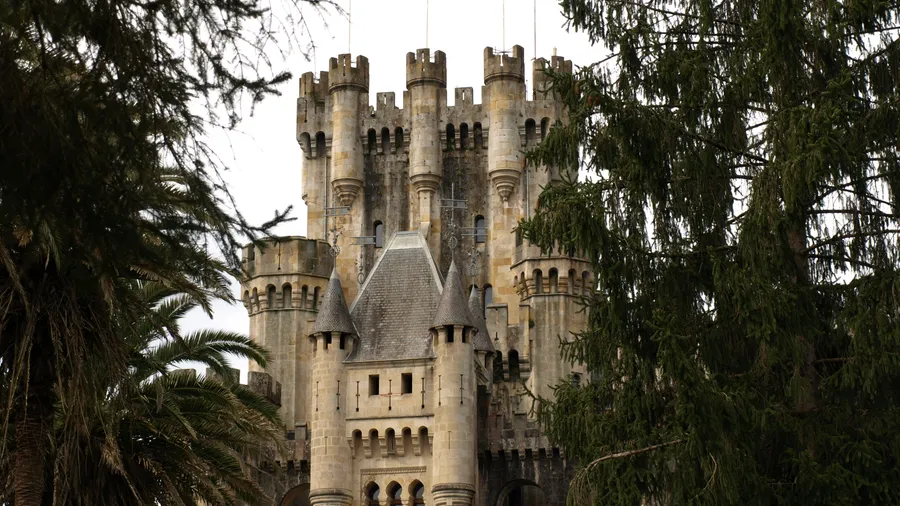
The architectural heritage of the valley centres on medieval tower-houses, defensive-residential structures scattered across the territory. The most notable is the Quejana Monumental Complex, birthplace of the Ayala lineage: a compound integrating a Gothic palace, convent, tower and chapel with the alabaster tombs of Chancellor Pedro Lopez de Ayala and his wife Leonor de Guzman. The complex now houses the Quejana Museum of Sacred Art. Other tower-houses of note include Murga, Zuaza, Luiaondo and Aguiniga, spread across the small villages of the Ayala municipality, which has 24 population centres and around 2,500 inhabitants.

Local cuisine combines Basque tradition with valley produce. Idiazabal cheese with Protected Designation of Origin is made in the comarca, and beef, beans and garden vegetables form the basis of traditional dishes. The towns of Amurrio and Llodio, with more infrastructure, serve as a logistical base for exploring the valley, while the rural hamlets of Ayala maintain a pace of life tied to the farmstead and extensive livestock farming.
Practical information

Everything you need to know for your visit to Valle de Ayala

How to get there
From Bilbao, the AP-68 reaches Llodio in about 25 minutes; from Vitoria-Gasteiz, the A-624 connects with Amurrio in roughly 40 minutes. There is also a commuter train service (Bilbao-Orduna line) stopping at Llodio. For the Nervion waterfall, access via the Orduna pass (N-625).
Area Information
The towns of Amurrio and Llodio offer full services (accommodation, dining, shops). The Quejana Monumental Complex and the Tower-Houses Route are the main cultural attractions. The Nervion waterfall viewpoint is accessible year-round.
Geography
A 328 km² comarca in northwestern Alava, bounded to the south by Sierra Salvada (400 m limestone escarpment) and structured by the upper Nervion river basin. Elevations range from 150 m on the valley floor to 1,000 m on the peaks.
Flora & Fauna
Oak and beech forests alongside haymeadows cover the slopes and valley floor. Woodland fauna includes roe deer, wild boar, fox and squirrel. Griffon vultures nest on the Sierra Salvada cliffs, joined by forest raptors such as goshawk and sparrowhawk.

Things to do

Find the best plans and things to do in Valle de Ayala

20

Accommodations

Best accommodation options in Valle de Ayala

Loading accommodation options...

Frequently Asked Questions

Get answers about Valle de Ayala

The best period is between March and May, after spring rains, when the flow peaks and the waterfall reaches its full vertical drop. Strong autumn storms also produce good water volume. In summer, the falls typically reduce significantly or may dry up completely during extended dry spells.
Yes, the site includes the Museum of Sacred Art and is open to visitors. The usual schedule is Tuesday to Saturday, with free admission. It is advisable to check current opening hours on the Cuadrilla de Ayala website, as they may change depending on the season and public holidays.
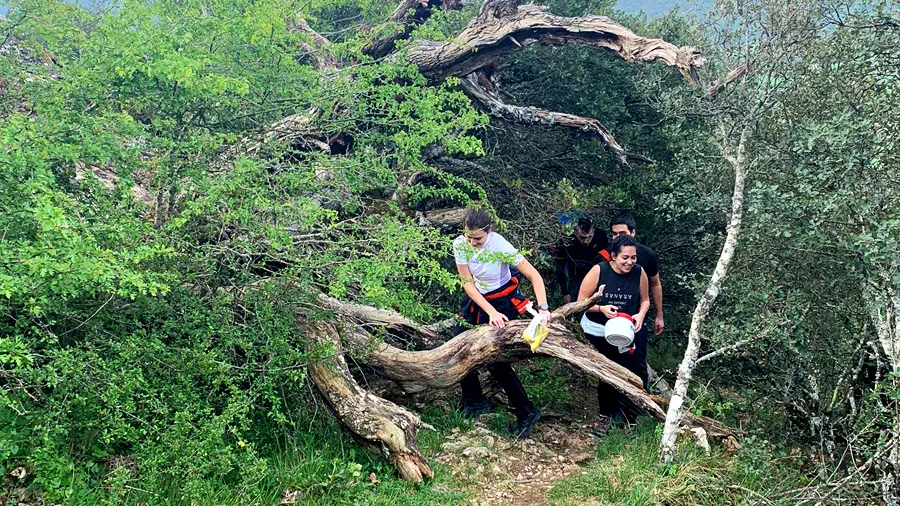
The most popular are the route to the Nervion waterfall viewpoint (1.5 km flat from the car park), the Delika canyon trail and the routes along the Sierra Salvada ridge. There are also signposted paths linking the tower-houses of the Ayala municipality, with distances ranging from 5 to 15 kilometers.
Llodio has a commuter train station on the Bilbao-Orduna line with regular services. Local buses connect Llodio with Amurrio and other valley towns, though schedules are limited. For the Nervion waterfall and the rural hamlets of Ayala, a private vehicle is recommended for flexibility.
Idiazabal cheese with Protected Designation of Origin is the most representative product, made from latxa sheep's milk. Other highlights include beef raised on the valley pastures, beans, honey and natural cider. Restaurants in Amurrio and Llodio serve traditional Basque cuisine menus using local ingredients.