The essentials of Serra do Suído

  • • Herds of feral Galician garrano horses roaming freely across the summits
  • • Bronze Age petroglyphs with equestrian figures carved into granite outcrops
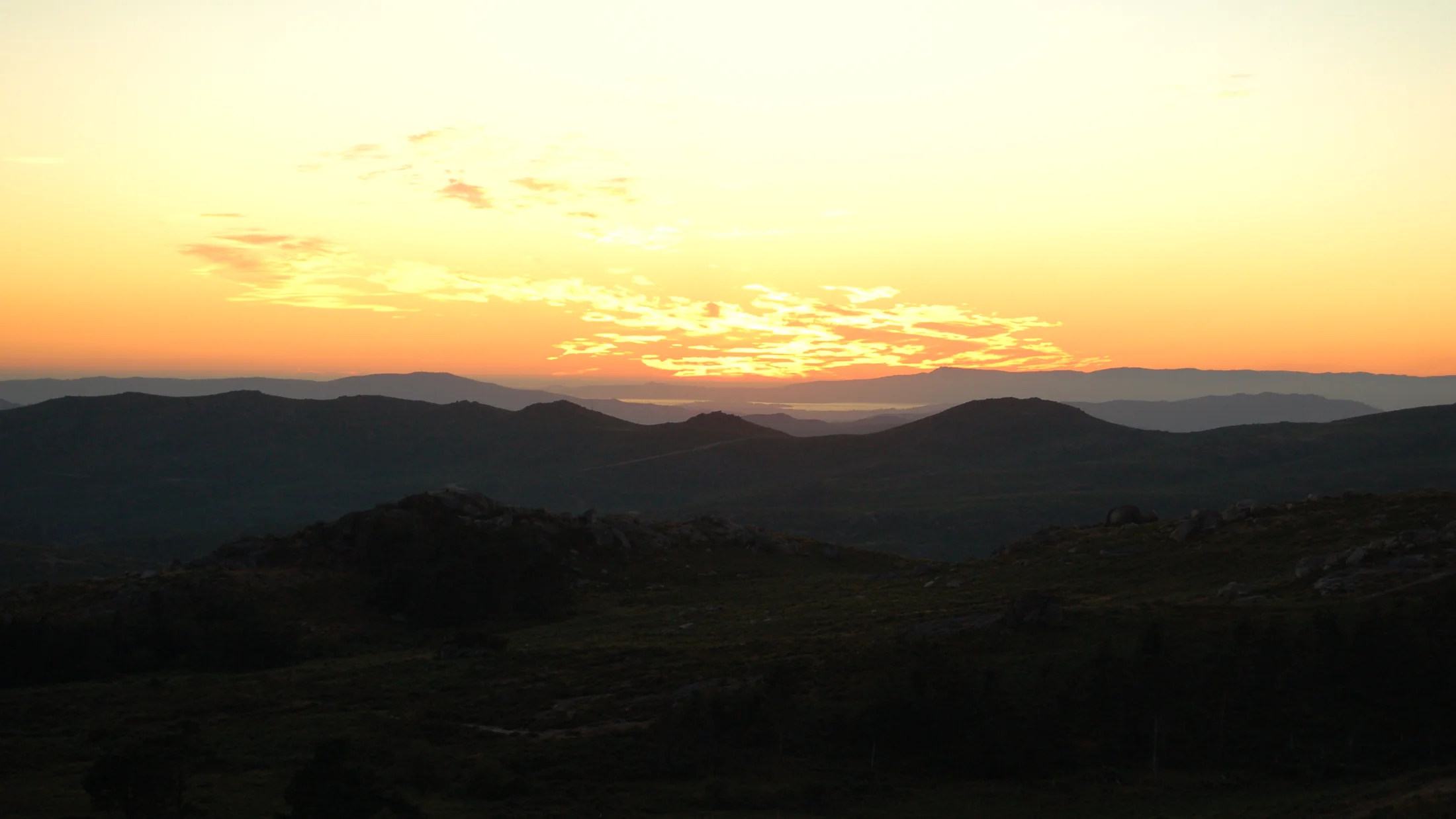
  • • O Faro de Avión viewpoint at 1,151 m with views of three Galician estuaries
  • • Annual curros and rapas das bestas maintaining a pre-Roman tradition
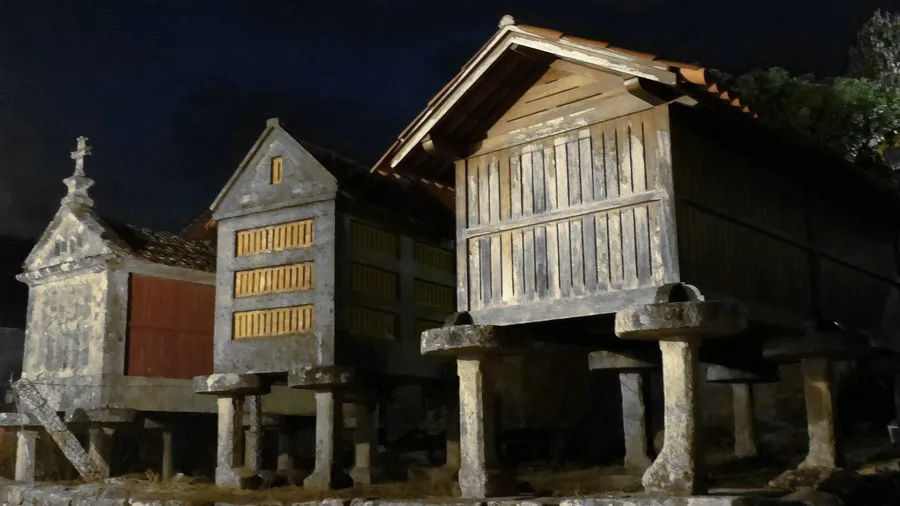
  • • Uncrowded trails through oak groves, stone hamlets and 18th-century hórreos

Description

Serra do Suído rises as a natural border between the provinces of Pontevedra and Ourense, spanning the municipalities of A Lama, Fornelos de Montes and Covelo on the Pontevedra side, and Avión and Beariz in Ourense. Its highest point reaches 1,151 metres at O Faro de Avión, a mountain lookout from which, on clear days, the three Galician estuaries of Vigo, Pontevedra and Arousa can be seen outlined against the Atlantic. The range belongs to the Dorsal Gallega, Galicia's geological backbone, and its rounded mid-mountain profile alternates heather and gorse scrub on the heights with pedunculate oak groves, birch patches and pine plantations on the slopes, while riparian forests line the streams and tributaries that feed rivers like the Verdugo.

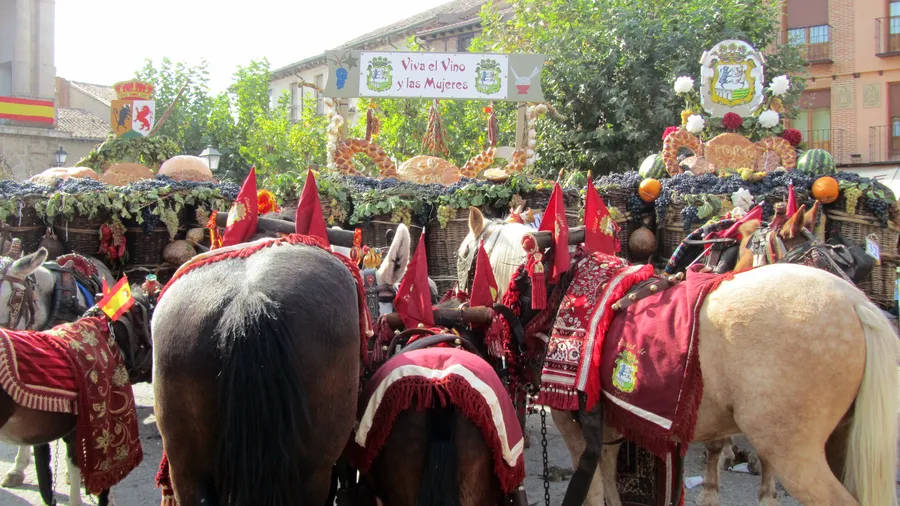
One of the defining features of Serra do Suído is its herds of feral Galician mountain horses — garranos — that roam freely across the upper grasslands. Every summer, local communities organise the curros or rapas das bestas, an ancestral tradition documented since the pre-Roman Castro period in which the horses are gathered, branded and dewormed. Bronze Age petroglyphs carved into the sierra's granite show equestrian figures, evidence that the bond between these mountains and their horses spans millennia. The most famous rapa takes place at nearby Sabucedo, but smaller curros on the Suído itself keep the custom alive in a more intimate setting.

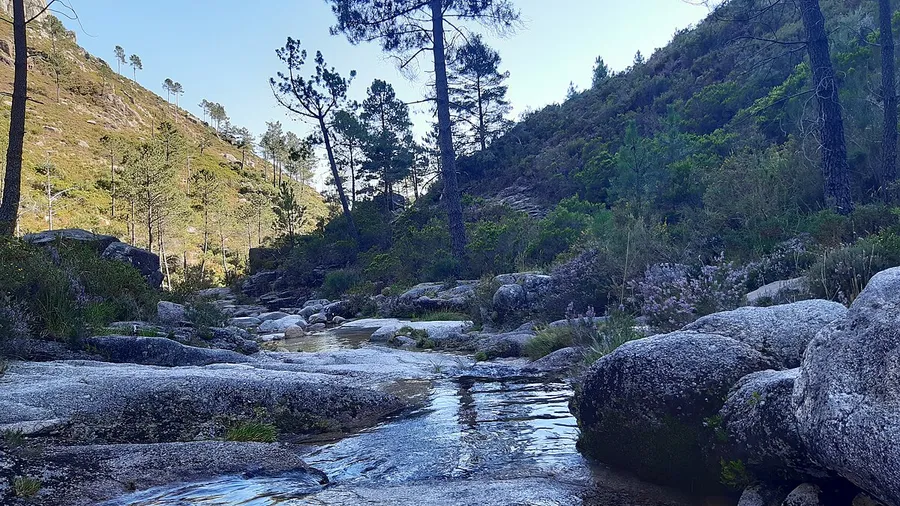
The landscape is a mosaic of textures: granite boulders sculpted by water and frost into rounded shapes, peat bogs where sphagnum moss thrives, meadows that blaze yellow with gorse flowers in June, and oak woods so thickly carpeted in moss that the air feels permanently damp. The scent of wet earth and pine resin accompanies every outing, especially on autumn mornings when mist pools in the valleys and leaves the summits clear. Wildlife includes Iberian wolf, which maintains a presence in the range, alongside fox, wild boar and roe deer, with goshawk and sparrowhawk hunting through the woodlands.

For visitors, Serra do Suído offers lightly trodden hiking routes through territory where walking for hours without meeting another person is common. Trails connect stone hamlets with hórreos and cruceiros, some preserving their 18th-century rural Galician architecture intact. The area lacks large-scale tourist infrastructure, making it a genuine off-grid destination: scattered rural guesthouses, village taverns serving octopus, lacón con grelos and corn empanada, and a silence broken only by wind through the scrub and the occasional whinny of horses on the ridgeline.
Practical information

Everything you need to know for your visit to Serra do Suído

How to get there
From Vigo, the AP-53 motorway and PO-254 road reach A Lama in about 45 minutes. From Ourense, the N-541 connects with the Beariz and Avión area in one hour. No regular public transport; driving is the best option.
Area Information
The range spans five municipalities: A Lama, Fornelos de Montes and Covelo (Pontevedra) and Avión and Beariz (Ourense). A Lama and Fornelos de Montes are the most common access points. There is no official visitor centre.
Geography
Range on the Dorsal Gallega between Pontevedra and Ourense, peaking at 1,151 m at O Faro de Avión. Rounded mid-mountain profile with eroded granite, peat bogs and oak and birch woods on the slopes.
Flora & Fauna
Feral garrano horses on the summits. Iberian wolf, fox, wild boar and roe deer in the uplands. Goshawk and sparrowhawk in wooded areas. Heather, gorse, pedunculate oak and birch as dominant plant species.

Things to do

Find the best plans and things to do in Serra do Suído

20

Accommodations

Best accommodation options in Serra do Suído

Loading accommodation options...

Frequently Asked Questions

Get answers about Serra do Suído

Yes, the garranos live freely on the upper grasslands throughout the year. They are easiest to spot in spring and summer when they graze on the summit meadows. In winter they may descend to lower elevations for shelter from wind and snow, but they remain present on the range.
The rapas das bestas run mainly between June and August. The best known nearby is at Sabucedo (A Estrada), about 30 km away, held on the first weekend of July. Smaller curros on the Suído itself take place through the summer, with dates that vary from year to year.
Waterproof hiking boots are advisable since the ground can be muddy even in summer. A lightweight rain jacket is essential given the likelihood of sudden showers. A GPS device or topographic map is useful because trail signage is not consistent across all routes on the range.
Iberian wolf is present in Serra do Suído, but it is an extremely elusive animal that avoids human contact. Encounters are very rare and the wolf poses no danger to hikers. Many visitors consider its presence an added attraction, though sighting one requires considerable luck and patience.
The petroglyphs of Serra do Suído are scattered across several granite outcrops. Some of the most accessible are in the Fornelos de Montes area. There is no dedicated signposted circuit, so it is worth asking at the local town halls or in nearby hamlets for directions to the main clusters.