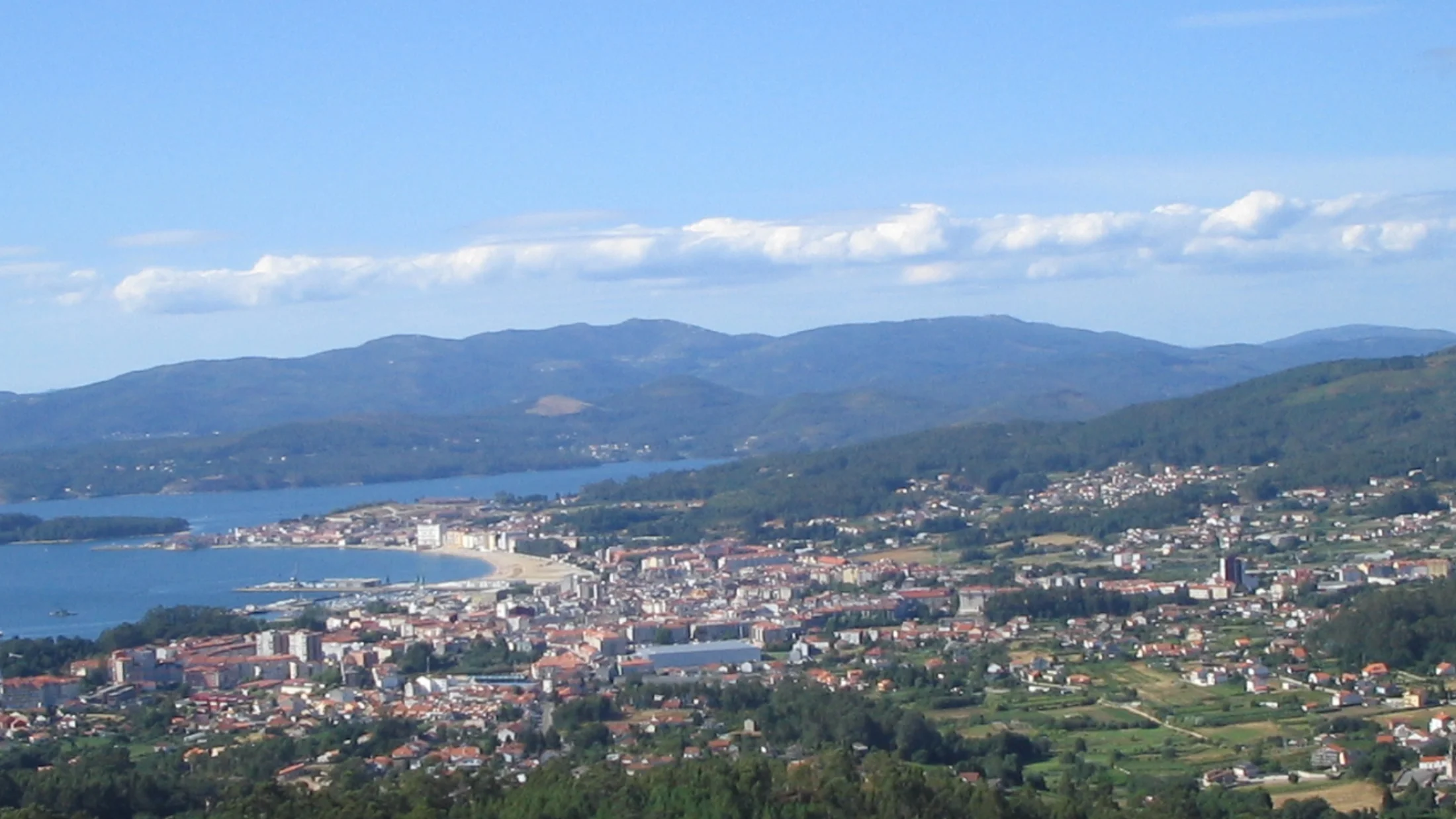
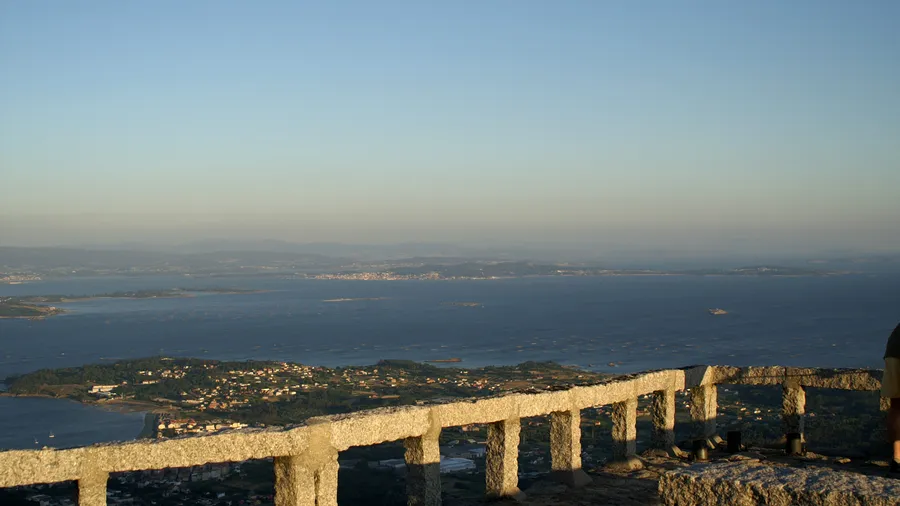
The Ría de Arousa is the largest of the Galician Rías Baixas, spanning 230 km² with a length of 33 km from the mouth of the river Ulla to the Atlantic Ocean. Its waters, warmed by the Gulf Stream and enriched by coastal upwelling, sustain Europe's largest mussel production: over 3,300 bateas — floating wooden platforms — dot the estuary and yield some 250,000 tonnes of mussels per year. Viewed from shore, the water surface is punctuated by these rectangular structures that, at sunset, trace geometric lines against the low light. The smell of salt and fresh seaweed is a constant in the fishing ports of Cambados, Vilanova de Arousa and O Grove.
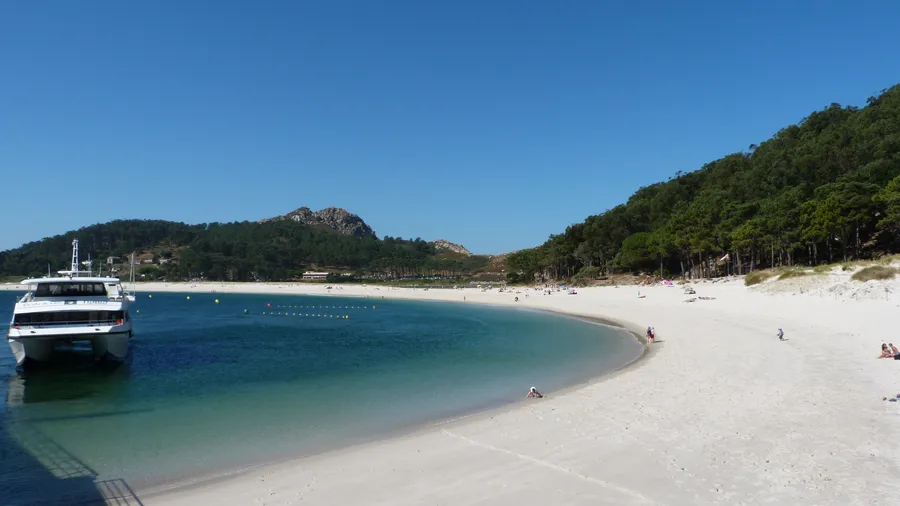
The estuary holds three notable islands. Arousa Island, connected to the mainland by a 2 km bridge, is Galicia's largest island (7 km²) and mixes white-sand beaches with pine forests and a working fishing harbour. Sálvora Island, at the estuary mouth, belongs to the Atlantic Islands National Park and is accessible only by authorised boat; its 30-metre granite sea cliffs and colonies of European shag make it a destination of marine wilderness and solitude. Cortegada, a small river island at the Ulla outlet, holds Europe's largest bay laurel (Laurus nobilis) forest, with specimens exceeding 12 metres in height. Together, the three islands encapsulate the estuary's range: fisheries, protected nature and botanical heritage.
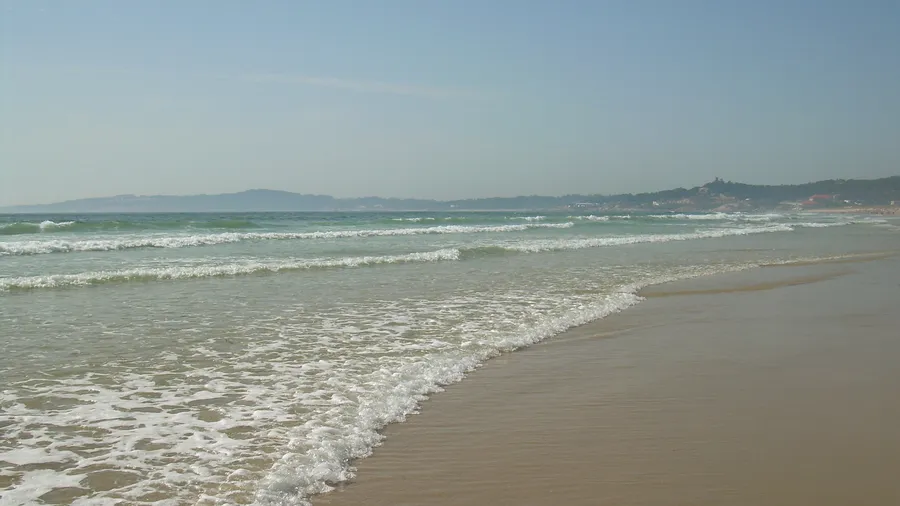
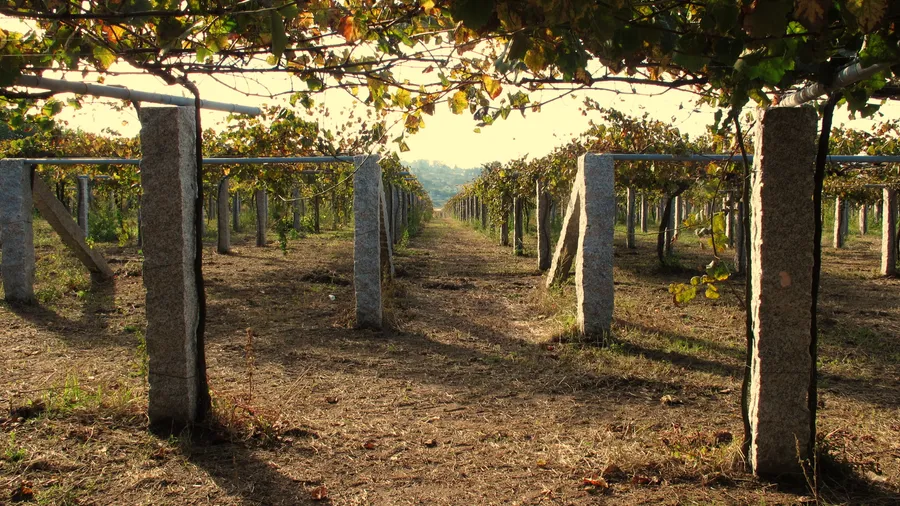
Cambados, capital of Albariño wine and host of its annual festival in August (declared of International Tourist Interest), clusters stately pazos from the 16th to 18th centuries with carved granite facades and camellia gardens. The ruins of Santa Mariña de Dozo, a 15th-century Gothic church open to the sky, preside over the town from a hilltop. Fifteen kilometres away, O Grove occupies a peninsula that closes the estuary to the south and in October holds the Festa do Marisco, where marquees along the harbour serve plates of goose barnacles, velvet crabs, spider crabs and cockles pulled from the estuary that same morning. The O Grove fish market auctions over 4,000 tonnes of shellfish per year. Between both towns, the beaches of A Lanzada (1,300 metres of fine sand with steady waves) and A Toxa (on the spa island of the same name) offer two very different coastal experiences.
The estuary is navigable throughout. Catamaran tours of the mussel platforms include onboard tastings paired with Albariño wine. Sea kayaks allow paddling between rocky coves accessible only from the water. Diving in the estuary reveals granite-rock seabeds with kelp forests, anemones and occasionally short-snouted seahorses (Hippocampus guttulatus), a protected species. For birdwatchers, the O Grove salt marshes and the A Bodeira lagoon host migratory waders — dunlins, godwits, curlews — between September and March, with censuses exceeding 10,000 wintering birds.
Gastronomy structures every visit to the estuary. Besides mussels and Albariño, the area is a benchmark for flat oysters (Ostrea edulis), fine clams from the ría and octopus from local fish markets. Restaurants in Cambados and O Grove work with the day's catch and menus that shift with the fishing season. The estuary's cooking does not pursue sophistication but raw quality at its peak: a plate of razor clams grilled with coarse salt, a cockle pie or a soupy lobster rice sums up this philosophy without embellishment.