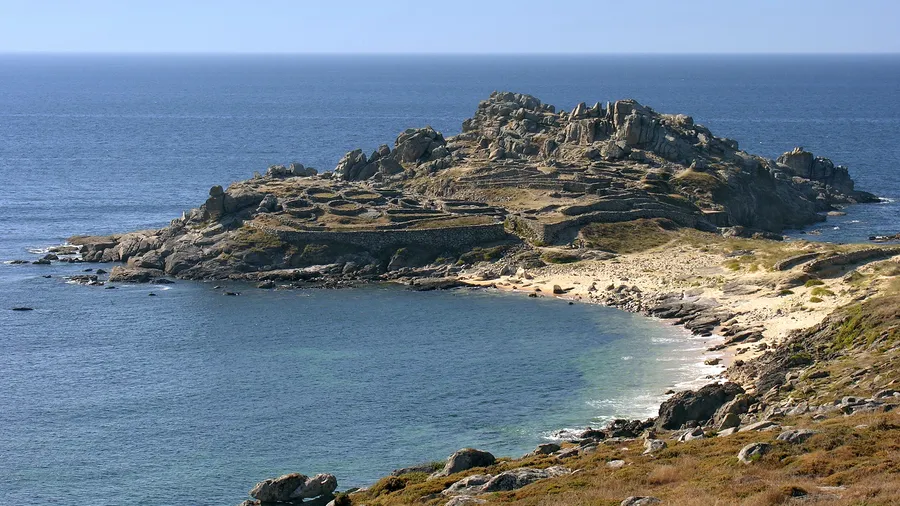
Castro de Baroña
Highlights
- • 1st-century BC Celtic castro in Galicia
- • Circular ruins of dwellings and defensive walls
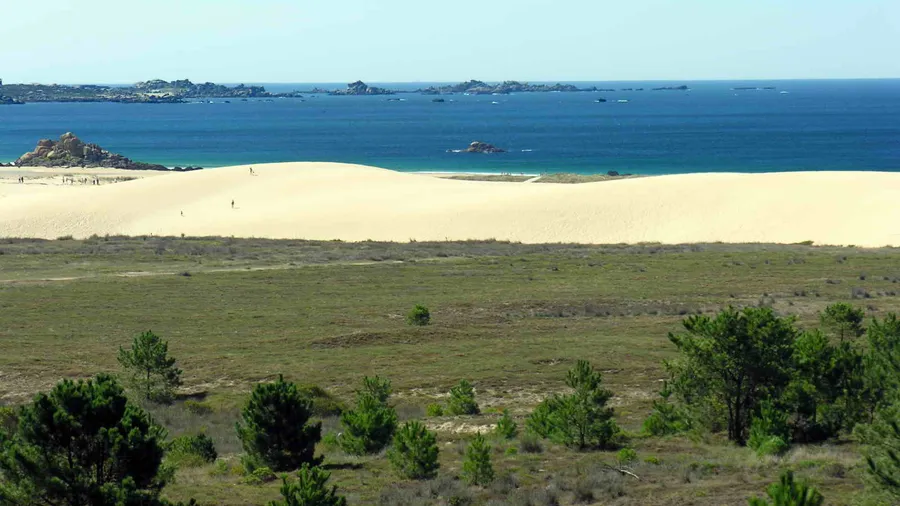
- • Location on a rocky peninsula overlooking the Atlantic
- • Coastal landscape with native vegetation
- • Free and open access for visitors
- • Important Galician archaeological heritage
Description
Key Information
Visit Duration
1-2 hours
Recommended Seasons
Spring, Summer
Pricing
Free
Accessibility
Low
Related Destinations

Guide
Essential information for visiting Castro de Baroña
Location
Practical Information
- Pricing
- Free
- Visit Duration
- 1-2 hours
Features & Services
- Accessibility:Low
- Kid-Friendly:Yes
- Pet-Friendly:Yes
- Booking:No Booking Required
Planning Information
Recommended Seasons
Spring · Summer
Best Time to Visit
The best time to visit Castro de Baroña is during spring and summer when the weather is milder and the days are longer, allowing you to fully enjoy the natural environment.
Visitor Tips
To make the most of your visit to Castro de Baroña, wear sturdy, comfortable footwear suitable for rocky paths. Protect yourself from wind and sun with appropriate clothing and sunscreen. Bring water and snacks, as there are no services on site. Respect all guidelines to help preserve the ruins and avoid climbing on structures to prevent damage. Consider combining your visit with a coastal walk to enjoy the Atlantic scenery.
Historical Facts
Castro de Baroña was inhabited between the 1st century BC and 1st century AD during the Iron Age. These Celtic communities built fortified settlements to protect themselves from attacks and to exploit marine resources. The castro reveals the social and architectural organization of the time, featuring circular houses and defensive walls. Its strategic location on a rocky peninsula facilitated surveillance and defense against potential invaders.
Frequently Asked Questions
Get answers about Castro de Baroña