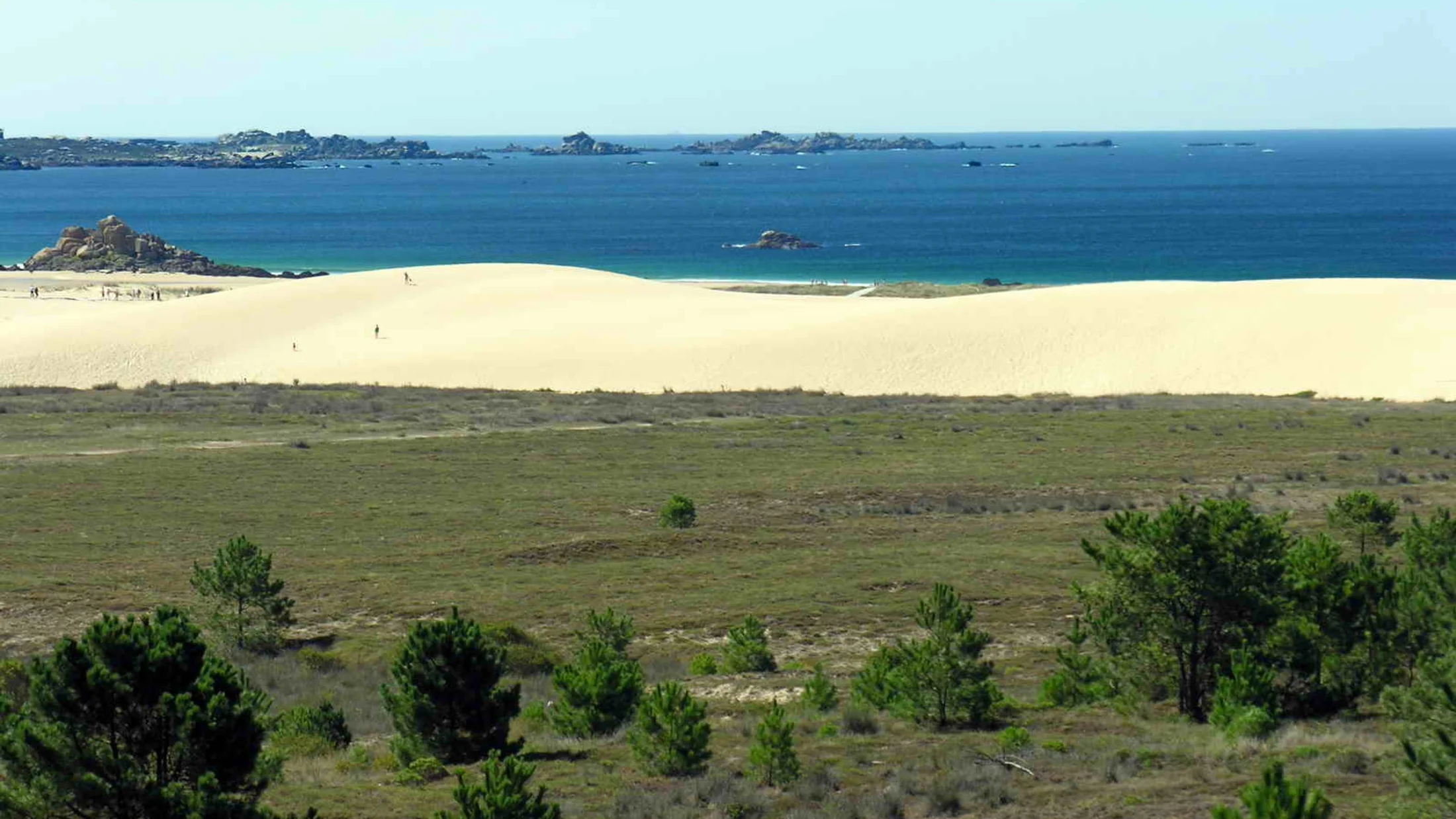
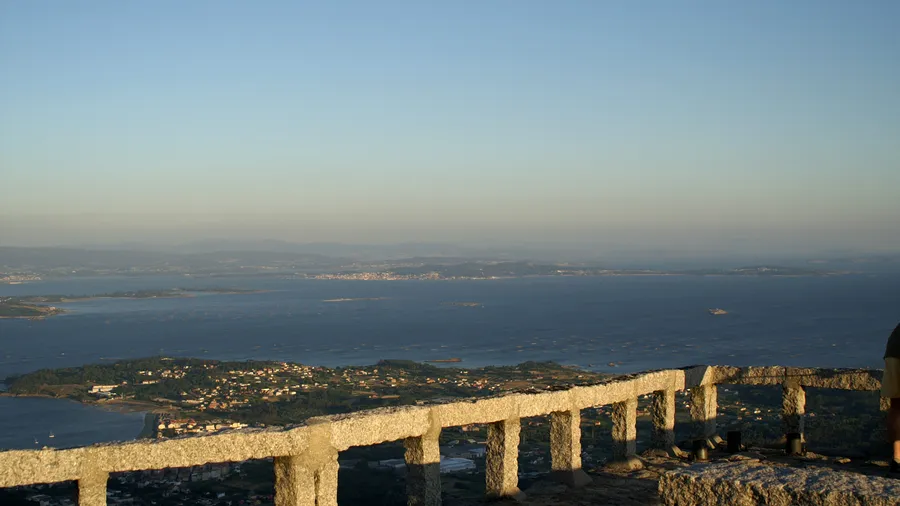
The Dunes of Corrubedo and Carregal and Vixán Lagoons Natural Park covers 996 hectares at the western tip of the Barbanza peninsula, between the Ría de Arousa and the Ría de Muros y Noia, in the A Coruña municipality of Ribeira. Its most prominent feature is the great mobile dune: one kilometre long, 250 metres wide, and 15 metres tall, the largest dune formation in Galicia, pushed forward by the wind and reshaped with every storm. Walking alongside it when the northeast wind lifts sand into spirals that sting your face is a direct way to understand how geology is still being written in real time.
Behind the dune, the landscape shifts completely. The Vixán lagoon is a freshwater body formed by the Os Muíños stream and groundwater seepage, separated from the sea by the sand spit itself. From the bird observatory on its shore, you can spot teals, sandpipers, spoonbills, and grey herons, especially during the spring and autumn migrations when up to 3,000 waterfowl use the lagoons as a resting area. The Carregal lagoon, by contrast, is brackish: connected to the ocean, it mixes seawater with contributions from the Longo River, creating a marsh rich in invertebrates that feed wading birds.
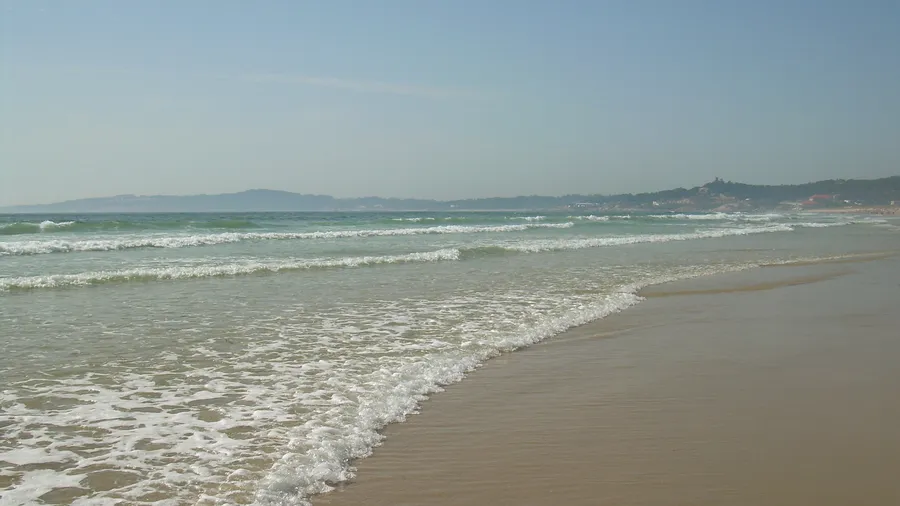
The beach running through the park stretches four kilometres of fine sand, split in two by the Carregal lagoon. The northern section sees more summer visitors; the southern stretch, more exposed to wind and swell, draws those seeking solitude and a landscape free of buildings. Signposted trails follow the dune ridge, the marshes, and both lagoon shores, with interpretive panels explaining wind dynamics and wetland ecology. The full circuit takes about two hours on foot with no elevation change.
Corrubedo was declared a Natural Park in 1992, the second oldest in Galicia. It is also a Ramsar Site (wetland of international importance) and part of the Natura 2000 network as a Special Protection Area for Birds (SPA) since 2014. These layers of protection reflect the ecological value of a space where three very different ecosystems — dune, freshwater lagoon, and brackish marsh — coexist within fewer than a thousand hectares. For visitors, it means a walk that in two hours passes from the open beach to the quiet of the lagoon, with the option of ending the day at one of the nearby fishing harbours on the Barbanza coast for razor clams, barnacles, and octopus.
The park's interpretation centre, located by the main car park, provides information on dune formation, lagoon dynamics, and the species inhabiting the wetland. It is a good starting point before walking the trails. The local community of fishers and shellfish harvesters working in the nearby estuaries has a direct relationship with the park's ecosystem: lagoon water quality and marsh health affect the shellfish banks in the area. This interdependence between conservation and local economy makes Corrubedo a notable example of environmental management in Galicia.