The essentials of Parque Natural de la Sierra de Espadán

  • • Largest cork-oak woodland in the Valencian Community on Triassic red sandstone (rodeno)
  • • Active cork stripping every 9 years, a tradition documented since the 18th century
  • • Over 100 catalogued springs with year-round flow across ravines and trails
  • • GR-36 east-west traverse in 8-10 stages, linking villages of 100-600 residents
  • • Andalusí-plan villages with ruined hilltop castles: Eslida, Aín, Chóvar, Azuébar

Description

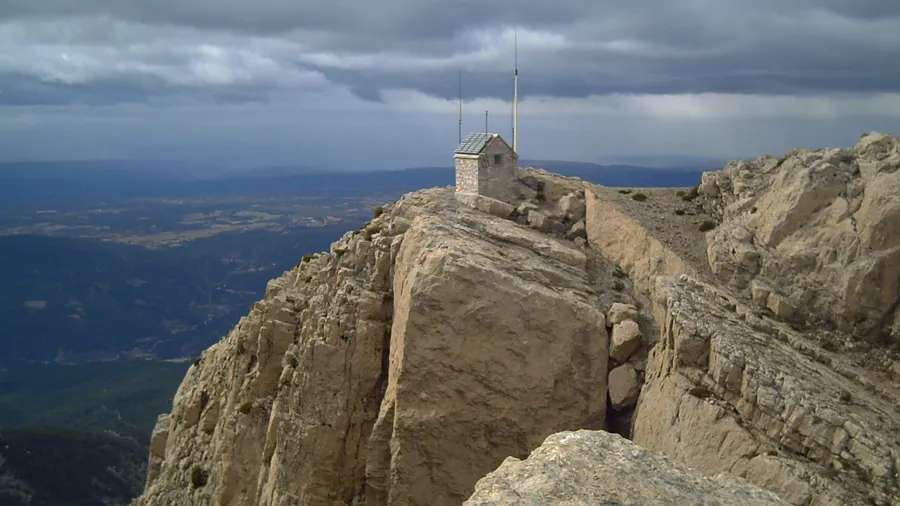
The Sierra de Espadán stretches 50 kilometres through the interior of Castellón province, forming a mountain barrier between the Alto Palancia and Plana Baixa districts. With 31,180 protected hectares, it is the second-largest natural park in the Valencian Community. Its geological distinctiveness lies in the rodeno substrate — red Triassic sandstone — which produces an acidic soil unusual in eastern Spain and supports the region's largest cork-oak woodland, a stand of Quercus suber covering the slopes between 300 and 800 metres under a dense evergreen canopy.

The terrain ranges from 200 metres at the bottom of the ravines to 1,106 metres at Pico Espadán, with deeply incised valleys where the Almonacid, Chóvar and Eslida ravines channel permanent streams feeding over a hundred catalogued springs and water troughs scattered across the sierra. Water is a constant presence: many springs flow year-round, and some — such as the Font de la Carrasca and Font de Cabres — have become regular rest stops for hikers. In the shaded gullies, ferns and mosses line the ravine walls and the air feels damp, a striking contrast to the aridity that dominates the coast just a few kilometres away.

The Espadán cork-oak forest maintains an active production cycle. Cork stripping — known as pela — takes place every nine years between June and August, following a tradition documented since the eighteenth century. Strippers work with curved axes and leave the trunks a vivid orange that darkens over the following months back to the usual brown tone. Espadán cork goes mainly to quality wine-bottle stoppers. Alongside the cork oaks grow rodeno pines, holm oaks, strawberry trees, heather and mastic, forming a forest mosaic whose colour shifts with each season: in autumn, ripe strawberry-tree berries turn red and the marcescent oak leaves turn gold.

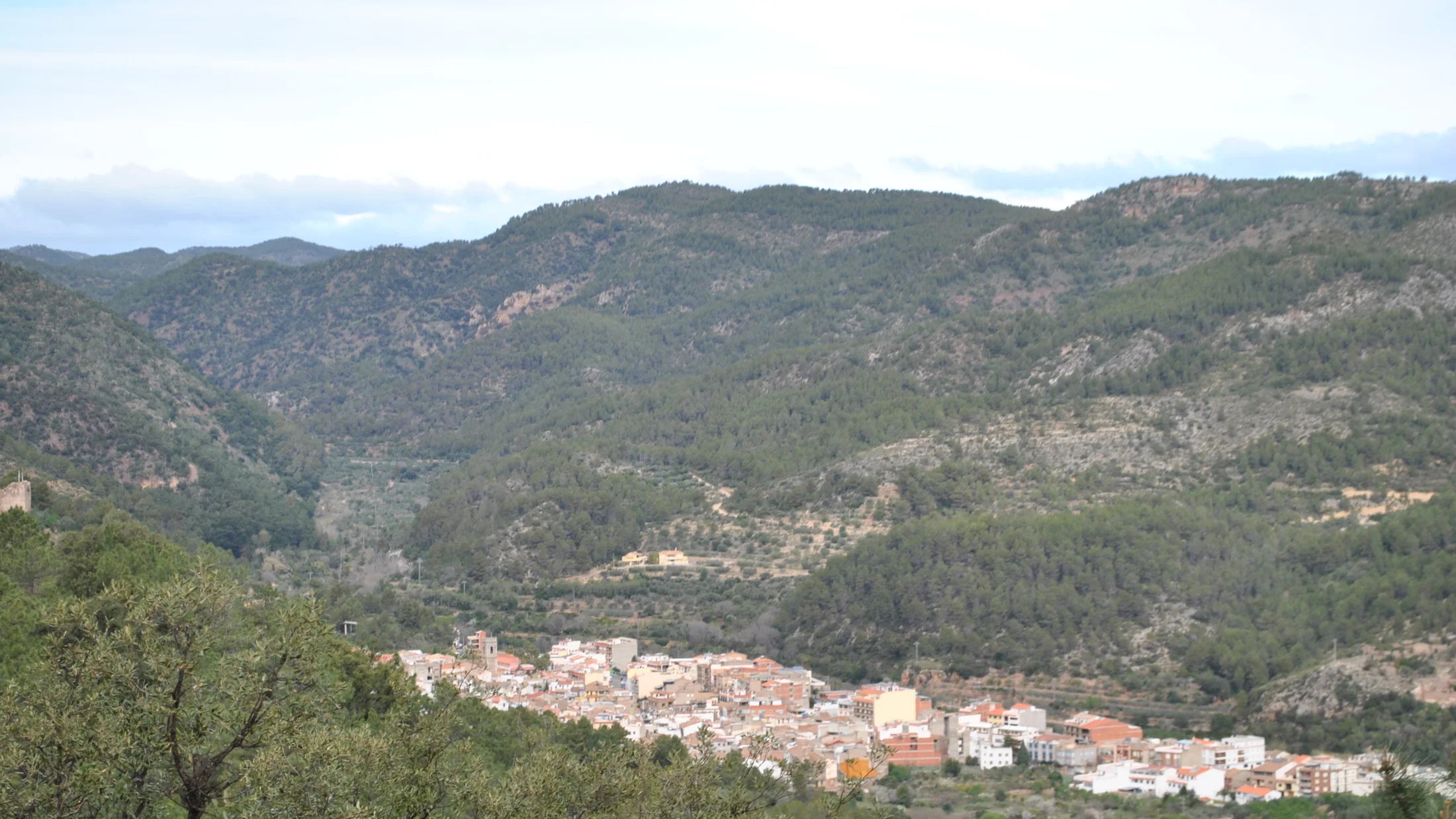
The trail network is marked by the GR-36 long-distance path, which crosses the sierra east to west in roughly 8-10 stages, plus dozens of local trails (PR and SL) linking inland villages: Eslida, Aín, Chóvar, Almonacid de la Sierra, Azuébar and Tales. These municipalities, home to between 100 and 600 residents, preserve their Andalusí-origin street layouts with narrow alleys, public fountains and ruined castles commanding the valleys from strategic hilltops. Eslida, the main gateway to the park, has a visitor centre and is the starting point for routes to Pico Espadán and the Ruta dels Molins, which follows a ravine past old stone flour mills.

Wildlife includes species typical of humid Mediterranean forest: short-toed snake eagle, goshawk, common genet, badger and wildcat. Permanent streams hold populations of barbel and the native river crayfish. The Spanish moon moth (Actias isabellae), an emblematic insect of Iberian woodlands, has been recorded in the most mature cork-oak stands. From Valencia city, the sierra is reached in an hour via the A-23 to Segorbe and the CV-200 to Eslida; from Castellón, the CV-10 and CV-200 shorten the journey to 40 minutes.

Practical information

Everything you need to know for your visit to Parque Natural de la Sierra de Espadán

How to get there
From Valencia, A-23 to Segorbe then CV-200 to Eslida (1 hour). From Castellón, CV-10 and CV-200 (40 min). Parking in Eslida by the visitor centre. GR-36 access from Eslida, Almonacid or Tales. No direct public transport to the park; regional buses reach Segorbe, then taxi or car-share onward.
Area Information
Park visitor centre in Eslida. Rural guesthouses in Eslida, Aín, Chóvar and Azuébar. Restaurants serving mountain cuisine (cured meats, lamb, honey) in the park villages. Natural pools at the Barranco de la Caritat (Eslida). Drinking-water springs on most trails.
Geography
A 50 km long sierra with 31,180 protected hectares between Alto Palancia and Plana Baixa. Rodeno substrate (Triassic red sandstone). Altitude: 200-1,106 m (Pico Espadán). Incised ravines with permanent streams and over 100 catalogued springs.
Flora & Fauna
Cork-oak (Quercus suber) forest between 300-800 m, rodeno pine, holm oak, strawberry tree, heather and mastic. Fauna: short-toed snake eagle, goshawk, genet, badger, wildcat. Barbel and native crayfish in streams. Spanish moon moth (Actias isabellae) in mature cork stands.

Things to do

Find the best plans and things to do in Parque Natural de la Sierra de Espadán

20

Accommodations

Best accommodation options in Parque Natural de la Sierra de Espadán

Loading accommodation options...

Frequently Asked Questions

Get answers about Parque Natural de la Sierra de Espadán

Its main distinction is the rodeno substrate, a red Triassic sandstone that produces acidic soils uncommon in Mediterranean Spain. This acidity supports the largest cork-oak forest in the Valencian Community, a woodland not found in other sierras along the coast. The abundance of permanent springs and the active cork-harvesting tradition give it a productive character that other protected sierras do not maintain.
Cork stripping takes place between June and August in rotating plot cycles following each group of trees' nine-year interval. There is no formal tourist programme, but the Eslida visitor centre can advise on approximate stripping dates in accessible areas. Strippers work with curved axes and leave the trunks a vivid orange that is highly photogenic.
The GR-36 crosses the sierra east to west in roughly 8-10 stages, depending on fitness and pace. Stages link villages such as Eslida, Aín, Chóvar, Almonacid and Azuébar, which have rural guesthouses and the occasional hostel. Accommodation is limited (the villages have between 100 and 600 inhabitants), so booking ahead is advisable, especially during bank holidays and spring or autumn weekends.
Yes, the Barranco de la Caritat near Eslida has natural pools for swimming in summer. Water levels depend on spring rainfall, and in dry years the pools may be low by August. Other springs and streams in the park have calm stretches suitable for a dip, though bathing is not formally regulated and there are no lifeguards or facilities.
Public transport access is limited. Regional buses run from Castellón and Valencia to Segorbe, but there is no regular service from there to the park villages of Eslida or Aín. The most practical car-free option is to travel by train or bus to Segorbe and arrange a taxi or car-share onward. Within the park, all routes are on foot; there is no internal transport.