Why Solo Nature Travel Is Thriving in Spain
Set your own pace and discover Spain’s quiet trails without waiting on anyone. Solo travel nature Spain has surged in recent years because it blends freedom, restorative time outdoors, and the comfort of well-marked routes and welcoming rural towns. You get autonomy, yet you can lean on solid infrastructure and local communities who know their mountains and coasts.
The rise of going solo into the wild
More travelers are choosing unhurried weekends and week-long escapes on their own, from hiking solo Spain to slow days by Atlantic dunes. The payoffs are clear: flexibility, deeper focus, and a reset away from screens. The risks—changing weather, navigation errors, overestimating fitness—are manageable when you pick safe solo destinations Spain with services, good signage, and connectivity. Picture an empty path at dawn where the air smells of damp pine. The destinations below were selected with safety, trail variety, public transport options, and local services in mind, so you can enjoy nature with confidence.
What to expect and how we chose these places
You’ll find 10 solo nature retreats Spain with a quick-look fact box per destination: location, budget cues, best season, ideal traveler profile, and highlights. We also include transport notes, safety tips, and a planning FAQ, plus a simple map concept you can recreate to sketch your route. We prioritized: park safety standards and clear regulations; access (road and, where possible, public transport); local services (rural stays, guides, rescue coverage); activity range (from gentle loops to demanding ascents); and seasonality to dodge crowds and heat. Expect concise tips you can act on today.
Picuco te puede ayudar
Does something here catch your eye?
Tell us.
Write to us on WhatsApp or email: we answer questions, find the best options and help you sort out the booking.
Ten Safe Destinations for Solo Nature Travel
1.Picos de Europa: high mountains and alpine hiking
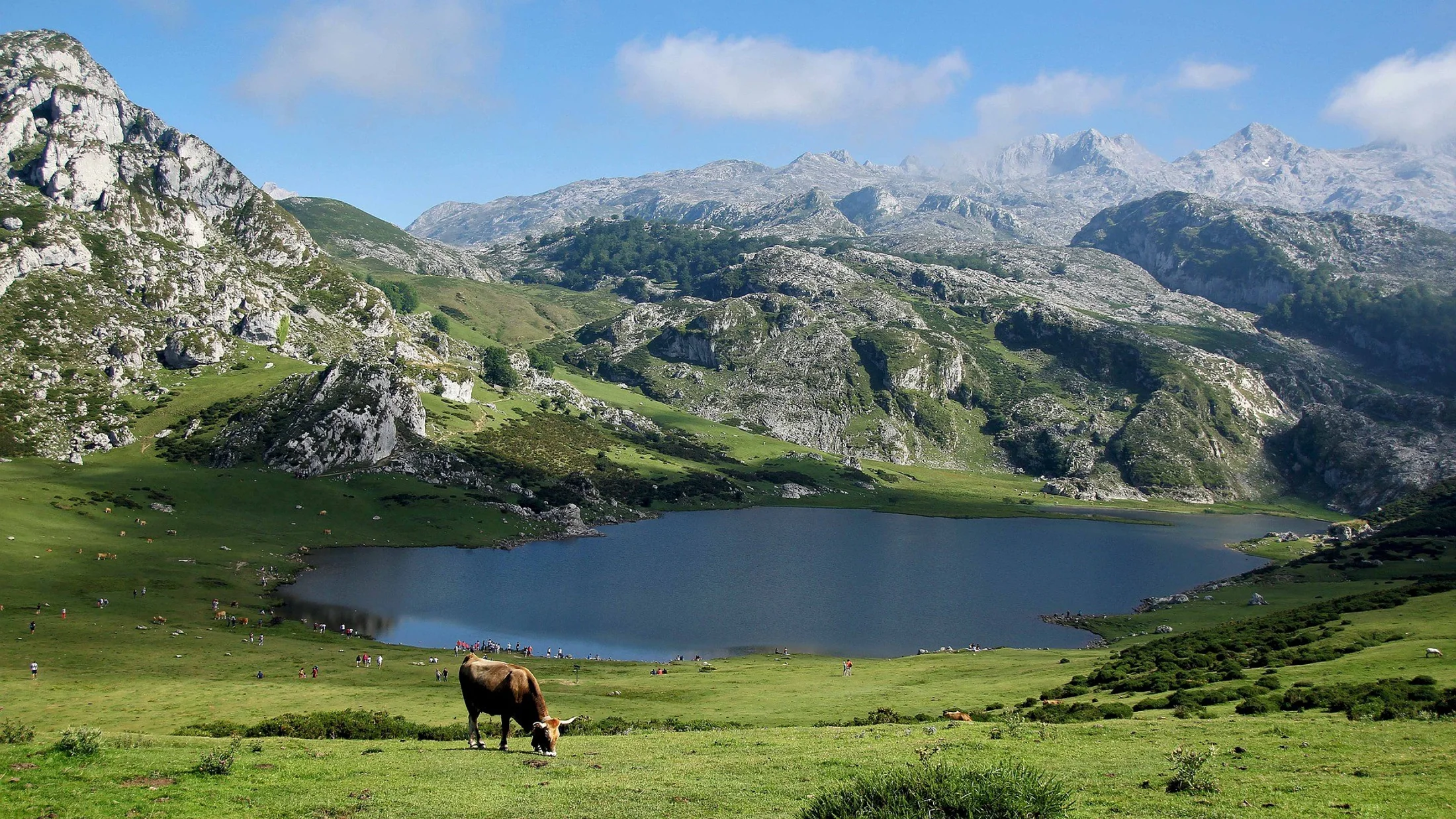
Start bold if you love rugged limestone, deep gorges, and cloud-brushed summits. Spanning Asturias, Cantabria, and León, Picos de Europa offers classic ridge views and valleys carved by glacial ice. Imagine boots crunching on pale karst as choughs circle above.
- Location: Northern Spain (Asturias/Cantabria/León); main bases include Cangas de Onís, Potes, Arenas de Cabrales.
- Budget outline: rural stays 35–90 € night; mountain refuges 20–35 €; shuttle/parking 3–10 €; confirm current prices on official sites.
- Best time: June–October for snow-free trails; May/October for quieter paths.
- Ideal for: intermediate to experienced hikers; photographers; geology fans.
- Getting there: buses from Oviedo/Santander to main towns; rental car broadens trail access.
- Highlights:
- Ruta del Cares (Poncebos–Caín): 24 km round trip, moderate, exposed sections fenced.
- Lagos de Covadonga area: signed loops with park shuttles in peak dates.
- Safety for solo travelers:
- Check weather and avoid high ridges in storms; fog forms fast.
- Use staffed refuges and marked routes; tell your lodging your plan.
- Carry layers, headlamp, and a charged phone; rescue is coordinated by Asturias 112.
Practical tip: Start Ruta del Cares early to avoid foot traffic and heat, and turn around at the halfway point if needed to keep energy in reserve.
2.Ordesa y Monte Perdido: glacial valleys and big viewpoints
Choose Ordesa if you want layered limestone cliffs, deep forests, and thunderous waterfalls. The park in Huesca (Aragonese Pyrenees) balances famous routes with side valleys to find space alone. Hear the steady roar of the Arazas River as you climb.
- Location: Huesca, Aragon; base towns: Torla, Broto, Aínsa.
- Budget outline: guesthouses 45–100 € night; park shuttle Torla–Pradera ~5–7 € return; confirm on the park portal.
- Best time: late May–June and September–October; July–August is busy.
- Ideal for: hikers, landscape photographers, solo walkers who like clear signage.
- Getting there: buses connect Huesca–Sabiñánigo–Broto/Torla; car improves flexibility.
- Highlights:
- Cola de Caballo via the Ordesa valley: ~17 km round trip, moderate, waymarked.
- Faja de las Flores: advanced route with exposure; only for experienced hikers, dry conditions, and early starts.
GR-11segments offer staged, signed traverses.
- Safety for solo travelers:
- Rapid weather shifts; pack layers and rain gear even in summer.
- Shuttle buses to Pradera de Ordesa operate in peak seasons; plan return times.
- Avoid snowfields on high routes without proper equipment and training.
Practical tip: If hiking Cola de Caballo, set a turnaround time, not a “must-reach” goal, so you catch the last shuttle comfortably.
3.Islas Cíes (galicia): pristine beaches and coastal trails
Sail to turquoise water, white sand, and gentle paths that never stray far from the sea. The Cíes Islands in Galicia sit within the Atlantic Islands of Galicia National Park and cap visitor numbers daily. Feel fine sea spray on your skin at the Rodas causeway.
- Location: Vigo estuary (Pontevedra, Galicia).
- Budget outline: ferry 20–30 € return in high season; camping plots and tent rentals available; confirm current rates and permits in advance.
- Best time: late June–September for services; May/September for quieter days.
- Ideal for: beach lovers, easy hikers, birdwatchers, first-time solo travelers.
- Getting there: ferries from Vigo and nearby ports on set schedules; pre-book and request an access permit on peak days.
- Highlights:
- Rodas Beach and Lagoon: scenic, sheltered on calm days.
- Faro Cíes trail: well-marked path to sweeping views, moderate effort.
- Safety for solo travelers:
- Respect capacity controls; ferries sell out on summer weekends.
- Overnight stays restricted to the authorized campsite; no wild camping.
- Winds and sun can be intense; carry water, hat, and light layers.
Practical tip: Book your outbound and return ferries together to avoid late-day queues, and keep a margin to stroll the dock without rush.
4.Somiedo Natural Park: wild valleys and wildlife watching
Head to Asturias for soft meadows, ancient transhumance routes, and a chance—always slim, always thrilling—to spot brown bears at distance with guides. Woodsmoke and wet grass scent the air at dawn in the brañas.
- Location: Asturias; base: Pola de Somiedo and surrounding villages.
- Budget outline: rural inns 40–90 € night; guided wildlife outings often 25–60 €; confirm with licensed operators.
- Best time: spring for flowers and chamois; late summer–autumn for bear activity at dusk/dawn.
- Ideal for: patient wildlife watchers, quiet hikers, photographers.
- Getting there: best by car from Oviedo/León; limited buses reach Pola de Somiedo.
- Highlights:
- Lagos de Saliencia: moderate lake circuit with classic glacial scenery.
- Brañas (shepherd hamlets) like La Pornacal: cultural landscapes on easy tracks.
- Safety and ethics for solo travelers:
- Observe fauna at distance and with certified guides; never leave marked paths.
- Weather turns quickly; carry waterproofs and map.
- Support local casas de aldea; they share seasonal trail conditions.
Practical tip: Bring binoculars and a warm layer even in summer mornings, and join small, licensed bear-watching outings to learn and reduce disturbance.
5.Sierra de Gredos: granite cirques and mountain routes
Choose Gredos if you want big rock, clear tarns, and straightforward access to high country from a single trailhead. Dry air carries the smell of sun-warmed granite on the Plataforma de Gredos.
- Location: Central System (Ávila/Salamanca/Cáceres); main access: Plataforma de Gredos near Hoyos del Espino.
- Budget outline: rural stays 35–85 €; Refugio Elola 20–35 € dorm; occasional parking fees; confirm local rates.
- Best time: May–October for hiking; late spring for snow patches and flowers.
- Ideal for: intermediate and advanced hikers; solo trekkers with good navigation.
- Getting there: car is best; infrequent buses to Hoyos del Espino then taxis.
- Highlights:
- Circo de Gredos to Laguna Grande: ~12 km round trip, 500–600 m gain, well-marked.
- Almanzor ascent is technical; only for experienced climbers with gear.
- Safety for solo travelers:
- Rock steps and boulder fields require sturdy boots and poles.
- Afternoon storms are possible; start early and track forecasts.
- In shoulder seasons, carry microspikes if snow lingers.
Practical tip: Note your turnaround time at the first steep switchbacks, and consider staying at the refuge to split the outing over two calm days.
6.Sierra de Grazalema: green forests and white villages
Head to Cádiz and Málaga for cork oak woodlands, dolines, and villages perched on limestone like white boats. A cool breeze smells of laurel on shaded ravines.
- Location: Cádiz/Málaga; bases: Grazalema, Zahara de la Sierra, El Bosque.
- Budget outline: rural guesthouses 40–90 €; permits for some routes free but required; confirm with Junta de Andalucía.
- Best time: spring and autumn for mild temperatures and flowers.
- Ideal for: hikers, birders, rural weekenders, solo walkers seeking mid-grade trails.
- Getting there: car from Ronda or Jerez; buses to Ronda and local links with limited schedules.
- Highlights:
- Pinsapar Trail (fir forest) requires prior permit; moderate, shaded.
GR-7segments link villages with panoramic walking.
- Safety for solo travelers:
- Rain can be heavy; this is one of Spain’s wettest zones—pack rain gear.
- Some karst paths are slippery; use trekking poles.
- Book permits early for restricted trails.
Practical tip: If you cannot secure a Pinsapar permit, ask the local visitor center for equally beautiful alternatives like the Garganta Verde outlook.
7.Doñana: marshlands, birds, and interpretive routes
If you love birds and coastal light, Doñana’s mosaic of marsh, dunes, and pinewoods delivers big skies and rare species. Wind riffles the marsh so it sparkles under wheeling flocks of flamingos.
- Location: Huelva/Sevilla/Cádiz; hubs: El Rocío, Matalascañas, Sanlúcar de Barrameda.
- Budget outline: guided 4x4 tours 30–45 € p.p.; small boat or birding walks vary; confirm with operators or visitor centers.
- Best time: autumn–spring migrations; early spring for diversity and milder weather.
- Ideal for: wildlife watchers, photographers, gentle walkers, first-time solo naturists.
- Getting there: buses to El Rocío/Matalascañas; car gives flexibility to visitor centers (El Acebuche, La Rocina).
- Activities:
- Park-authorized 4x4 routes with guides.
- Long beaches at Matalascañas and protected dune walks on marked paths.
- Safety and rules for solo travelers:
- Stay on authorized routes; off-trail access is restricted by park regulations.
- Heed fire risk alerts; smoking bans are enforced.
- Carry sun protection and water; shade is patchy in dune areas.
Practical tip: Book early morning tours for calmer light and bird activity, and pair them with an afternoon siesta to avoid midday heat.
8.Cabo de Gata-níjar: volcanic coves and lonely headlands
Pick Cabo de Gata for warm water, lava cliffs, and off-grid feel in Andalusia’s driest corner. The sea smells faintly saline as waves fold against black rock.
- Location: Almería; towns: San José, Las Negras, Agua Amarga.
- Budget outline: simple hostales 35–90 €; seasonal buses from Almería to San José; parking fees at peak beaches may apply.
- Best time: April–June and September–October for warmth without extreme heat.
- Ideal for: beach time, snorkelers, coastal hikers, mindful solo wanderers.
- Getting there: buses from Almería to key villages; car/scooter expands beach choices.
- Highlights:
- Playas de Mónsul and Genoveses: iconic coves, no services on the sand.
- Cliff paths near Mesa Roldán; snorkel in clear coves on calm days.
- Safety for solo travelers:
- Carry at least 2 liters of water; shade is scarce.
- Summer heat and Levante wind can be severe; check forecasts.
- Mobile coverage varies; share your plan with your lodging.
Practical tip: Start coastal walks at sunrise, then rest midday, and swim in late afternoon when light returns golden and winds often ease.
9.Montseny: Mediterranean forest near Barcelona
Go to Montseny for a quick, green reset within easy reach of the city. Leaves smell peppery after a light rain along beech-lined tracks.
- Location: Catalonia; 50–80 km from Barcelona depending on trailhead.
- Budget outline: rural hotels 50–110 €; train (R3) to Sant Celoni/Hostalric 5–10 € one way; local buses/taxis to park hubs.
- Best time: spring and autumn for color and cool air; winter for quiet, summer for shade.
- Ideal for: weekend escapes, easy to moderate hikes, solo first-timers.
- Getting there: train + bus/taxi to Santa Fe del Montseny or from Figaró for Matagalls/Turó de l’Home routes.
- Highlights:
- Easy loops around Santa Fe reservoir and beech forests.
- Longer ascents to Matagalls and Turó de l’Home for wide views.
- Safety for solo travelers:
- Trails are signed; carry a simple map or GPX to confirm junctions.
- Some parking areas require prior booking on peak days—check local rules.
- Watch return train times to avoid long waits.
Practical tip: If relying on public transport, choose a circular loop from a bus-accessible trailhead to finish stress-free at the same stop.
10.Sierra Nevada: high summits and life zones in layers
Aim here if you want altitude without technical climbing and a network of signed routes. The air thins and feels crisp as you step above 3,000 meters.
- Location: Granada and Almería; main bases: Granada city, Capileira (Alpujarra), Pradollano (ski area).
- Budget outline: village stays 40–100 €; summer park shuttles 5–20 € depending on route; confirm locally.
- Best time: July–September for high trekking; winter for skiing (with different logistics and safety).
- Ideal for: experienced walkers, peak baggers, landscape lovers.
- Getting there: buses to Granada and Alpujarra villages; car improves trailhead choices.
- Highlights:
- Mulhacén (3,479 m): Spain’s mainland high point via non-technical paths from Hoya del Portillo or Capileira; summer shuttle often required.
GR-240(Sulayr) stages for multi-day, signed circuits.
- Safety for solo travelers:
- Altitude and weather shift fast; carry layers, sun protection, and extra food.
- Afternoon storms possible; start early and set a hard turnaround time.
- Snow/ice may linger in early summer; avoid if unsure or go with a guide.
Practical tip: If it’s your first time above 3,000 m, plan a warm-up day at 2,000–2,500 m on a Sulayr stage before attempting Mulhacén.
Where They Are: A Simple Map That Helps You Plan
Place markers for all 10 destinations on a Spain map, labeling nearest bases (e.g., Torla for Ordesa, Cangas de Onís for Picos, Vigo for Cíes, El Rocío for Doñana). Draw main access lines from Madrid, Barcelona, and Seville with approximate road times (e.g., Madrid–Gredos ~2.5–3 h; Barcelona–Montseny ~1–1.5 h; Seville–Doñana ~1–1.5 h). Use color-coded icons for mountain, coast, forest, and wetland to visualize variety. An embeddable interactive map works best to toggle seasons and public transport notes; a static image with a clear legend also helps when offline. Print or save it to mark your arrival points, potential refuges, and bus hubs, then sketch two or three backup routes in case weather or permits change.
Practical Advice for a Safe and Smooth Solo Escape
Start with honest trip design: match trail difficulty to your recent fitness, not past bests. For transport, weigh time versus flexibility—public transport keeps costs low, while a rental car unlocks trailheads but adds responsibility. In your pack, go simple and reliable; every gram must earn its place. Picture the soft zip of your wind shell before a ridge as clouds slide in.
- Personal safety and planning:
- Leave your plan and ETA with a friend or your accommodation, and update if you change routes.
- Check official park pages the day before for shuttles, permits, closures, and fire risk.
- Download offline maps (e.g., IGN topographic layers) and carry a paper backup for quick overview.
- Communication:
- Keep your phone charged, with a small power bank and a short cable.
- In low-signal areas, move to ridgelines or clearings to improve reception.
- Learn local emergency numbers; 112 is the EU emergency line nationwide.
- Documents and insurance:
- Carry ID, health card, and any permits (e.g., Pinsapar access).
- Consider travel insurance that covers mountain rescue and equipment.
- Transport choices:
- Public transport: plan return times first; last buses/shuttles often catch hikers out.
- Car: check parking rules (some lots need reservations), bring coins/cards for rural meters.
- Where to stay solo:
- Rural guesthouses and hostales offer flexibility and local knowledge.
- Mountain refuges provide meals, water, and route advice; book in advance in peak months.
- Coastal campsites near protected areas can be quiet, but verify seasonal openings.
- Essential kit by season:
- Year-round: sturdy shoes, water treatment (tablets or filter), first-aid kit, headlamp, whistle, sun protection.
- Shoulder seasons: packable insulation, waterproof shell, gloves/beanie for mountains.
- Summer coast/desert: 2–3 liters of water capacity, electrolytes, wide-brim hat, light long sleeves.
- High mountains: map/compass, extra calories, emergency bivy; consider microspikes if snow lingers.
- Risk minimizers:
- Start early to avoid storms and heat; turn around on schedule, not at the target.
- Eat and drink regularly; set a timer if you tend to forget when absorbed.
- Join guided outings for wildlife or exposed terrain; operators in protected areas follow strict standards.
Value tip: Build a “Plan B” list per day—shorter loop, bus-accessible alternative, or a cultural visit in a nearby town—so a weather change becomes variety, not a setback.
Frequently Asked Questions
Is it safe to travel alone to these destinations?
Yes, if you prepare and choose well-marked routes with services. National and natural parks in Spain have clear rules, staffed visitor centers, and rescue coordination via 112. Tell someone your plan, start early, and adapt to weather.
What fitness level do I need?
Match destination to your current baseline. Cíes, Doñana, and Montseny suit beginners with easy loops. Gredos, Ordesa (valley routes), and Grazalema fit intermediates. Picos and Sierra Nevada demand more experience, especially on long or high routes.
When should I go to avoid crowds and heat?
Aim for late spring and early autumn in most places. In Ordesa and Cíes, weekdays in May–June and September are best. Cabo de Gata is ideal in April–June and September–October to dodge extreme heat and enjoy warm water.
How can I find company or a local guide?
Join small-group hikes through local visitor centers or certified operators, especially for wildlife watching and exposed terrain. Many towns host weekend group walks; ask at your accommodation. Guided trips add safety and local insight.
Do I need special insurance or permits?
Carry ID and check for route-specific permits (e.g., Pinsapar in Grazalema, summer shuttles for Mulhacén). Consider insurance that covers mountain rescue and personal gear. Keep digital and paper copies of bookings and permits.
What should I do in an emergency?
Call 112 and provide location, route name, and condition details. Move to a safe, visible spot, conserve phone battery, and use a whistle or light to signal. A foil blanket and warm layer help prevent hypothermia while you wait.
Book your experience — discover active nature experiences in Spain with providers verified by Picuco.
Conclusion
You can travel solo to Spain’s wild places with calm and clarity when you match routes to seasons, stay flexible, and respect local rules. One image to hold: a quiet trail bending through beech light as a jay flashes blue, then gone. Safety is simple habits—early starts, steady hydration, and a firm turnaround time.
Quick picks by profile:
- Beach and easy paths: Islas Cíes or Cabo de Gata outside peak heat.
- Wildlife and quiet valleys: Somiedo or Doñana with licensed guides.
- Mountain challenge and long days: Picos de Europa or Sierra Nevada in summer.
Next steps:
- Choose your season and two destinations that fit your fitness. 2) Check shuttle schedules, permits, and public transport. 3) Book a first night near the trailhead and sketch a Plan B for each day. If you want a curated start, browse activities by region and type on Picuco and compare guided hikes, birding outings, and multi-day treks with trusted local providers.