Why Nature Near Barcelona Works for One-day Escapes
Fast escapes that fit your week
You do not need a full weekend to reset—one quick trip changes your week. In an hour or less from the city, you can reach forests, beaches, rocky massifs, and wetlands; that proximity makes nature near Barcelona a habit, not a rare treat. The first cool breeze after the Ronda warms your face like opening a window to the coast. Short escapes save planning time, keep costs predictable, and help you commit to regular outdoor time that boosts mood and energy.
- For urban schedules: choose 2–4 hour activities and return for dinner.
- For families: go where there are services, shade, and easy parking or train stops.
- For sport lovers: aim for early starts to avoid heat and crowds.
- For birders and photographers: time outings with light and tides.
You will find here 12 outdoor plans less than one hour away, each with clear routes, access, timing, and difficulty so you can decide fast and go.
What you will get in this guide
This guide gives you everything you need to plan in minutes. Expect a clear list of 12 day trips with how to arrive, best seasons, activity options, timing, and difficulty. A gull’s cry over the breakwater marks the start of a simple day outdoors.
- Quick maps-in-mind: where each place sits around Barcelona
- When to go by landscape (coast, mountain, wetlands, viewpoints)
- How long plans take and who they fit
- Access by train, bus, car, and bike with lines and tips
- Where to stay if you extend your escape
- Activities you can do (hiking, cycling, birdwatching, water sports)
- Practical tips and a structured FAQ for common doubts
Use it to pick a plan today, set your alarm, and be outside by mid-morning.
Picuco te puede ayudar
Does something here catch your eye?
Tell us.
Write to us on WhatsApp or email: we answer questions, find the best options and help you sort out the booking.
Essential Info and How to Get There
When to go by landscape type
Pick timing by landscape to get the best of each place. Warm rock breathes heat in summer while wetlands cool and mountains shine in shoulder seasons. Sun-warmed pine needles release a resin scent that hangs in the shade.
- Coast and beaches (Castelldefels, Sitges, Maresme): best from late spring to early autumn; mornings avoid crowds and afternoon winds help kitesurf. Winter brings empty sands for long walks.
- Mountains and massifs (Montserrat, Sant Llorenç, Montseny, Serralada Litoral, Montnegre i el Corredor, Collserola): spring and autumn are ideal for hiking near Barcelona; summer requires early starts and extra water; winter offers crisp air and fewer people, but watch ice at higher spots in Montseny.
- Wetlands (Delta del Llobregat, Parc Fluvial del Besòs): prime for birdwatching in spring and autumn migrations; winter also brings overwintering species; bring wind layers year-round.
- Viewpoints and urban-nature edges (Carretera de les Aigües, Tibidabo, coastal cliffs): golden hours give best light and cooler temps with softer trails.
- For one-day escapes Barcelona style: Saturday dawn or weekday afternoons can mean easier trains and quieter trails.
Duration and difficulty: what to expect
Match your plan to your group and daylight. A single clap of wind off a ridge cools the forehead and resets your pace.
- Short walks (1–2 h, easy): boardwalks and flat tracks in Delta del Llobregat; seaside promenades in Sitges; Parc Fluvial del Besòs paths; Carretera de les Aigües in Collserola. Great for families and relaxed walkers.
- Medium hikes (3–5 h, moderate):
Sant Jeroniin Montserrat (10–12 km, 600–800 m gain),La Molain Sant Llorenç (8–12 km, 600–900 m gain), Montseny beech woods circuits (8–14 km). Suits active visitors comfortable with uneven terrain. - Ridge and cliff trails (2–4 h, easy–moderate):
GR-92coastal segments in Garraf, Serralada Litoral, and Maresme. Exposure to sun and wind matters more than distance. - Cycling: gravel/MTB loops in Collserola and Serralada Litoral (15–35 km, rolling), family-friendly riverside rides along the Besòs (10–20 km, flat).
- Water time (1–3 h): beginner SUP or kayak sessions on quiet mornings at Castelldefels or Sitges; confirm wind forecasts before booking.
Choose difficulty by total elevation and shade rather than pure kilometers when planning outdoor activities near Barcelona in summer.
Getting there by public transport, car, and bike
Barcelona’s network makes these plans accessible without fuss. A train’s soft hum toward the coast beats traffic every summer weekend.
- Public transport:
- Trains
R1(Maresme),R2 Sud(Castelldefels–Sitges),R2 Nord(Montmeló),R4(Terrassa/Manresa for Sant Llorenç),R5(Monistrol de Montserrat);FGC S1/S2to Sant Cugat/Terrassa for Collserola and Sant Llorenç links. - Metro
L9 Sudfor Delta del Llobregat access (Parc Nou) and busesL94/L95/L99to coastal/wetland gates. - Pros: predictable timings, no parking stress. Cons: last-mile walks to trailheads; check Rodalies and FGC apps for schedules.
- Trains
- Car:
- Drive times: Collserola (15–30 min), Castelldefels (25–35 min via
C-31), Sitges/Garraf (35–50 min viaC-32), Sant Llorenç (45–60 min viaC-58), Montserrat (55–65 min viaA-2/C-55), Montseny south flanks (55–70 min viaAP-7). - Pros: flexible starts, easier gear carry. Cons: parking fills by 10:00 on fair-weather weekends; avoid fines in protected zones.
- Drive times: Collserola (15–30 min), Castelldefels (25–35 min via
- Bike:
- City-to-nature rides use the Besòs and Llobregat river paths,
Anella Verda, and Collserola climbs; e-bikes extend range comfortably. - Pros: door-to-trail continuity. Cons: heat exposure and traffic transitions; always use designated lanes and lights.
If your priority is fast, low-stress access for planes al aire libre cerca de Barcelona, pair early trains with short walks, or drive and park near secondary trailheads.
- City-to-nature rides use the Besòs and Llobregat river paths,
Where to Stay If You Extend the Escape
Turning a day trip into a slow weekend is easy around Barcelona’s natural rings. The smell of woodsmoke from a rural inn at dusk wraps the evening like a wool blanket. If you want to stay, think in zones that reduce backtracking and match your activity:
-
South Coast (Castelldefels–Sitges–Garraf):
- Best for: beaches, water sports, coastal hikes on the
GR-92, enogastronomy. - Stays: seafront hotels with family rooms, small guesthouses in Sitges’ old town, rural homes inland among vineyards.
- Tips: pick places within walking distance of the promenade if you arrive by train; confirm late check-in on summer Fridays; some stays are pet-friendly—ask for ground-floor rooms with patios.
- Best for: beaches, water sports, coastal hikes on the
-
West and Inland (Montserrat–Sant Llorenç):
- Best for: mid-mountain hikes, rock scenery, sunrise/sunset viewpoints.
- Stays: village hostals in Monistrol, farmhouses near Matadepera, simple mountain refuges (book ahead on weekends).
- Tips: shoulder seasons sell out for sunrise photographers; confirm breakfast times if you aim for early trail starts.
-
North and Northeast (Maresme–Serralada Litoral–Montnegre i el Corredor–Montseny):
- Best for: quiet forests, beech and holm oak routes, small coves and long promenades north of Barcelona.
- Stays: campgrounds near the coast, casas rurales inland, family-run hotels in Mataró, Arenys, Sant Celoni, or Arbucies.
- Tips: for Montseny, choose altitude wisely—higher stays cool down better in summer; winter may bring frost, so check heating and road access.
Budget and booking notes:
- Weeknight stays outside peak summer are often cheaper and quieter; free cancellation helps with weather-dependent plans.
- For families, prioritize on-site dining or nearby restaurants within a 10–15 minute walk, parking, and cribs.
- Couples may prefer smaller towns with evening strolls and viewpoints nearby (Sitges rooftops, Alella vineyards, Montseny hamlets).
- Campgrounds and bungalows near the coast fill early in July–August; check minimum stays.
- Last minute: urban-edge hotels around Sant Cugat, Badalona, or El Prat can be practical bases that keep you under 30 minutes from trails and wetlands without coastal markups.
Wherever you book, ask about early breakfast or take-away options for dawn starts, and always confirm pet rules, bike storage, and late check-in to keep your plan smooth.
Nature Near Barcelona: 12 Outdoor Plans Under One Hour
1.Collserola Natural Park: forest tracks, city viewpoints, and short routes
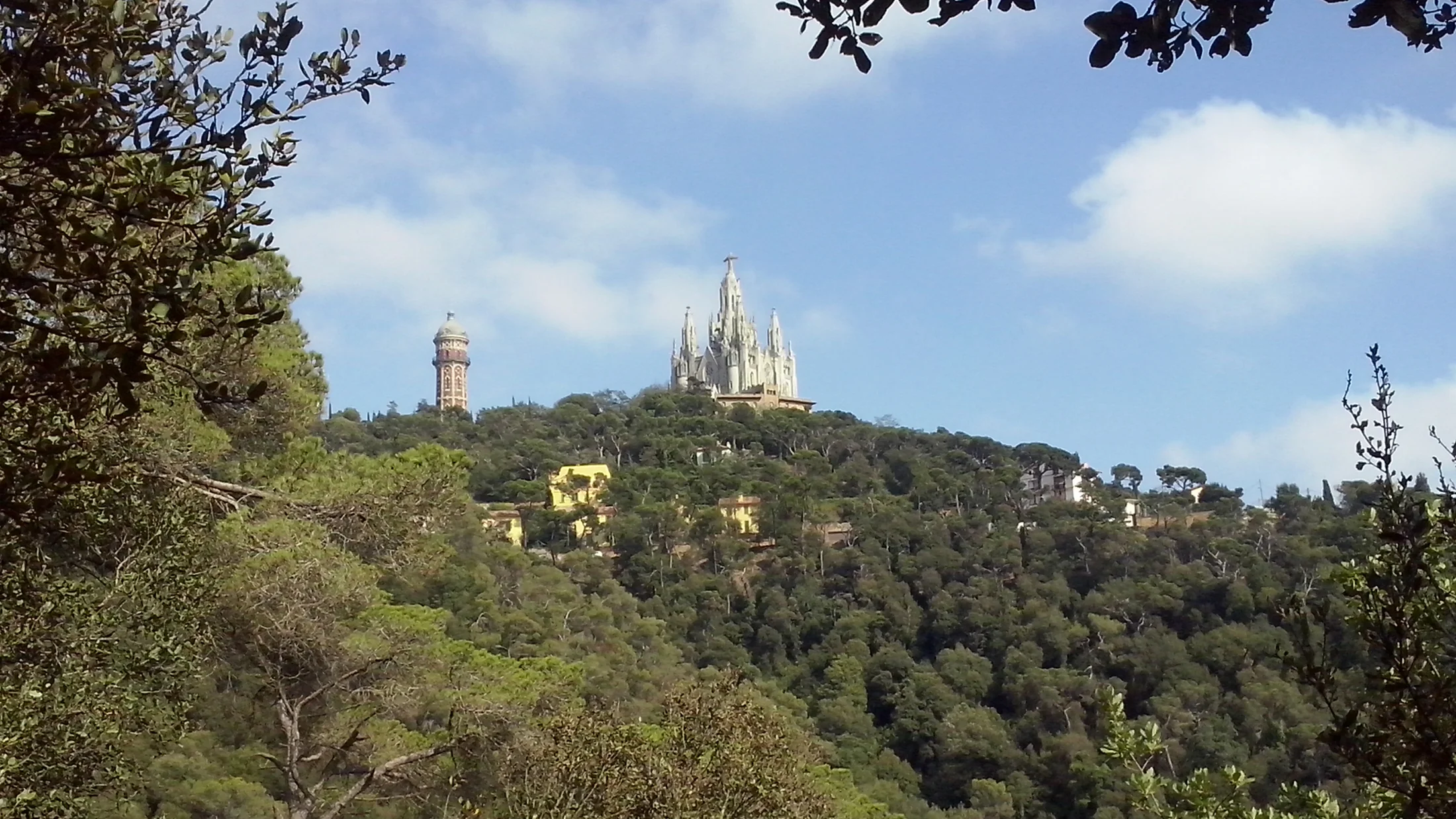
Step into Barcelona’s backyard and swap traffic for birdsong in minutes. The Parc de la Serra de Collserola stretches over 8,000 hectares, with easy rutas de senderismo cerca de Barcelona that start near metro and FGC stops. The dusty sweetness of thyme rises as shoes tap along the Carretera de les Aigües.
- Why go: skyline viewpoints (Tibidabo 512 m), shaded tracks, and year-round access for all levels.
- Ideal 2–3 h plan: loop the
Carretera de les Aigües(7–10 km, flat) or climb from Sarrià to the Tibidabo area for city-and-sea views. - Getting there:
FGC S1/S2to Peu del Funicular (link to Vallvidrera),Metro L3to Mundet for trails toForat del Vent, or buses to Tibidabo. - Difficulty: easy–moderate depending on elevation; many wide tracks for strollers and bikes.
- Biking: gravel and MTB-friendly; respect mixed-use etiquette; e-bikes welcome on main tracks.
- Tips: start early for quiet paths; carry 1–1.5 L water per person in summer; Sundays see more cyclists.
2.Montserrat: signature trails and a sea of stone
Montserrat’s serrated limestone towers are a Catalan icon, with hiking that matches the drama. The route to Sant Jeroni (1,236 m) is a classic medium hike with 600–800 m gain depending on start point. Warm stone holds the day’s heat and smells faintly of dust and rosemary.
- Why go: unique rock formations, the monastery complex, and expansive views to the Pyrenees on clear days.
- Ideal 3–4.5 h plan:
Sant Jeronifrom the upper station (10–12 km round trip), or shorter circuits likeCamí de les Ermites. - Getting there: drive 55–65 min via
A-2/C-55to Monistrol; orR5from Plaça Espanya toMonistrol de Montserrat, then rack railway (Cremallera) orAericable car (total 70–90 min). - Difficulty: moderate; many stairs and rocky steps; avoid slippery sections after rain.
- Crowd tip: arrive before 9:00 or aim for late afternoon light; weekdays are quieter.
- Combine with: monastery visit, farmer’s cheese stalls on weekends, or a short via the
Cami de les Bateriesviewpoint.
3.Sant Llorenç del Munt i l’obac Natural Park: summits and hermitages
This rugged massif rises above the Vallès, with the table-shaped summit of La Mola (1,104 m) drawing hikers. Bells from hidden hermitages echo softly through oak and pine as you climb.
- Why go: accessible mid-mountain hiking, sandstone towers, and the
Monestir de Sant Llorenç del Muntperched on La Mola. - Ideal 3–4 h plan: classic
La Molaroute from Can Robert (8–10 km, 600–700 m gain), or family-friendly loops from Coll d’Estenalles. - Getting there: drive 45–60 min via
C-58to Matadepera or Coll d’Estenalles; by train,FGC S1to Terrassa + local bus/taxi (plan extra time). - Difficulty: moderate, with rocky steps and short scrambles; great training for longer mountain days.
- Equipment: sturdy shoes, wind layer for the summit, poles if knees are sensitive.
- Half-day options: a 2–3 h loop to
Cova del Dracor ridge strolls nearLa Molafor expansive views.
4.Garraf Natural Park: coves, vineyards, and karst landscapes
Garraf spreads between Sitges and Castelldefels with pale limestone, dwarf palms, and vine-clad slopes. Karst means water-sculpted limestone—expect sinkholes, caves, and rocky pavements that feel like frozen waves. Salt on the air sharpens as you crest a limestone ridge above a hidden cove.
- Why go: mix short coastal hikes, inland vineyard tracks, and quiet calas beyond town beaches.
- Ideal 2–4 h plan:
GR-92segments above Sitges’ cliffs, or a loop fromVallgrassaviewpoint through maquis and pine. - Getting there: 35–50 min by car via
C-32;R2 Sudtrains to Sitges or Castelldefels then bus/taxi or longer walk to trailheads. - Difficulty: easy–moderate; sharp rock and little shade—bring good soles, hat, and water.
- Combine with: winery tastings in the Penedès edge, seafood lunches in Sitges, or a swim in Cala Morisca (check access and parking rules).
5.Llobregat Delta: wetlands and birdwatching
Where the Llobregat meets the sea, reedbeds, lagoons, and dunes host herons, terns, and seasonal rarities. A marsh’s hush is broken by the sudden splash of a coot under the hide.
- Why go: flat, family-friendly boardwalks, wildlife hides, and year-round birdwatching with peak migration in spring and autumn.
- Ideal 1–2.5 h plan: loop the hides at
Cal Tet i Ca l’Aranaor theRemolar-Filipinesarea; bring binoculars. - Getting there:
Metro L9 Sud(Parc Nou) + bus,R2 Sudto El Prat + bike, or busesL94/L95/L99; drive 20–35 min with designated parking at reserve gates. - Difficulty: easy; mostly flat boardwalks and compact paths; strollers welcome.
- Protection: stay on paths, respect seasonal closures, and keep quiet near nesting zones.
- Timing: mornings and late afternoons for active birds and softer light; avoid windy midday hours.
6.Castelldefels: wide beach and water sports
Castelldefels offers one of the longest, widest beaches near the city—great for families and first-time water sports. The low hiss of waves on a wide sandbar sounds like a slow exhale.
- Why go: 5 km of sandy shore, shallow entries, and schools that rent SUPs and kayaks in season.
- Ideal 2–4 h plan: morning swim and SUP lesson, promenade walk, and picnic under pines behind the dunes.
- Getting there:
R2 Sudtrains (20–25 min) to Castelldefels Platja; car 25–35 min viaC-31; large parking fills late morning on weekends. - Facilities: showers, lifeguards in season, chiringuitos, and shaded play areas.
- Combine with: short hill walk to the Castell at sunset, or a quick foray into Garraf trails.
- Season tips: in summer, start early to beat winds and crowds; in winter, enjoy empty sands and brisk walks.
7.Sitges: beaches, coastal walks, and heritage
Sitges balances elegant seaside promenades with rocky coves and a lively old town. Sunlight flashes on white facades as surf glints between breakwaters.
- Why go: compact town for car-free days, cultural stops, and access to
GR-92cliff paths. - Ideal 2–4 h plan: beach time plus a round-trip stroll east toward Garraf’s small coves or west toward
Vinyetfor calmer sands. - Getting there:
R2 Sudtrains in about 35 minutes; by car, 35–50 minutes viaC-32. - Difficulty: easy on promenade; moderate on cliff paths with uneven rock and exposure.
- Culture: quick visits to the
Cau Ferratand Maricel area enrich the day; check open hours. - Bike-friendly: seaside paths suit casual riders; avoid peak promenade crowds with early starts.
8.Maresme (mataró–calella): beaches and coastal paths
North of Barcelona, the Maresme offers long beaches, sandy promenades, and small-town rhythms. The smell of salty sunscreen and grilled sardines drifts over evening paseos.
- Why go: easy
R1train access, varied beaches, and hillside lookouts above towns like Mataró, Arenys, and Canet. - Ideal 2–4 h plan: swim-and-stroll in Mataró or Arenys, then a short
GR-92segment between towns; for views, climb local lookouts above Calella. - Getting there:
R1to Mataró (40–45 min) and to Calella (55–65 min, plan early to stay under an hour with faster services); car 35–60 min viaC-32. - Difficulty: easy on promenades; moderate if you add short hill paths.
- Season tips: summer mornings for calmer seas; winter for empty promenades and bright light; shoulder seasons for best hiking temperatures.
9.Montseny: forests, viewpoints, and mid-mountain routes
Montseny’s protected massif shelters beech, oak, and chestnut forests with higher peaks catching fog and winter frost. Damp leaves smell like tea and earth on shaded switchbacks.
- Why go: diverse ecosystems, mid-length routes, and classic Catalan mountain scenery less than an hour’s drive to southern trailheads.
- Ideal 3–5 h plan: circuits around
Turó de l’Homeflanks or beech loops nearSanta Fe(check winter access); shorter family walks to lookouts aroundFontmartina. - Getting there: car 55–70 min via
AP-7to Sant Celoni or La Garriga trailheads; trains to Sant Celoni + taxi or bus for selected entries (plan extra time). - Difficulty: easy–moderate; steeper sections at altitude; watch for mud, ice, and fog.
- Season tips: autumn foliage, spring flowers; summer needs early starts and plenty of water; winter requires layers and traction awareness.
10.Serralada Litoral Natural Park: cliffs and coastal ridges
Just inland from the Maresme, these ridges roll above the sea with heather, cork oak, and holm oak stands. A brisk wind tastes faintly of salt even miles from the shore.
- Why go: close-to-city ridge walks, big views, and photogenic rocky outcrops like Turó de Galzeran (484 m).
- Ideal 2–4 h plan: loops from Alella, Tiana, or Premià de Dalt connecting to the
GR-92inland variant; sunrise and sunset shine here. - Getting there: car 25–40 min via
B-20/C-31to coastal towns and short drives inland; trainsR1plus local buses or uphill walks. - Difficulty: easy–moderate; rolling paths with occasional steep pitches; sun-exposed—bring hat.
- Combine with: small beaches below or wine tasting in Alella’s D.O. vineyards.
11.Montnegre i el Corredor: quiet forests and viewpoints
North of the Serralada Litoral, this park offers wilder, less-crowded trails through cork oak and pine, with chapels and lookouts like Santuari del Corredor. The forest smells of damp bark after a brief shower, clean and sharp.
- Why go: tranquility, long-view ridges, and shady summer options.
- Ideal 2.5–4.5 h plan: loop to
Santuari del Corredorfrom Llinars or Dosrius (10–14 km, moderate), or shorter family rambles near Vallgorguina. - Getting there: car 45–60 min via
C-32/AP-7;R2/R1trains to Llinars/Vilalba or Arenys + taxi or bus for trail access. - Difficulty: easy–moderate; gentle grades with occasional longer climbs; good for mixed groups.
- Tips: carry enough water, as fountains are scarce; weekdays feel almost private.
12.Besòs River Park: urban nature and family activities
Running along the lower Besòs, this green corridor mixes wetlands, bike paths, and play areas right at the city’s edge. Bicycle bells tinkle softly over the steady murmur of the river.
- Why go: flat, accessible space for walking, running, cycling, and easy birdwatching; great for kids and multigenerational outings.
- Ideal 1–2 h plan: out-and-back bike ride (10–20 km, flat) or a stroller-friendly walk with bird stops.
- Getting there: metro and tram connections to Sant Adrià; direct bike access from city lanes; car parking near park entrances.
- Difficulty: easy; paved or compact gravel; shade varies—bring sun protection.
- Combine with: beachfront snacks in Sant Adrià or Poblenou, or a quick swim at nearby beaches.
Top Activities Across These Landscapes
You can craft a day around movement, observation, or both. Fresh rosemary crushed underfoot releases a clean, citrusy note that sticks to your hands.
-
Hiking:
- What to expect: waymarked routes from 3 to 12 km, with elevation gains from flat (Delta, Besòs) to 600–900 m (Montserrat, Sant Llorenç).
- Skill level: beginners thrive on boardwalks and promenades; intermediates handle rocky steps and heat management.
- Gear: trail shoes, 1.5–2 L water, hat, map/app, poles for descents, headlamp for early/late starts.
-
Cycling and MTB:
- Options: river paths (Besòs) for families, gravel loops in Collserola and Serralada Litoral, longer mixed-surface rides linking coast and ridge.
- Skill level: from casual urban riders to confident gravel cyclists.
- Gear: helmet, repair kit, lights, and spare tube; e-bikes make ridges accessible.
-
Birdwatching:
- Where: Delta del Llobregat, Besòs wetlands, and coastal lagoons; peak in spring and autumn.
- Skill level: beginner-friendly with hides and signage; patience pays off.
- Gear: binoculars (8x–10x), field guide app, neutral clothing, and quiet shoes.
-
Water sports:
- Where: Castelldefels and Sitges for SUP, kayak, and in-season kitesurf; quiet mornings are best.
- Skill level: SUP/kayak are beginner-friendly; kitesurf needs instruction and wind awareness.
- Gear: swimwear, rashguard, sunscreen, and water shoes; confirm wind and flags.
-
Photography and slow culture:
- Where: Garraf cliffs at golden hour, Montserrat ridgelines, Montseny beech shade, Sitges promenade at blue hour.
- Skill level: all levels; timing and light matter more than technical terrain.
- Gear: compact camera or phone, microfiber cloth, spare battery; respect protected areas.
-
Landscape-linked culture:
- Options: vineyard stops near Garraf and Alella, monastery visits at Montserrat and La Mola, coastal cuisine in Sitges or Maresme.
- Tip: keep activities short and layer a cultural pause after the hike to balance the day.
Plans by Audience: Families, Couples, Adventurers, and Pets
1.Families: safe plans with kid-friendly activities
Keep outings simple, shaded, and near services. The soft thud of little feet on boardwalks feels like a drumroll for discovery.
- Best picks:
- Collserola’s
Carretera de les Aigües(flat, stroller-friendly sections). - Besòs River Park (play areas, bikes, easy bird stops).
- Castelldefels beach (wide, shallow, lifeguards in season).
- Collserola’s
- How to adapt: limit walks to 60–90 minutes with snacks every 45; pick loop routes; schedule playground time as a reward.
- Gear: hats, high-SPF sunscreen, light long sleeves, 1 L water per child, spare clothes for beach/wetland plans.
- Access: trains
R2 Sudfor Castelldefels and easy return; metro/tram for Besòs;FGCto Collserola starts. - Comforts: prefer toilets and shaded benches; for planes al aire libre cerca de Barcelona with toddlers, choose morning slots and end with an ice cream near the station.
2.Couples: romantic escapes and viewpoints
Choose golden-hour viewpoints and compact towns with good dining. A clink of glasses after sunset on a quiet ridge tastes sweeter for the walk that earned it.
- Best picks:
- Montserrat late afternoon to
Sant Jeronior a shorter hermitage circuit, then monastery lights at dusk. - Serralada Litoral ridges above Alella for a picnic, then a winery tasting.
- Sitges promenade at blue hour and cliff path glimpses before dinner.
- Montserrat late afternoon to
- Timing: start 2–3 hours before sunset; carry a headlamp for safe descent.
- Gear: compact blanket, light jacket, and a thermos; keep packs small for comfort.
- Add-ons: book a table near the sea in Sitges or a bodega in Alella; make dinner times flexible in case light is too good to leave.
3.Adventurers: demanding routes and outdoor sports
Chase elevation, exposure, and wind-driven sessions with credible safety margins. The grit of sandstone on fingertips tells you the day is real.
- Best picks:
- Sant Llorenç
La Molavia steeper approaches; add short scrambles as conditions allow. - Montseny 12–15 km circuits around
Matagallsflanks or beech ridges nearSanta Fe. - Castelldefels for wind-driven kitesurf or long SUP downwinders when flags and forecasts align.
- Sant Llorenç
- Technical notes: trail running on rocky paths demands proprioception; light scrambling is common near Sant Llorenç; water sports require reading wind and beach flags.
- Safety: carry a small first-aid kit, foil blanket, and whistle; log routes offline.
- Guidance: local schools and certified guides operate in season—look for instruction if trying new sports and confirm permit needs for organized events.
4.With pets: friendly options and rules to respect
Dogs love these outings when heat, water, and rules are managed. A happy pant and wagging tail at a forest spring can make the whole day.
- Pet-friendly picks: Collserola wide tracks, Serralada Litoral ridge paths, Montnegre forest loops, and the Besòs bike path edges.
- Rules: keep dogs leashed where signed and during nesting seasons; avoid sensitive dunes and wetlands; pack waste out.
- Heat and water: walk at dawn/dusk in summer; bring 0.5–1 L water per medium dog per hour; rest on cool soil.
- Transport: check Renfe/FGC pet policies; small dogs often ride free in carriers; larger dogs may need muzzles in trains.
- Alternatives: if beaches restrict dogs in peak season, use designated dog-friendly sections or shift to forest plans.
Practical Tips for Safety, Permits, Gear, and Care
Preparation keeps a simple day from going sideways. The dry rasp of cicadas is a summer metronome that reminds you to slow down and drink.
-
Weather and timing:
- Check forecasts and wind (especially for coast and ridges).
- In summer, start early; plan shade breaks and carry 1.5–2 L water per adult for moderate hikes.
- Shoulder seasons need layers; winter adds traction care in Montseny.
-
Navigation:
- Use map apps with offline layers; note route codes like
GR-92or localPR/SLtrails. - Screenshot public transport timetables in case of signal gaps; mark return options.
- Use map apps with offline layers; note route codes like
-
Permits and regulations:
- Day hiking typically needs no permits.
- Organized events, commercial guiding, group climbs, drone use, and wild camping often require approvals—check each park’s official pages (e.g., Montserrat, Montseny, Sant Llorenç, Garraf).
- Fire bans and seasonal closures happen in high-risk summers; obey signage.
-
Gear basics:
- Footwear with grip, sun hat, sunglasses, SPF 30+, small first-aid kit, emergency blanket, headlamp, and whistle.
- Birding: binoculars, quiet clothing.
- Water sports: rashguard, reef-safe sunscreen, and strap for sunglasses.
- Cycling: helmet, lights, multitool, spare tube.
-
Food and water:
- Carry salty snacks, fruit, and at least one main snack per hour of activity.
- Refill only at marked potable fountains; in summer assume none are running on ridges.
-
Respect and leave no trace:
- Stay on marked paths, pack out all waste, minimize noise near wildlife, and never pick plants.
- Thank local communities with mindful parking and purchases; avoid blocking farm tracks.
- Fire safety is non-negotiable; no flames outside authorized areas, ever.
-
Emergency:
- Save local emergency number 112; share your plan with someone; know your location using coordinates if needed.
Frequently Asked Questions About Nature Near Barcelona
What are the best outdoor plans near Barcelona by season?
Match landscapes to light, temperature, and crowds for the best results. The first chill of autumn on a beech trail feels like a hand on the shoulder telling you to slow down.
- Spring and autumn: prime for hiking near Barcelona—Montserrat to
Sant Jeroni, Sant Llorenç’sLa Mola, Serralada Litoral ridges, and Montnegre forests; temperatures are mild and views crisp. - Summer: favor coast and wetlands—Castelldefels for morning swims and SUP, Sitges for evening promenade walks, Garraf’s
GR-92at dawn, and Delta del Llobregat boardwalks with hats and water. - Winter: forests and promenades shine—Montseny’s lower beech loops on clear days (watch ice), Collserola tracks with city views, and quiet Maresme beaches for long, sunny strides.
For day trips from Barcelona under 1 hour, choose early or late slots in peak months and keep midday plans flat, shaded, or on the water.
Is it possible to hike without a car and how long does it take?
Yes—most coastal and several mountain edges are train-accessible. The rhythmic clatter of wheels on tracks sets you up calmly for the trail.
- Fast coastal options:
R2 Sudto Castelldefels or Sitges (20–35 min),R1to Mataró (40–45 min); walk 5–20 minutes to promenades or pick up theGR-92. - Wetlands and rivers: Metro
L9 Sudplus bus for Delta del Llobregat (under 45 min), tram/metro for Besòs River Park (20–35 min). - Mountains:
FGC S1/S2to Sant Cugat or Terrassa for Collserola edges (20–45 min);R5to Monistrol then rack railway for Montserrat (70–90 min overall).
To keep excursions desde Barcelona a menos de una hora, choose coast and Collserola starts by train; for Montserrat and Sant Llorenç, driving is typically the only way to stay under 60 minutes door to trailhead.
Do I need permits for any Natural Park near Barcelona?
Casual day hiking on marked trails rarely requires permits. A quiet sign tapping in the breeze at a trailhead reminds you to read before you go.
- Permits are commonly needed for: organized events, commercial guiding, group activities beyond set sizes, specific climbing areas, and any overnight stays outside designated sites.
- Camping: wild camping is generally prohibited; use official campgrounds or mountain huts that require booking.
- Drones and fires: strict regulations apply—assume drones are restricted and fires banned outside authorized spots.
- Where to check: official pages for Montserrat, Montseny, Sant Llorenç del Munt i l’Obac, Garraf, and local councils provide up-to-date rules; contact park offices by email or phone if uncertain.
Print or save confirmations on your phone so you can show rangers if asked.
What basic gear should I bring for a one-day escape?
Keep it light and functional so you can move easily and safely. The cool touch of aluminum from a water bottle against your cheek tells you it’s doing its job.
- Essentials: grippy footwear, 1.5–2 L water (more in summer), snacks, sun hat, sunglasses, SPF 30+, map/app (offline), small first-aid kit, headlamp, whistle, and a light wind layer.
- Hiking: add poles if knees prefer; carry extra socks in wet zones.
- Cycling: helmet, lights, multitool, spare tube, and pump/CO2.
- Water sports: rashguard, water shoes, towel, dry bag; check wind/flag conditions.
- Birdwatching: binoculars, neutral clothing, and notebook or app to log sightings.
Pack waste bags and a small sit pad for breaks; re-check weather one hour before departure.
How do I travel with pets and what rules should I follow?
Plan for heat, water, and regulations to keep outings safe and welcome. A dog’s happy shake after a creek sip sends bright droplets into the dust.
- Basics: leash, ID tag and microchip, collapsible bowl, 0.5–1 L water per hour for medium dogs, and waste bags.
- Where to avoid: dunes and wetlands nesting zones; respect seasonal dog bans on some beaches—look for signed pet-friendly sections.
- Transport: trains often allow pets under set rules; small dogs in carriers typically ride free; larger dogs may require a muzzle and leash—check Renfe/FGC policies in advance.
- Trail etiquette: yield to others, keep dogs close on narrow paths, and avoid wildlife disturbance.
If in doubt, call the local council or park office the day before and confirm current restrictions.
Book your experience — discover verified outdoor activities across Spain with Picuco’s trusted providers.
Conclusion
Within an hour of Barcelona, you can choose forests, cliffs, wetlands, and wide beaches—enough variety to fit any season, skill level, or mood. The last glow on a ridge or the quiet after a beach swim lingers long after the day ends. Use this guide’s sections to pick by landscape and season, check duration and difficulty, and choose transport that keeps your plan simple. The 12 featured places cover quick family strolls, medium mountain hikes, coastal rides, bird hides, and water sessions, all with clear timing, access, and local context.
Before you go, review the practical tips and FAQs, confirm schedules on Rodalies/FGC/TMB apps, and download offline maps. If a short day turns into a weekend, the suggested stay areas make it easy to extend without backtracking. We would love to hear how your one-day escapes evolve—share your routes, photos, and small discoveries that made the day special. And when you are ready for your next step outdoors, keep exploring with Picuco to find new ways to experience these landscapes respectfully and at your own pace.