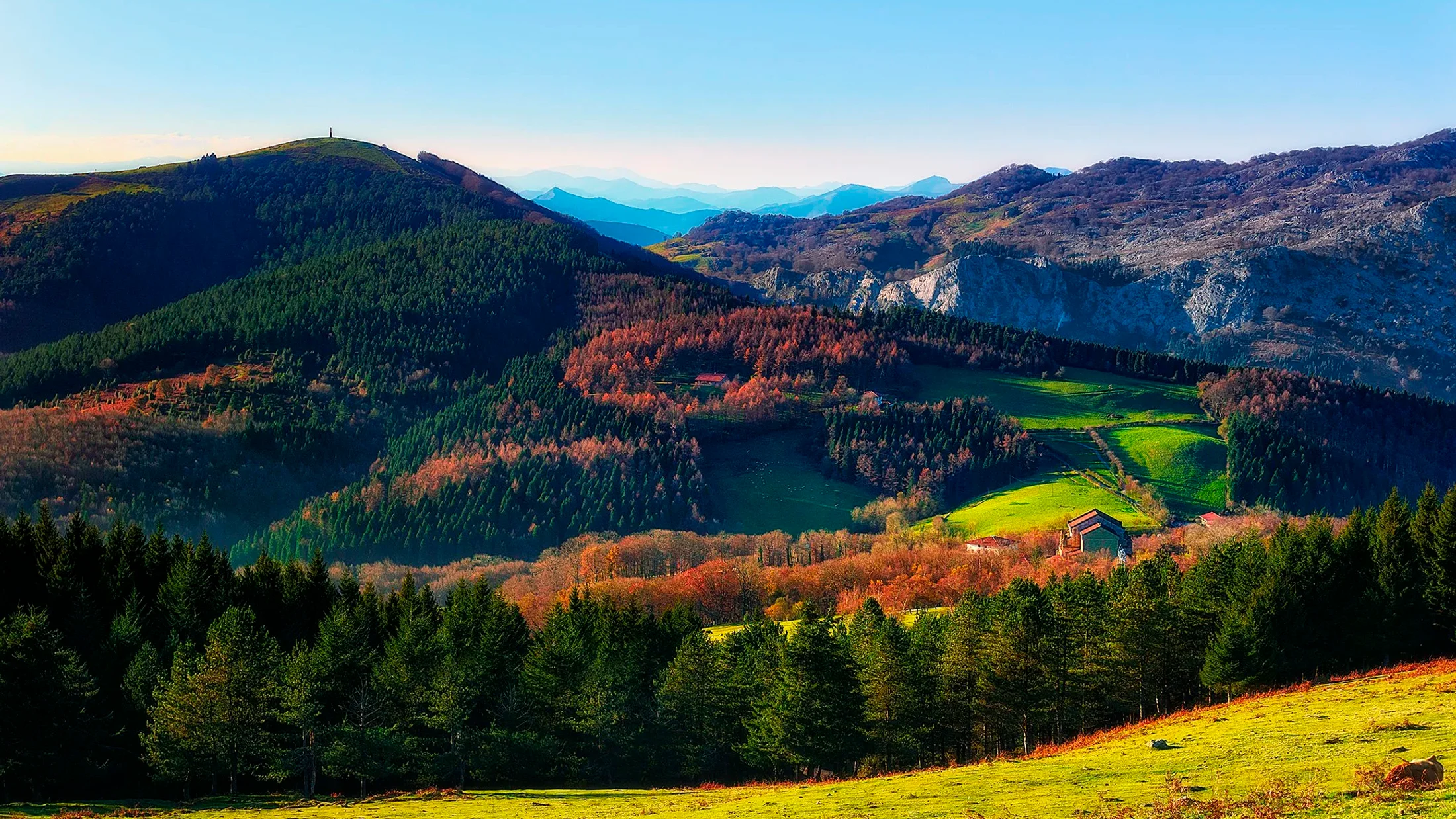
Why This Corner of the Basque Coast Is Made for Walkers
Hiking near Bilbao is refreshingly simple: city energy in the morning, ocean cliffs by noon, and green summits by sunset. You are less than an hour from beaches, marshlands, and rolling mountains, so you can stitch short walks and full-day treks into one long weekend without long drives. Salt on the wind, fern-scented paths, and the boom of Atlantic surf sit surprisingly close together. Use this guide to pick eight standout routes, understand seasons and logistics, and choose where to stay—whether in Bilbao or in small coastal towns with easy access to trailheads.
If you are new to the Basque Country, picture a compact geography packed with contrasts. West of Bilbao rise beech and oak ridges; north, the coast fractures into headlands, coves, and long dune-backed beaches; east, the flysch—a layered rock “lasagna” formed over millions of years—spreads beside Zumaia and Deba. We focus on a balanced list: quick coastal strolls, classic summits, and family-friendly loops. You’ll find estimated distances, elevation, and times, with honest difficulty notes so you can plan at your own pace. Sunlit sandstone, wet grass underfoot, and gulls calling over harbors sketch the backdrop in a single sensory sweep.
Weekend planners can mix an urban afternoon in Bilbao with an easy sunset climb to Artxanda, then a cliff walk the next day. Families will appreciate beach-linked promenades with cafés and lifeguards in season. Photographers can chase golden-hour viewpoints over Sopelana and Barrika or time a low-tide visit to the flysch outside Zumaia. In spring or autumn, cooler air and steadier weather make ridge walks a pleasure; in summer, longer days invite dawn starts and late swims. Bring a light waterproof layer year-round, check local tide tables if you head to the rock platforms, and keep an eye on coastal wind forecasts. Pick two or three routes from our list, add a stop in Mundaka or Bermeo, and you have a memorable 1–3 day escape where logistics stay light, and nature does the heavy lifting.
Picuco te puede ayudar
Does something here catch your eye?
Tell us.
Write to us on WhatsApp or email: we answer questions, find the best options and help you sort out the booking.
What To Know Before You Lace Up
Start with the map in your head: Bilbao sits inland on the Nervión estuary, 12–25 km from the coast of Bizkaia (Biscay). To the north lie Sopela, Plentzia, and Gorliz—perfect gateways for Bilbao coastal hikes. Northeast spreads Urdaibai, a UNESCO Biosphere Reserve of marshes, dunes, and oak slopes tucked around Gernika, Mundaka, and Ibarrangelu. Farther east, beyond the provincial line in Gipuzkoa, the famous flysch of Zumaia and Deba forms a natural extension of these coastal trails. The region’s compact scale keeps drives short: 25–45 minutes to Sopela or Bakio, 45–60 minutes to Urdaibai, and roughly 70–80 minutes to Zumaia.
Weather is oceanic and changeable. Expect mild winters (average highs 11–14°C) and warm, not scorching summers (24–27°C), with frequent showers spread across the year. Spring (April–June) and autumn (September–October) are sweet spots for hiking near Bilbao: fewer crowds, crisp air, and green hills after rain. Summer brings long light for coastal sunsets and inviting water temperatures, but parking and paths near beaches can be busy. Winter is photogenic along cliffs when swells pound, though trails can be muddy and slippery, and winds may shut exposed segments. For flysch viewing, low tide is essential and high swell days are risky—rock shelves become slick and waves unpredictable.
Plan by duration and effort rather than distance alone. Typical half-day outings run 4–10 km with 150–400 m of elevation gain, taking 2–4 hours. Full-day routes stretch 12–20 km with 500–1,000 m of gain, taking 5–8 hours. We label easy when gradients are gentle and footing solid; moderate when climbs stack up or surfaces vary (sand, cobbles, roots); and demanding when elevation passes 700 m, exposure to wind increases, or navigation is more involved. On cliff paths, steps and short steep ramps can quickly add effort even on short maps.
Getting to the trailheads without a car is feasible. Metro Bilbao line L1 runs to Sopela and Plentzia, putting you within a 10–20 minute walk of beaches and promenades; trains run frequently most of the day. Euskotren services connect Bilbao with Bermeo (for Urdaibai) and with Zumaia via the Bilbao–Donostia line, though allow around 2 hours for the latter and check weekend schedules. Renfe Cercanías links Bilbao with inland towns on lines C1–C3, helpful for some mountain approaches. Bizkaibus regional buses serve Bakio, Bermeo, and the Gaztelugatxe area, with summer capacity controls and, at times, dedicated shuttles to manage visitor numbers. If you drive, arrive early on summer weekends, expect regulated parking near popular spots, and carry coins or a card for pay zones.
Safety is straightforward: stay behind railings on cliff tops, keep dogs leashed where signed (especially in nesting zones), and treat wet wooden steps as you would ice. On exposed ridges like Oiz or Ganekogorta, weather turns quickly; pack a windproof layer, hat, and extra water even on short ascents. For the flysch, consult local tide tables and avoid venturing on platforms under rising tides or big swell. Tread lightly in marshes and dunes—these are living systems where vegetation stabilizes the coast, and stray footprints can undo years of restoration in a few seconds. The air often smells of salt and damp soil, a quiet reminder that the ocean and mountains are close neighbors here. Use this baseline to choose the right day, pace, and gear, and you’ll keep your walking focused on views, not hiccups.
Where To Stay: Urban Convenience Or Coastal Calm
Base yourself in Bilbao if you want museums, food, and transport at your doorstep. From the city center you can take the metro to Sopela or Plentzia in under an hour, then return to pintxos and riverside walks before bed. Hotels and B&Bs cluster around Abando, the Old Town (Casco Viejo), and Indautxu, giving you quick access to the funicular for Artxanda’s viewpoint. Nightlife hums late on weekends, so light sleepers may prefer rooms on quieter streets or across the river. From rooms above cafés drifts the smell of roasted coffee as the city wakes.
Choose a coastal base if you plan back-to-back seaside hikes. These towns put you near beaches, headlands, and family-friendly services:
- Sopelana (Sopela): Ideal for the Sopelana–Barrika cliffs, surfing schools, and quick metro back to Bilbao.
- Plentzia and Gorliz: Calm bay, boardwalks, kayak rentals, and an easy link to lighthouse paths.
- Mundaka and Bermeo (Urdaibai): Perfect for marsh walks and birdwatching, with fishing-town ambience and boat-view harbors.
- Zumaia (Gipuzkoa): Best for the flysch Zumaia hike and cliff viewpoints, with trains east and west.
Rural guesthouses and agroturismos around Urdaibai—think Gautegiz Arteaga, Ibarrangelu, or near Laida—offer quiet bases with parking and short drives to dunes and bird hides. For Gaztelugatxe, look around Bakio or between Bakio and Bermeo; capacity rules and parking controls near the hermitage area make a nearby bed a stress-saver on summer weekends. The distant thud of waves at night feels like a heartbeat in the dark.
When deciding, weigh:
- Transport: Metro or Euskotren access versus car-only spots.
- Parking: Regulated zones near beaches and Gaztelugatxe; early starts help.
- Food: Pintxo bars in Bilbao or seafood restaurants along the ports.
- Ambience: City buzz or seaside quiet; kid-friendly promenades or mountain trailheads.
Book early for July–August and around Bilbao’s Aste Nagusia (late August), when rooms surge in demand. Spring and autumn weekends are popular with walkers; midweek stays can mean emptier paths and easier tables at sought-after eateries. If your plan includes dawn tides for the flysch, staying in Zumaia or nearby shortens wake-up times and keeps logistics simple.
Eight Highlight Routes Between Coast, Marsh, And Mountain
Sopelana–barrika: cliffs, beaches, and an easy coastal traverse
This Sopelana Barrika sendero follows the top of dramatic cliffs with stair spurs to beaches like Atxabiribil, Arrietara, and Meñakoz. The classic one-way section is 4–5 km (8–10 km return), 100–200 m total ascent, and takes 2–3 hours with photo stops; difficulty is easy–moderate due to steps and short ramps. From Sopela metro station (L1), walk 15–20 minutes to the beaches; by car, park near Atxabiribil early on weekends. The air tastes of sea spray as long sets roll onto the sand below.
Highlights include balcony viewpoints over layered strata and sunset light raking the coastline. Surfers will find consistent Atlantic swells at Sopela; check flags and avoid rip currents if you swim. Photographers: the golden hour between Sopela and the Barrika cove gives the best textures on the rock shelves from above—stay behind railings and never drop onto platforms at rising tide. Variants: shorten with a loop linking Meñakoz beach steps or extend beyond Barrika’s viewpoint along the signed clifftop path. In summer, carry water and sun protection; in winter, expect wind and occasional spray on exposed corners.
San Juan de Gaztelugatxe: steps to a storied hermitage
The San Juan de Gaztelugatxe ruta is a short, steep classic: 3–4.5 km round trip depending on parking, 200–250 m ascent, 1.5–2.5 hours with the visit. You descend to the isthmus and climb roughly 241 stone steps to the hermitage, ringing the bell three times for good luck if open. Capacity is managed; on specific dates and seasons a free time-slot ticket is required, and temporary closures happen after storms or for maintenance—check official notices before you go. Sea wind carries a hint of salt and wild thyme up the stairway.
Access is between Bakio and Bermeo via the BI-3101, with regulated parking areas that fill on summer weekends. Bizkaibus lines reach Bakio and Bermeo, with seasonal shuttle services closer to the start. For photos, early morning light on the bridge and the islet is superb, and late afternoon works well from clifftop viewpoints. Combine the walk with coastal strolls around Bakio’s beach or Bermeo’s port for a half-day plan. Safety notes: keep off exposed edges, watch for slippery cobbles after rain, and avoid stray paths that cut the protected slopes. If crowds are heavy, wait for gaps on the stairs to pass comfortably.
Urdaibai – El Puntal and Laida: marshes, birds, and sweeping sands
These Urdaibai rutas are flat, family-friendly circuits beside tidal marshes, dunes, and long beaches. Expect 5–9 km of easy walking on sand, tracks, and boardwalks in 2–3 hours, with negligible elevation. Start near Laida beach (Ibarrangelu) or from the sandspit of El Puntal across the Mundaka estuary; parking is regulated in season, and trains to Mundaka/Bermeo (Euskotren) plus short buses put you close without a car. Low tide reveals ribbed sand and shallow channels that glint like quicksilver.
Bring binoculars: spring and autumn migrations bring waders and waterfowl; winter holds herons and egrets, and ospreys pass through in shoulder seasons. The Urdaibai Bird Center (near Gautegiz Arteaga) offers exhibits and hides; check opening hours before visiting. From the beaches you can loop to marsh viewpoints or follow marked dunes paths, staying on allowed routes to protect fragile plants. Combine your walk with lunch in Mundaka overlooking the left-hand wave, or with a harbor stroll in Bermeo. Dogs must be leashed in signed zones, especially during nesting periods; carry a light windbreaker as breezes funnel along the estuary.
Zumaia – The flysch cliffs: geology on the edge
The flysch around Zumaia and Deba stacks sedimentary layers like pages in a stone book, recording 60+ million years of earth history. A popular option is a 6–8 km cliff-top loop from Zumaia’s Itzurun beach via Algorri and back in 2–3 hours, graded easy–moderate for short climbs and steps; the full cliff path toward Deba stretches much farther for experienced hikers. Keep off rock platforms unless at low tide and in calm seas—sneaker waves and slick algae make footing treacherous. The cliffs smell faintly of seaweed and wet limestone after showers.
Guided walks and boat tours operate in season, adding context on the K–Pg boundary layer and how flysch forms (sandstone and marl alternating under ancient sea cycles). If you search “flysch Bilbao,” you’re likely weighing transport; from Bilbao allow about 75–90 minutes by car via the AP-8 or roughly 2 hours on Euskotren with a change. In Zumaia, start at Algorri visitor area or by the hermitage of San Telmo above Itzurun for sweeping views. Precautions: watch children at cliff edges, time your visit to low tide for the best rock-platform perspective (if safe), and wear shoes with grip. On windy days, the viewpoint walk alone gives plenty.
Monte Artxanda: a city summit for all
Artxanda is Bilbao’s balcony: a short, rewarding climb or a quick funicular ride to a 300 m ridge above the river. If you walk from near Zubizuri or Castaños, plan 4–6 km round trip with 200–300 m ascent in 1.5–2.5 hours on paved paths, steps, and park tracks; difficulty is easy. Families can ride the funicular and wander sculpture-dotted viewpoints and playgrounds before looping back on foot. City sounds fade to birdsong as the breeze carries the aroma of pine and cut grass.
Timing is everything here. Go at sunrise for a quiet cityscape or at sunset when the Guggenheim and estuary glow. There are cafés and restaurants near the top for a relaxed finish. In summer, start early to avoid heat reflecting from pavements; in winter, bring a layer for wind exposure on the ridge. If you want a longer urban-green loop, connect parks on either flank and return along the river path. Railings and wide promenades make this comfortable for strollers, but steps are frequent—consider a carrier for small kids rather than a buggy.
Ganekogorta from La Arboleda: a classic Biscay mountain day
Ganekogorta, at 998 m, stands over Bilbao’s southern skyline and rewards with far-ranging views to the sea on clear days. From La Arboleda (Zugaztieta), expect 12–16 km round trip with 700–900 m of ascent, 5–7 hours, rated demanding for sustained climbs and exposed stretches in wind. You’ll pass old mining lakes, switchbacks through heather and grass, and reach a ridge where weather rules the pace. Heather brushes your calves and the air smells of peat after rain.
La Arboleda is reachable by road from the A-8 or via the historic La Reineta funicular from the valley; check operating hours if you plan to arrive car-free. Pack a windproof, warm layer even in summer; cloud and gusts are common on the summit ridge. Understorm forecasts, reconsider—lightning risk on exposed tops is real. Variants include starting from Alonsotegi for a shorter but steeper push or linking nearby tops if conditions are benign. Navigation is straightforward in good visibility but bring a map app or GPX backup; in fog, stay on the main trod and avoid dropping into unknown gullies.
Plentzia–gorliz: mellow beaches and a lighthouse ridge
This is the go-to family coastal stroll: an easy seaside path with the option to climb to Gorliz lighthouse on a moderate detour. The flat Plentzia–Gorliz promenade is 4–5 km return, 1–1.5 hours; add the lighthouse ridge for a 7–9 km loop with 200–300 m ascent in 2–3 hours. Boardwalks, cafés, playgrounds, and summer lifeguards make it ideal for beginners. At low tide, the bay smells faintly of iodine and dune grass as waders pick along the shallows.
Arrive by Metro Bilbao L1 to Plentzia and start right from the station; parking exists near both beaches but fills on warm weekends. For the lighthouse, follow signed paths up the headland to viewpoints and old bunkers, minding steps and drop-offs on cliff edges. Picnic spots abound, and seafood places line the promenade. Extend your walk along the estuary boardwalks inland, or rent kayaks in season for a different angle on the bay. In winter, winds can be brisk on the headland; in summer, carry water and sun protection.
Monte Oiz: wind, sky, and Biscay’s inland panorama
At 1,026 m, Oiz is a broad-backed summit crowned with antennas and wind turbines, famous for open views across Bizkaia to the sea. The common approach from near Azpiko Oiz parking makes a 8–10 km round trip with 400–500 m ascent in 3–4 hours, moderate for gradients but exposed to wind. The ridge path rolls over short climbs on pasture and track, with boggy patches after rain. Larks rise in looping songs and the wind hums against fence wires.
Access is by car via rural roads from Durango or Markina-Xemein; in winter, ice can linger on shaded bends, so drive cautiously. Pick a clear day—cloud caps the ridge easily and steals the payoff. Layer for strong breezes even in warm months and watch lightning forecasts carefully. Families with sturdy walkers can manage the lower ridge to early viewpoints, turning back before the steeper final slopes if needed. Trail shoes suffice in dry spells; in wet, boots keep ankles and socks happier. Respect gates and livestock; greet shepherds who keep these pastures open with centuries-old rhythms.
What To See Along The Way: Flysch, Viewpoints, Beaches, And Heritage
Coastal geology takes center stage across these walks. The flysch between Zumaia and Deba is a world-class outcrop of alternating hard sandstone and softer marl, laid down in rhythmic cycles on the seafloor and tilted up by later mountain building. When waves erode the softer layers, the harder ones stand as ribs; timing your visit to low tide makes patterns pop from sea level, but cliff-top viewpoints offer a safe panorama in any conditions. If you want science with your scenery, consider a guided interpretation walk or a seasonal boat tour—operators run when seas allow, and it’s wise to confirm schedules close to the date. After rain, the rock has a mineral tang and the sea throws spray far beyond the foam line.
Beaches and swims punctuate these routes. Plentzia–Gorliz’s sheltered bay welcomes families and learners, while Sopela and Meñakoz attract surfers—flags mark safety zones, and lifeguards watch main beaches in summer. Laida’s broad sands face the estuary, with shifting channels under tidal influence; swim only where locals do, and never on the Mundaka bar when the surf breaks. A lightweight microfiber towel, a compact dry bag, and sandals for cobbles transform a hike into a swim-walk. On cliff-top days, keep swims for bays with safe access and avoid goat paths down unstable slopes.
Viewpoints reward patience and timing. Clifftop balconies between Sopelana and Barrika ignite at golden hour, while Gaztelugatxe’s bridge and islet glow best early before crowds arrive. Artxanda’s cityscape changes mood under dawn or dusk skies; Oiz and Ganekogorta demand clear forecasts to pay off. Photographers should bring a polarizing filter to tame glare on water and clouds; a 24–70 mm lens covers most scenes. If you fly a small drone, observe local regulations, no-fly zones, and privacy—many protected areas and busy beaches prohibit flights.
Heritage dots the coast and hills. At Gaztelugatxe, the hermitage—rebuilt multiple times after storms and fires—stands as a devotional sentinel; treat stairs and walls with care. Gorliz’s lighthouse and nearby bunkers speak to maritime navigation and 20th-century defenses. Inland, mining history near La Arboleda shows in terraced ponds and rust-hued soils—remnants of iron extracted for Bilbao’s rise. Stone farmhouses (caseríos) and shepherd routes remind you that these landscapes are lived-in, and today’s paths stay open thanks to local communities’ stewardship. You might catch the faint scent of wood smoke from a hillside hamlet on cool evenings.
Wildlife watching is a quiet joy, especially in Urdaibai. Seasonal migrations pack mudflats with waders; winter herons stand sentinel at channels; ospreys and, occasionally, spoonbills pass through. Keep dogs leashed where signed, avoid flushing birds from feeding or roosting spots, and carry a small trash bag to leave no trace. If you rent kayaks in Urdaibai, stay out of restricted channels and heed rangers’ advice—tidal currents can be stronger than they look. For surfing and SUP, confirm conditions and stick to lifeguarded zones in season. If you prefer culture, build in time for Gernika’s assembly house and Picasso’s story, or pintxo crawls in Bermeo and Bilbao before evening trains home.
To prioritize:
- Photography: target Sopela–Barrika and Gaztelugatxe at sunrise/sunset; flysch at low tide.
- Family time: pick Plentzia–Gorliz, Artxanda, and flat Urdaibai boardwalks.
- Mountain feel: aim for Ganekogorta and Oiz on stable, clear days.
- Birding: plan Urdaibai in spring or autumn with tide-aware timing.
On all routes, stay on marked paths, respect closures, and carry in-carry out—protected status is not a suggestion but a pact with the people and species that live here.
Getting Around And Fitting It All Into 1–3 Days
Short on time? You can build strong itineraries without rushing. Use a digital map app with offline tiles and GPX support; Spain’s official mapping, OpenStreetMap-based apps, and simple tide apps cover 90% of needs. Mark start points, nearby transit stops, and likely food options. With the coast and mountains close to Bilbao, driving time rarely passes 90 minutes, but summer parking requires backups. The smell of warm asphalt at midday shifts to cool sea air in under an hour on these routes.
For a one-day escape from Bilbao:
- Morning: Metro to Sopela; hike Sopelana–Barrika out-and-back (2–3 h).
- Lunch: Picnic on the cliffs or late pintxos back in Sopela.
- Afternoon: Metro to Plentzia; easy bay stroll (1–1.5 h) and swim.
- Return: Metro to Bilbao in time for dinner. Notes: Minimal logistics, all on L1. If winds are high, swap the second walk for Artxanda via funicular.
For a two-day weekend (coast + summit):
- Day 1: Drive or bus to Bakio/Bermeo for Gaztelugatxe first thing (3 h round trip with photos), then continue to Mundaka for lunch and a flat Urdaibai loop near Laida or El Puntal (2–3 h).
- Night: Stay in Mundaka or Bermeo for calm evenings and short morning drives.
- Day 2: Early start to Monte Oiz (3–4 h) or, if weather turns, Ganekogorta from La Arboleda (5–6 h) with an early finish. Transfers: Bilbao–Gaztelugatxe 45–60 min; Gaztelugatxe–Urdaibai 20–30 min; Urdaibai–Oiz 40–60 min. Build slack for parking and café stops.
For a three-day mini-trip (flysch included):
- Day 1: Artxanda warm-up in the morning (1.5–2.5 h), lunch in Bilbao, then metro to Plentzia for an afternoon lighthouse loop (2–3 h).
- Day 2: Drive or Euskotren to Zumaia; time your flysch walk for low tide on a 6–8 km loop (2–3 h). Add San Telmo viewpoint and an evening stroll in town.
- Day 3: Choose between Sopela–Barrika for a sunrise cliff session or Urdaibai’s marsh circuit with binoculars; long lunch in Bermeo or Mundaka before returning to Bilbao. Tips: For Zumaia by train, depart early and check return times. If swell is high, stick to cliff viewpoints and skip rock platforms. If you must compress, drop Artxanda and keep two coastal walks plus Oiz or Ganekogorta.
General logistics:
- Parking: Gaztelugatxe uses regulated areas; reach early on weekends. Beaches fill fast in July–August; consider public transport.
- Tides: For flysch or estuary flats, plan around low tide; a 2–3 hour low-tide window is safest.
- Food and water: Coastal towns offer cafés; mountains do not. Carry 1–2 liters per person, more in summer.
- Gear: Light waterproof, wind layer, hat, real-sole footwear; trekking poles help on muddy slopes.
- Backups: If wind warnings hit the ridges, swap to Urdaibai or Artxanda. If fog eats the flysch, enjoy Zumaia’s viewpoints and museums.
With these building blocks, you can shape a flexible plan that breathes with the Basque weather and still hits the highlights without hurry.
Faqs And Final Notes
What is the best time of year for hiking near Bilbao?
Spring (April–June) and autumn (September–October) offer the best balance of mild temperatures, greener hills, and manageable crowds. Summer brings long days for cliff walks and swims, but plan early starts and expect busier paths and tighter parking near beaches. Winter is atmospheric on ridges and cliffs, yet trails can be muddy and winds strong; pick lower or inland routes when coastal gusts surge. For the flysch Zumaia hike, low tide is crucial to see the rock platforms safely—avoid mid-to-high tide and big-swells days. Rain showers can pass quickly; a light waterproof keeps you moving between sun breaks. If you chase sunrise or sunset light, spring and autumn’s softer angles flatter both cliffs and marshes.
Which route is most suitable for beginners?
Two standouts for first-timers—or families—are Artxanda and Plentzia–Gorliz. Artxanda delivers Bilbao’s skyline from an easy climb (4–6 km round trip, 200–300 m ascent) or via the funicular for a near-effortless viewpoint walk; broad paths and railings keep it comfortable. The Plentzia–Gorliz promenade is flat and stroller-friendly, with cafés, lifeguarded beaches in season, and the option to add the lighthouse loop if energy allows. Aim for 1–1.5 hours on the bay stroll and 2–3 hours if you include the headland. Wear grippy shoes or trainers, carry water, and pack a light layer for wind on the lighthouse ridge. If you want a first taste of cliffs without commitment, try a short out-and-back between Sopelana and Barrika, turning wherever you feel like it.
Can you explore the flysch without technical experience?
Yes—if you stay on the cliff-top paths and time it well. The main signed viewpoints around Zumaia give excellent perspectives with no scrambling. Walking on the flysch platforms at sea level is only safe around low tide and in calm seas; even then, expect slick algae, uneven layers, and occasional surge. If conditions are marginal, skip the platforms and enjoy the overlooks. Guided walks and boat tours operate in season, explaining the geology and managing risk—a good option if you’re unsure about tides or footing. Check local tide tables the day before and the morning of your visit, and keep a strict turnaround time as the sea rises. Good soles, no flip-flops, and a cautious eye are non-negotiable.
What public transport works for these routes?
Metro Bilbao L1 connects the city with Sopela and Plentzia, placing you close to beaches and boardwalks. Euskotren links Bilbao with Bermeo (for Urdaibai) and with Zumaia on the Bilbao–Donostia corridor—allow roughly 2 hours to Zumaia and check weekend headways. Renfe Cercanías lines C1–C3 serve inland towns that can be gateways to hill walks. Bizkaibus regional routes reach Bakio and Bermeo for Gaztelugatxe, with seasonal shuttles nearer the access points in high season; capacity controls can apply, so start early. For planning, use official transport apps and websites (Metro Bilbao, Euskotren, Renfe Cercanías, Bizkaibus), and always check return times before you set off. If you combine modes, keep a buffer between connections; coastal views can tempt you into extra photo stops.
Book your experience — discover active travel in Spain with vetted providers on Picuco.
Conclusion
These eight routes put Bilbao’s best contrasts at your feet: sandstone cliffs, quiet marshes, surf-washed beaches, and wind-scoured ridges. Choose easy promenades for family days, save the summits for clear forecasts, and time the flysch for low tide—small decisions that turn a good walk into a great one. Pack for changeable weather, respect protected zones, greet the people who keep paths open, and leave each place a little better than you found it. If you need one hub, Bilbao makes logistics simple; if you crave sunrise over the sea, base in a coastal town. When you’re ready to add a guided walk, kayak, or surf lesson to your plan, explore options on Picuco and shape a weekend that blends nature and local life at your pace.