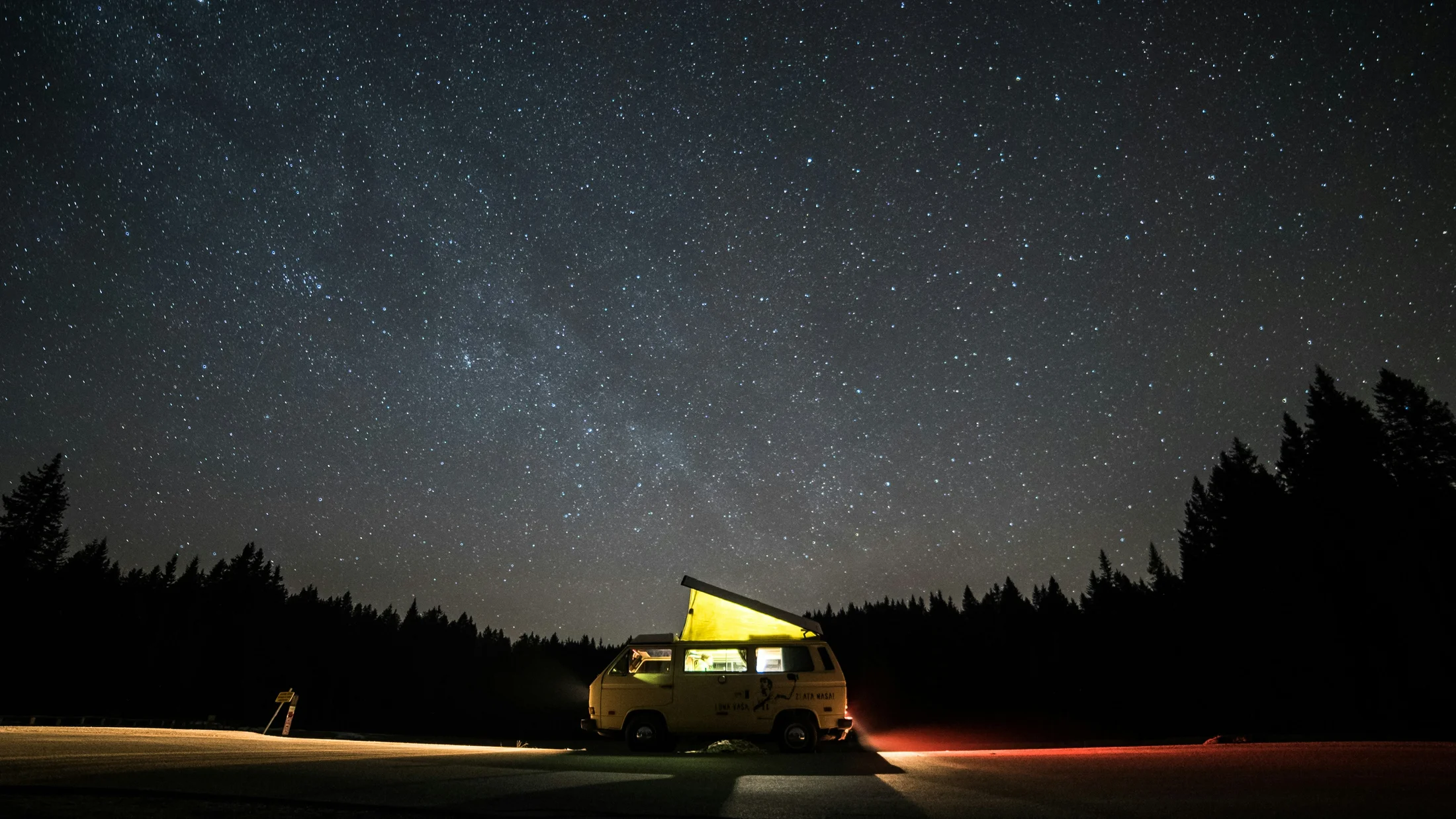
Why Travel Spain By Van?
Hit the road where mountains meet sea and freedom fits in your glovebox. Van routes Spain combine autonomy, nature, and the simple pleasure of moving at your own pace. This guide gives you six curated campervan itineraries across coasts, peaks, and volcanic interiors, each paired with reliable overnight areas and practical tips. One whiff of eucalyptus after rain can turn a drive into a memory.
You will find clear sections on when to go, how to reach each region, where to park and sleep legally, and how to stay safe and respectful. We break down national and local rules, share on-the-ground logistics, and highlight activities for couples, families, and hikers. If you are wondering where to overnight camper Spain without hassle, you will leave with a plan.
The rise of van travel across Spain
More travelers choose routes in furgoneta in Spain to weave beaches, forests, and villages into one seamless trip. Northern regions run green and wet from Galicia to the Basque Country, while Andalucía and the southeast stretch hot and luminous under near-desert skies. Areas for overnighting (áreas de pernocta) have expanded, especially in towns that welcome itinerant visitors and manage impact with time limits and services. The scent of wet pine in the north contrasts with warm dust in the south.
Van routes Spain grew after 2020 as travelers sought open air, self-catering, and flexibility; national road networks and short regional hops make 7–14 day loops easy. While wild camping is restricted in many places, dedicated overnight areas and campsites allow legal rest and resupply near trailheads and beaches. You get the liberty of movement with firm ground rules.
What you will learn here
Use this article to plan six nature routes with durations, daily driving ranges, and overnight options. You will see how to:
- Choose seasons for each region
- Navigate main roads and mountain passes
- Pick
áreas de pernoctaand campsites near highlights - Balance hiking, beaches, and culture on the same itinerary
- Stay legal, safe, and low-impact
Expect actionable steps and examples so you can map your week tonight. Think of it as a compass that still lets you wander.
Picuco te puede ayudar
Does something here catch your eye?
Tell us.
Write to us on WhatsApp or email: we answer questions, find the best options and help you sort out the booking.
Essential Information Before You Set Off
Good planning makes the difference between smooth vanlife and a stressful shuffle. Here is the key information to align your time, route, and vehicle with Spain’s diverse terrain. One cool dawn, diesel hum blends with birdsong as a ribbon of tarmac leads you east.
Where these itineraries take you
The six routes span Atlantic coasts, Cantabrian cliffs, the Pyrenees, volcanic plains, and Mediterranean deserts. You will cross at least six autonomous communities: Galicia, Asturias, Cantabria, Basque Country, Aragón, Catalonia, Castilla–La Mancha, and Andalucía. Expect varied biomes: cloud forest valleys, high granite cirques, oak and beech woods, steppe, and arid badlands.
- Typical duration: 7–14 days per itinerary
- Daily driving: 1.5–3.5 hours, with short scenic legs
- Terrain mix: coastal roads like the
A-8, mountain secondaries such asN-260(Eje Pirenaico), and rural routes to small villages
These are nature routes Spain by design, so we prioritize áreas de pernocta, municipal parkings, and campsites close to hikes, beaches, and viewpoints. You can link two itineraries if you have three weeks.
Best seasons and how to time it
- North and Atlantic coasts: May–October for stability; October–April brings storms and short daylight. Always check AEMET for alerts and surf advisories.
- Pyrenees: June–September for most high trails; May and October are quiet shoulder seasons with early/late snow. Winter demands snow-ready gear and potential chains.
- Southeast and Cabo de Gata: October–May offers mild days; July–August can exceed 35°C in the interior.
- Volcanic interiors and steppe: Spring and autumn deliver cooler hikes and clearer skies.
Aim to drive early or late to avoid heat and traffic. In summer, plan shaded siestas and dawn hikes.
Getting there and getting around
Fly into Madrid, Barcelona, Bilbao, Santiago, Málaga, or Seville and rent a camper locally; trains do not carry campervans, so pick up near arrival. Ferries connect mainland to the Balearic Islands from Barcelona, Valencia, and Dénia, and to the Canaries from Huelva and Cádiz if you want an extended adventure. The smell of salt and diesel on a ferry deck signals fresh horizons.
- Main corridors:
AP-9(Galicia),A-8(Cantabria–Basque),N-260(Pyrenees),A-92(Andalucía),A-7/N-340(Mediterranean) - Mountain access: Expect narrow lanes and hairpins; long-wheelbase campers should avoid unsigned pistes
- Traction: Front-wheel drive suffices on paved roads; carry snow chains in winter and avoid muddy tracks after rain
Watch for village width restrictions and weight limits; trust local signage over GPS shortcuts.
Overnight options and how they work
You have three primary choices for where to sleep:
Áreas de pernocta(motorhome stopovers): Often municipal or private, typically allow 24–72 hours, and offer grey/black water disposal, fresh water, and sometimes electricity.- Campsites: Full services, showers, laundry, pools in summer; many open March–October, with select sites year-round.
- Municipal or trailhead parkings: Daytime parking and sometimes allowed overnight if not signed otherwise; services rare.
Use apps and websites specialized in motorhome areas to check capacity, reviews, and rules. Reserve in high season on coasts and near national parks; arrive earlier on weekends and holidays. A faint clink of a service tap at dusk can feel like luxury.
- Search terms to use: “áreas de pernocta furgoneta”, “motorhome service area”, “autocaravanas + [town]”
- Look for posted limits and quiet hours; prefer paved, level spots
- If in doubt, ask at the local tourist office or police (Policía Local)
Rules You Need To Know: Parking, Sleeping, And Respect
Spain distinguishes between parking/sleeping inside your vehicle and camping (deploying outdoor gear). Understanding this prevents fines and maintains good relations with local communities. A single owl call at midnight reminds you you’re a guest.
General rules and where to check them
National traffic rules managed by DGT (Dirección General de Tráfico) allow you to park like any vehicle if you respect markings, dimensions, and do not exceed your footprint (no chairs, awnings, or leveling ramps spilling onto the road). Sleeping inside a legally parked vehicle counts as rest, not camping. However, autonomous communities and municipalities can restrict overnight stays in certain zones, especially coasts and protected areas.
- Common restrictions: beachside promenades, dunes (Coastal Law), natural parks, or congested town centers
- Time limits: 24–72 hours in many
áreas de pernocta; some towns ban overnighting in peak months - How to verify: Check municipal websites, tourist offices, or local police notices; search the BOE and regional bulletins for protected area rules
If a sign bans “autocaravanas” or overnighting, move on. Always prioritize posted regulations over generic advice.
Using overnight areas responsibly
Think of áreas de pernocta as shared living rooms: keep them clean and calm. Arrive and leave during the posted hours, avoid idling engines, and respect quiet times. Only dump grey and black water in designated drains, rinse the area, and leave taps as you found them. The crisp clang of a service hatch closing means you did it right.
- Do not spread gear or cook outside unless the area allows it
- Keep lights low and doors soft-closing after 22:00
- Separate recycling if bins are provided; pack out your trash if not
- Offer a wave and a bit of space to neighbors
Responsible use preserves community support and keeps these places open for everyone.
Reservations, fees, and common fines
Some areas are first-come, first-served; others require reservation or payment via machine or app. Expect a range from free municipal sites to modest nightly fees; many charge for freshwater or electricity separately. Carry coins or a card and keep receipts visible on your dash if required. A printed ticket under the wiper is small proof of big goodwill.
- Reservations: More common near national parks and summer coasts
- Payments: On-site machines, QR codes, or online portals
- Fines: Typical penalties arise from camping behavior outside campsites, parking where prohibited, or dumping improperly; sanctions vary by locality and can be significant in protected zones
Document permissions for restricted roads or park entries, and keep your insurance and ID accessible.
Six Nature Itineraries With Easy Overnight Stops
These six campervan itineraries balance short drives with wild landscapes and towns that welcome travelers. Each includes highlights, suggested bases, and seasonal notes. The taste of sea salt on your lips returns in every coastal turn.
1.Wild North: Galicia To Basque Country
Trace the Atlantic from A Coruña to San Sebastián in 10–14 days, following the AP-9 and A-8 with scenic detours. Stop at Costa da Morte’s lighthouses, the cliffs of Loiba, Playa de las Catedrales near Ribadeo, and fishing villages like Cudillero and Lekeitio. Mist lifts from eucalyptus stands like a stage curtain.
- Driving notes: Use
N-634for slower, panoramic segments; mind low bridges in village centers - Overnight areas: Municipal
áreas de pernoctaare common in Galician and Asturian towns; supplement with coastal campsites between June and September - Activities: Short hikes to capes and blowholes, surf lessons in Somo or Zarautz, seafood tastings in local markets
- Weather: Pack for drizzle and wind year-round; summer highs are mild compared to the south
- Duration: 150–250 km between clusters; plan 2–3 nights per region to slow down
For rutas en furgo along the coast, keep an eye on tide times at cathedral-like beaches and avoid dune parking at all times.
2.Cantabrian Coast And Picos De Europa
Combine beaches and big limestone walls in 7–10 days between Santander, Llanes, and the Picos. Drive A-8 coast segments, then climb inland on AS-114 or N-625 toward Cangas de Onís and Covadonga Lakes. Bell chimes drift from stone villages under sharp peaks.
- Base towns: Llanes for beaches and coastal paths; Arenas de Cabrales for the Cares Gorge; Potes for Liébana valleys
- Overnight areas: Well-signed municipal stopovers around Llanes and Potes; campsites near Covadonga often need reservations in summer
- Activities: Trek the
Ruta del Cares(12 km one-way), paddle serene estuaries, and ride cable cars for balcony views - Road tips: Expect narrow gorges; longer vans should avoid unsigned high passes and check closure rules for Congestion Zones in summer
- Season: Late spring to early autumn; mountain weather changes fast—check daily forecasts
Alternate beach mornings with high-country afternoons, and always give cows the right of way on rural lanes.
3.Pyrenees And High Mountain Valleys
Follow the N-260 spine from Benasque to the Val d’Aran in 10–12 days, adding side valleys into Posets–Maladeta, Ordesa–Monte Perdido, and Aigüestortes. Lakes flash silver below alpine cirques while church bells count the hours.
- Highlights: Benasque for
GR-11trailheads, Ordesa canyon viewpoints, Vielha as a gateway to Aigüestortes’ lakes - Overnight areas: Mountain towns host
áreas de pernocta; park rules often ban overnighting above certain altitudes—sleep low, hike high - Trails: Family loops to ibones (glacial lakes), bike-friendly greenways, and strenuous
GRsegments - Vehicle advice: Shorter wheelbase is easier in hairpins; carry chains November–April
- Weather: Nights can be cold even in July; thunderstorms build quickly on hot afternoons
Respect protected areas: no off-road parking, and use shuttle systems where required in peak months.
4.Volcanic Interiors And Quiet Parks
Cross lesser-known geology in 7–10 days through La Garrotxa’s ancient cones, Calatrava’s craters in Castilla–La Mancha, and the badlands of Bardenas Reales. Dry grass hisses in the wind around rust-red slopes.
- Route sketch: Olot (Garrotxa) to Almagro (Calatrava) via rural connectors, with a detour north to Bardenas from Zaragoza
- Points of interest: Lava flows and beech woods in Garrotxa, maar lakes near Campo de Calatrava, moonlike ridges in Bardenas
- Overnight areas: Rural towns provide simple stopovers; campsites sit at park edges with shade and services
- Access notes: Some park tracks close after rain or in fire season; respect gating and avoid clay tracks when wet
- Season: Spring and autumn shine for cooler walks and clear photographic light
Keep distances modest and learn local names; caretakers and rangers are proud interpreters of these lands.
5.The South And Cabo De Gata
Seek stark beauty and warm seas in 7–10 days around Almería’s Cabo de Gata–Níjar Natural Park and its hinterland. White villages tumble to coves while agaves guard dusty tracks. The air smells of salt and sun-baked herbs.
- Beaches: Playa de los Genoveses, Mónsul, and longer rambles between San José and Agua Amarga
- Overnight areas: Use designated motorhome areas and approved campsites near, not inside, sensitive dunes; summer limits are strict
- Heat strategy: Hike at dawn, swim midday, and siesta in shade; carry ample water and sun protection
- Roads: Coastal lanes are narrow with blind crests; avoid unsignposted tracks in long vans
- Shoulder seasons: October–May is ideal; June–September is hot and crowded, with some access by shuttle
Always keep sand off drives and leave the beaches cleaner than you found them.
6.Atlantic Edge And Costa Da Morte
Circle lighthouses and storm-sculpted granite in 7–9 days from Malpica to Fisterra and Muxía. Waves hammer cliffs while gulls hang like kites in the wind. Fisherfolk and lighthouse keepers give these headlands their rhythm.
- Must-stops: Faro de Fisterra, Cabo Vilán, Ézaro waterfall, and hidden coves between Camariñas and Laxe
- Overnight areas: Municipal
áreas de pernoctadot coastal towns; in bad weather, choose inland villages for shelter - Sea sense: Check tide tables and swell forecasts, especially for cliff walks and harbor parking
- Roads: The
AC-552links key towns; smaller capes require patient, narrow approaches - Weather: Even in summer fog rolls in; carry layers and waterproofs
This is Galicia at its rawest: dramatic, generous, and anchored in maritime tradition.
Activities And Highlights Along The Way
Each itinerary threads landscapes with experiences you can shape to your group and time. Feet in cool river water or eyes on a high ridge, you choose your rhythm. The dry rasp of grass under boot soles anchors even short walks.
- Hiking for every level:
- Family-friendly: Boardwalks at Playa de las Catedrales (Galicia, tide-dependent), short loops to ibones in the Pyrenees, and the easy
Senda Costerasegments in Asturias - Intermediate:
Ruta del Cares(allow 6–8 hours out-and-back if you do not use shuttles), beech forest circuits in Garrotxa, cliff paths on the Costa da Morte - Advanced: High
GR-11traverses, long scrambles to Pyrenean viewpoints, and full-day circuits in Ordesa (check park shuttle and time windows)
- Family-friendly: Boardwalks at Playa de las Catedrales (Galicia, tide-dependent), short loops to ibones in the Pyrenees, and the easy
- Beaches and water:
- Surf: Consistent swells on the Cantabrian; summer lessons available in key towns
- Kayak/SUP: Estuaries in Asturias and coves in Cabo de Gata on calm days
- Snorkel: Clear pockets around Mónsul/Genoveses when swell drops
- Viewpoints and photography:
- Sunrise: High lighthouses in Galicia and coastal headlands in the Basque Country
- Blue hour: Stone villages like Potes, medieval bridges in Cangas de Onís, and inland badland silhouettes
- Villages and heritage:
- Old quarters with plazas shaded by plane trees are perfect for tapas and refills
- Local markets supply cheeses, tinned fish, olive oil, and seasonal fruit that travel well in a van pantry
- Wildlife and flora:
- Birdlife explodes on estuaries and in Bardenas; spring flowers light up Garrotxa beech woods
- Keep distance from goats, cattle, and nesting birds; binoculars beat selfies every time
If you want to book guided activities—caves, canyoning, or wildlife tours—look for certified local operators and confirm current schedules; you can also explore options curated on Picuco to match your route and season.
Practical Tips For Low-stress Vanlife In Spain
A few routines keep your van running and your mind free for views and meals. Think of autonomy, safety, respect, and planning as four legs of a sturdy camping stool. The soft thud of a closing cupboard means everything has its place.
Autonomy: water, energy, and waste
Estimate daily water at 10–15 liters per person (drinking, cooking, quick washes). Top up at áreas de pernocta, campsites, or public taps where permitted; carry a food-grade hose and universal adapters. Solar panels plus a secondary battery keep fridges and lights humming; drive-time recharges alternators, but plan solar for static days. The faint splash of greywater into the correct drain is music to a tidy traveler.
- Waste: Separate trash; never dump outside official points
- Black water: Use proper chemicals and empty at designed stations; rinse thoroughly
- Energy: LED lights, efficient fridges, and 12V chargers stretch capacity; consider a 200–300W panel for summer autonomy
- Finding services: Search terms like “donde pernoctar furgoneta”, “motorhome service station”, and town name often reveal taps and dumps
Keep a small reserve: 10 liters of emergency water and a charged power bank.
Safety and maintenance on the move
Before departure, check tires (including spare), brakes, fluids, wipers, and lights. Carry an extinguisher, triangle or V16 beacon, reflective vests, first-aid kit, headlamp, duct tape, hose clamps, fuses, and a basic tool roll. Metal clicking from a wheel after a gravel lane is your cue to recheck lugs.
- Breakdowns: Pull off safely, set warning devices, call roadside assistance, and wait away from traffic
- Insurance: Confirm coverage for camper conversions and contents; add roadside assistance with towing to a suitable workshop
- Security: Park in lit areas, keep valuables out of sight, and use modest window covers
- Navigation: Offline maps and paper backups avoid dead zones; verify road widths before committing
A quick walk-around at each stop catches loose latches and soft tires before they cost you a day.
Respect for places and good overnight manners
Leave no trace in forests, beaches, and villages. Keep noise low, doors from slamming, and music inside. The smell of wet earth after rain is better than any loudspeaker.
- Fires: Only where permitted; use stoves and never on dry ground or in wind
- Wildlife: Observe from distance; never feed animals
- Crowding: If an area feels full, keep moving; small towns value peace
- Outside setups: Chairs, awnings, and grills belong in campsites or explicitly allowed areas
Friendly chats with neighbors and locals build the kind of welcome money cannot buy.
Apps, resources, and daily planning
Build a small digital toolkit and a simple routine. Over coffee, pick a hike, an overnight area, and a fallback; by lunch, check weather and road updates. The warm glow of a charging phone is modern peace of mind.
- Maps offline: Download regions on your preferred map app
- Overnight and services: Use dedicated stopover apps and municipal sites for
áreas de pernocta - Weather and tides: AEMET for forecasts and coastal bulletins; regional park websites for closures
- Notes: Keep a shared doc with spot coordinates, dump schedules, and grocery hours
Plan A, Plan B, and an early stop if storms roll in is a winning trio.
Frequently Asked Questions
Is it legal to sleep in a van anywhere in Spain?
No, you cannot sleep anywhere you please. National traffic rules allow you to park like any vehicle and rest inside if you do not camp—meaning no items outside, no leveling gear beyond your footprint, and no waste discharge. However, many municipalities restrict overnighting in specific zones, and protected areas often ban it outright. Sea breeze and fine sand are lovely from a distance, not under your wheels.
- Typical limits: Coastal promenades, dunes (Coastal Law), and sensitive park areas
- Regional differences: Northern coasts can be strict in summer; interior towns may be more flexible
- How to verify: Check town websites, tourist offices, or local police; search official park pages for current rules
When in doubt, choose áreas de pernocta furgoneta or campsites. They provide services, clear time limits, and less stress than chancing a fine.
How do I choose safe, well-located overnight areas?
Prioritize lighting, occupancy, and reviews. Look for places near but not inside sensitive zones and with clear signage about hours and limits. The feeling of level ground and a steady breeze through a crack in the window is instant calm.
Use a simple checklist:
- Safety: Lighting, other vans present, no recent theft reports
- Services: Water, drains, bins, and optional electricity
- Proximity: 10–20 minutes to your planned hike, beach, or village
- Rules: Posted time limits, quiet hours, and payment methods
- Access: Avoid tight urban cores if your van is long; confirm height barriers
Arrive before dusk to evaluate calmly. If anything feels off, move; your wheels are your best lock.
What essential gear should every van carry?
Think safety, repair, comfort, and autonomy. Bring a compact tool kit, tire inflator, puncture kit, fuses, hose and adapters, leveling wedges, headlamp, and duct tape. The soft click of a headlamp into place beats fumbling in the dark.
- Safety: Extinguisher, first-aid kit, reflective vests, V16 beacon or triangles, gloves
- Water and power: Food-grade hose, collapsible can, 12V chargers, spare power bank
- Kitchen: Two-burner stove, windscreen, lighter, nesting pans, and a kettle
- Sleep: Warm duvet or sleeping bags, blackout covers, and a small fan for summer
- Spares: Bulbs, belts for older vehicles, and spare keys in a coded hide
Use bins and soft bags to prevent rattles and keep weight low and evenly distributed.
How do I plan water and energy autonomy for 3–7 days?
Start with numbers, then trim usage. Water: 10–15 liters per person per day covers cooking and quick washes; a 70-liter tank plus a 10-liter reserve lasts a couple for 4–5 days. Energy: A 100Ah leisure battery with 200W solar supports a fridge, lights, and phone charging in summer; add alternator charging on drive days. The hum of a quietly efficient fridge is your baseline.
Strategies:
- Water: Navy showers, boil once and store hot water in a flask, one-pot meals
- Energy: LED lights, charge devices while driving, and park with panels in the sun
- Refill cycle: Plan a service stop every 3–4 days using stopover apps or tourist offices
Stretch further by washing dishes once daily and using shade to reduce fridge load in heat.
What precautions should I take on coastal and mountain routes?
Coasts bring tides, swell, wind, and salt; mountains bring narrow roads, sudden storms, and steep grades. The slap of wind against a side panel reminds you to angle your van wisely.
- Coastal: Check tides for beach walks and parking near harbors; avoid dunes and unpaved sand; latch doors in strong winds
- Mountain: Use low gears on descents, watch for livestock, and avoid unverified passes in long vans
- Weather: Consult AEMET daily; storms can build fast in summer mountains and Atlantic fronts can stall
- Backup: Keep extra water and warm layers, and have an inland alternative if the coast blows out
Patience is your best tool; slowing down saves both brakes and nerves.
Book your experience — discover outdoor activities across Spain with verified providers on Picuco.
Conclusion
Spain rewards the unhurried traveler with a moving mosaic of sea, forest, gorge, and desert. These six van routes center nature, short drives, and dependable overnight areas so you can rest well and wake close to the day’s adventure. A single dawn breeze through an open window can set your plan for hours.
Respecting local rules and communities keeps doors open—use áreas de pernocta, pack out trash, and keep noise low. Good planning around seasons, roads, and autonomy turns unknowns into simple choices. Whether you chase surf, lakes, or lighthouses, let your wheels carry you gently and leave each stop a little better than you found it.
When you are ready, pick a route, mark two overnights, and choose one activity to anchor each day. The rest is easy: turn the key, breathe, and follow the road that smells like pine after rain.