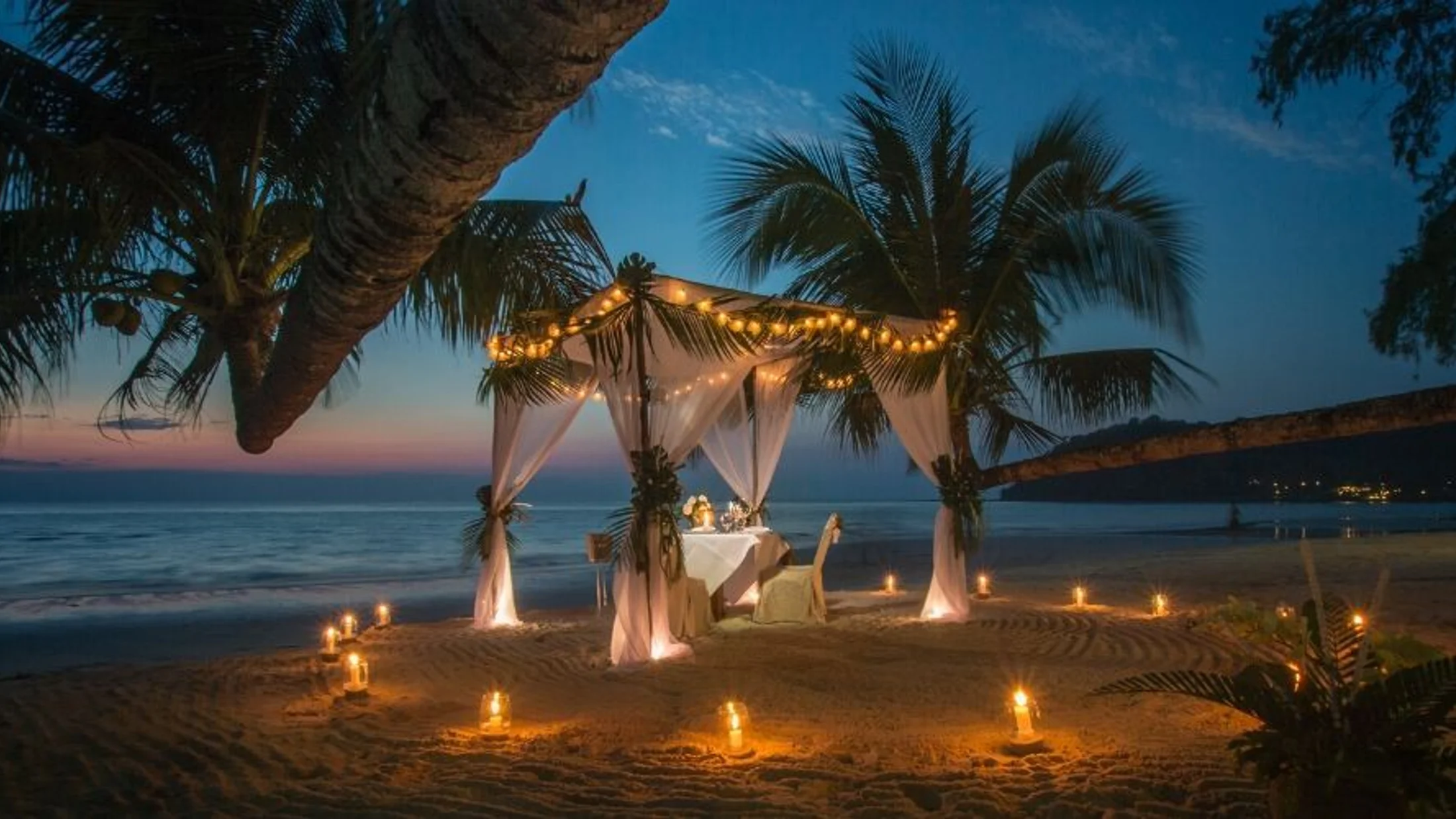
Under Spanish Skies: Begin Your Nature Honeymoon With Stars, Silence, And Time
A nature honeymoon in Spain trades buffets and lobbies for starfields and quiet trails, and it feels instantly more intimate. If you two prefer salt on your lips instead of neon lights, this guide shows where to find dark skies, slow days, and nights that stretch long and bright. We use the primary lens of a nature honeymoon Spain to help you plan a romantic escape that’s calm, unhurried, and awe-heavy.
At the heart of this trend sits astrotourism Spain, a movement that pairs protected skies with local hospitality and simple tools like red-light torches and binoculars. Spain leads in Starlight-certified destinations, from La Palma’s high observatory roads to Gredos’s quiet valleys, making sleep under the stars Spain not just possible, but comfortable. Picture the Milky Way lifting over a pine ridge while crickets knit the edges of the night. You’ll find that rural nights invite whisper-level conversations and morning coffee with birdcall instead of elevator chimes.
In this article, you’ll get eight carefully chosen romantic nature destinations Spain where skies are dark and logistics are simple. We include how to get there, when to go, what to bring, and where bubble hotels Spain and rural stays offer privacy without sacrificing comfort. Use the section on reasons to choose nature to align your expectations, then scan destinations and activities to shape days that suit you both. By the end, you’ll have a shortlist, a packing plan, and a realistic timeline for booking.
The rise of rural honeymoons and astrotourism
Couples are shifting from resort routines to experiences that feel lived-in and local, and rural Spain has answered with reserves, dark-sky parks, and expert guides. Starlight Foundation certifications now mark several regions with low light pollution and educational programs, a signal that astrotourism Spain has matured. One 2023 trend across rural tourism notes steady growth in off-peak escapes and night-focused activities, driven by travelers seeking silence, cool temperatures, and sky transparency.
The appeal is clear: sleep under the stars Spain sounds adventurous but can be as soft as a glass-domed suite with heated blankets and a private deck. You can watch planets edge across black water at Cabo de Gata, or trace constellations over stone villages in Gredos. Imagine warm air carrying the scent of thyme as a meteor flashes green across the horizon. Rural hosts—beekeepers, cheesemakers, hiking guides—are the backbone of these experiences, keeping traditions alive while sharing them with care.
What this guide gives you
You’ll get a practical, destination-by-destination plan anchored in dark skies, romance, and ease. Each spot includes the best months, access tips, accommodation styles (from fincas to cabins and bubble stays), and couple-ready ideas for mornings and nights. We keep explanations simple—if we mention an acronym like GR-11, we explain it on the spot.
Use the “reasons to choose nature” section to decide if a quiet, star-led rhythm matches your honeymoon pace. Then pick one to three destinations based on your interests—stargazing, hiking, or sea—and combine them with our sample timelines. A single sensory memory—sand warm underfoot, pine resin on sun-heated rock—can anchor the whole trip. Read, shortlist, and start penciling dates while availability is still early.
Picuco te puede ayudar
Does something here catch your eye?
Tell us.
Write to us on WhatsApp or email: we answer questions, find the best options and help you sort out the booking.
Why a Nature-focused Honeymoon Feels So Right
Privacy drives many couples to choose a romantic rural getaway Spain: when you trade crowded pools for a hidden cove, you gain room to talk, nap, and drift with the light. Nature delivers experiences that unfold, like the way dusk cools a valley and birdsong lowers to a hush. If you’ve ever wanted the world to slow down for a week, hiking by day and stargazing by night makes that wish practical.
Consider the unique nights you can only have outdoors: guided constellation walks, meteor showers, and telescope sessions led by certified monitors who explain terms like “seeing” (how steady the atmosphere is) in plain language. On clear, dry nights at altitude—think Teide or Roque de los Muchachos—the stars look steadier because high terrain often sits above low-level moisture and haze. The practical perk is that you can plan around moon phases and forecast sites to stack the deck for clarity.
Daylight gives variety and recovery. After a late stargazing session, keep the morning soft: pastries in a village square, a stroll to a viewpoint, and a siesta before golden hour. Short trails to miradores—simple viewpoints, often signed—offer cinema without sweat, and routes like the PR-HU 40 in Ordesa (a “PR” is a short-distance trail, typically under 50 km) are well-marked and manageable. Imagine the cedar scent when sun warms a wooden railing at a lookout.
Compared with large hotels and resorts, nature-based stays trade scale for character. Small fincas, stone houses, and glamping domes offer fewer rooms and more deliberate design, so you can request private dinners, hot-tub stargazing, or breakfast baskets with local cheese and honey. You also sidestep the buffet rush and build days around your energy, not scheduled entertainment. The photos are different, too: soft dawn light on limestone peaks, not lounge chairs in neat rows.
Sustainability plays in your favor when you choose places that protect dark skies. Many destinations you’ll see below have local ordinances that limit upward lighting and promote shielded fixtures, making it easier for owls, plants, and night insects to thrive. You can amplify that respect by arriving via train or shared transfers where possible, packing out waste, and supporting family-run eateries. In rural Spain, people who keep terraces, tend orchards, and guide trails are the hosts of your story.
Finally, a nature honeymoon rewards curiosity. You learn the names of winds on a coast, the layers of a volcanic cone, or the pattern that helps you find Scorpio. That sense of discovery builds a shared language for your first trip together. When a shooting star leaves a bright trail and you both reach for each other’s hands, you’ll feel the reason you came.
How to Read and Plan With This Guide
Start by matching interests to terrain. If stargazing is your north star, pick high, dry locations with certified skies like La Palma or Teide, and plan around the new moon for darker nights. If hiking plus low-key nights suit you, choose Ordesa, Picos, or Gredos where trail networks lead to simple sunsets and easy returns. For sea air and horizon lines, Delta del Ebro and Cabo de Gata pair beach days with wide-open skies; Sierra de Tramuntana lets you mix coves and mountain ridges.
Combine destinations smartly to save time. You can pair La Palma with Tenerife via inter-island flights, or connect Ordesa, Picos, and Gredos on a road loop across northern and central Spain. For a long weekend, pick one base and add a day trip: three nights in Gredos with one sunrise in a nearby gorge works well. For 7–10 days, build a two-stop plan—four nights in Tenerife (Teide by night, coast by day), then three in La Palma for telescope sessions and rural markets.
Book stays that match your comfort profile. Bubble hotels Spain and glamping options add drama and sky views; rural casas and fincas add privacy and kitchens. Interleave one sky-forward night in a transparent dome with two nights in a stone house to balance spectacle and rest. Imagine heat wavering off a white track at noon before you step into a shaded courtyard for a siesta.
Reserve activities early if traveling in peak months (spring and autumn for many mainland spots; winter for Canaries if you prefer dry, clear air). Use Picuco to compare starwalks, night photography outings, and kayak or e-bike options by region. Keep a flexible day buffer for weather shifts, and always have a Plan B for cloudy nights—like a night spa session or a fireside tasting of local cheeses.
Eight Places in Spain to Sleep Under the Stars Together
La Palma: Island Heights and World-class Skies
La Palma, in the Canary Islands, is a flagship for astrotourism Spain, protected by a 1988 “Sky Law” that limits light pollution and supports observatories at Roque de los Muchachos (2,426 m). Dry, stable air and altitude produce standout clarity, with summer and early autumn offering warm nights and winter delivering crisp transparency. Picture the Milky Way arcing over black lava fields while trade winds whisper through the pines.
How to get there:
- Fly to SPC (Santa Cruz de La Palma) from Madrid/Barcelona or via Tenerife/Gran Canaria.
- Ferries connect from Tenerife (Los Cristianos) to Santa Cruz de La Palma.
Where to stay and why it’s romantic:
- Rural houses with terraces above the cloud deck offer privacy and silence.
- Boutique hotels in Santa Cruz or along the west coast add dining options and short drives to miradores.
- Select properties host telescope sessions; check for Starlight-aligned experiences and couples’ packages.
When and what to do:
- Best months: April–October for warmth; Nov–March for ultra-clear air.
- Drive the Roque de los Muchachos road at dusk, then park at signed viewpoints for constellation spotting.
- Daylight ideas: Caldera de Taburiente hikes, volcanic coastline swims, and sunrise walks through laurel forest.
Practical note: Mountain roads are curvy; carry warm layers for nights at altitude, and confirm road statuses after weather events.
Teide National Park (tenerife): Peak Air and Lunar Landscapes
Teide National Park surrounds Spain’s highest peak (Teide, 3,718 m) with a high plateau of lava fields and pumice, offering superb atmospheric transparency at night. Altitude reduces humidity and often sits above low clouds, making this a prime nature honeymoon Spain choice for sky clarity and dramatic scenery. Imagine lava ridges turning copper at sunset while a chill rises from the pumice.
Access and timing:
- Tenerife has two airports: TFS (South) and TFN (North), with rental cars and organized transfers.
- Best months: April–June and September–November for mild temps and fewer crowds; winter nights can be crystal-clear but cold.
Romantic stays and experiences:
- Boutique hotels on the island’s north and south slopes offer easy park access and private terraces.
- Guided night tours with star monitors include lasers and telescopes; pair with a cable car-at-sunset experience (check wind conditions).
- Private dinners under the stars are offered by selected rural accommodations; confirm in advance.
Day ideas:
- Hike short trails like Roques de García for iconic views; “sendero” means a signed footpath, usually well-maintained.
- Explore laurel forests in Anaga or swim in natural pools on the north coast after a late stargazing night.
Practical note: Night temperatures drop sharply at altitude—pack insulated layers, hats, and hot drinks, and check the cable car status before committing to sunset plans.
Ordesa and Monte Perdido National Park: Pyrenean Days, Intimate Nights
In Huesca’s central Pyrenees, Ordesa and Monte Perdido blend daytime drama—cliffs, beech woods, waterfalls—with clean, high-altitude nights on clear forecasts. The main valley is accessible, and nearby high meadows and villages offer open skies for couples who favor quiet over crowds. Think of cold spray from a cascade in the afternoon and a star-pricked vault by 11 p.m.
Essentials:
- Best months: June–October for trails; September–October for crowd-thinned evenings and stable weather.
- Access: Private car is easiest; buses link to nearby hubs like Torla-Ordesa in peak season. Check park shuttle systems that regulate entry at busy times.
Where to sleep and why:
- Stone casas rurales with fireplaces and small hotels in Broto, Torla, or Fanlo make soft bases.
- Mountain refuges are an option if you’re comfortable with shared facilities; privacy is better in village stays.
Romantic ideas:
- Sunset strolls to
Mirador Calcilarruegoor along easy sections of theGR-11(Spain’s trans-Pyrenean trail; well-marked). - Pack a red-light headlamp and a thermos for night sky breaks at village-edge meadows.
- Book a local guide for a short star session—ask about light etiquette and park rules after dark.
Practical note: Permits may apply for certain peak-season parking; always verify seasonal shuttle timetables and trail advisories with the park office.
Picos de Europa: Limestone Peaks and Sky-framed Balconies
Spanning Asturias, Cantabria, and León, Picos de Europa offers jagged massifs and deep valleys, with crisp nights when Atlantic humidity eases. This is ideal for couples who want mountain drama by day—short cable car rides, limestone balconies—and simple sky-watching after dinner. Envision cowbells echoing at dusk as stars spark to life above pale cliffs.
Timing and access:
- Best months: May–October for hiking; September often brings stable conditions and fewer visitors.
- Access points: Cangas de Onís (Asturias), Potes/Fuente Dé (Cantabria), and Posada de Valdeón (León). The Fuente Dé cable car rises to ~1,823 m for sweeping views.
Stays and style:
- Small rural hotels in converted stone houses offer warmth and quiet.
- Farm stays add local breakfasts and slow evenings; pick rooms with balconies or gardens facing dark horizons.
Couple-friendly activities:
- Cable car to Fuente Dé for sunrise or late-afternoon light, descending before dark.
- Short trails to miradores like
Mirador del Tombofor safe, quick returns after stargazing. - Day trips to Covadonga Lakes under clear forecasts, leaving energy for a night under constellations.
Practical note: Weather shifts quickly; carry layers and check local forecasts (AEMET) the same afternoon you plan to star-watch.
Sierra de Gredos: Quiet Valleys, Dark Certificates, Gentle Rivers
Close to Madrid yet wonderfully calm, Sierra de Gredos (Ávila and Extremadura flanks) holds Starlight Reserve zones prized for low light pollution and broad horizons. It suits honeymooners seeking a romantic nature destinations Spain experience without long transfers. Picture warm granite holding the day’s heat as night settles over broom-covered slopes.
When and how:
- Best months: April–June and September–November for sweet temperatures and clear skies.
- Access: 2–2.5 hours by car from Madrid; buses reach larger towns, but a car offers flexibility to reach miradores.
Where to stay:
- Casas rurales with wood stoves and gardens are abundant; many offer private terraces and outdoor tubs.
- Refuges around the higher cirques serve hikers; for honeymoon privacy, opt for village accommodations.
What to do:
- Day dips in “gargantas” (clear mountain streams) and easy walks from La Plataforma de Gredos trailhead.
- Night sky moments at village edges or signed viewpoints—some properties provide telescopes or plan “astro” evenings.
- Nearby, selected properties operate as hotels burbuja or glamping domes; check availability and weather policies.
Practical note: Nights can be cold even in summer at elevation; carry layers, and respect local fire regulations in dry months.
Cabo de Gata–níjar: Desert Light and Sea-horizon Nights
Almería’s Cabo de Gata is a volcanic desert coast with low humidity outside mid-summer, lending it fine night-sky potential right by the sea. If you want beaches by day and constellations by night, this is your canvas. Imagine warm sand under your heels as a lighthouse beam sweeps a patient arc.
When to go and arrive:
- Best months: March–June and late September–November; avoid peak summer heat when daytime temps soar.
- Access: Fly to Almería (LEI) or drive from Málaga (3–3.5 h) or Alicante (3 h).
Romantic bases:
- Whitewashed villas in villages like Las Negras, San José, or Agua Amarga with terraces facing low-light coves.
- Eco-lodges and small rural stays on the park’s fringes; some offer glamping or bubble-style domes in private plots.
Couple activities:
- Twilight swims and moonlit walks on Playa de los Genoveses or Monsul (check access restrictions).
- Sunset viewpoints near Cabo de Gata lighthouse followed by a simple seafood dinner.
- Kayak or snorkel mornings when water is glassy; nap, then stargaze from dune edges.
Practical note: Coastal humidity can soften sky clarity—move slightly inland to elevated pullouts for sharper views; carry red-light torches to protect night vision.
Ebro Delta: Flat Horizons and Maritime Nightscapes
The Delta del Ebro in Catalonia offers a different romance: endless rice fields, broad skies, and reflective waters that turn pastel at dusk. Stargazing works best on dry, clear nights away from village lights, and shoulder seasons are ideal. Imagine reeds shivering as a light breeze ruffles mirror-still paddies.
Getting there and timing:
- Access: 2–2.5 hours by car from Barcelona; trains reach nearby Tortosa/Amposta with local transfers onward.
- Best months: April–June and September–October for mild weather and fewer insects.
Stay options:
- Small hotels near the river mouth or casas rurales on the park edges give quick access to open skies.
- Pick accommodations that can arrange private boat rides or bike rentals.
Romantic things to do:
- Sunset bike rides on flat tracks, returning to a quiet deck for stargazing.
- Private boat outings at golden hour on the river channels; ask about birding-friendly schedules.
- Simple seafood dinners, then a short drive to darker pullouts for constellation-spotting.
Practical note: Respect bird-nesting zones and seasonal access rules; coastal haze can blunt stars, so choose cooler, drier evenings for better clarity.
Sierra de Tramuntana (mallorca): Mediterranean Ridges and Moonlit Coves
Mallorca’s Tramuntana folds olive terraces, limestone spires, and deep-blue coves into one compact stretch. For couples who want sea swims by day and star-watching above quiet fincas at night, it’s a graceful choice. Picture rosemary and wild fennel releasing scent as the night cools stone steps.
When and how:
- Access: Fly into Palma (PMI); rent a car for village-to-mirador flexibility.
- Best months: April–June and September–October; summer nights are warm but can be hazy.
Where to sleep:
- Fincas and boutique stays near Valldemossa, Deià, or Sóller with terraces facing dark slopes.
- Rural houses inland toward Escorca offer darker skies and quick drives to mountain viewpoints.
Activities for two:
- Sunset at
Mirador de Sa Foradada, then star-watch from a high turnout above the coast. - Short hikes at dusk on signed
PRroutes; dinner in a stone village and a quiet drive to a dark lane. - Day dips in Cala Tuent or hikes on the
GR-221(the dry-stone route; well-marked and modular).
Practical note: Narrow mountain roads require unhurried driving; choose known pullouts for night stops, and carry a small blanket and thermos for comfort.
The Best Things To Do By Day And Night
A nature honeymoon works best when nights are special and days are soft. Plan your stargazing around the moon: the week around new moon is darkest; first and last quarter give dramatic light on lunar craters through a small telescope. Bring binoculars (7x50 or 10x50), a red-light headlamp, and a star app set to “night mode,” and remember that patience is your best instrument. Imagine the quiet click of a focus wheel as Jupiter’s moons pop into view.
Balanced days keep energy high:
- Easy hikes to miradores near your base; choose signed, graded paths and be back before full dark.
- Swim-and-siesta cycles on coastal days; aim for sunrise or golden hour to avoid heat and crowds.
- Two-hour cultural visits—local markets, small museums, or monasteries—slot well after late nights.
Guided nights add depth:
- Observatories and star monitors often run small-group sessions with lasers and telescopes; expect 25–80 € p.p. depending on location and gear, and confirm on Picuco or with the operator in season.
- On Canary Islands, visitor centers and licensed guides offer sky tours backed by prime altitude and dryness; book 1–2 weeks ahead in peak windows.
- Photography nights teach manual focus, high-ISO basics, and the use of a simple tracker; you’ll leave with a shared image to frame at home.
Food and culture weave into romance:
- Book a private terrace dinner or picnic with regional cheeses, olive oils, and wines; many rural hosts curate baskets on request.
- Join short local workshops—beekeeping demos, olive grove walks—or visit a bodega for a tasting midday, leaving evenings free for stars.
- Keep travel distances short: a 30–60 minute scenic drive at dusk sets up a memorable night without draining energy.
For water lovers:
- Kayak sunrise outings in calm bays, finishing with coffee and a slow breakfast.
- Boat rides at golden hour in the Delta or along Tramuntana’s coast, returning to a dark lane for sky time.
Always pair the sensory with the practical: pack layers for night chills, warm drinks, and a simple seat pad. With these touches, every evening can carry the calm you came to find.
Practical Tips for Couples: Gear, Bookings, and Low-impact Travel
A little preparation turns starry plans into easy wins. Pack light but intentional, building a couple’s kit that supports late nights and gentle mornings. Picture the soft glow of a red torch as you unroll a blanket on warm rock.
What to bring:
- Clothing:
- Warm layers for nights at altitude (insulating mid-layer, windproof shell, hat, gloves).
- Breathable sun gear for days (wide-brim hat, UPF shirt).
- Star kit:
- Red-light headlamp to preserve night vision.
- Binoculars 7x50 or 10x50 and a small tripod or beanbag.
- Star app in night mode; a paper star chart as a backup.
- Thermos, compact blanket, seat pads.
- Safety:
- Basic first-aid kit, blister care, and personal meds.
- Offline maps and a power bank.
- Reusable water bottles and a small trash bag.
Booking smart:
- Reserve bubble-style domes, glamping, and rural gems 4–8 weeks ahead for spring/autumn; holidays demand earlier action.
- Mix one sky-drama night (transparent dome) with two comfy nights (stone house) for privacy and recovery.
- Confirm check-in hours if you’ll arrive after star sessions; small properties may need a time window.
Health and insurance:
- Carry travel insurance that covers outdoor activities; confirm definitions include nighttime hikes or guided sessions.
- At altitude (Teide, La Palma high roads), hydrate and move slowly; mild headaches are common and usually pass with rest.
Responsible travel:
- Follow Leave No Trace: stay on signed paths, pack out waste, keep noise low at night.
- Respect park rules: no drones without permits, no fires, and use only designated parking.
- Dim or shield outdoor lights at your stay if possible; ask hosts about dark-sky practices.
Weather and safety:
- Check local forecasts via AEMET (aemet.es) the same day; coastal humidity and mountain winds change plans fast.
- Choose known viewpoints or wide turnouts for night stops; avoid cliff edges or unmarked tracks.
- Share a simple plan with your host if you’ll be out late; set a time to return.
Book with certified operators for guided nights, and use Picuco to filter by region and activity so you spend more time under the sky and less time comparing tabs.
Frequently Asked Questions About a Nature Honeymoon in Spain
What is the best time of year for an astronomy-focused honeymoon?
Season shapes night clarity, temperature, and comfort, so pick according to what you value most. On the mainland, shoulder seasons—April–June and September–October—blend mild evenings with stable forecasts and quieter trails. In the Canary Islands, winter through spring often brings very transparent air at altitude, while summer nights are warm and easy for long outdoor sessions. Imagine your breath a faint cloud in January on Teide, then count stars with a hot drink and warm layers. Moon phase matters, too: the days around new moon give the darkest skies for the Milky Way, while quarter moons highlight lunar craters in small telescopes. If you crave warm nights at sea level, choose Cabo de Gata in late September or the Ebro Delta in May; for maximum clarity and cool night air, aim for La Palma or Teide from November to March. To plan sleep under the stars Spain dates confidently, pair a moon calendar with local forecasts (AEMET) a few days out.
Is it safe to sleep outdoors or in unconventional lodgings?
Safety improves when you choose regulated stays and guided sessions over ad-hoc camping. Free camping (“acampada libre”) is restricted or banned in many regions; instead, book regulated options like bubble hotels or glamping sites registered with local authorities, or stay at rural casas near dark viewpoints. Carry red-light torches, extra layers, and offline maps, and avoid cliff edges or unsigned tracks at night. Think of safety as layering simple habits—tell your host your plan, pick known miradores, and check weather and wind the same afternoon. In protected areas, follow park rules on night access and parking; some require you to be off main trails after dusk, while village-edge meadows are fine for a quiet hour of stargazing. Choose licensed operators for any night hikes or telescope sessions, and verify insurance coverage; reputable organizers state permits and credentials clearly on their pages. When you take these steps, unconventional becomes comfortable.
How do we combine star-watching with daytime fun without feeling exhausted?
Build a gentle cadence: one high-focus star night, then a softer evening, and keep days short after late sessions. For a 3-day mini-break in Gredos, try this rhythm: Day 1 afternoon arrival and sunset stroll, Night 1 short stargaze near your stay; Day 2 easy “garganta” swim and siesta, Night 2 guided telescope session; Day 3 lazy breakfast and local market before heading home. For 5–7 days across Teide and La Palma, split time: 3 nights in Tenerife with one cable car–at-sunset and one guided star tour, then 2–3 nights in La Palma with a high-road stargaze and one dawn walk in laurel forest. Nap strategically (20–40 minutes mid-afternoon), eat early, and carry warm drinks to avoid leaving too soon once the sky gets good. A simple sensory cue—warm stone under a blanket—helps your body settle. Book guided nights in advance so you don’t stack two late sessions back-to-back, and anchor each day with a low-effort pleasure: a cove swim, a short village amble, or a shared pastry on a square bench.
What should we look for when booking honeymoon stays in nature?
Prioritize location relative to dark skies, privacy, and a host who understands romance and night etiquette. Look for stays outside village cores with clear southern views and minimal external lighting; ask hosts if outdoor lights can be dimmed or shielded. For services, check for private dinners, breakfast baskets, outdoor tubs, and blankets for star sessions—simple touches that elevate a romantic rural getaway. Read recent reviews for noise and privacy notes, and scan for sustainability markers like dark-sky practices, renewable energy, or local sourcing. Bubble hotels Spain and glamping domes add drama, but verify comfort details: heating or A/C, condensation management, and bad-weather policies. For safety and quality, prefer properties with clear registration numbers, visible policies, and steady 4.5–5 star averages over many reviews. Finally, decide your balance between spectacle and rest: one extraordinary transparent-dome night plus two nights in a stone finca often yields better sleep, better skies, and the quieter moments you’ll remember.
Book your experience — discover active tourism activities in Spain with Picuco-verified providers.
Conclusion
A nature-led honeymoon slows time so you can savor firsts together: your first shared meteor, your first dawn over a quiet ridge, your first dinner where crickets provide the soundtrack. Spain makes this easy with dark-sky regions, short travel distances, and hosts who fold local flavor into every stay. Imagine the night settling like a soft shawl as you trace constellations you now know by name.
Choose one or two destinations from this guide based on your rhythm—mountains, sea, or high volcanic plateaus—and pencil dates around the moon and weather windows. Reserve a mix of transparent drama and stone-built calm, and sketch a gentle itinerary with a little sky time every other night. If you want curated options by region and season, explore activities and night tours on Picuco, then lock in your dates while calendars are open. When the first star appears and the day exhales, you’ll know you chose well.