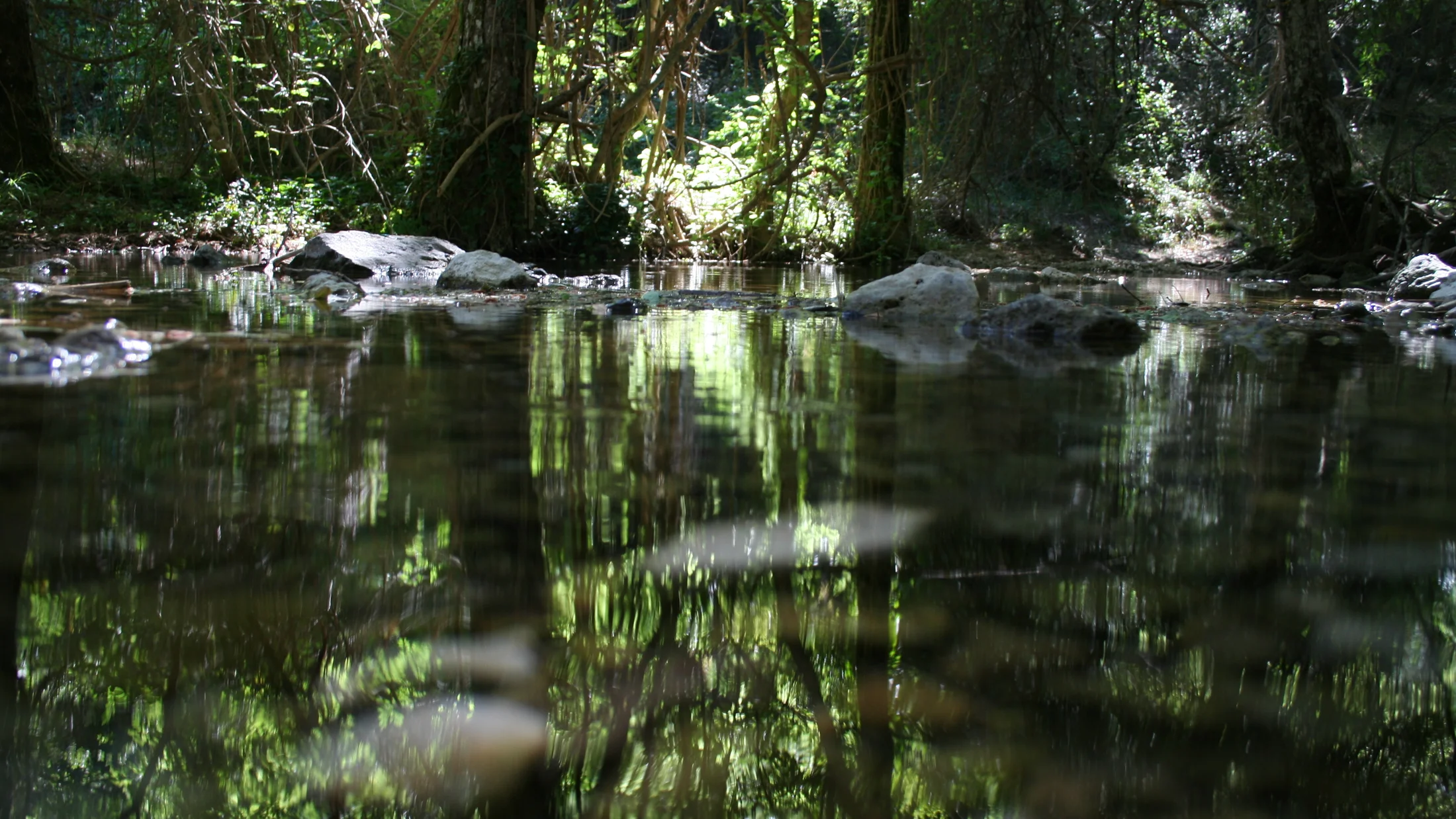
Why Nacimiento Del Río Mundo Captivates Nature Lovers
You’re here for a waterfall you can hear before you see it. Nacimiento del Río Mundo Spain is a powerful karst spring inside the Parque Natural de los Calares del Mundo y de la Sima (Albacete, Castilla–La Mancha), famous for limestone cliffs, caves, and the surge locals call El Reventón. Imagine a cold haze of spray lifting from the gorge as swifts stitch the air.
This guide helps you plan with confidence: how to get to Río Mundo spring, the best time to visit Río Mundo, practical routes from Riópar, and on-the-ground tips for safety and regulations. You’ll move at your own pace while honoring a landscape cared for by the people of Riópar and surrounding villages.
What is the Nacimiento del Río Mundo?
Think of a “karst spring” as water escaping through dissolved limestone: rain and snowmelt sink into the Calar del Mundo plateau and reappear explosively at the cliff base called Los Chorros. In a good flow, the waterfall drops in tiers more than 80–100 meters, with a narrow gorge that magnifies the sound. One day you may find a steady fall; after storms, it becomes a white roar locals call El Reventón. The air smells of wet stone.
Ecologically, the gorge shelters riparian forests of ash, poplar, and willow, with griffon vultures circling the cliffs and endemic flora on the high calars (limestone tablelands). Historically, the spring watered a valley where metalworkers forged the 18th–19th century brass industry at Riópar; you’ll notice how the town still orients daily life to this water. Your visit supports guides, small bars, and rural stays that keep the valley alive.
What you’ll learn here
You’ll get answers that matter for the trail and the road. A soft spray cools your face at the lower footbridge.
- Exact location and how to read signs and GPS for “Los Chorros”
- Riópar to Río Mundo routes: long, medium, and short options with times and elevation
- Driving access, Los Chorros parking Río Mundo, and crowd-avoidance tactics
- Public transport alternatives and taxi options from Riópar
- Best time to visit Río Mundo and when El Reventón spring phenomenon is most likely
- Regulations, safety, and what to pack
Quick facts for fast planning
If you’re short on time, start here. Water drums on rock like a distant engine.
- Where: Municipality of Riópar, Albacete (Castilla–La Mancha), inside Parque Natural de los Calares del Mundo y de la Sima
- Distance from Riópar: ~8–10 km by road to the Los Chorros parking; 10–16 km walking round trip from town (route dependent)
- Time on site: 1–3 hours at viewpoints and walkways; 4–7 hours if hiking from Riópar
- Hook: “El Reventón” often happens late winter to spring and after autumn storms; it’s unpredictable but unforgettable
Picuco te puede ayudar
Does something here catch your eye?
Tell us.
Write to us on WhatsApp or email: we answer questions, find the best options and help you sort out the booking.
Location and How to Get There
You want the fastest, safest route to moving water and clean air. The road climbs through pines until a final curve reveals the amphitheater of limestone.
This section gives you essential coordinates and contacts, door-to-trail directions from Riópar, and how to reach Los Chorros by car or with scarce public transport. It removes guesswork so you can spend more time by the falls and less time circling lanes.
Essentials: location, coordinates, hours and contacts
The spring area is signposted as “Nacimiento del Río Mundo – Los Chorros,” within the protected Parque Natural de los Calares del Mundo y de la Sima (Province of Albacete). A fine mist beads on wooden rails.
- Location reference for GPS/maps: Search “Nacimiento del Río Mundo – Los Chorros (Riópar)” in Google Maps or similar. Download the offline map before arrival as mobile coverage fluctuates in the gorge.
- Coordinates: You’ll see exact lat/long shown on the map listing; confirm on arrival screen and save as a pin for offline use.
- Opening/seasonality: The natural site is open year-round, but access to the upper paths or cave entrance may be restricted during high flow or risk conditions. Gates or rangers occasionally regulate entry on peak days for safety.
- Official information:
- Junta de Castilla–La Mancha, Parque Natural de los Calares del Mundo y de la Sima (find via castillalamancha.es > Medio Ambiente > Espacios Naturales Protegidos)
- Ayuntamiento de Riópar (riopar.es) for local advisories, taxis, and town services
- Visitor centers and phones: Contact details change seasonally; check the park’s official page and Riópar’s municipal site for the latest phone numbers and opening hours for tourist offices before you travel.
- Tip about Los Chorros parking Río Mundo: On long weekends and during El Reventón, staff may control the car park, and spaces can close when full.
Practical note
Because phone numbers and seasonal hours change, rely on the park’s official page and the Riópar town site for the latest contacts. Bookmark both and check the day before your visit.
Getting from Riópar on foot: direct and scenic options
Walking from Riópar turns the falls into a full-day experience. Cypress shade smells of resin along the riverbank.
- Starting points: Most hikers leave from central Riópar (near the main square or tourist office) and follow waymarked local paths signed to “Nacimiento del Río Mundo” or “Los Chorros.”
- Classic riverside approach: A pleasant, mostly gradual route follows tracks and paths near the Río Mundo valley to the car park and lower viewpoint.
- Distance/time: Plan 12–16 km round trip, 300–500 m cumulative ascent, 4–6 hours depending on pace and variants.
- Terrain: Good tracks, occasional rocky steps and short steeper ramps toward the end.
- Scenic detours: Short spurs lead to meadows, small irrigation channels, and old farm terraces with views toward the high calar. These add time but reward you with open panoramas and birdlife.
- Gear and tips: Wear grippy hiking shoes, carry at least 1.5–2 liters of water per person, sun protection, and a windproof layer for the gorge (cooler and spray-prone). Download the route on your phone and bring a paper map as backup.
By road and with public transport
Driving is the simplest option, but bus-plus-taxi works with a bit of planning. Pine cones crunch underfoot as you step from the car into the hush.
- By car from Riópar: Follow local signs for “Nacimiento del Río Mundo – Los Chorros.” The final approach is a narrow paved road with passing places; drive slowly and yield on tight bends.
- Approximate drive times:
- From Riópar: 10–15 minutes to Los Chorros parking (road and traffic dependent)
- From Albacete: 1 h 45–2 h (130–150 km) via regional roads toward Riópar
- From Murcia: 2–2 h 30 min (140–170 km) via Caravaca–Nerpio–Riópar corridors
- From Alicante: 2 h 15–2 h 45 min (170–200 km) inland via Villena–Almansa–Alcaraz–Riópar
- From Madrid: 3 h 30–4 h 15 min (300–350 km) via A-4/A-43–Alcaraz–Riópar
- Parking: Signed as “Aparcamiento Nacimiento del Río Mundo – Los Chorros.” Arrive early on weekends and holidays; when full, access may close temporarily.
- Public transport: There are infrequent regional buses to Riópar from Albacete (and occasionally from Murcia/Andalucía corridors). From Riópar, take a local taxi for the final ~8–10 km to the Los Chorros parking; confirm prices in advance with the taxi service listed by the Ayuntamiento de Riópar.
- Navigation tip for “cómo llegar Nacimiento Río Mundo”: Set your destination to “Nacimiento del Río Mundo – Los Chorros (parking),” not just “Riópar,” to avoid dead-end rural lanes.
When to Visit and How to Catch ‘el Reventón’
Timing transforms your experience here. On cold mornings, the spray feels like pins of ice on your cheeks.
- Spring (March–May): This is the sweet spot for water flow, greenery, and comfortable temperatures (highs ~12–20°C). After heavy rain or rapid snowmelt on the Calar del Mundo, the El Reventón spring phenomenon can occur: the aquifer pressurizes and discharges dramatically, and the main waterfall multiplies in volume while side flows appear on the cliff. Crowds grow on weekends and holidays.
- Early summer (June): Still pleasant, with decent flow if spring was wet. Mornings offer softer light and fewer visitors. Heat builds by midday; shade in the gorge is limited beyond the forest margins.
- High summer (July–August): Expect warm to hot days (25–35°C), lower base flow, and family crowds near the walkways. Hike in the early morning or late afternoon, carry extra water, and budget more time for the steeper final section. If you value solitude and strong water, this is not the best period.
- Autumn (September–November): Cooler days and a second “pulse” of flow after Atlantic storm fronts. Late October to November often brings brief El Reventón episodes after sustained rain. The chestnut and oak patches color the slopes; days shorten, so start early.
- Winter (December–February): Crisp air, occasional frost, and quiet trails except during holiday spikes. El Reventón sometimes happens in winter thaws or following big rain-on-snow events. Ice can form on shaded steps; traction and caution are essential.
Understanding El Reventón in simple terms:
- What it is: A surge discharge from a karst aquifer after intense recharge (heavy rain or rapid snowmelt) raises internal water levels above thresholds, forcing water out at high volume through conduits in the cliff.
- Why it’s unpredictable: Karst systems behave like hidden plumbing with complex chambers and tunnels; rainfall totals, rate of melt, temperature, and prior saturation all interact.
- When it’s most likely: Typically late winter through spring (January–May) and after strong autumn storms (October–November). Local news, social media posts from Riópar, and the park’s advisories are the best short‑notice indicators.
- How to plan for it:
- Watch rainfall on the plateau (48–72 hours prior) and rising temperatures after snow.
- Be flexible: aim for a 2–3 day window rather than a single day.
- Visit early morning the day after prolonged rain; if flow is huge, expect capacity controls.
Photography and light:
- Morning light strikes the falls without harsh glare, and mist catches sunbeams; late afternoon can backlight spray into rainbows if flow is moderate.
- Bring a microfiber cloth for lens mist and, if safe to do so, use a stable surface for longer exposures; never cross barriers or step onto wet rock near edges.
Crowds and comfort:
- For a peaceful visit, go midweek, arrive before 10:00, or time your walk for the last two hours before sunset.
- In peak El Reventón events, parking sometimes closes when full; have a Plan B such as hiking from town or returning the next morning.
Walking From Riópar: Long, Medium and Short Options
Choose your route according to time, fitness, and who you’re traveling with. River poplars flicker like silver scales in the breeze.
Use this quick comparison, then read details below:
| Route (from Riópar) | Distance (round trip) | Elevation gain | Time (moving) | Difficulty | Good for |
|---|---|---|---|---|---|
| Long circular via Alto del Carrascal | 18–22 km | 900–1,100 m | 6–8 h | High | Experienced hikers, big views |
| Medium out-and-back to Nacimiento | 12–16 km | 300–500 m | 4–6 h | Moderate | Fit walkers, teens |
| Short family walk from Los Chorros parking | 1.5–2.5 km | 80–120 m | 45–90 min | Easy–moderate | Families, photographers |
Distances and times vary by exact start point and variants; check waymarks and carry a map/GPX.
1) Long route: Senda de los Chorros and Alto del Carrascal (high difficulty)
If you want the full mountain-and-gorge immersion, take this long circular. The wind lifts from the plateau carrying the dry scent of thyme.
- Overview: A committing loop from Riópar that climbs to the Alto del Carrascal or neighboring ridges on the Calar del Mundo before descending toward Los Chorros and returning along valley tracks.
- Why choose it: Panoramic views of the limestone tableland and canyons, quieter paths, and a rewarding descent toward the roar of the spring.
- Stats (approximate): 18–22 km, 900–1,100 m ascent, 6–8 hours. Demands steady pacing and mountain sense.
- Terrain and difficulty: Steep, sometimes stony trails; occasional indistinct sections on the calar where cairns and painted marks guide you. In poor visibility, navigation is challenging on the plateau.
- Key points:
- High viewpoints over the Río Mundo valley and the amphitheater of Los Chorros
- Access to the top edge above the gorge (always stay well back from cliff edges)
- Descent to join the walkways area and lower viewpoint platforms
- Preparation:
- Carry 2–3 liters of water, food, sun/thermal layers, headlamp, and maps stored offline.
- Avoid winter ice or summer heat spikes; begin at first light.
- This is one of the more ambitious Riópar to Río Mundo routes; if in doubt, step down to the medium option.
2) Medium route: classic out-and-back Riópar – Nacimiento (moderate)
This is the most walked option for a half or full day. The path smells of damp earth as you near the gorge.
- Overview: Leave Riópar on signed local paths and tracks that lead you up the valley to Los Chorros parking and then into the gorge walkways.
- Stats (approximate): 12–16 km round trip, 300–500 m ascent, 4–6 hours depending on pace.
- Why choose it: Clear wayfinding, constant river scenery, and flexibility to turn around or add small detours.
- Route notes:
- Start near the town center and follow signs to “Nacimiento del Río Mundo” or “Los Chorros.”
- Easy-going valley walking transitions to steeper steps on the final approach.
- Shortcuts: Some variants trim distance by using agricultural tracks; always respect private land and keep to public rights-of-way.
- Family notes: Strong walkers from about 10–12 years old usually enjoy it; for younger kids, consider driving to the car park and doing the short walk inside the site.
- Add-ons: If you have extra energy, visit Riópar Viejo (the old hilltop settlement) on the return for broad valley views and a sense of local history.
3) Short family walk: accessible viewpoints and walkways
If you’re traveling with kids or have limited time, this is the no-stress choice. Handrails are slick with mist near the lower platform.
- Overview: From Los Chorros parking, follow the signed path that climbs gently, then more steeply on steps and walkways, to the main viewpoints.
- Stats (approximate): 1.5–2.5 km total, 80–120 m ascent, 45–90 minutes including stops and photos.
- Accessibility: The first section is on good path suitable for most visitors; steeper steps and short rocky stretches mean it is not fully wheelchair-accessible. Families with carriers or robust strollers may reach the lower platform but will likely turn before the steep steps.
- Highlights:
- Lower platform with a full-frontal view of the main fall
- Elevated walkways and railings to safely approach spray zones
- Best light in the morning and late afternoon; bring a lens cloth
- Tips:
- Arrive early on weekends and holidays to secure a space at Los Chorros parking Río Mundo.
- Keep children within arm’s reach near steps and wet rocks; respect barriers at all times.
Access, Parking, Regulations and Safety
A good plan protects the place you’ve come to enjoy. A jay calls in the pines as rangers greet arrivals at the barrier.
This section gathers what you need to know to park responsibly, follow rules of the natural park, handle fees and schedules, and manage common risks in a wet, cliff-lined environment.
Parking and access: Los Chorros and alternatives
On busy days, parking determines how your visit unfolds. Engines tick as they cool while the falls murmur in the distance.
- Main parking: “Aparcamiento Nacimiento del Río Mundo – Los Chorros,” signed from Riópar. Capacity is limited; it fills on peak weekends and during El Reventón surges.
- Hours and controls: Staff may regulate access, temporarily closing the entrance when full. Arrive before 10:00 or late in the day to avoid queues.
- Fees: Depending on season and municipal decisions, a modest parking fee may be charged to manage visitor pressure and maintenance; bring cash and a card just in case.
- How to avoid crowds:
- Visit midweek
- Aim for early morning or last two hours before sunset
- If full, consider parking in Riópar and walking the medium route
- Note for “aparcar Los Chorros Río Mundo”: Never stop on verges or block access tracks; tow‑away or fines can apply, and you risk emergency access.
Regulations, permits and access limits
Protected status keeps this place healthy and beautiful. The river smells clean and metallic near the limestone.
- Park rules (typical for Castilla–La Mancha protected areas):
- Stay on marked trails and within fenced/viewpoint areas
- No swimming, bathing, or entering the pool beneath the falls
- No fires or camping; use designated picnic areas outside the gorge
- Dogs on leash; avoid bringing pets in high-flow conditions
- Drones require prior authorization from both the park and aviation authorities
- Group size and guides: Large organized groups may need to notify the park; licensed guides help manage safety on busy days.
- Caving and restricted zones: The cave system above the spring (Cueva de los Chorros and conduits) is strictly controlled; access requires technical expertise and permits. Never pass signed barriers.
- Where to confirm requirements: Check the park’s official page on the Junta de Castilla–La Mancha site and the Ayuntamiento de Riópar for seasonal measures during El Reventón or holidays.
Fees, hours and control points
It’s better to know before you go. A metal gate creaks as the morning shift opens the access.
- Possible costs:
- Car park management fee during peak periods
- Optional guided activities with licensed operators
- How payment works: If fees are in force, rangers or attendants typically collect at the entrance booth; in some seasons, municipalities test online reservations or QR systems—confirm current practice the day before you visit.
- Hours:
- The natural site is open daylight hours; attendants, if present, operate typical day shifts
- In high flow or storms, authorities can close upper paths or limit access for safety
- Information points:
- Entrance booth/parking staff for immediate updates
- Tourist information in Riópar for taxi numbers, bus times, and last‑minute guidance
Safety, kit and emergencies
Wet limestone and enthusiasm can mix badly; slow down. The handrail hums under the force of falling water.
- Essential kit:
- Grippy hiking shoes or boots
- 1.5–2 liters of water per person (more in summer)
- Windproof/water-resistant layer; the gorge is cooler and wet
- Sun hat, sunscreen, quick-dry clothing
- Offline map/GPX; paper map and small headlamp for longer routes
- Behavior in the gorge:
- Heed all barriers; do not climb on rocks near edges or enter the water
- Hold children’s hands on steps; take turns on narrow walkways
- Expect slippery surfaces; plant each foot deliberately
- Weather:
- In summer, hike early or late; in winter, consider microspikes if ice is present on shaded steps
- During El Reventón or thunderstorms, be alert to path closures and rapidly rising spray zones
- Emergencies:
- Spain’s emergency number is 112; state “Riópar, Nacimiento del Río Mundo – Los Chorros” and describe the nearest posted sign or landmark
- Move to safer, wider ground if someone slips; do not create additional risk by crowding an edge
What to See and Do at the Spring
There’s more here than one waterfall photo. The gorge breathes cool air while ravens bark across the cliff.
From framed viewpoints to spray‑washed walkways, from short family loops to longer spurs, and even specialist caving in the wider karst with permits and professionals, you can tailor a day that fits your group and the conditions.
Viewpoints and panoramic stops
Good viewpoints turn a visit into a memory. The falls glitter like hammered silver in morning sun.
- Lower viewpoint: The best frontal perspective of the main tier, reachable by the short family path; ideal for wide angles (16–35 mm).
- Mid‑level platforms: Slightly higher vantage to compress the cascade with cliff textures; try 50–85 mm and a polarizer to tame glare.
- Upper edges (for long-route hikers only): Big views across the amphitheater and upper valley; keep far from cliff rims and respect all signs and fences.
- Light and timing:
- Morning: Soft side light, less glare from spray
- Late afternoon: Backlit mist can produce rainbows when flow is moderate
- Overcast days: Dreamy long exposures; bring a cloth and stabilize your camera safely
How they link to Riópar routes:
- Medium route feeds directly into the lower and mid platforms
- Long circular offers distant panoramas first, then converges on the same walkways
Walkways, cascades and the ‘los Chorros’ environment
Footbridges take you close enough to feel the mountain’s breath. The walkway boards are slick with spray.
- The path network: Compact, signed paths and metal/wooden walkways rise gently, then via steps to platforms; one-way pinch points may be used on busy days—follow staff instructions.
- Safety and etiquette:
- Keep right on stairs, step aside at wider bays for photos
- No drones or tripods that block passage during peak hours
- Respect rope/bar barriers near ledges and any temporary closures in El Reventón
- What you’ll see:
- Main vertical plunge, plus seasonal side spouts across the cliff face
- Moss and ferns glowing neon green in spray zones
- Foam lines curving in eddies beneath the platforms
- Finding El Reventón: If it’s “on,” you’ll hear the roar from the car park; side curtains of water appear on the cliff, and mist thickens visibly even at the lower platform.
Extra hikes and connecting trails
If you have energy after the main event, add a little more. Pine needles spring underfoot on shaded spurs.
- To Riópar Viejo: Short drive or additional walk from town to the hilltop ruins and church with commanding valley views; sunset is superb.
- Valley meadows loop: Small extensions from the medium route add open, pastoral scenery with stone walls and old terraces; watch for seasonal cattle and close gates carefully.
- Calar del Mundo edges (experienced only): From the long circular, spur viewpoints on the plateau give aerial perspectives; navigation and exposure demand care, and weather flips fast on the calar.
- Park connections: The natural park includes other signed routes to crests and ravines—check official maps in town and plan a second day if you want full-ridge panoramas.
Speleology and the wider karst
Underground, a different world feeds the spring. The air tastes of lime dust at cave mouths.
- Context: The spring issues from conduits in the Cueva de los Chorros system, part of an extensive karst with vertical and horizontal galleries; this terrain is technical and hazardous without training.
- Access rules: No unguided entry. Caving requires:
- Proper certification and experience
- Federative insurance as required in Spain
- Written permits from the park and relevant authorities
- Guided options: In the wider region, licensed adventure operators offer introductory speleo (non‑technical caves) and canyoning; check what’s available for your dates and skill level, and always verify insurance and qualifications.
- Safety baseline:
- Never enter any cave or fenced area at the spring without explicit authorization
- For family‑friendly underground visits, look for operators offering “cave discovery” routes rated for beginners; verify age limits
- Where to start planning: Search Picuco’s activities by region and theme to identify vetted experiences and compare options before you go
Frequently Asked Questions
When plans meet reality, a few clear answers go a long way. Sun warms the open car park while the gorge stays cool.
How do I get from Riópar to the Nacimiento del Río Mundo without a car?
Follow signed local paths from central Riópar to “Los Chorros”; allow 12–16 km round trip, 4–6 hours. If you prefer to shorten, take a taxi from town to the Los Chorros parking and walk the final 45–90 minutes on the site’s paths.
Where do I Park for the spring and does it fill up?
Head for “Aparcamiento Nacimiento del Río Mundo – Los Chorros.” It fills on weekends, holidays, and during El Reventón; arrive before 10:00 or later in the afternoon. If full, park in Riópar and hike in; never block rural lanes.
When is the best time to visit Río Mundo?
Spring (March–May) balances strong flow and pleasant temperatures; autumn (Oct–Nov) can bring a second water pulse after storms. Early mornings beat the crowds year‑round; high summer is hotter and the base flow is lower.
What exactly is ‘el Reventón’ and when does it happen?
It’s a surge discharge from the karst after heavy rain or snowmelt pressurizes the aquifer, turning the main fall into a thunderous torrent and activating side spouts. It’s most likely late winter to spring and after autumn storms, but exact dates are unpredictable—watch local advisories.
Is it suitable for children and older visitors?
Yes, the short walk from Los Chorros parking to the lower platforms suits most families; keep children close on wet steps. The route is not fully wheelchair‑accessible due to stairs; the first section is easier and flatter but still can be slippery.
Do I need permits or to pay an entrance fee?
There’s no entrance fee to the natural site; a parking fee may apply in peak seasons. No permits are needed to use marked paths and viewpoints; caving and drone use require prior authorization. Check the park’s official page and Riópar’s site for current rules.
Book your experience — discover active nature activities across Spain with Picuco‑verified providers.
Conclusion
If you time your visit well, Nacimiento del Río Mundo rewards you with sound, light, and a living lesson in how mountains store and release water. The spray cools your skin as you look up into the limestone bowl.
Plan your approach—on foot from Riópar or by car to Los Chorros—check the park’s latest advisories, and pack for wet steps and quick changes in weather. If El Reventón aligns with your dates, arrive early, be patient with access controls, and let the valley set your pace. Respect paths, support local businesses in Riópar, and you’ll leave with clear lungs, full memory cards, and a place you’ll want to revisit after the next rain.