Why Cabárceno Nature Park Is Worth Your Day
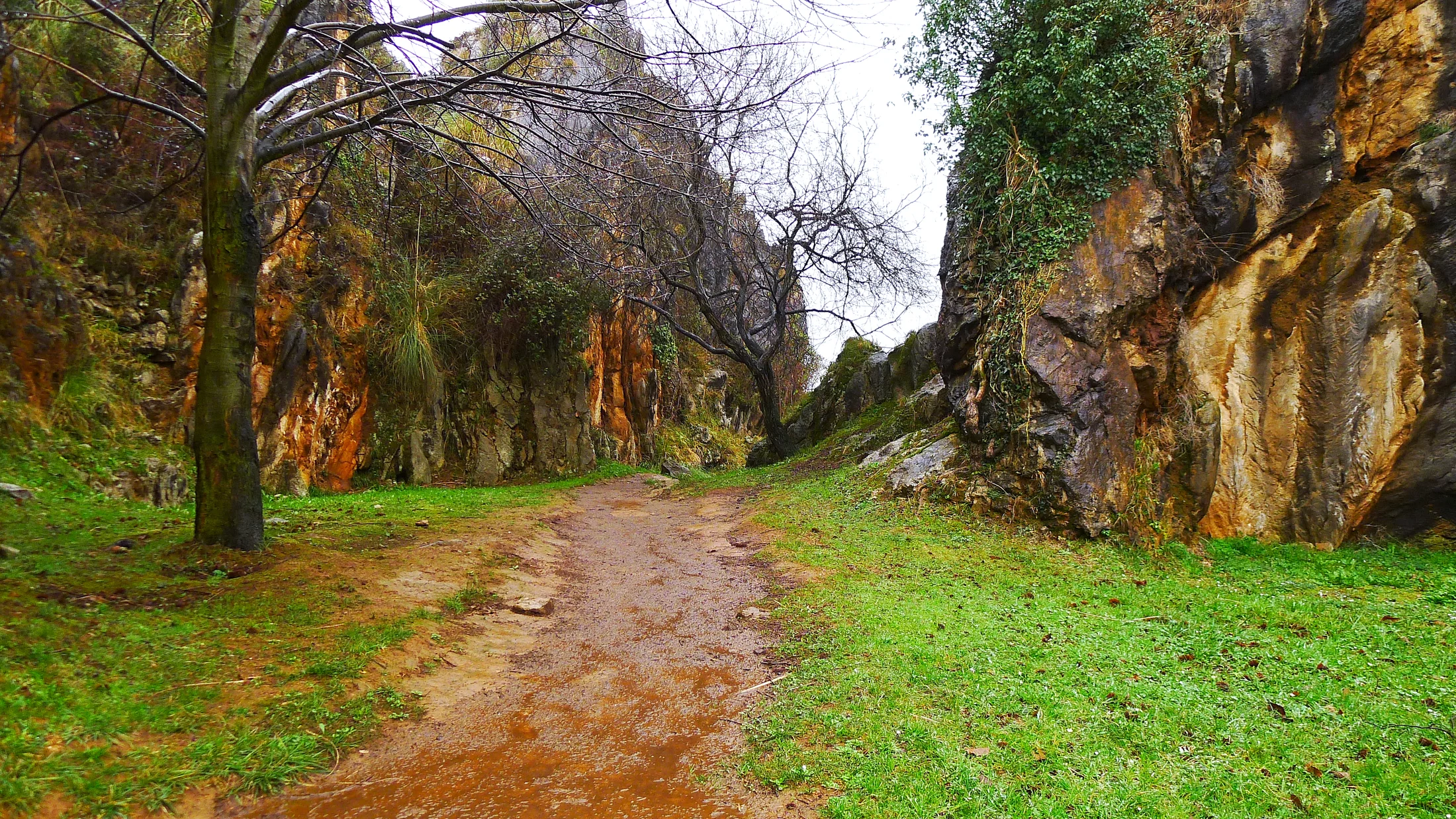
Start here if you want wild nature and easy logistics in one place. Cabárceno Nature Park blends a dramatic karst landscape with animals roaming large enclosures, creating a rare mix of immersion and comfort for families. Imagine red cliffs and green pastures stitched with quiet roads, while bison, elephants, and bears move against the Cantabrian hills.
You’ll get a practical, no-fuss plan: Cabárceno tickets 2026, Cabárceno opening hours, the Cabárceno cable car, and how to shape a driving route that fits your group. This guide is for first-timers, families with children, and travelers coming from Santander or Bilbao. Expect direct answers and time-saving routes so you can focus on seeing animals, not searching for signs.
A living landscape, not a city zoo
Parque Cabárceno was created in 1990 by reclaiming a historic open-pit iron mine near Obregón (Villaescusa), turning 750 hectares of karst into habitat. It differs from a traditional zoo: large, naturalized enclosures and long sightlines prioritize animal welfare and behavior research. The park is managed by Cantur (Government of Cantabria), which runs conservation, education, and breeding programs. You travel by internal roads and footpaths between valleys, with discreet fences rather than cages shaping the visitor route. Animals live in semi-freedom, which means you may wait for sightings—yet those moments feel earned.
The terrain looks like a crumpled green quilt, with rust-colored rock cuts from the old mines catching the light. Plan with patience and you’ll see more.
What you will take from this guide
You’ll learn how to get there from Santander and Bilbao, when to go, and where to park. You’ll understand Cabárceno tickets 2026 options, family discounts, and how to buy online to avoid queues. You’ll follow driving, walking, and cable car routes that fit half-day or full-day visits. You’ll get family-first advice: strollers, naps, food stops, rain plans, and how to keep the day calm.
Picuco te puede ayudar
Does something here catch your eye?
Tell us.
Write to us on WhatsApp or email: we answer questions, find the best options and help you sort out the booking.
Essential Info: Location, Hours, and Getting There
Begin with bearings so your day runs smoothly. Cabárceno sits in rolling countryside just inland from the Bay of Biscay, close enough to Santander for a short drive yet far enough to feel rural. Picture morning mist lifting off limestone ridges as you roll past small farms toward the gates.
Location and map: where it is and what to expect around it
Cabárceno lies in Obregón (municipality of Villaescusa), central Cantabria. It’s about 17–20 km south of Santander (20–25 minutes) and roughly 95–100 km from Bilbao (1 hour 10–20 minutes), depending on traffic. The setting is classic Cantabria: karst hills, grazing meadows, and quiet villages.
- Main approach roads:
- From Santander: follow
A-8orS-30ring road toCA-142and then signs for “Parque de la Naturaleza de Cabárceno.” - From Bilbao: take
A-8west, thenS-10/S-30, exiting towardCA-142and park signage.
- From Santander: follow
- Parking: Multiple free car parks are spread around key enclosures and gates; arrive early on weekends and holidays.
- Map tip: Download the official park map before arrival and star the cable car stations, main viewpoints, picnic areas, and restrooms. Offline access helps when mobile data dips in valleys.
Locals in Villaescusa and Penagos sustain this working landscape—drive slowly, respect farm traffic, and keep noise low near villages.
Hours and seasons: Cabárceno opening hours and best times
Cabárceno opening hours vary by season and holiday periods. Typical patterns are:
- Winter (roughly Nov–Feb): gates often open mid-morning and close mid- to late-afternoon.
- Spring/Autumn (Mar–Jun, Sep–Oct): extended daylight and longer closing times.
- Summer (Jul–Aug): longest days, with late closing and more frequent activities.
Public holidays (“puentes”) see earlier crowds and potential queues at the cable car. Weather shifts fast in Cantabria; pack a light rain layer and favor early mornings or late afternoons for animal activity and softer light. Always confirm updated “horarios Cabárceno” on the official site the week you travel, as schedules can change with daylight and events.
How to get there: car, public transport, and arrivals from nearby cities
The easiest option is by car, which lets you follow the park’s loop roads at your pace. For Cabárceno driving route planning, plug your gate of choice into the GPS and target a 9:30–10:30 arrival to stay ahead of crowds.
- Car routes (rutas Cabárceno coche):
- Santander →
A-8/S-30→CA-142→ park (20–25 min). - Bilbao →
A-8→S-10/S-30→CA-142→ park (1h 10–20 min).
- Santander →
- Without a car:
- From Santander: regional buses run toward nearby towns; the last leg often requires a short taxi (10–15 min) to the gates. Budget extra time for connections.
- Organized transfers: seasonal shuttles and private drivers operate from Santander and Bilbao; pre-book in high season.
Useful stops en route include quick grocery pick-ups for picnic supplies and fuel in Santander’s outskirts. If you land at Santander Airport, expect 15–20 minutes by car or taxi in normal traffic.
| Mode | From Santander (time) | From Bilbao (time) | Frequency | Pros | Cons |
|---|---|---|---|---|---|
| Car | 20–25 min | 1h 10–20 min | On-demand | Full flexibility; easy inside park | Parking fills late mornings |
| Bus + taxi | 40–60 min total | 2–2.5 h total | Hourly or less | Budget-friendly | Connections; less flexible |
| Organized transfer | 25–40 min | 1h 20–40 min | By booking | No driving stress | Fixed times; higher cost |
Tickets, Prices, and Savings: Buying Smart for 2026
Lock in Cabárceno tickets 2026 early to control budget and avoid queues. A morning breeze in the parking lots smells faintly of wet grass—arriving with prepaid tickets lets you head straight for animals instead of lines.
Ticket types and typical prices (cabárceno tickets 2026)
Expect a standard menu for 2026, with final amounts published by the park each season. Use these typical bands as planning anchors and always verify the official list before paying:
- Adult day ticket: commonly in the 30–40 € range.
- Child ticket (ages defined by park): often 15–25 €.
- Senior/reduced: discounted versus adult.
- Family bundles: combined pricing for two adults + children, usually better than separate buys.
- Annual pass: pays off for repeat visits; includes cable car access in many cases.
- Cable car combos: day ticket + Cabárceno cable car typically priced below separate purchases.
Policies and precise age brackets can change yearly. When you search “entradas Cabárceno 2026,” check the park’s official site for final prices, what the ticket includes (cable car lines, parking, shows), and blackout dates.
Where and when to buy: online, ticket offices, and combos
Buy online to skip queues, pick your date calmly, and catch early discounts or dynamic pricing on busy weekends. Use the official website or authorized channels and keep the QR handy on your phone; print a backup if your battery worry is real. In high season and long weekends, book 7–10 days ahead—earlier if you want cable car prime hours.
- Best strategy:
- Lock the day tickets online.
- Add the cable car combo if your group loves viewpoints.
- For stays in Santander or rural houses nearby, some lodgings sell packages; compare total cost and flexibility.
If you prefer the ticket office, arrive before opening to minimize wait times; lines grow quickly on sunny Saturdays.
Discounts and offers for families, groups, and residents
You’ll find discounts for large families, children, seniors, and sometimes students. Bring documentation: family card, ID, or student proof. For groups, ask about minimum headcount and pre-booking windows; coaches must follow designated parking rules.
- Practical tips:
- Pack IDs for all beneficiaries to speed verification.
- Watch seasonal promos in shoulder months (spring/autumn weekdays).
- Residents of Cantabria may access local offers at times; confirm required proof of address.
To avoid chasing promos, choose the earliest online rate that fits your date and lock the cable car combo if your plan includes it.
Routes and Recommended Ways to Explore
Pick your style—wheel, foot, or cabin—and match it to your time. Late morning light warms the red rock faces and brings long silhouettes of giraffes and deer into view.
Driving routes: a smart loop and must-stop points
A Cabárceno driving route saves legs and keeps kids engaged between enclosures. Start early at a main gate, then follow a clockwise loop, parking near big-ticket animals to avoid doubling back.
- Suggested order (clockwise): elephants → rhinos → giraffes → lions → bears → primates → birds of prey area → lake viewpoints.
- Allow 4–6 hours for an unhurried loop with photos and snack breaks.
- On peak days, park once for clusters of enclosures and walk between them to dodge lot traffic.
Drive below posted limits, watch for pedestrians, and never feed or call animals. If a lot is full, move on and circle back later; the flow usually improves after lunch.
Walking routes: short trails, timings, and where to stretch your legs
Even if you drive, pick two or three walking stretches where footpaths connect nearby enclosures. These short walks break up car time and let kids explore safely.
- Easy segments: around lake areas, between bird of prey arena and adjacent viewpoints, and selected primate zones.
- Time: 20–45 minutes per segment at family pace, including photo stops.
- Gear: closed shoes with grip, light rain layer, and water. Paths can be damp after showers.
Choose loops with clear signage and avoid steep, wet descents. For photos, pause at bends where the backdrop shows rock walls and open fields.
Cable car: panoramic lines, hours, and how to ride well
The Cabárceno cable car adds a soaring perspective across valleys and enclosures. Two lines usually operate, linking stations near major zones and crossing above lakes and cliffs.
- Experience: broad views over elephants, deer hills, and karst ridges; rides are typically 15–30 minutes total depending on line.
- Hours: mirror park hours with weather holds for wind or storms; closures can be sudden for safety.
- Practical:
- If you plan to fly in prime time, buy a combo and ride either early or mid-afternoon to avoid queues.
- Weight and capacity limits apply; staff will guide boarding.
For a calm ride with children, pick mid-morning before heat shimmer and crowds. When searching “telecabina Cabárceno,” check same-day status boards near stations.
E‑bikes and cycling: where it works and how to do it safely
Cycling can be a rewarding way to weave quiet roads if permitted on the day you visit; policies can vary by season and events. Confirm bike access at the entrance and consider e‑bikes to flatten hills.
- If riding is allowed:
- Prioritize low-traffic loops near lakes and viewpoints; avoid steep, narrow grades in wet conditions.
- Helmet, lights, and gloves recommended; carry a spare battery or moderate assistance levels.
- Park bikes only in designated areas; never lean them on fences.
Combine short rides with long animal-watching pauses, keeping voices low near sensitive species. If cycling is restricted during your date, follow the driving/foot plan instead.
Top Activities and Can’t-miss Stops Inside
A good day balances motion and stillness: move between zones, then pause long enough to notice animal rhythms. Warm afternoon air carries the call of birds of prey across the arena.
Cable car and panoramic viewpoints
From the cabins you see the park’s geometry—valleys carved by mining, now softened by grass and trees. Aim for early light or the last hour before closing for photos with depth and gentle contrasts. The ride length depends on line; budget 15–30 minutes total across stations, plus queue time.
- Best practice:
- Ride once mid-morning, once late day if crowds and time allow.
- Keep a wind layer handy; cabins can feel breezy near summits.
- Use the map to step off near viewpoints with benches or shaded platforms.
Search “telecabina Cabárceno” on arrival boards for any weather holds and station-specific queues.
Animal talks and shows
Daily programming often includes keeper talks, feeding windows, and a birds of prey demonstration. Talks help kids connect behavior with habitat, and the raptor show—if scheduled—reveals silent arcs and controlled dives.
- Typical rhythms:
- Late morning and mid-afternoon are common for demonstrations.
- Crowds peak on weekends and holidays; arrive 15–20 minutes early.
- Etiquette: stay behind lines, avoid flash and loud calls, and respect staff guidance.
Check the day’s schedule at the gate or on notice boards and build your loop so you land near the arena or feed sites on time.
Educational activities and workshops for kids
Look for seasonal workshops, school-focused itineraries, and downloadable materials that explain species, geology, and conservation in plain language. Many run 45–90 minutes, enough to learn without tiring smaller children.
- What to ask:
- Age suitability, languages offered, and booking windows.
- Whether the session pairs with a keeper talk or a dedicated trail.
- If materials are printable to use later back at school.
Audioguides or app-based content can keep older kids engaged between enclosures, turning waits into discovery.
Picnic areas, restaurants, and rest points
Picnic zones sit near lakes and shade trees, while cafeterias and simple restaurants serve family basics—sandwiches, salads, hot dishes, and kids’ options. Expect mid-range prices typical of major attractions; confirm menus and hours at the gate.
- Planning tips:
- Pack water, fruit, and snacks; top up with a warm meal on site.
- Lunch early (before 13:30) or late (after 15:00) to dodge queues.
- Clean up thoroughly—wind carries litter into enclosures fast.
For toddlers, identify baby-changing facilities and quiet corners near picnic lawns where strollers can park under shade.
Where to Stay, On-site Services, and Accessibility
Base yourself nearby for a slower pace, or in Santander for city comforts and seaside evenings. After sunset, the limestone ridges hold the day’s warmth like a quiet hearth.
Recommended stays and options by budget
You’ll find family hotels in Santander, rural houses around Villaescusa and Penagos, and coastal apartments within 30–40 minutes. Book early for summer weekends and school holidays.
- Typical ranges (confirm current rates before booking):
- Rural houses (2–4 pax): about 80–150 € per night depending on season and amenities.
- Family hotels in Santander: roughly 90–180 € per night for standard doubles or family rooms.
- Camping bungalows (nearby areas): around 60–120 € per night.
Choose based on travel style:
- Families with small kids: rural houses with kitchens and parking.
- Couples: boutique inns in countryside villages like Liérganes (about 12 km away).
- Day trippers: city hotels in Santander to combine beach walks and park day.
Compare accommodation + ticket bundles when available and cross-check total flexibility and refund terms.
Services in the park: food, shops, rentals
Inside the park, expect:
- Restaurants and cafeterias with staggered hours; some close off-peak or on certain weekdays.
- Shops with park-themed souvenirs and basics you may have forgotten (hats, sunscreen).
- Baby-changing areas and accessible restrooms at main hubs.
- Stroller-friendly paths in flatter zones; confirm rental options at the gate if available that season.
Plan meals along your route—eat early near the arena or wait to dine by lakes for shade and space.
Accessibility and safety: rules, emergencies, and easy mobility
Many viewing platforms and main paths are accessible, though some grades are steep due to the natural terrain. Ask at the entrance for the most accessible loop that day.
- Good to know:
- Speed limits are strictly enforced; wildlife and pedestrians share roads.
- Keep safe distances from fences and never feed animals.
- First-aid points are indicated on the park map; carry a small personal kit for minor scrapes.
- Strollers work best on paved paths; carriers help on short uneven stretches.
If traveling with seniors or babies, plan a midday rest stop in shade and target the cable car outside peak heat.
Practical Family Tips That Actually Work
A calm plan turns a big park into an easy day for little legs and big curiosity. The scent of pine and damp earth keeps everyone alert without the city buzz.
Preparation and what to pack
Pack light but smart, then stage items near the top of your day bag. For all seasons in Cantabria, layers win.
- Essentials:
- Water bottles, fruit, and snacks; refill when you see fountains.
- Sun protection: hats, sunscreen, light long sleeves.
- Rain layer and a warm fleece; weather changes quickly.
- Closed shoes with grip for wet paths.
- For babies: diapers, wipes, a compact changing mat, and a light blanket.
- Small first-aid kit: plasters, antihistamine for bites, kids’ pain reliever.
- Prep kids: explain that animals are not on-demand and quiet watching gets better views.
Itineraries tailored to kids of different ages
Design routes around energy cycles, not just map lines. Use the cable car or clustered enclosures as anchors.
- Ages 0–5 (3–4 hours total):
- Drive short hops between 3–4 key enclosures; take one gentle cable car ride.
- Prioritize picnic lawns and shaded playground-style breaks.
- Nap window: plan a long car segment when little ones usually sleep.
- Ages 6–12 (5–6 hours):
- Mix 2–3 walking segments (20–30 min each) with talks or the raptor show.
- Use the map as a treasure hunt—spot species and viewpoints.
- Teens (6–7 hours):
- Add longer walks, two cable car lines, and photography stops.
- Let them lead navigation and time-keeping to build ownership.
If rain arrives, pivot to more driving, indoor talks, and café breaks until showers pass.
Food, rest, and handling curveballs
Keep meals early or late to skip lines and maintain steady mood. Cafeterias heat bottles and simple baby food; carry your own utensils.
- Shade and rest:
- Lakeside lawns and signed rest areas offer benches and trees.
- Bring a lightweight ground sheet for picnic flexibility.
- Contingencies:
- Rain: switch to cable car (if operating), cafés, and keeper talks.
- Fatigue: shorten the loop and focus on one valley before exiting.
Pets are generally restricted; confirm current policy and never leave animals in cars—even with cracked windows.
Frequently Asked Questions (faq)
The following answers solve the most common planning doubts quickly. Morning mist, clear signs, and a solid plan keep the day on rails.
1.How and where do I buy tickets, and what should I know for 2026?
Buy online first whenever possible. Go to the official site or authorized sellers, select your date, choose standard or combo (with cable car), and pay to receive a QR code. Screenshot the QR in case mobile data dips; printing a backup helps if your battery runs low.
- When to buy:
- Summer weekends and public holidays: 7–10 days ahead.
- Shoulder seasons and weekdays: 3–5 days ahead is usually enough.
- Refunds and changes: policies are set by the park and can differ by ticket type; read them before checkout.
- Cabárceno tickets 2026: prices and age brackets may be updated seasonally; check the official list close to your date and confirm what the combo includes (which cable car lines, if any seasonal limits apply).
If you must buy at the ticket office, arrive before opening to reduce waiting. Keep IDs handy for discounts (large family, reduced, senior). For groups, ask about minimum numbers and booking windows.
2.What are Cabárceno opening hours and the best time to visit?
Horarios Cabárceno follow seasonal daylight. Winter months usually mean shorter days (late afternoon closing); spring and autumn extend closing times; summer runs latest. Public holidays and long weekends attract bigger crowds.
- Best windows for sightings:
- Early morning: animals are more active and light is soft.
- Last 90 minutes: crowds thin and temperatures drop.
- Queue avoidance:
- Enter within the first hour after gates open.
- Ride the cable car either right away or mid-afternoon.
Always verify the current schedule on the official site the week you go; weather, maintenance, or events can shift opening and closing times at short notice.
3.Can I tour the Park by car, and how long does the recommended loop take?
Yes, most visitors explore by car, using internal paved roads and numerous parking areas near enclosures. Follow posted speed limits, yield to pedestrians, and never stop on narrow bends.
- Time needed:
- Efficient loop with quick stops: about 3–4 hours.
- Family-friendly pace with photos, snacks, and one show: 5–6 hours.
- Rutas Cabárceno coche tips:
- Park once near clusters of enclosures and walk between them.
- Use the map to avoid backtracking—go clockwise or counterclockwise with purpose.
- On peak days, skip full lots and circle back later.
Watch for signage toward major animals—elephants, rhinos, bears, big cats—and plan your loop around any timed talks you want to catch.
4.Does the cable car run year-round, and is it suitable for children?
The cable car typically operates whenever the park is open, but it closes during strong winds or storms for safety. Cabins seat families comfortably; staff advise on boarding, weight, and stroller handling.
- For kids:
- It’s generally suitable and a highlight for many.
- Bring a wind layer; cabins can feel breezy.
- Hold hands on platforms and keep backpacks zipped.
- Using the telecabina Cabárceno well:
- Book a combo ticket if you know you’ll ride.
- Aim for early morning or mid-afternoon to avoid long lines.
- Check station boards for real-time status before walking over.
In poor weather, prioritize ground enclosures and cafés, returning to the cable car when conditions improve.
Book your experience — discover outdoor activities across Spain with providers verified by Picuco.
Conclusion and Next Steps
Your best day at Cabárceno balances planning and patience. Late light on red rock and quiet animal movement are your rewards for a steady pace.
The essentials at a glance
Arrive early from Santander (20–25 minutes) or Bilbao (about 1 hour 15 minutes), and confirm Cabárceno opening hours the week you go. Buy Cabárceno tickets 2026 online, consider a cable car combo, and carry IDs for discounts. Follow a simple driving loop, add two short walks, and time one keeper talk or the raptor show. For families, pack layers, snacks, a nap window, and a rain plan.
How to book and prepare with confidence
Reserve your tickets online as soon as dates firm up, especially for summer weekends and public holidays. The day before, download the park map, check the cable car status, and stage your day bag with water, layers, and a light picnic. Share this guide with your travel group so everyone knows the plan and timings. Finally, verify schedules on the official site on the morning of your visit—small updates can make a big difference to a smooth, unhurried day.