The Week That Rewired My Summer
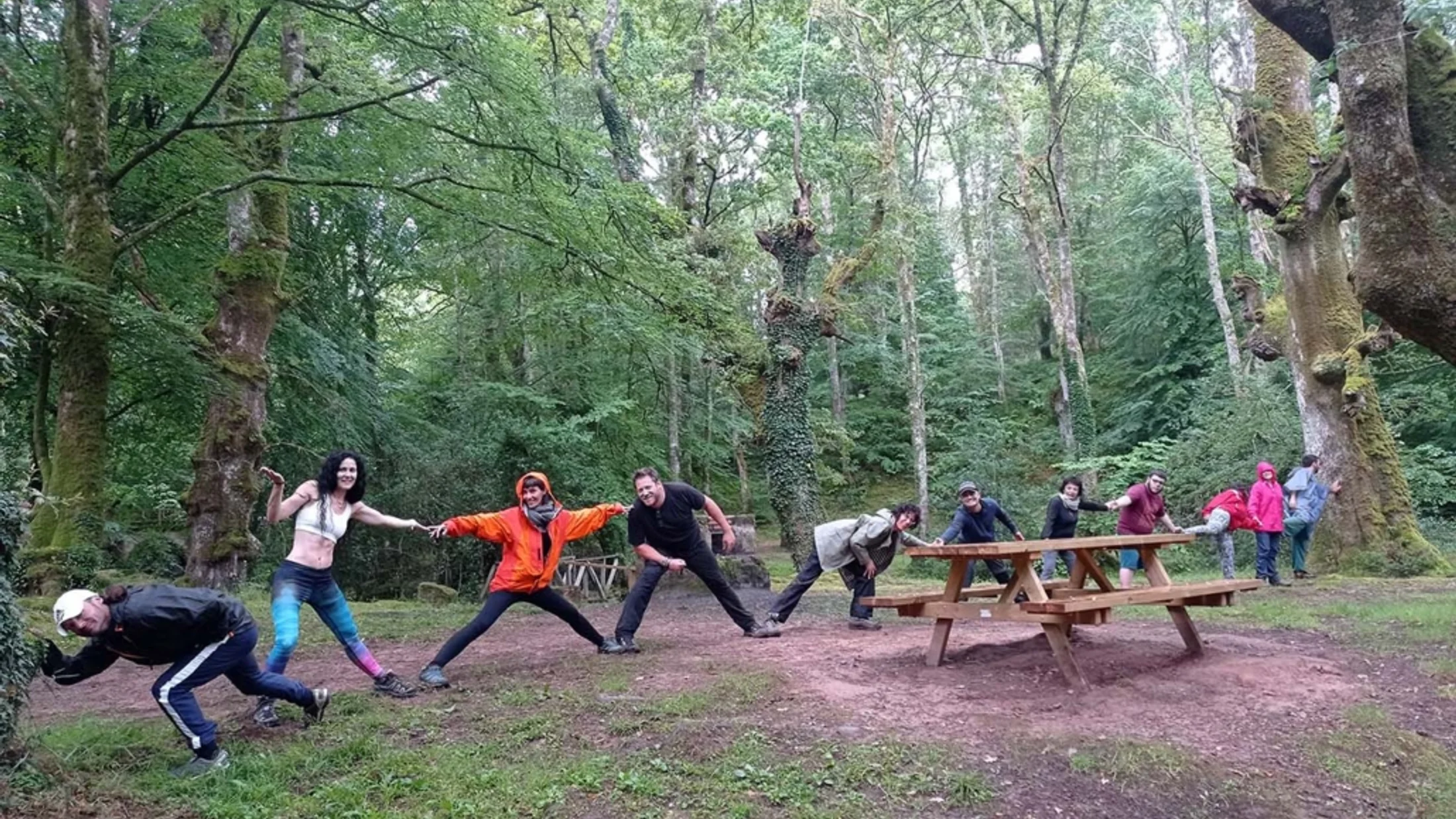
I didn’t know I needed a reset until Asturias handed me one. In early July, I spent six days in a small valley on the edge of Picos de Europa with twelve strangers and two guides, a mix of rock beginners, weekend trail runners, and three friends escaping office screens. I chose it after hunting for adult adventure camps Spain because I craved structure, outdoor skills, and a complete break from my phone.
On the first morning I felt a knot of fear clip into my harness, yet by day three the knot had loosened into trust. The program blended canyoning, K3 via ferrata, and quiet river walks with campfire dinners and device‑free evenings that made space for real talk. One sentence still holds the scent of that week: pine resin and cold river spray felt like a new alphabet for my body.
The immediate impact surprised me: I slept deeply, laughed easily, and remembered names without effort because my head wasn’t juggling notifications. It wasn’t a heroic challenge; it was a rhythm—mornings for movement, afternoons for skills, nights for stories—that made growth feel normal. That rhythm is why the week stayed with me long after the bruises faded.
You’ll find both inspiration and practical steps here. I’ll break down why these experiences work, how to pick the right program, and where in Spain multi‑adventure and digital‑detox retreats thrive. Read on if you want a clear path—choosing dates, what to pack, what questions to ask—so your next summer carries the same quiet charge into autumn.
Picuco te puede ayudar
Does something here catch your eye?
Tell us.
Write to us on WhatsApp or email: we answer questions, find the best options and help you sort out the booking.
Why Adults Are Choosing Camps Over Conventional Holidays
Let’s start with what your nervous system actually needs. Structured time in nature reliably lowers stress hormones, with reviews in Environmental Research (2019) and Frontiers in Psychology (2020) linking green exposure to reduced cortisol and improved mood within days. A large UK study in Scientific Reports (2019) suggests 120 minutes per week in nature is a threshold for higher well‑being, and adult summer camps Spain routinely exceed that in a single weekend.
Camps differ from regular holidays because they remove choice overload and add purposeful community. Group challenges—like a partner belay or a team navigation game—train co‑regulation, the simple act of breathing and moving in sync that steadies attention and mood. Social psychologists call this “collective efficacy,” and field studies show teams solving shared tasks bond faster and retain skills longer than solo learners.
One image stays with me when I explain the difference: a circle of headlamps blinking out together after lights‑out, followed by mountain dark that settles like a blanket.
Digital detox isn’t a slogan here; it’s the design. Clear device policies, signal‑light bases, and guided downtime stop the mind from seeking micro‑rewards. Research from Computers in Human Behavior (2018) shows even short phone‑free intervals reduce anxiety and boost focus, especially when paired with physical activity. Add daily novelty—ziplines, cold water, map skills—and you get an accelerant for neuroplasticity, the brain’s way of laying new wiring for habits.
The social return is equally real. You practice direct asks, boundaries, and celebration in small, low‑stakes cycles: “Your anchor is solid,” “I’m skipping the jump,” “Let’s debrief the route.” That repetition transfers home. And unlike a resort week, you carry away a toolbox: warm‑ups you’ll keep, a better pack system, and a memory of being fully present that’s easier to find again.
The Rhythm, Kit, and Expectations That Make It Work
Pace is the secret architecture. Good adult adventure programs alternate “stressors” (a canyon section, a via ferrata move, a navigation task) with recovery blocks (river lunch, mobility work, journaling) so your body learns without frying your nerves. Think 60–90 minutes up, 30 minutes down, repeat.
I still recall one concentrated moment: rope in hand, calves humming, and a breeze that felt like it was rinsing my thoughts clean.
Set your mindset before you pack a thing. Replace “I must do everything” with “I will test, refuel, and choose.” That means you can skip a jump, ask for a down‑climb, or take the blue route while others try red. Instructors expect this, and the best ones build parallel options.
Pack simply, then add only what solves a real problem:
- Footwear: approach shoes or sticky‑soled trainers; broken‑in hiking boots for rocky terrain.
- Layers: quick‑dry base, light fleece, windproof shell; spare socks in a dry bag.
- Swim kit: neoprene socks or thin gloves if cold water days are planned.
- Hands and head: half‑finger gloves for via ferrata, sun cap, warm beanie.
- Health: personal meds, blister kit, electrolytes, sunscreen, insect repellent.
- Essentials: compact towel, headlamp, 1–1.5 L water bottle, small journal, earplugs.
Modulate intensity like a dimmer, not a switch. Beginners can start with lower exposure (shorter ferrata, guided rappels, Class I–II waters), while experienced folks can add load (carry group gear), pace (lead sections), or complexity (navigation). Emotionally, set two boundaries on day one: what you’ll try once and what you won’t try yet. Share them with your guide and a buddy so the group supports your line.
Practical tip
Say your boundary as a positive: “I’m in for low jumps today and will reassess after lunch.” It invites support and leaves the door open for growth.
Step by Step: Choose, Book, and Prepare
1.How to choose: criteria and program types
Start by matching your goals to a program’s spine. In Spain, you’ll see organizers label offerings as “campamentos para adultos” (adult camps), “campamentos multiaventura adultos” (multi‑adventure camps adults), or “retiro aventura adultos” (adventure retreats adults). These labels signal how intense, social, or reflective the week will be.
I picture the decision like a forked trail at a sunny col: one path climbs fast, the other meanders through shade toward a spring.
Assess these criteria:
- Modality: skill‑heavy (climbing/canyoning) vs. mixed (hiking, paddling, ferrata) vs. reflective (yoga, mindfulness, slow hikes).
- Duration: weekend warm‑up vs. 5–7 days for deeper resets.
- Physical level: daily elevation gain, water exposure, heights, and cold tolerance.
- Group size: 8–12 feels intimate; 14–18 suits social extroverts and parallel tracks.
- Philosophy: device policy, feedback culture, environmental ethics.
Ask organizers:
- What is the highest exposure day and the easiest day?
- How are parallel options handled if I opt out?
- What qualifications do guides hold for water, rope, and first aid?
- What’s the mix of solo time vs. group time?
Read reviews for patterns, not perfection. Look for consistent mentions of safety briefings, clear pacing, and post‑activity debriefs. A single weather‑ruined day says little; repeated notes on poor communication matter.
2.Booking and logistics: budget, dates, and transport
Block dates that match your personal tide. If you run on slow mornings, avoid schedules with dawn starts every day; shoulder seasons (late May–June, Sept–Oct) in northern Spain often mean cooler temps and quieter trails. For availability, search “campamentos aventura España” and filter by region; northern mountains offer active summers while southern sierras shine in spring and autumn.
I hear the clack of a train door in my memory, the quick hush as the carriage rolls toward a green coastline.
Before you pay, confirm:
- Deposit, balance due date, and transparent cancellation terms.
- What’s included: technical gear (harness, helmet, wetsuit), meals, transport between activities.
- Insurance: whether activity and accident coverage are included; if not, add travel/activities insurance yourself.
- Minimum numbers and go/no‑go thresholds for weather.
Logistics:
- Transport: Many bases sit within 60–120 minutes of airports like OVD (Asturias), SDR (Santander), BIO (Bilbao), BCN (Barcelona), or AGP (Málaga). Trains and buses connect well to regional hubs.
- Coordination: Offer ride shares in group chats; agree early on pick‑up points and food stops.
- Budget: Plan for program fee, transport, insurance, and small extras (snacks, local baths, laundry). Confirm updated prices on Picuco or with the organizer.
3.Personal preparation and kit: what to bring and how to acclimate
Keep your list lean and field‑tested. Your base kit should include:
- Footwear for wet and dry days, plus camp sandals.
- Quick‑dry clothing for 3–4 activity days; warm layer for evenings.
- Compact first‑aid pouch with personal meds and allergy cards.
- Minimal chargers: one cable, one small power bank; airplane mode is your friend.
- Reusable bottle, collapsible cup, lightweight lunch box.
In my final week before leaving, dawn air on a local hill felt crisp enough to nudge my lungs awake.
Acclimate your body:
- Three weeks out: add 2–3 brisk walks (45–60 minutes) and a short stair session weekly.
- Ten days out: practice grip—hanging, farmer’s carries—and 10 minutes of hip/ankle mobility daily.
- Two days out: taper; prioritize sleep and hydration.
Prepare your mind for desconexión digital naturaleza (digital detox nature). Tell friends you’ll be offline, set a simple autoresponder, and print any tickets. Move essentials to analog: a paper map, a tiny notebook for to‑dos that pop up. Decide one photo window per day so you don’t keep reaching for the phone.
Where and What: Adult Camps Across Spain
Spain doesn’t offer just one flavor of outdoor retreats Spain; it’s a mosaic of microclimates and cultures. The north gives you Atlantic green and limestone walls; the east leans into volcanic folds and old beech stands; the south opens dry sierras and warm rivers. Match your aim—skill, movement, or rest—to the land that holds it.
I keep a single picture in mind when mapping choices: a compass on a wooden table, needle steady while the map lines curve and bend.
Multi‑adventure and the campamento multiaventura Asturias: activities and who thrives here
A multi‑adventure camp stacks varied days—zipline courses, rappels, canyoning, technical hiking, and via ferrata—so you build competence across water, rope, and rock. Participants are usually active adults who want skills without the intensity of a single‑sport clinic. If you like variety and the pleasure of “firsts,” this is your lane.
I remember limestone rising pale against a washed‑blue sky as our guide pointed a line that curved like handwriting across the cliff.
Why a campamento multiaventura Asturias stands out: short transfers from valleys to canyons, reliable summer operations, and ranges that cradle both beginners and confident movers. Expect:
- Canyoning: pools, slides, and rappels with wetsuits; swims are short but steady.
- Via ferrata: protected climbing using a steel cable and ladders, graded around
K2–K3for moderate programs. - Technical hikes: scree, hands‑on steps, and optional summits; altitudes often between 300–1,400 m.
A sample plan might run: Day 1 ferrata and movement school, Day 2 canyon, Day 3 rest hike and skills, Day 4 ferrata plus optional night walk, Day 5 canyon or kayak, Day 6 community challenge and long lunch. You should be able to walk 10–14 km and manage heights at waist‑high exposure; guides adapt routes and anchors for comfort and safety.
Rural retreats and themed programs: digital detox and wellbeing
Retreat‑style programs center on quiet, routines, and care of attention. Morning breathwork or yoga, slow forest walks, guided journaling, and teach‑ins on stress and sleep are common, with clear device boundaries that keep phones off or in lockers except for a brief daily check.
I still hear the light clink of ceramic mugs at sunrise and the hush of dew lifting off grass like steam.
Food skews seasonal and local—vegetable stews, river fish where appropriate, cheeses and breads from nearby producers—so you feel the landscape at the table. Days are spacious: two activity blocks, long meals, and a dusk circle. “Desconexión digital naturaleza” is built into the design: signal‑light locations, no‑photo zones, and creative play (sketching, knots, wildflower ID) that replace scrolling. Regions that fit beautifully include Sierra de Gata (oak woodlands and dark skies), Matarraña (clear rivers and stone villages), and La Garrotxa (extinct cones and beech forests), all with communities used to welcoming walkers who tread lightly.
Practical Safety and Group Harmony
Good camps put safety first without sucking the joy out of the day. You can help by doing a pre‑trip health check if you’re starting a new medication or have a condition that affects heat, cold, or altitude. Travel and activity insurance matters too; ensure coverage for canyoning, ferrata, and kayaking if they’re on the plan, and carry your policy info on paper.
A single moment captures the calm that follows preparation: the quiet click of a correctly locked carabiner before your first step out.
Ask about emergency protocols: guide‑to‑base comms, evacuation routes, and nearest clinic. Share allergies and meds with your lead guide privately, and carry a spare dose in a separate pocket. For hygiene, wash hands before shared snacks, keep plasters on minor cuts in water, and air gear to avoid rashes. Hydration is simple but non‑negotiable; carry electrolytes if you cramp easily.
Group life works when everyone rows the same direction:
- Respect turns and time: show up ready at briefing time with boots on.
- Signal clearly: thumb up/down, “Take,” and name‑use for calls.
- Debrief generously: one thing you learned, one thing you appreciated.
- Hold space: some people process quietly; let the silence do work.
- Leave No Trace: pack out all waste, step off fragile vegetation, keep noise down near farms.
Important
If something feels off—fatigue, an anchor that worries you, a blister turning ugly—speak up early. Small problems are easy; late problems are loud.
Finally, voice your needs without drama. If you sleep light, request a tent edge. If you fast in the mornings, tell the cook so a snack appears at ten. Teams can adapt to most things when they know them.
Book your experience — discover outdoor adventures across Spain with Picuco‑verified providers.
Conclusion
The biggest lesson I carried home wasn’t a knot or a route; it was a way of paying attention. A few phone‑free days in moving air let my head quiet and my body remember how to work with others—following, leading, laughing, and choosing well under a little pressure. That reset made everyday decisions feel lighter, and my weekends started to look different: a dawn walk instead of a screen, a call to a friend instead of a scroll.
I keep one image near the front of my mind for the hard days: a long exhale beside a river where the water sounded like punctuation to whatever I needed to say.
If you’re curious, start small and soon. Try a one‑day workshop near home or a weekend version before you commit to a full week. Read a handful of recent reviews and ask direct questions about pacing, parallel options, and device policy. Then mark your boundary lines, pack light, and go meet the land and the people who host it—guides, farmers, cooks—who keep these places alive. When you return, anchor the experience: one weekly outdoor block on your calendar, a friend to share it with, and a simple ritual that reminds you the camp is not over; it just moved into your life.