Why Coasteering in Spain Belongs on Your Adventure List
What coasteering is and why Spain
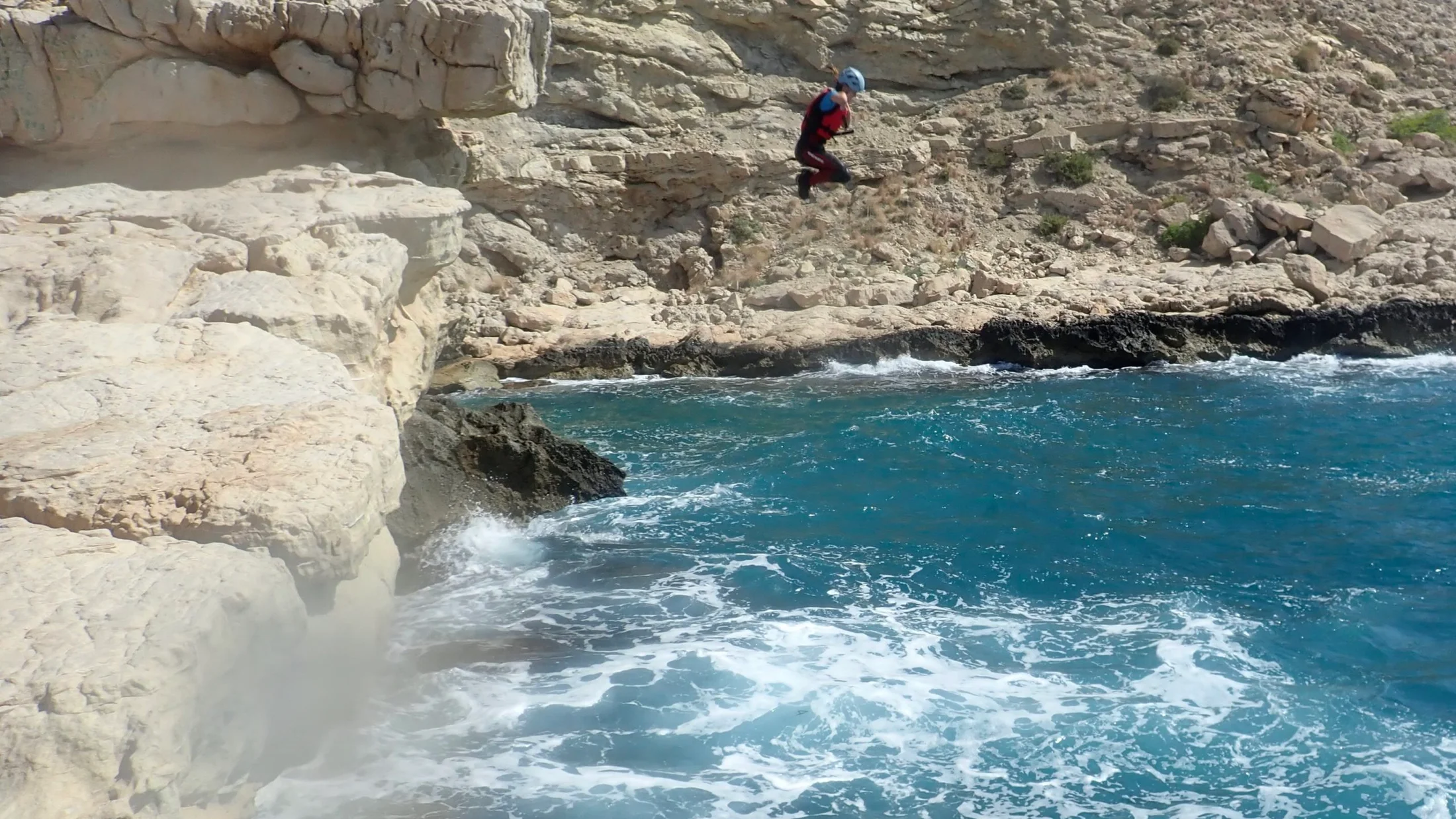
Leap, swim, scramble, repeat: coasteering blends coastal hiking, easy climbing, cliff jumps, and swimming along rocky shorelines. In practice, you traverse a segment of coast at sea level, using handholds on rock, jumping into safe pools, and swimming across short channels under a guide’s supervision. Spain fits this sport perfectly because its coasts offer striking variety: the Cantabrian Coast faces Atlantic swells and sculpted cliffs, while Mediterranean Spain delivers clear, warmer waters and sheltered coves. One moment you edge along dark limestone; the next, you surface in turquoise light.
- On the Cantabrian Coast (Asturias, Cantabria, Basque Country), expect punchier swell, dramatic headlands, and tidal caves that shape routes with natural “obstacle courses.”
- On the Mediterranean side (Costa Blanca, Murcia), the sea often sits calmer, visibility soars for snorkel passages, and limestone arches form accessible jump platforms.
- In Galicia’s Atlantic rías, you’ll mix gentle cliffs, natural pools, and island channels braided by tides.
If you’re looking for coasteering Spain experiences, you’ll find guided tours in Spain for every level—families, mixed-ability groups, and adrenaline seekers alike. Salt beads on your skin as a gull wheels above the next ledge. Choose your sea, choose your style.
How we chose the destinations
We selected six standout areas with safety, accessibility, and genuine variety at the core. Routes here are well-studied by certified local guides, and conditions typically allow seasonal programming for different levels. Foam bursts white against black rock, then slides back like silk.
Key criteria we used:
- Safety first: clear exit points, predictable tide/jump zones, and emergency access.
- Professional oversight: operators with qualified guides, insurance, and briefings.
- Access and logistics: nearby parking, trailheads, or short ferries where needed.
- Sea conditions: typical swell, wind, and visibility for each season.
- Landscape and sport value: features that enable jumps, traverses, and swims for multiple levels.
- Route diversity: options for beginners to advanced within a compact area.
These criteria help you match destination to skill: calm coves for first jumps, or technical traverses for confident swimmers who want bigger swell and commitment.
Picuco te puede ayudar
Does something here catch your eye?
Tell us.
Write to us on WhatsApp or email: we answer questions, find the best options and help you sort out the booking.
The Best Destinations for Coasteering in Spain
1.Asturias (llanes and Playa del Silencio): Cantabrian drama with accessible jumps
Sharp cliffs, blowholes, and deep green water make coasteering Asturias a natural classic. From Oviedo, reach Llanes in about 1 h 15 min via the A-8; Playa del Silencio lies west near Cudillero, a 50–60 min drive from Gijón, also via the A-8. Spray lifts on a breeze that smells faintly of seaweed and fern.
Why it stands out:
- Mixed terrain: pocket coves, smooth ledges, basaltic steps, and reliable jump pools.
- Good starter–intermediate progression with optional higher jumps on certain lines.
- Strong coasteering Cantabrian character—more energy, louder swell, and tidal rhythm.
At a glance:
- Difficulty: beginner to advanced, with clear exits and guide-managed jump heights.
- Typical route time: 2.5–3.5 hours.
- Price: 45–70 € p.p.; confirm current pricing on the operator’s page or compare options on Picuco.
- Best season: late May to September; shoulder seasons depend on swell and daylight.
- Getting there:
A-8corridor links the coast; local lanes access the start points.
Local tips:
- Footwear with solid grip matters on damp limestone; neoprene socks help with comfort.
- Watch for currents at channel crossings—your guide times swims between sets.
- Certified local teams run daily tours in summer; ask for short vs. committing routes if it’s your first time.
2.Cantabria (san Vicente de la Barquera / Costa de los Picos): vertical scenery, tidy logistics
Between Oyambre’s beaches and the cliffs west of San Vicente, Cantabria offers condensed, technical coasteering within easy reach. From Santander it’s ~60–70 km via the A-8, with parking at trailheads and quick walk-ins to ledges. The scent of pine from nearby dunes meets iodine-laced spray as you gear up.
Why it stands out:
- Clean limestone bands for traverses, sheltered pockets for swim sections, and select caves workable at mid–low tide.
- Proximity to town simplifies logistics: short shuttles, snacks after, and varied backup plans.
- Strong options for intermediate days when you want structured, guide-led technical moves.
At a glance:
- Difficulty: beginner with no mandatory big jumps, through to intermediate-technical.
- Typical route time: 2–3 hours; advanced add-ons available with stable swell.
- Price: 45–65 € p.p.; check inclusions (photos, snacks, transfers).
- Best season: June to September; spring/autumn depend on fronts and tide ranges.
- Access:
A-8to San Vicente; short local drives to coves; parking usually available.
Safety and notes:
- Coasteering Cantabrian routes change with tide; listen for guide briefings about surge windows.
- Helmets fit snug—re-check chin straps after first dunk.
- Local certified guides provide group ratios fitting sea state; ask about max jump height choices.
3.Zumaia Flysch (basque Country): sculpted geology and tide-smart adventures
Zumaia’s flysch—layer-cake rock tilted by time—creates a natural playground with platforms, runnels, and short swim corridors. From Donostia–San Sebastián, take the AP-8 and local GI-2633; parking sits near coves and the famed Itzurun area. A cormorant lifts dripping wings on a ledge of striped stone as waves fold in.
Why it stands out:
- World-class landscape value: sharp strata, natural “steps,” and unique visual drama.
- Ideal for tide-savvy lines: features appear or vanish depending on sea level.
- Paired viewpoints above the coast let friends watch sections from safe headlands.
At a glance:
- Difficulty: confident beginner to advanced—routes shift with swell and tide.
- Typical route time: 2.5–4 hours; longer traverses link more features at mid tide.
- Price: 50–75 € p.p.; verify seasonality and equipment coverage.
- Best season: late spring to early autumn; summer offers the most consistent windows.
- Access:
AP-8corridor; trains to Zumaia station plus short taxis work without a car.
Precautions:
- Tides matter—your guide targets slots when surge and set waves remain manageable.
- Expect barnacle-slick patches; choose footwear with stiff soles and sticky rubber.
- Ask about non-jump variants if heights concern you—traverses often bypass ledges.
4.Costa Blanca (cala Moraig, Benitachell): clear water and Mediterranean light
On the Costa Blanca, Cala Moraig and nearby coves deliver coasteering Mediterranean Spain at its most inviting: luminous limestone, sea caves, and calm mornings. From Alicante, drive ~80 km via the AP-7; access roads drop into coves with seasonal parking controls. Light flashes lime-blue through a rock arch as your shadow drifts across white sand below.
Why it stands out:
- High visibility for swim sections and snorkel add-ons; good for first-timers.
- Varied jump ledges with clear deep-water landings in settled seas.
- Sun exposure and benign summer winds create consistent training grounds.
At a glance:
- Difficulty: beginner to intermediate; advanced elements require specific swell.
- Typical route time: 2–3 hours; add snorkeling for an extra 30–45 minutes.
- Price: 45–70 € p.p.; check if photos, snorkel gear, and water are included.
- Best season: May to October; mornings beat thermal winds and heat.
- Access:
AP-7exits toward Benitachell; arrive early for parking in summer.
Tips for heat and flow:
- Hydrate before the briefing; wear high-SPF, reef-friendly sunscreen on face and neck.
- Bring a hat for pre/post segments; shade is limited on limestone shelves.
- Certified operators offer coasteering Costa Blanca routes with family-friendly pacing.
5.Murcia (cabo de Palos and Cartagena): technical lines in a marine-rich corner
Murcia’s Cabo de Palos peninsula and rocky stretches toward Cartagena mix natural pools, controlled jump spots, and traverses above clear water. From Murcia city, reach Cabo de Palos in roughly 45–55 min via the AP-7. A warm Levante breeze carries a faint salt-sage smell across volcanic headlands.
Why it stands out:
- Route variety: short beginner lines near sheltered coves and more technical traverses near headlands.
- Excellent water clarity, with fish life visible on calm days.
- Good shoulder-season potential thanks to mild autumn sea temperatures.
At a glance:
- Difficulty: beginner to advanced; guide tailors jump heights and swim lengths.
- Typical route time: 2–3.5 hours depending on swell and exits.
- Price: 45–70 € p.p.; confirm insurance, gear, and group ratio details.
- Best season: May–October; autumn often calm and warm.
- Access:
AP-7for fast approach; parking near coves varies with summer rules.
Precautions:
- Watch wind forecasts—easterlies (Levante) can raise chop and shorten windows.
- In or near reserves, guides observe local rules and wildlife etiquette.
- Ask for coasteering Murcia options that fit your goals: low-commitment family route or athletic traverse.
6.Galicia (rías Baixas, Cíes / Ons): Atlantic energy softened by rías and islands
In the Rías Baixas, gentle cliffs, sandy pockets, and island channels create coasteering with Atlantic character and forgiving geometry. Ferries link Vigo or Baiona to the Cíes Islands, and Bueu or Portonovo to Ons; summer permits and ferry seats must be reserved in advance. Kelp sways like green ribbons beneath a calm, tea-colored surface near a granite pool.
Why it stands out:
- Granite shelves and protected inlets form natural pools ideal for first jumps.
- Island settings add adventure logistics and beautiful walking trails pre/post activity.
- Atlantic spark: on certain exposures, you still feel real ocean pulse—managed by guides.
At a glance:
- Difficulty: beginner to intermediate, with advanced add-ons at exposed points.
- Typical route time: 2–3 hours on islands; more if linking coastal hikes.
- Price: 50–75 € p.p.; ferry not always included—check package details.
- Best season: June–September; shoulder months possible with calm forecasts.
- Logistics: ferry bookings and, for Cíes, daily capacity controls in peak season.
Notes and safety:
- Build ferry buffer time; don’t book last crossings after late-afternoon routes.
- Ask about ría vs. open-coast lines depending on swell.
- Operators in the area coordinate with park guidance; bring ID for ferry and permits if requested.
How to Compare Destinations at a Glance
You’ll see each mini-destination includes five practical fields—use them to match your skills, time, and season. First, “Difficulty” tells you how big the jumps might be and how committing the swims feel; beginner routes keep jumps low (often optional) and swims short, while intermediate routes add traverses over surge and occasional 4–6 m ledges. Warm limestone under your hand feels dry and sure when the sea settles to a glassy hum.
“Typical route time” helps with day planning: 2–3 hours is common coast-wide, but Zumaia flysch lines can run 3–4 hours with tide timing, and Asturias or Cantabria add minutes when swell demands slower group movement. “Price” is listed per person; most coasteering guided tours in Spain run 45–75 € including wetsuit, helmet, buoyancy aid, and insurance—ask whether transfers, photos, and snorkel time are part of the package.
“Best season” filters options fast. For the Cantabrian and Atlantic sides (Asturias, Cantabria, Basque Country, Galicia), late spring to early autumn is prime, with sea temperatures around 18–22 °C and longer daylight. On the Mediterranean (Costa Blanca, Murcia), May–October brings 22–27 °C water and frequent calm mornings, ideal for families or first-timers.
Finally, “Access/logistics” save headaches. For example, Cala Moraig’s parking fills early in summer, so book the first slot of the day; Cíes requires ferry tickets and capacity-controlled permits; Zumaia benefits from checking tide tables and taking the train if you prefer to skip parking. If you want low-commitment introductions with good visibility, start in Costa Blanca or Murcia; if you want expressive swell and wild acoustics, pick coasteering Cantabrian or Galician Atlantic routes with an experienced guide.
Interactive Map: Coasteering Spain at a Glance
Use the interactive map embedded with this article to see all six destinations pinned across Spain’s north and east coasts. Tap or click a pin to open a quick card with the destination highlights, difficulty range, typical duration, and booking options. A soft hiss of waves behind your screen seems to rise as you zoom toward a cove.
- On mobile: pinch to zoom, tap a pin, then swipe up to view details and available dates.
- On desktop: scroll to zoom, click pins, and use the sidebar for route notes and seasonal tips.
Filters help you compare quickly:
- Level: Beginner, Intermediate, Advanced.
- Coast: Cantabrian, Mediterranean, Atlantic.
- Extras: Snorkeling add-on, family-focused pacing, morning/afternoon departures.
Plan smarter by checking distance and drive times via your navigation app from hubs like Santander, Oviedo, Donostia–San Sebastián, Alicante, Murcia, Vigo, or Baiona. If you’re combining several areas on a road trip, cluster sessions—like Zumaia and Cantabria on the AP-8/A-8—to reduce transfers and keep more energy for the sea.
How to Choose a Guide and Route
Pick the right operator first, and the right route follows. Ask about certifications: in Spain, coasteering is typically led by guides with technical training in aquatic or canyon terrain, plus liability and accident insurance for participants. Wet neoprene smells clean and faintly rubbery as your guide tightens your buoyancy aid and checks buckles.
Key questions to ask before booking:
- What’s the guide-to-participant ratio? (1–1 is common; lower in rougher seas)
- Are jumps optional? What are the max heights offered today?
- How are tides, swell, and wind factored into route choice and timing?
- What’s included? (wetsuit thickness, helmet standard, PFD, footwear, photos)
- How long is the briefing, and do we practice entries/exits before the main route?
- What is the cancellation and weather policy, including refunds or rebooking?
Comparing prices:
- Look beyond headline cost; an operator including quality gear (4/5 mm wetsuits, EN-certified helmets, solid PFDs) and photos may be better value.
- Check if transport to the start is covered; some sites require short shuttles or ferries.
What to expect on the day:
- 15–25 minute safety briefing, gear check, and progressive skill warm-up at water’s edge.
- A loop or point-to-point line featuring traverses, swims, and optional jumps.
- A debrief covering hydration, warmth, and how to clean and return gear.
Profiles and suggestions:
- Families: ask for routes with sheltered pools, short swims, and minimal exposure.
- Mixed-ability groups: book flexible itineraries with optional higher ledges.
- Adrenaline seekers: request advanced lines timed with manageable swell windows, plus higher jump options if conditions allow.
Gear, Levels and Safety Essentials
Essential gear (wetsuit, buoyancy aid, helmet, footwear)
Bring or expect the operator to provide a full, well-fitted kit. You’ll want a 4–5 mm wetsuit (thicker on the Cantabrian or early season) to keep core warmth; fit should be snug but not restrictive at shoulders or neck. A single bead of water on the cheek cools quickly once wind picks up.
- Buoyancy aid (PFD): 50N or higher for float support; tighten high on the torso so it doesn’t ride up.
- Helmet: whitewater/coasteering style, EN-certified, chin strap snug and secure.
- Footwear: sturdy trainers with sticky soles or neoprene booties with tread; avoid soft surf booties without traction.
- Gloves: optional for grip and to avoid barnacle scrapes.
- Extras often supplied: whistles on PFDs, throw line in the guide’s kit, spare thermal top, and first aid supplies.
Operators usually supply all technical gear; you bring swimwear, towel, water, and sunscreen. Ask about footwear if you don’t want shoes soaked—some providers rent grippy pairs.
Levels and physical preparation
Most areas offer three levels. Beginner means short swims (10–25 m), low optional jumps (often 1–3 m), and easy traverses with frequent exits. Intermediate adds longer swims (up to ~50 m), 4–6 m jumps, and trickier traverses over surge channels. Your chest rises and falls steadily as you time a calm set to cross a green window.
Advanced routes include commitment: fewer exits, lateral surf, or higher ledges (7–10 m+) if conditions and guide consent match your skills. Rounds usually last 2–3 hours (beginner), 2.5–3.5 hours (intermediate), and up to 4 hours (advanced). To choose well, ask yourself: can I swim 50 m in open water without fins and tread water for 2 minutes? Am I okay near edges and heights?
Preparation tips:
- A month out: 2–3 cardio sessions/week, plus bodyweight moves (squats, push-ups, planks).
- The week before: practice 25–50 m pool swims and safe water entries if available.
- The day of: hydrate, eat light, and avoid alcohol; tell your guide about any injuries or conditions (asthma, cold sensitivity).
Safety protocols and what to expect in emergencies
Trust the system your guide runs. Expect a safety briefing with hand signals, “spotters” for entries, and a front-and-rear guide configuration to contain the group. A whistle blast cuts the air as foam sighs through a channel.
Key protocols:
- Gear check: helmets and PFDs tightened; wetsuits sealed at neck/wrists; shoe laces double-knotted.
- Route brief: clear exit points, optional jump policy, tide timing, and swim plans.
- Movement rules: one-at-a-time jumps, three-point contact on traverses, and regroup zones.
Weather/sea adjustments:
- If wind or swell rises, the guide shortens or reroutes; sometimes the call is to reschedule—respect it.
- Cold management matters: keep moving, use the sun when pausing, and tell the guide at the first sign of shivering.
Emergencies:
- The lead initiates the plan; the tail gathers the group at a safe eddy or exit.
- Guides carry first aid and contact local rescue; Spain’s emergency number is
112. - You should know your role: follow signals, keep PFD on, and help maintain group spacing.
Ask operators about insurance coverage, incident reporting, and the ratio they enforce in more dynamic seas.
Frequently Asked Questions
What age is recommended for coasteering in Spain?
Most operators accept ages 8–12+ for family routes, depending on height, confidence in water, and sea conditions. Check minimum age and required adult participation.
Do I need to be a strong swimmer?
You should swim comfortably 25–50 m in open water without stopping and tread water for 2 minutes. Beginner routes keep swims short and offer frequent rest spots.
How is coasteering different from canyoning?
Coasteering takes place along sea cliffs with tides, swell, and saltwater, while canyoning follows rivers and gorges with freshwater flows and rappels. The skill overlap exists, but hazards differ.
What’s included in a typical coasteering trip?
Usually a wetsuit, helmet, buoyancy aid, guide, insurance, and photos; sometimes footwear and snorkel gear. Confirm exact inclusions, duration, and group size.
What happens if the weather turns bad?
Operators monitor swell, wind, and tides. They may alter routes, change times, or cancel with a refund/rebooking according to their policy—ask before you book.
Is coasteering safe for kids and first-timers?
With certified guides, beginner routes, and good conditions, yes. Jumps are optional, and exits are frequent; the focus is confidence-building in protected pools.
What should I bring on the day?
Swimwear, towel, water, sunscreen, and any needed medication. Ask if you should bring trainers for the water or if footwear is provided.
I’m afraid of heights—can I still go?
Yes. Choose beginner lines where traverses and swims replace jumps, or keep jumps very low. Tell your guide so they can tailor the route.
Book your experience — discover active tourism activities in Spain with Picuco-verified providers.
Conclusion: Pick Your Coast, Trust Your Guide, Jump In
Spain gives you choice: Cantabrian wildness with flysch, caves, and Atlantic energy; Mediterranean clarity with sunlit arches and calm swims; and Galician rías with island pools and gentle granite shelves. Your memory holds a clean arc through bright air, then the soft thud of water welcoming you in.
Match destination to level, ask good questions about safety and gear, and time your session with season and tide. If you’re new, lean into Costa Blanca or sheltered Galicia; if you crave surge and sound, try Asturias, Cantabria, or Zumaia. Next steps are simple: check seasonal calendars, compare inclusions and group ratios, and choose a morning slot for calmer seas. When you’re ready, book a place that suits your pace, tell your guide your goals, and let Spain’s coastline do the rest.