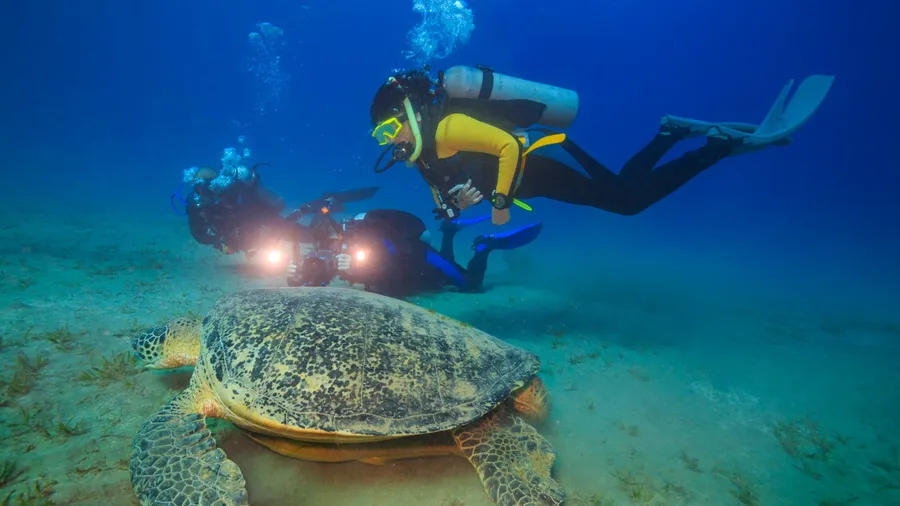
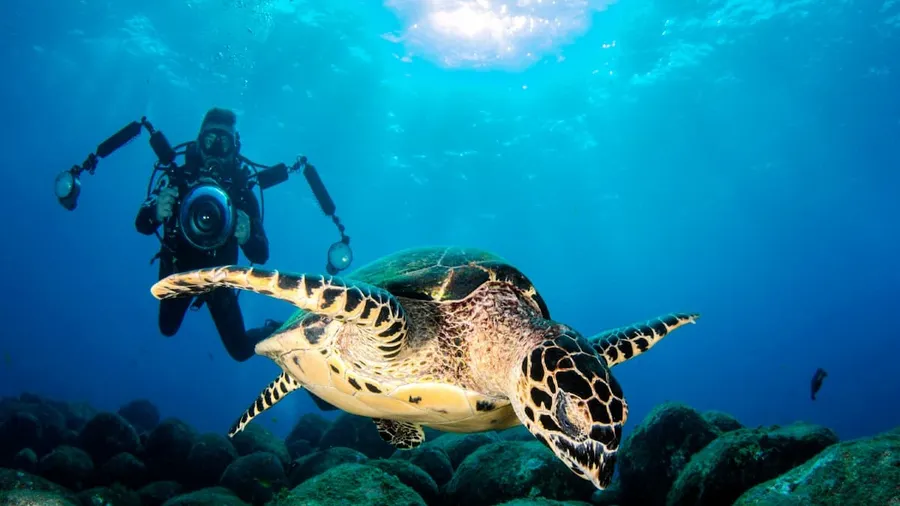
Explore the seabed with just a mask and snorkel: snorkelling for families, no certification or special equipment needed.
About Snorkelling
Snorkelling is the most accessible way to discover the underwater world: all you need is a mask, snorkel and fins to peer into a vibrant marine ecosystem. No certification, no complex equipment and no prior experience required. Suitable for children from age 6 and anyone who can float, making it the perfect water activity for families and groups without technical training.
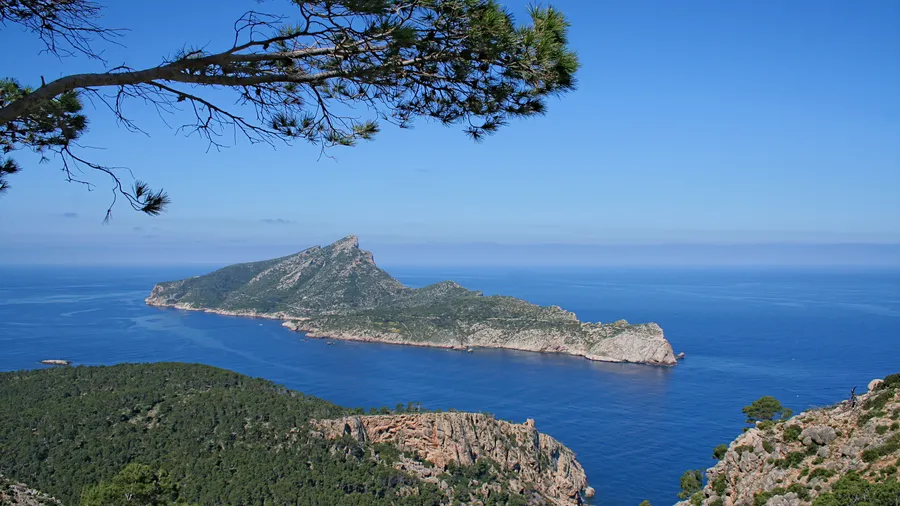
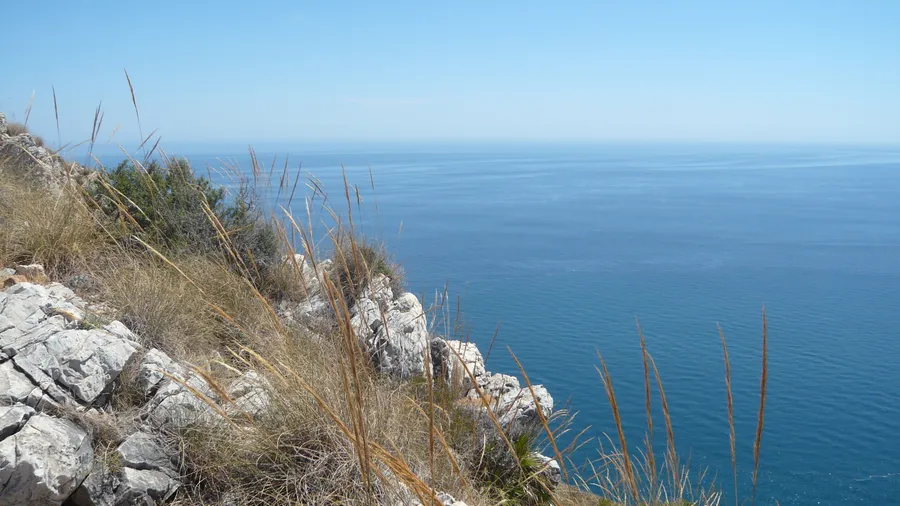
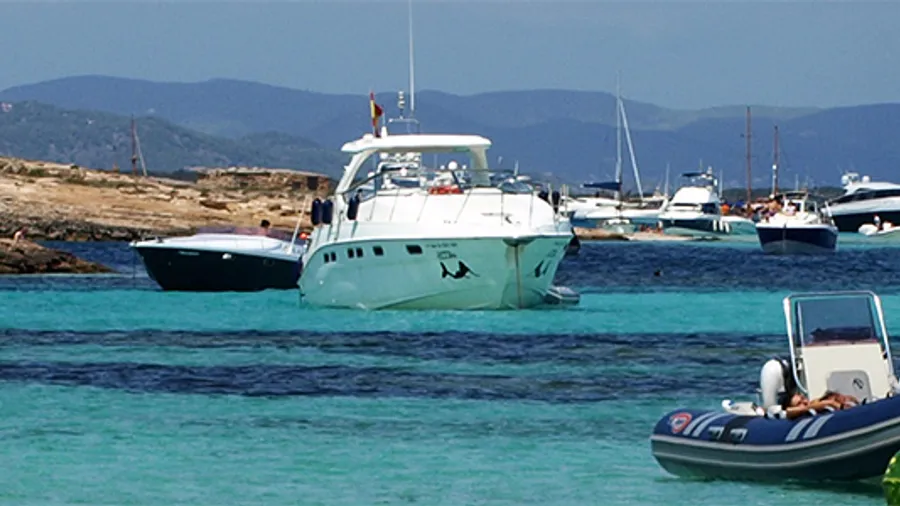
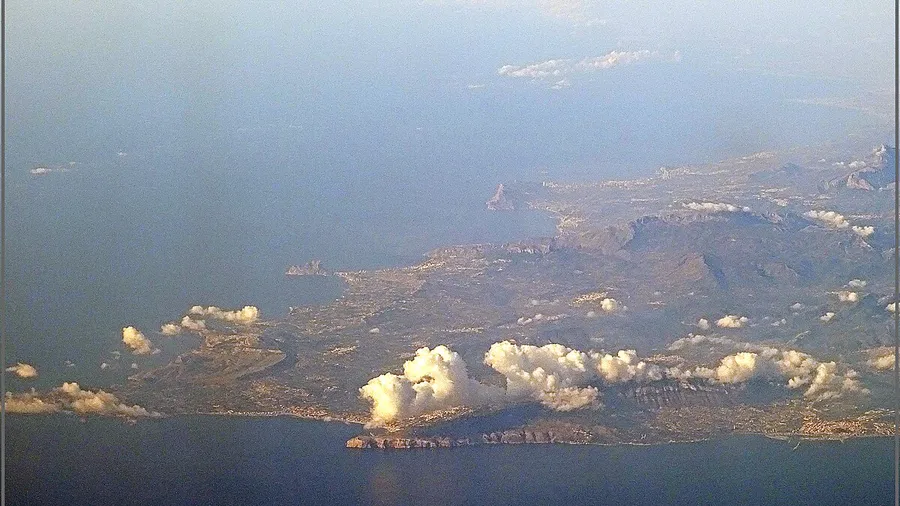
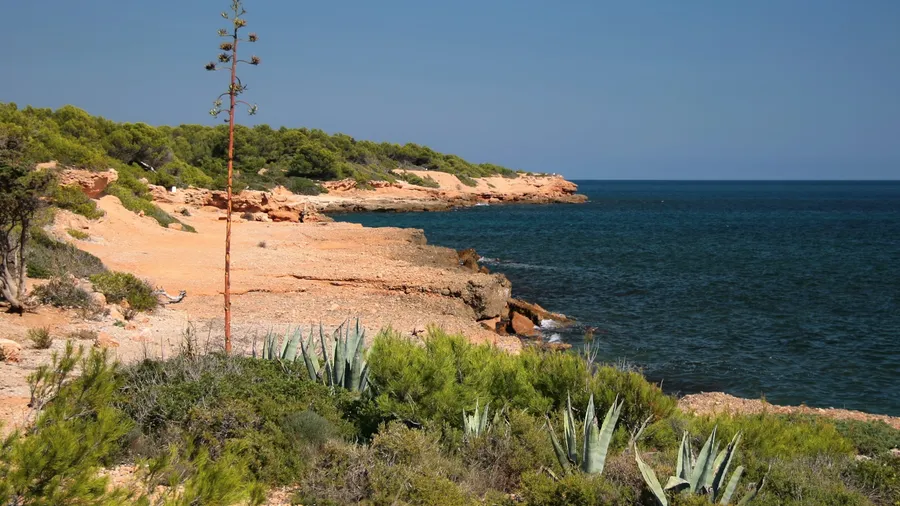
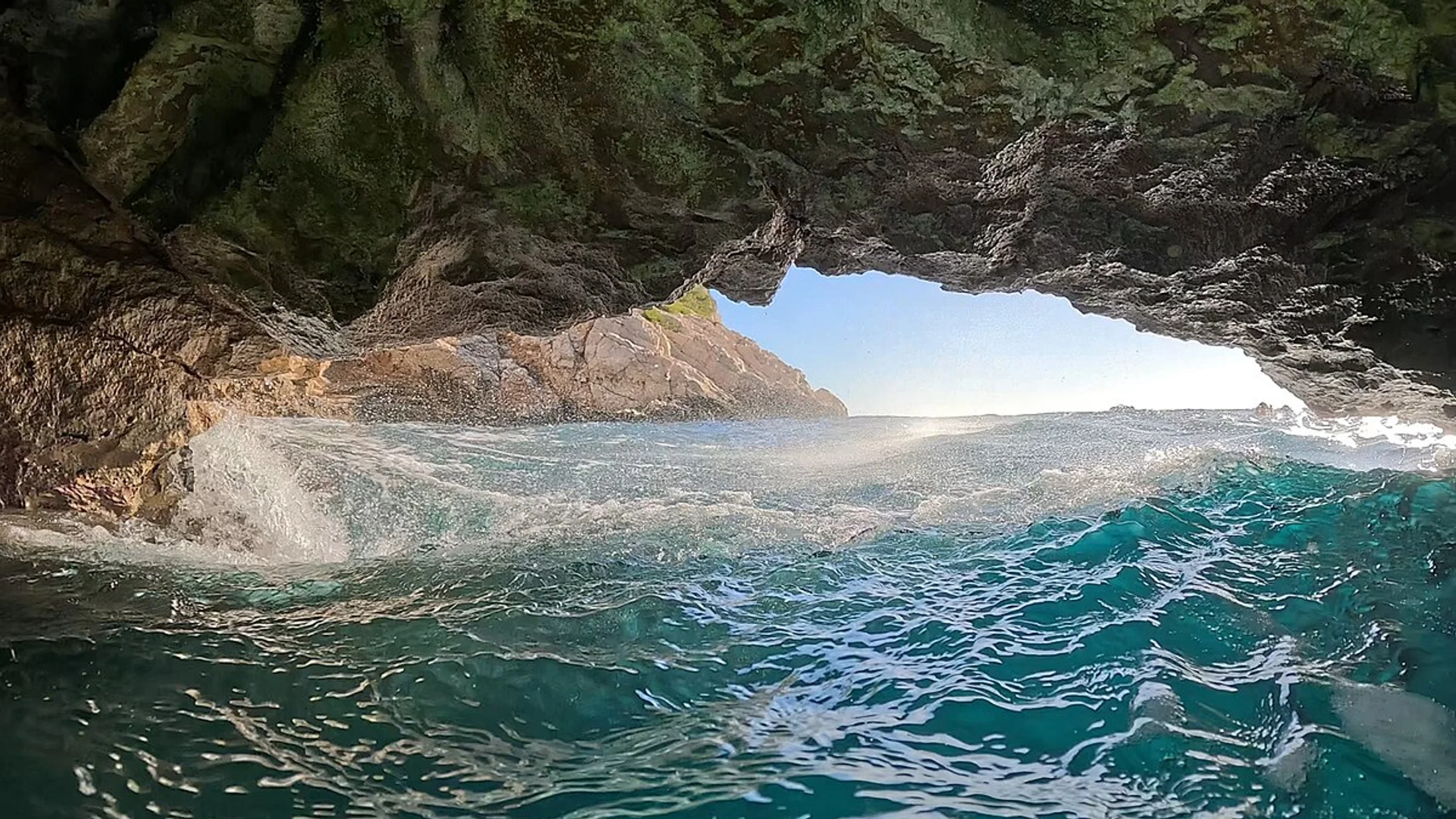
Spain offers some of the best snorkelling spots in the Mediterranean and Atlantic. Marine reserves are the star attraction: the Cabo de Palos Marine Reserve in Murcia, the Medes Islands on the Costa Brava, Cap de Creus in Girona, Formentera's marine reserve and Mallorca's Malgrats Islands all harbour extraordinary biodiversity — posidonia meadows, grouper, barracuda, octopus and countless colourful fish visible just metres below the surface.
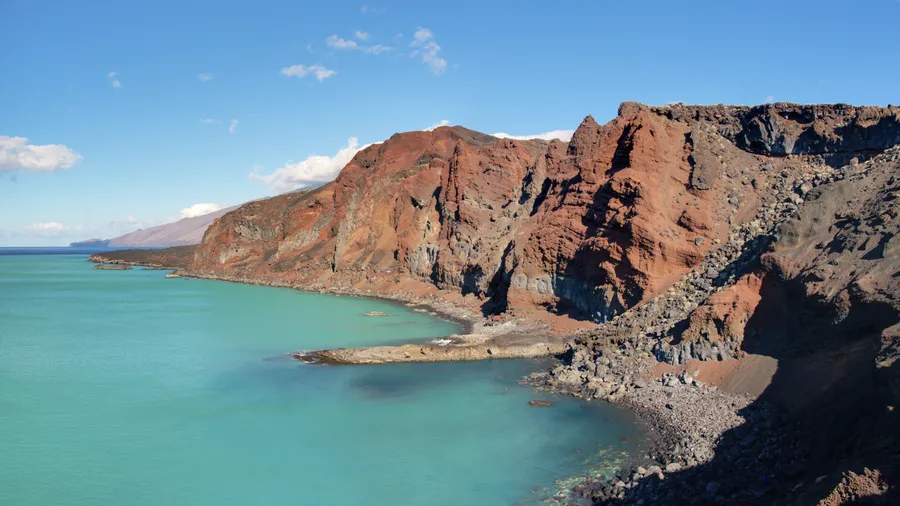
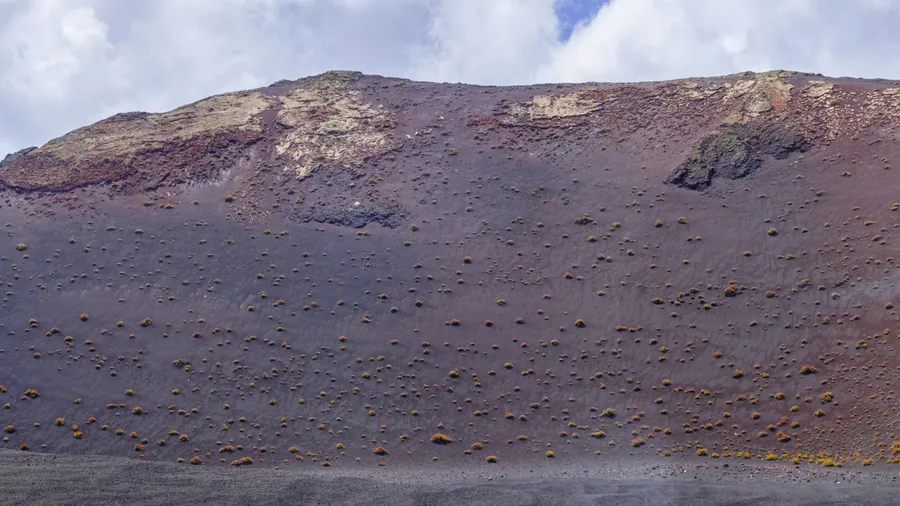
The Canary Islands and Balearics take things further still: El Hierro has visibility exceeding 30 metres in waters declared a UNESCO Biosphere Reserve, Lanzarote hides underwater parks and subaquatic museums, and Menorca's turquoise coves allow shore snorkelling without a guide.
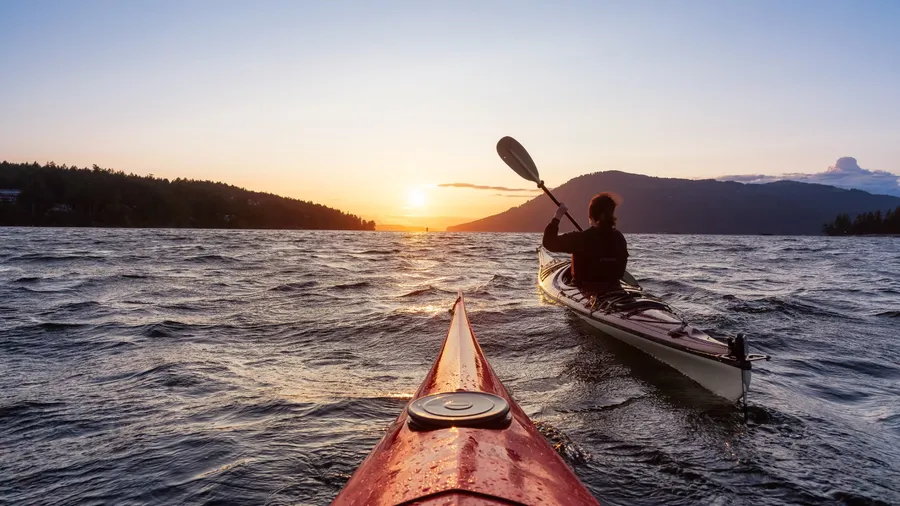
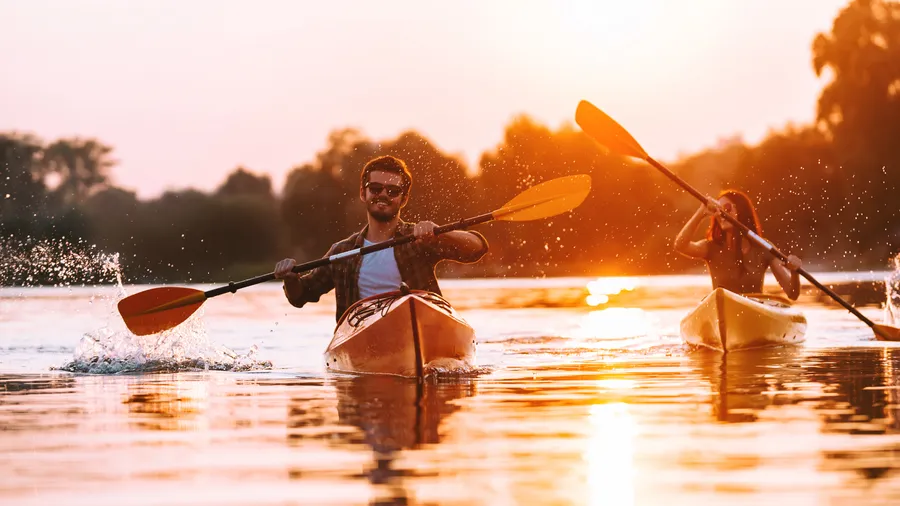
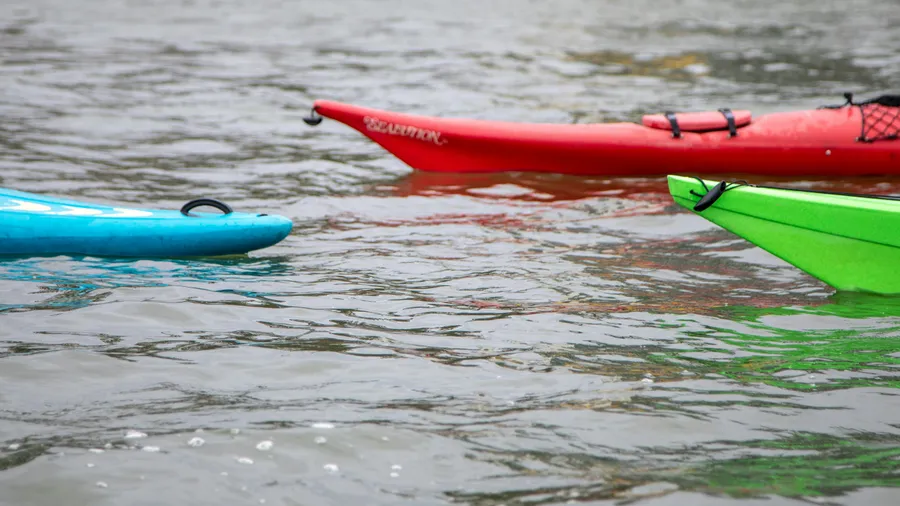
Guided snorkelling excursions typically last 1–3 hours, include full equipment (mask, snorkel and fins), and often depart by kayak or boat to access lightly visited protected zones. Local guides know exactly where to spot turtles, rays and starfish. Average prices range from €15–35 per person.
The best time to snorkel in Spain is May to October, when water temperatures exceed 20°C and visibility is at its peak. In the Canary Islands, the subtropical climate makes snorkelling possible year-round.