Navarre packs three landscapes into 10,000 km² that elsewhere would be separated by hundreds of kilometres: the Pyrenees in the north, the arid Bardenas in the south and the Irati forest in the centre. The Navarrese Pyrenean massif includes the Roncesvalles pass—the historic gateway of the Camino de Santiago—and the most demanding stretch of the GR-11, the Pyrenean traverse linking the Mediterranean with the Atlantic. The Foz de Arbayún canyon has 260 m walls above the Salazar river and is one o...
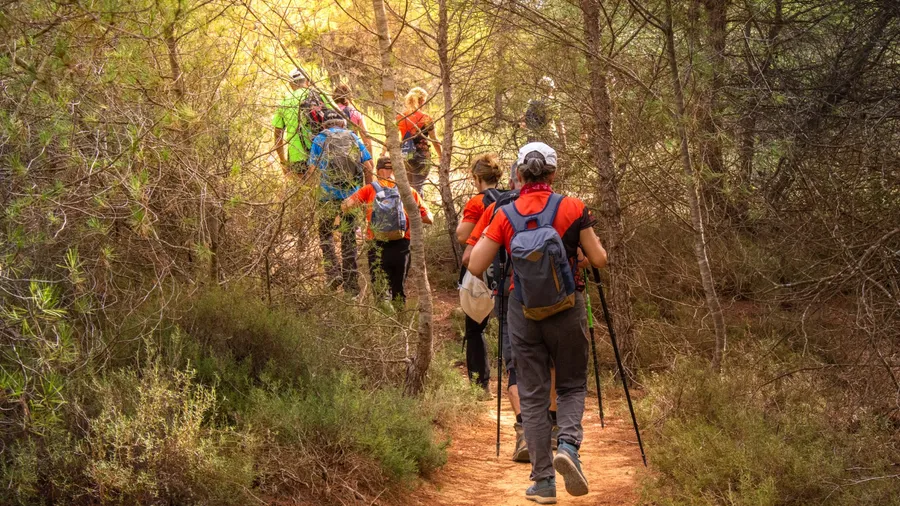
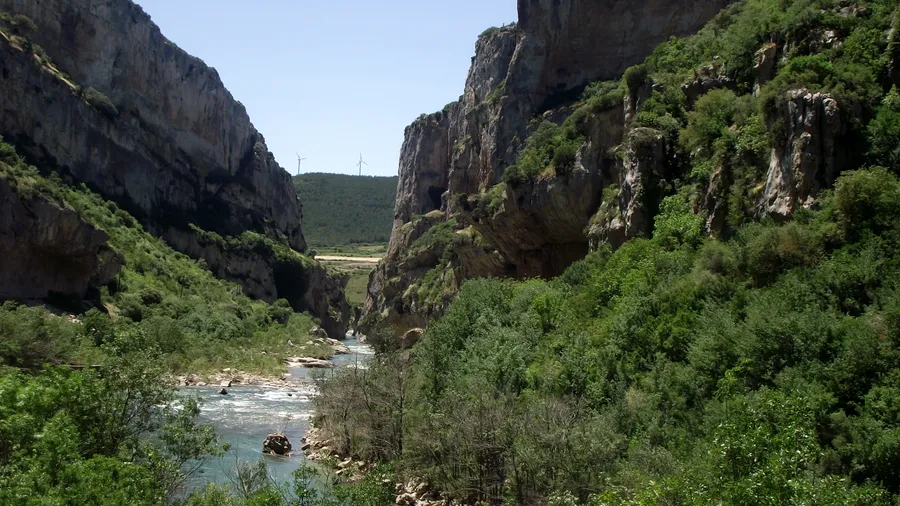
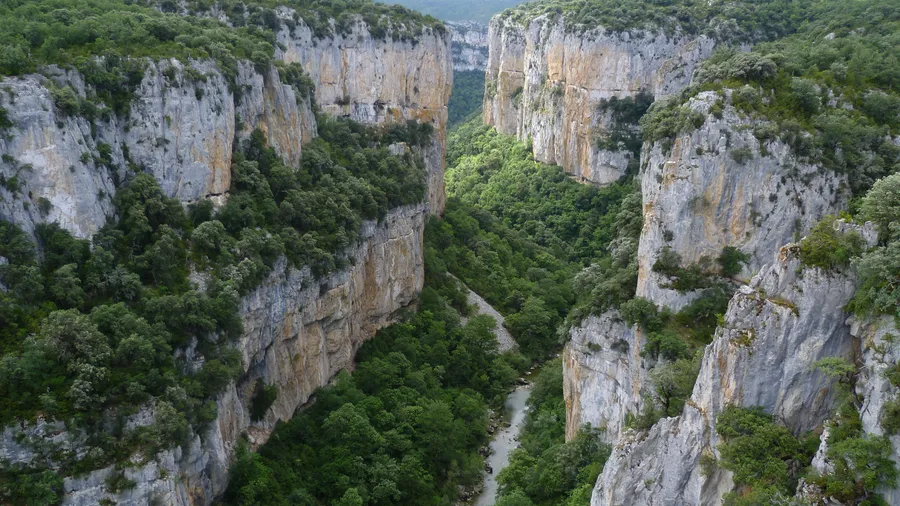
Navarre packs three landscapes into 10,000 km² that elsewhere would be separated by hundreds of kilometres: the Pyrenees in the north, the arid Bardenas in the south and the Irati forest in the centre. The Navarrese Pyrenean massif includes the Roncesvalles pass—the historic gateway of the Camino de Santiago—and the most demanding stretch of the GR-11, the Pyrenean traverse linking the Mediterranean with the Atlantic. The Foz de Arbayún canyon has 260 m walls above the Salazar river and is one of the straightest limestone gorges on the Peninsula; the descent is done with rope or by following the rim trail with views over the void.
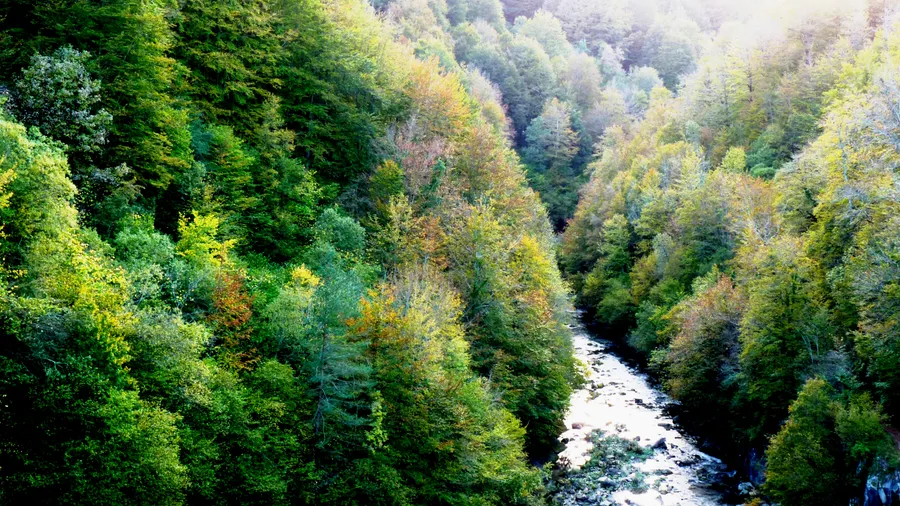
The Irati forest, on the border with France, is the largest beech-fir forest in western Europe: 17,000 ha where in autumn light filtered through the beeches stains the ground ochre for weeks. Mushrooms—porcini, chanterelles, saffron milk caps—turn October into a serious pursuit for those who know the sectors, and several local guides offer harvesting days with identification and cooking included.
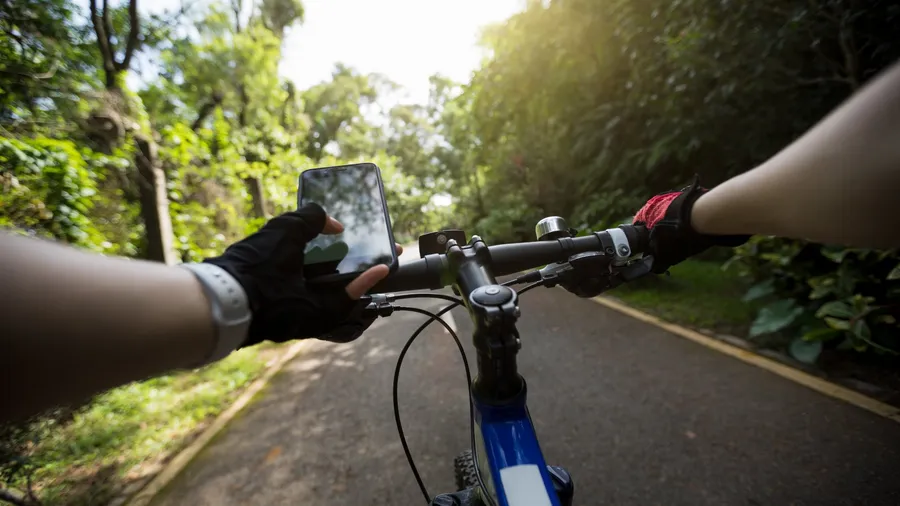
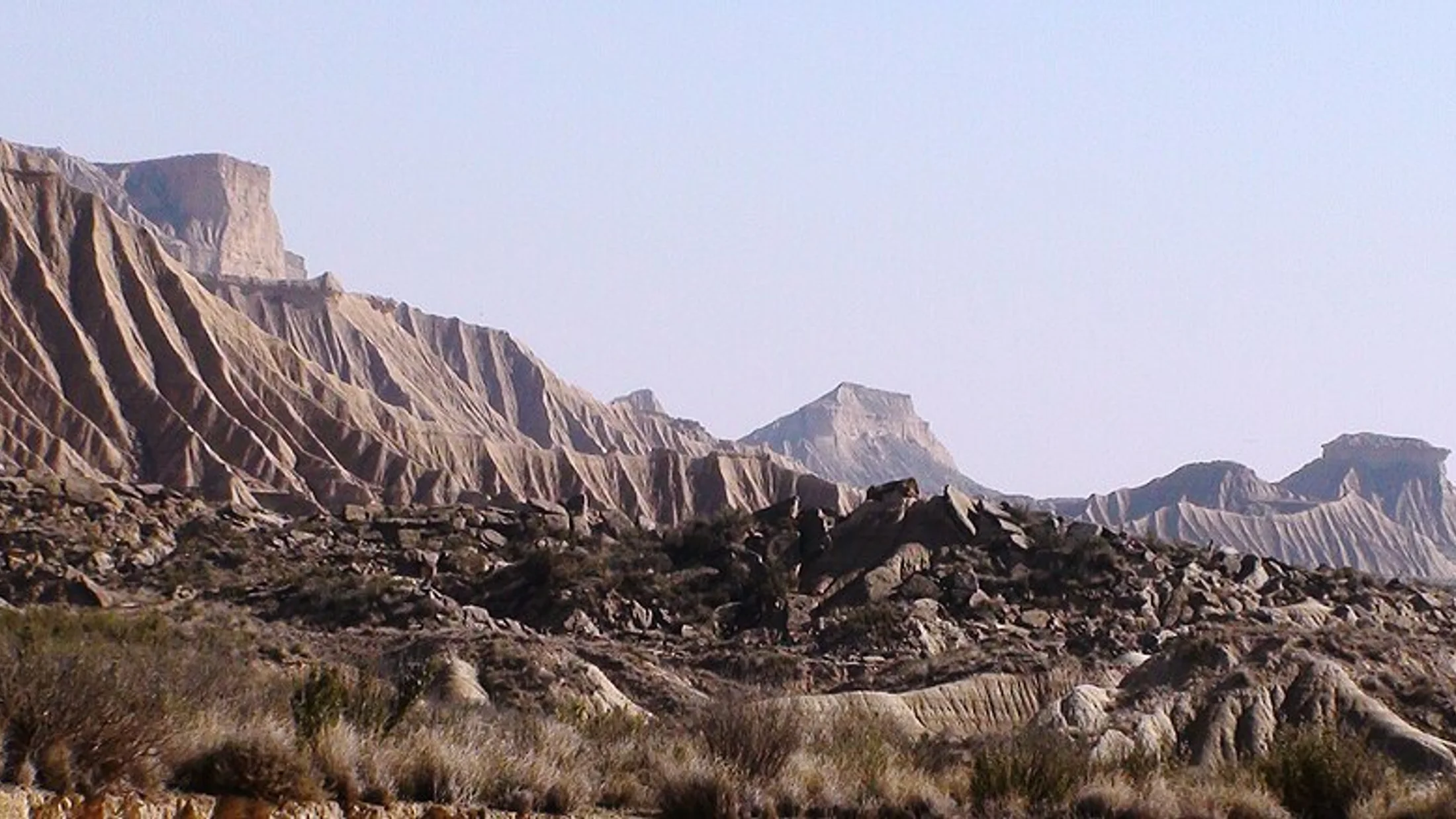
The Bardenas Reales, a UNESCO Biosphere Reserve, offer the opposite landscape: clay and gypsum eroded into towers and hollows that look like they belong in the American desert. The network of dirt tracks allows you to explore them by mountain or gravel bike on routes of 40 to 80 km, and the weekday silence turns the pedalling into an experience of almost meditative focus.
Highlights
• Foz de Arbayún: 260 m limestone gorge above the Salazar river
• Irati: 17,000 ha beech-fir forest on the French Pyrenean border
• Bardenas Reales: gravel cycling through UNESCO Biosphere Reserve badlands
• Navarrese GR-11: the most demanding Pyrenean traverse section
• Irati mushroom foraging: October guided days with identification and cooking
Best time to visit
Pyrenees and canyons: June to September. Irati for mushrooms and colours: October. Bardenas year-round, though July and August are hot (35-40 °C). Roncesvalles and the Camino: April to October.
Practical tips
The Bardenas have little shade and wind can be strong at any time of year—bring sunglasses and a visor helmet. In Irati, the Irabia dam car parks fill up in October: arrive before 9 am or use the bus service from Ochagavía. For the GR-11 in Navarre, the Pyrenean sector between Roncesvalles and Isaba has refuges with limited beds; book several days ahead in summer.
Is the Arbayún canyon suitable for hiking without rope equipment?
The rim trail above the canyon requires no climbing gear and is well signposted. Descending into the canyon itself does require abseil technique and a guide. The rim route takes 3-4 hours from Navascués.
When is the best time to visit Irati forest?
October brings autumn colours and mushroom season. June-July offer the greenest forest with fewer visitors. In winter there is snow and access requires chains or 4WD.
How do you explore the Bardenas Reales by bike?
The main entry is at Arguedas. There are several signposted circular routes of 40 to 80 km inside. Tracks are firm dirt with no technical obstacles, suitable for gravel and MTB. Carry water for at least 3 hours as there are no fountains.
Do you need a permit to pick mushrooms in Navarre?
In Navarrese public utility forests, personal collection is allowed up to 3 kg per person per day. Guided days also cover any required paperwork for specific sectors.





 0
0  0
0  0
0  0
0  0
0  0
0  0
0  0
0 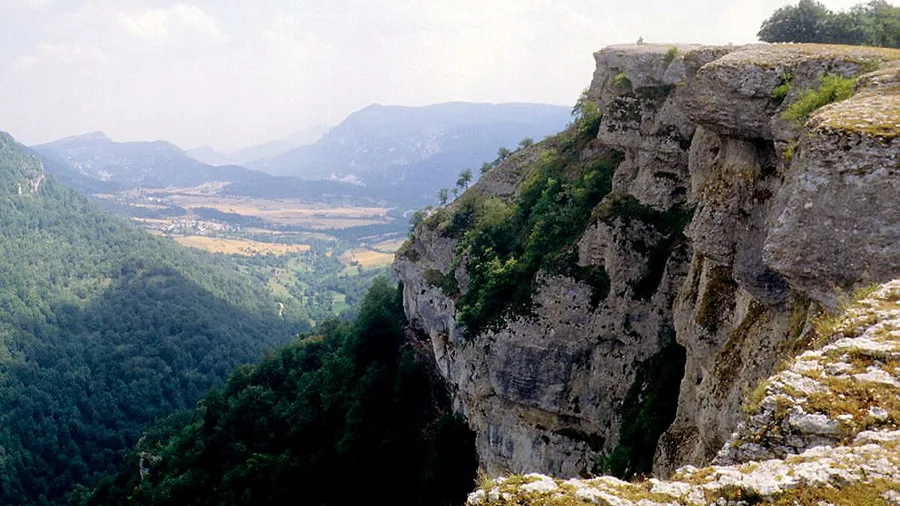 0
0  0
0 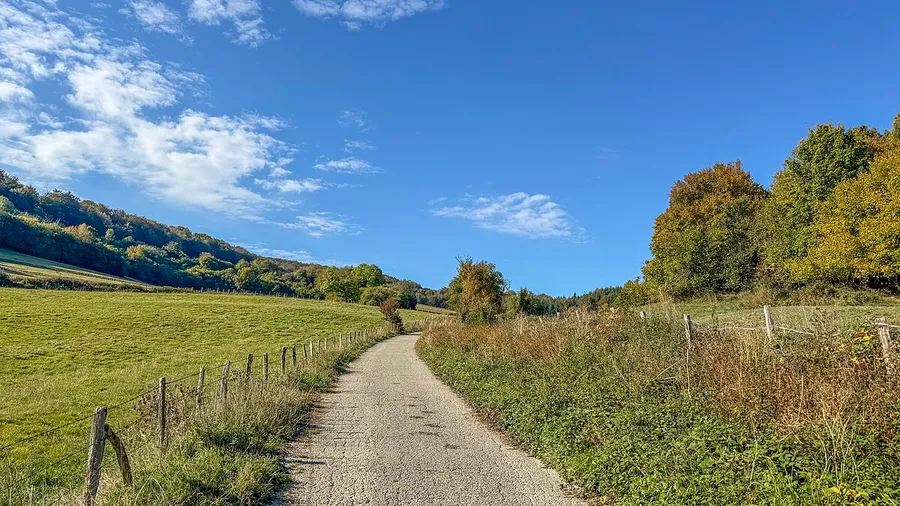 0
0 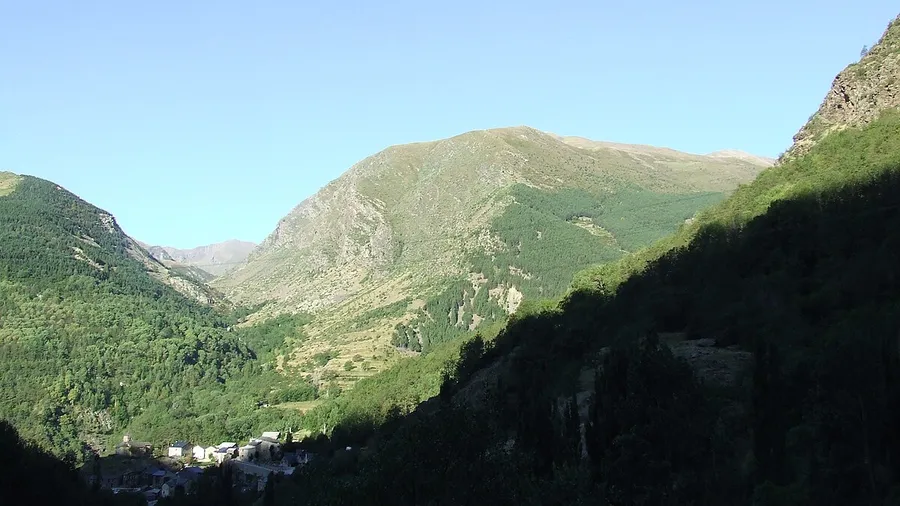 0
0 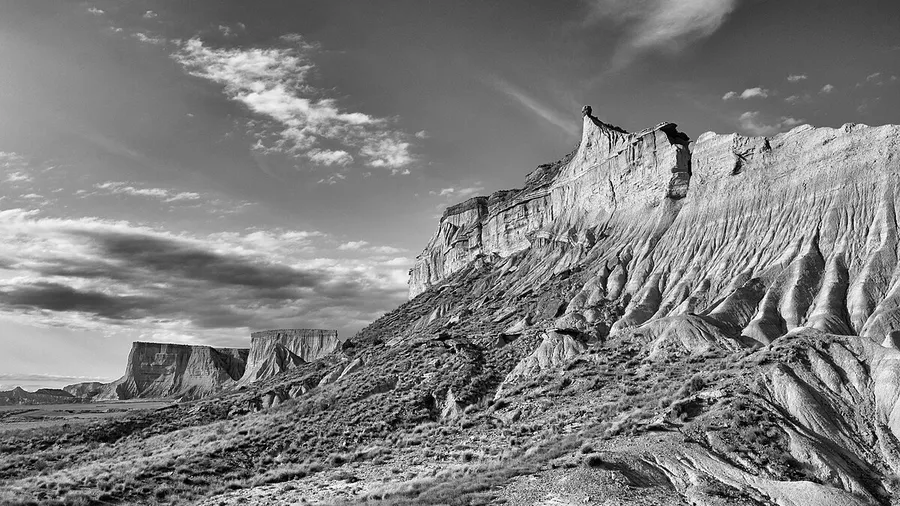 0
0  0
0