Historical Routes in the Principality of Asturias: A Journey to the Celtic and Medieval Past

Historical Routes in the Principality of Asturias: A Journey to the Celtic and Medieval Past

Discover the ancient soul of Asturias through its historical routes. Explore ancestral paths, castles, and Roman vestiges that narrate centuries of history amidst dreamlike landscapes.

All year round

Historical Routes in the Principality of Asturias: A Journey to the Celtic and Medieval Past

Exploring the Historical Routes of Asturias: An Invaluable Legacy

The Principality of Asturias is a treasure of living history, where every path, every village, and every monument tells a part of its fascinating past. The historical routes in Asturias invite you on a journey through time, from prehistoric settlements and Romanization to the splendor of the Kingdom of Asturias and the medieval era. Beyond its impressive natural landscapes, the region stands as an open-air museum, with itineraries that wind along Roman roads, pilgrimage paths, and trails connecting fortresses and hermitages.

These routes not only offer a deep cultural perspective but also the opportunity to enjoy Asturian nature at its finest. Imagine walking on the same ground trodden by kings and warriors, surrounded by lush vegetation and the pure mountain air. From the coast to the interior, every corner of Asturias holds secrets and legends waiting to be discovered by the curious traveler. With Picuco, you can choose from a variety of historical routes in Asturias adapted to different interests and levels, always guaranteeing an enriching experience.

Why take historical routes with an expert guide?

While the adventure of exploring on your own is tempting, traversing the historical routes of Asturias with an expert guide elevates the experience to another level. A local guide will not only lead you through less-traveled paths and hidden points of interest but will also provide invaluable historical and cultural context. You will learn about legends, anecdotes, and details not found in conventional guidebooks, bringing every stone and landscape to life. Furthermore, an expert will ensure your safety and help you understand the relevance of each site, transforming a simple walk into an interactive and memorable history lesson. The richness of Asturian heritage deserves to be told by those who know it best.

Featured areas for historical routes in Asturias

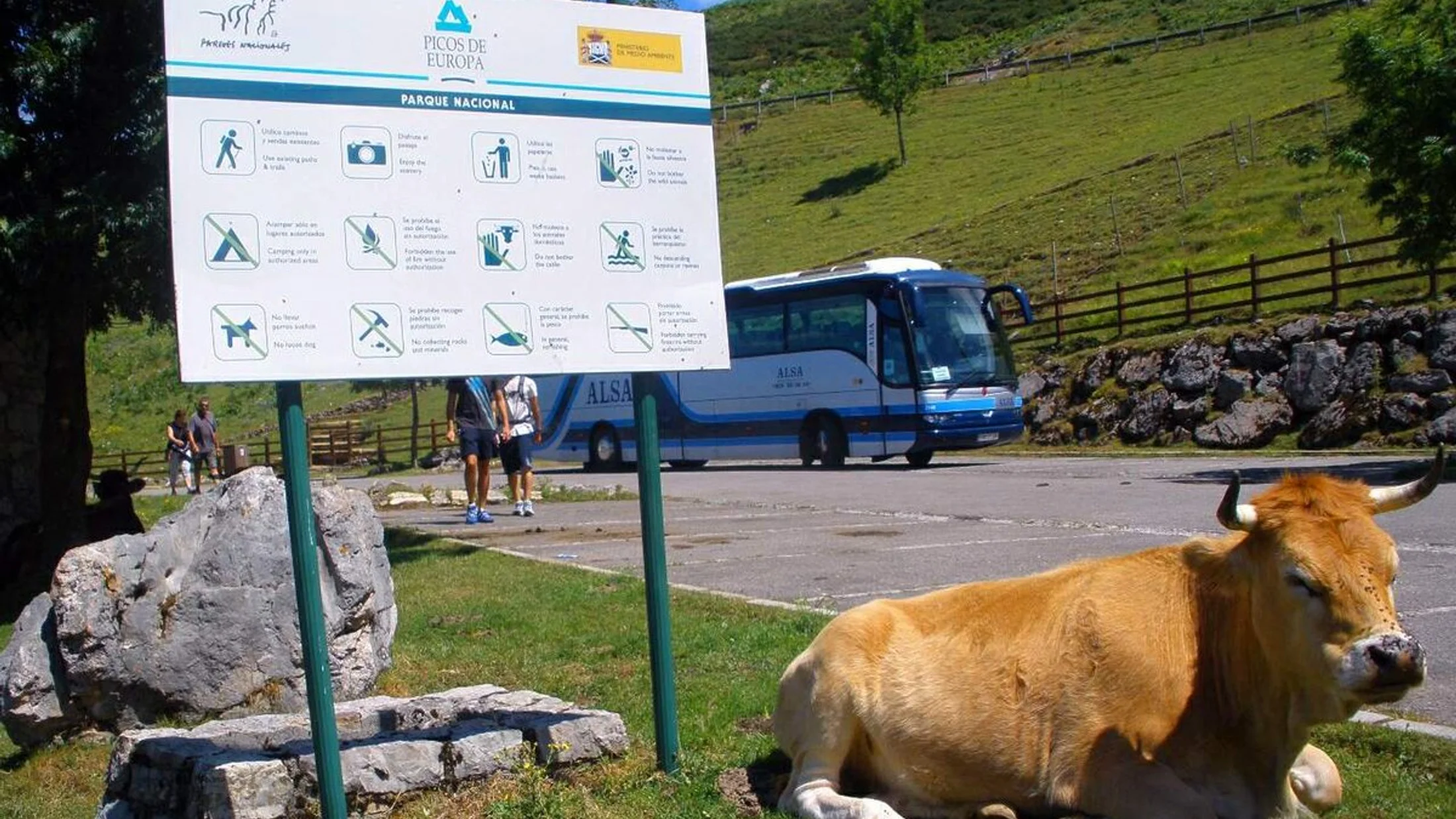
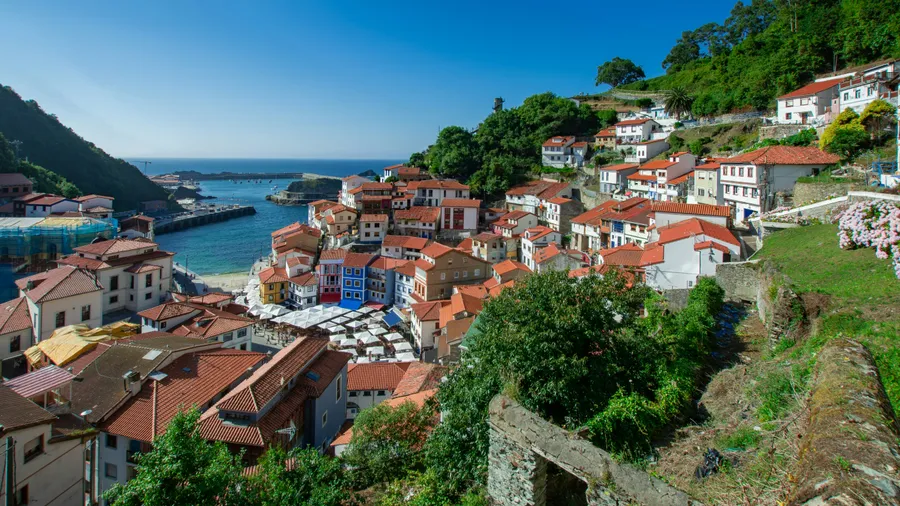
Asturias offers a diversity of areas ideal for historical routes. The Picos de Europa region, for example, harbors vestiges of the Reconquista and ancient pastoral paths. The central area, around Oviedo and Gijón, is dotted with pre-Romanesque monuments, UNESCO World Heritage Sites, and Roman villas. Western Asturias, for its part, hides Celtic hillforts and mining routes of great interest. Each area has its own personality and its own story to tell, offering a range of possibilities for all tastes. From the Bear Trail (Senda del Oso) with its historical bridges and tunnels, to the coastal paths that hold stories of pirates and sailors, Asturias is an open book waiting to be read.

Highlights

  • • Asturias has 6 pre-Romanesque monuments declared UNESCO World Heritage Sites.
  • • The Roman Road of Puerto de la Mesa (Vía de la Carisa) has sections more than 2000 years old.
  • • The Kingdom of Asturias was the first Christian kingdom on the Iberian Peninsula, founded in the 8th century.
  • • More than 20 cataloged and visitable Celtic hillforts are distributed throughout the Asturian geography.
  • • The Bear Trail (Senda del Oso), an old mining railway line, extends for almost 40 km (25 miles).
  • • Tito Bustillo Cave, a World Heritage Site, houses Paleolithic cave art over 10,000 years old.

Practical Information

What to bring

  • Comfortable trekking shoes with good grip
  • Small backpack with water and some food (fruit, energy bars)
  • Waterproof jacket or windbreaker, as the weather in Asturias can change quickly
  • Sunscreen and a hat, even on cloudy days
  • Camera to capture the landscapes and historical vestiges
  • Small personal first-aid kit with basics (band-aids, painkillers)

Best time to visit

Spring (April-June) and autumn (September-October) are the best times for historical routes in Asturias. The weather is mild, the vegetation is at its peak, and there are fewer tourists than in summer. Summer (July-August) is also a good option, although with higher temperatures and a greater number of visitors. In winter, some mountain routes may be covered in snow or be more demanding.

Required level

The difficulty level varies depending on the route. Most popular historical routes are easy to moderate, suitable for anyone with basic physical fitness. Some mountain routes or specific sections may be more demanding. It is always recommended to consult the detailed description of each activity to know its difficulty level and specific physical requirements.

Historical Routes in the Principality of Asturias: A Journey to the Celtic and Medieval Past

Las mejores experiencias disponibles

10

Frequently Asked Questions

Resolvemos tus dudas sobre Historical Routes in the Principality of Asturias: A Journey to the Celtic and Medieval Past
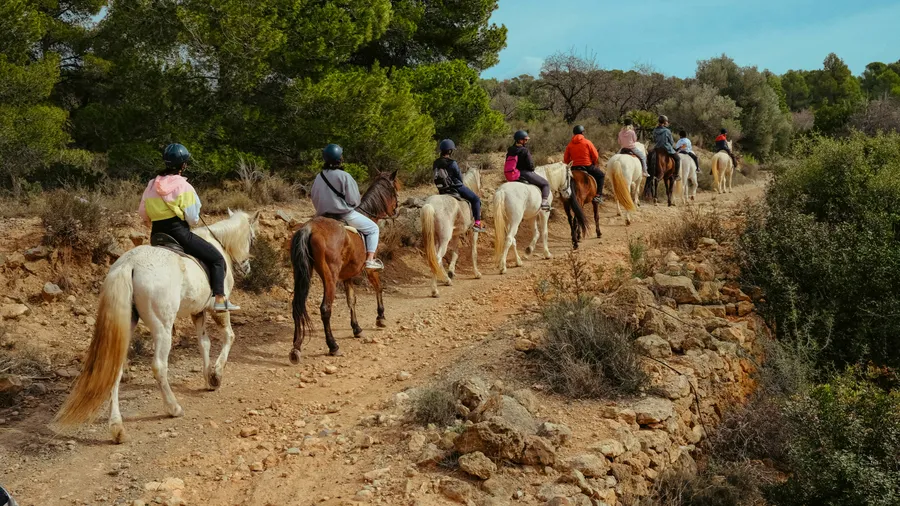
In Asturias, you will find all kinds of routes: Roman roads, pilgrimage paths (such as sections of the Camino de Santiago), mining trails, Reconquista routes, and tours of Celtic hillforts and pre-Romanesque monuments. There are options for all interests and difficulty levels.
Yes, many historical routes in Asturias are suitable for children, especially those with less elevation gain and shorter duration. It is advisable to look for interpretive or thematic routes that include playful elements to keep their interest. Always check the activity description to ensure it is suitable for the little ones.
Generally, no prior experience is required for the most popular historical routes, as they are usually of low to moderate difficulty. However, it is important to have a minimum physical condition and be accustomed to walking. For more demanding routes, this will be specified in the description.

Related Articles