Asturias hides fishing villages, medieval towns and mountain hamlets that preserve the essence of Spain's Natural Paradise. This guide takes you through the 10 charming villages in Asturias you simply cannot miss, with practical tips to plan your getaway.
1. Cudillero — The Cantabrian Amphitheatre
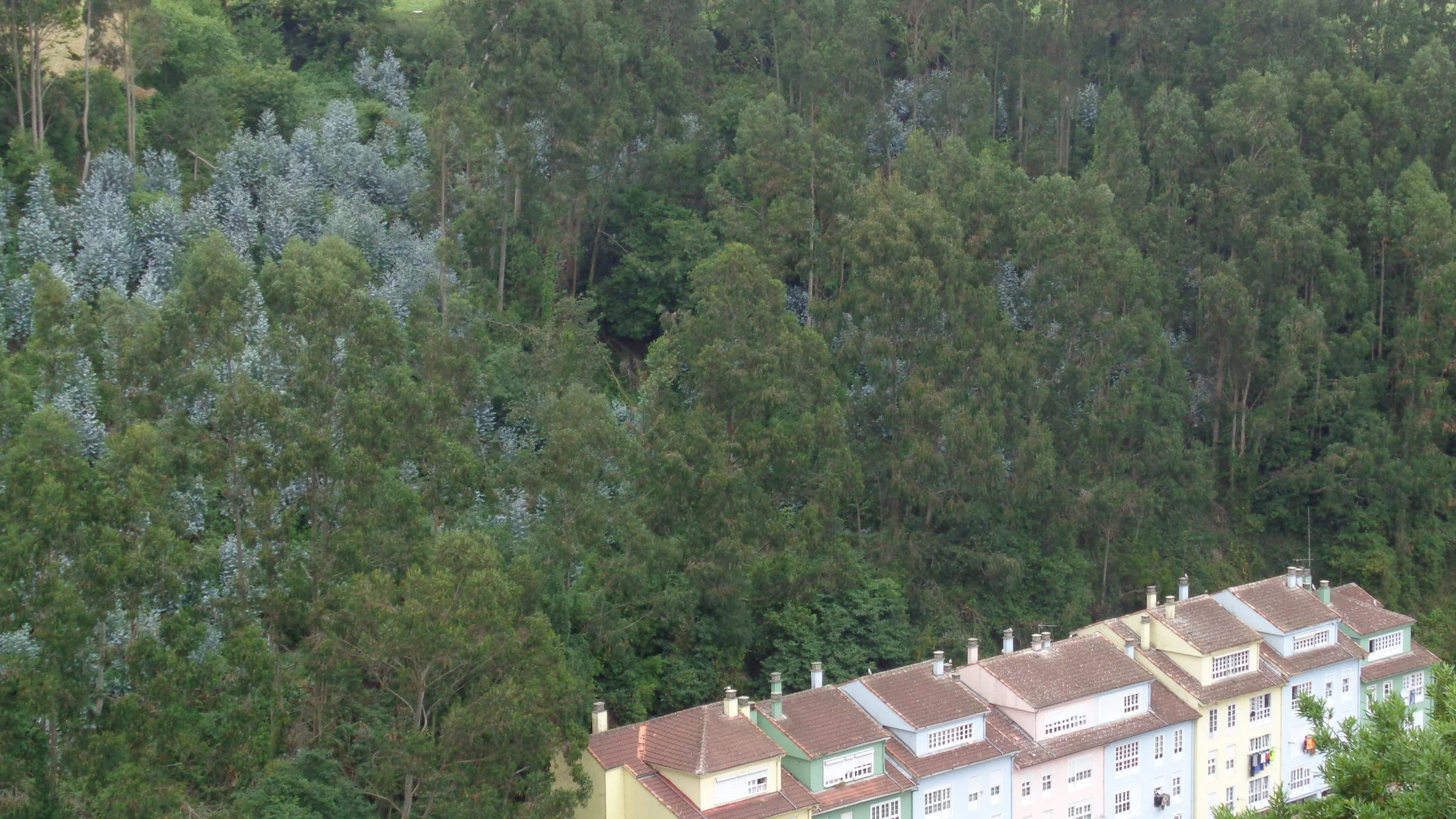
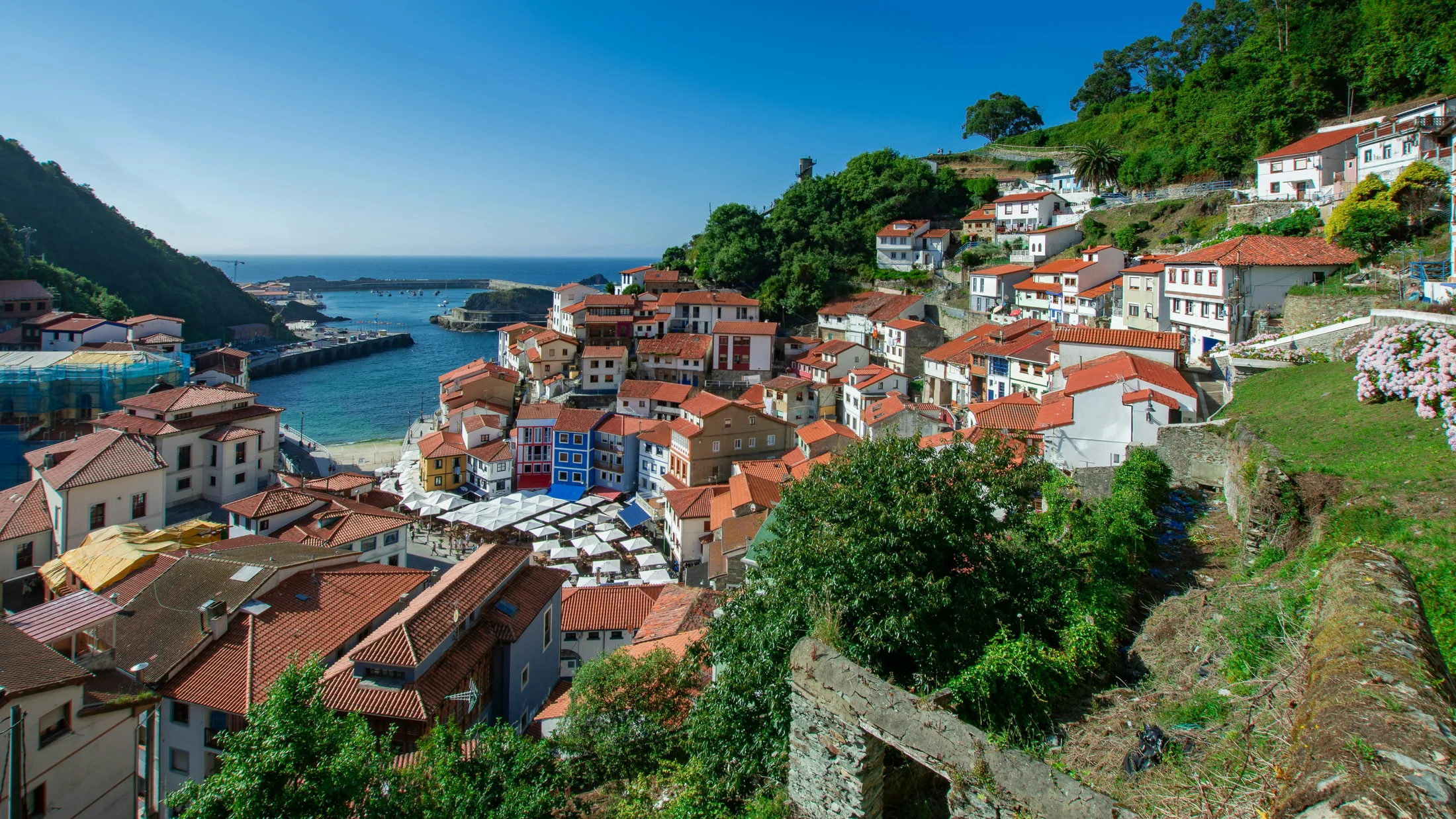
Cudillero is an amphitheatre of colourful houses cascading down to a tiny fishing harbour. The Pixueta Village lives to the rhythm of the sea, with the smell of salt air and boats gently rocking on the water.
What to see and do
- Viewpoints Trail: The views from the Mirador de la Garita and Mirador del Pico are spectacular.
- Cudillero Lighthouse: A short walk with views over the cliffs.
- Seafood gastronomy: Pixín (monkfish), fresh shellfish and cider poured from a height in the harbour-side chigres.
Tip: Visit in spring or autumn and arrive early — parking in the centre is very limited.
Picuco te puede ayudar
Does something here catch your eye?
Tell us.
Write to us on WhatsApp or email: we answer questions, find the best options and help you sort out the booking.
2. Llanes — Coastal Elegance
A seafaring town with an old quarter declared a Historic-Artistic Site, Indiano mansions and a coastline boasting more than 30 beaches and coves. Ibarrola's Cubos de la Memoria add contemporary art to its traditional charm.
What to see and do
- Paseo de San Pedro: A cliff-top trail with views of the Cantabrian Sea and the Picos de Europa on clear days.
- Historic Quarter: Basílica de Santa María del Conceyu, remnants of the medieval wall and cobbled streets.
- Beaches: From urban ones (Sablón, Toró) to wild gems (Gulpiyuri, Torimbia).
- E-bike route along the Llanes coast: Explore the coastal landscapes effortlessly.
Tip: Outside summer you will have beaches almost to yourself and better prices at the old-town taverns.
3. Cabrales — The Blue Cheese Kingdom
In the heart of the Picos de Europa, Cabrales is the epicentre of an ancestral cheese-making culture. Arenas de Cabrales and the hamlets of Poo and Carreña feature stone architecture set against awe-inspiring mountain scenery.
What to see and do
- Visit a cheese dairy: Learn about the artisan process behind Queso de Cabrales and its ageing in natural caves.
- Hiking: Iconic trails start here, including the Ruta del Cares and the GR 200 through the National Park.
- Cheese Cave Exhibition: An educational museum inside a natural cave.
- Cheese routes in Spain: Extend the cheese experience even further.
Tip: Best from spring to autumn. In summer, book accommodation and cheese-dairy visits well in advance.
4. Villaviciosa — Cider Capital
Villaviciosa blends a medieval old town of stately manor houses with the aroma of fermented apple from its cider mills. Its location beside the estuary adds a natural appeal that is hard to match.
What to see and do
- Cider-house trail: Taste cider at the old-town chigres and visit producers such as El Gaitero.
- Pre-Romanesque heritage: Iglesia de San Salvador de Valdediós and Monasterio de Santa María.
- Reserva Natural de la Ría de Villaviciosa: A paradise for birdwatching.
- Playa de Rodiles: One of the best beaches in Asturias, ideal for surfing.
Tip: The Apple Festival (autumn) and the Cider Festival (summer) are the best times to experience cider culture first-hand.
5. Cangas de Onís — Gateway to the Picos de Europa
The historic capital of Asturias and main gateway to the Picos de Europa National Park. Its iconic Roman Bridge with the Cruz de la Victoria is one of the most recognisable postcards of the Principality.
What to see and do
- Roman Bridge: A must — walk across it and photograph the Cruz de la Victoria hanging below its arch.
- Sanctuary of Covadonga: The Santa Cueva with the Santina and the Basílica, just a few kilometres away.
- Lakes of Covadonga: Lakes Enol and Ercina set in alpine scenery. In summer, access is regulated (use public transport).
- Sella River Descent: Canoeing down the river — suitable for families.
- Fuente Dé Cable Car: Rise to the heights of the Picos effortlessly.
Tip: Arrive very early for the Lakes of Covadonga. Try Queso Gamonéu, a local gastronomic treasure.
Activities in Asturias
Discover adventure & outdoor experiences, guided routes and food & drink plans in the villages of Asturias. Explore activities in Asturias.
6. Lastres — A Cinematic Fishing Village
Declared a Historic-Artistic Site, Lastres descends along cobbled streets towards the Cantabrian Sea, lined with noble houses and unforgettable viewpoints. The setting for the TV series "Doctor Mateo", its fishing harbour retains an authentic atmosphere.
What to see and do
- Mirador de San Roque: The most complete panoramic view of Lastres — red rooftops against the sea.
- Fishing harbour: Fish auction at the market hall and real-life fishing culture.
- Jurassic Museum (MUJA): Just a few minutes' drive away and a must if you are travelling with children.
Tip: Park at the entrance to the village (1 km from the centre). Book a restaurant table in high season.
7. Gijón (Cimadevilla) — The Fishermen's Quarter
The old town of Gijón is a fishermen's quarter with a soul of its own. Cimadevilla, perched on a peninsula, combines cobbled lanes with cider houses, lively squares and views of the Cantabrian Sea from both sides.
What to see and do
- Cerro de Santa Catalina: Chillida's "Elogio del Horizonte" sculpture and the finest coastal views.
- Plaza Mayor: Arcades, terraces and a genuine local vibe.
- Marina: Colourful facades of old fishermen's houses.
- Cider trail: The chigres of Cimadevilla are legendary. Enjoy "culines" and tapas on the Cuesta del Cholo.
Tip: Use underground parking and explore on foot. Mornings are quieter; late afternoon and evening are livelier.
8. Ribadesella — Beach, River and Prehistory
At the mouth of the Sella River, Ribadesella combines a medieval quarter with the elegant Paseo de la Princesa Letizia and the beach of Santa Marina, flanked by Indiano mansions.
What to see and do
- Cueva de Tito Bustillo: Paleolithic cave art and a UNESCO World Heritage Site. Book weeks in advance (access is very limited).
- Playa de Santa Marina: A promenade lined with Indiano villas and golden sand.
- Sella River Descent: The international race in August, or a free canoe trip on your own.
- Historic Quarter: Plaza Nueva, Plaza de la Iglesia and cider houses.
Tip: For Tito Bustillo, book months ahead. The Dinosaur Route along nearby cliffs is a great family plan.
9. Pola de Somiedo — Nature at Its Purest
Gateway to the Somiedo Natural Park and Biosphere Reserve — a territory of glacial lakes, deep valleys, brown bears and the ancestral culture of the vaqueiros de alzada. Stone houses with slate roofs nestle in a valley surrounded by peaks.
What to see and do
- Lagos de Saliencia: A hiking route through glacial landscapes to the lakes of La Cueva, Calabazosa and Cerveriz.
- Brañas and teitos: Stone huts with thatched roofs at La Pornacal or Mumián.
- Interpretation Centre: Fauna, flora and geology of the park, with a focus on the brown bear.
- Mountain gastronomy: Asturian veal, cured meats and artisan cheese.
Tip: Best between July and September. Trekking boots and warm layers are essential even in summer. A local guide greatly enhances the experience.
10. Tapia de Casariego — The Wild Western Coast
At the far western tip of Asturias, Tapia blends seafaring tradition with wild beaches and rugged cliffs. Its old quarter of stone and timber keeps a peaceful pace, far from the crowds.
What to see and do
- Coastal path: From the Mirador de Os Cañóis to Playa de Anguileiro, with views of the wild coast.
- Fishing harbour: Watch the boats come in and buy fresh fish at the rula (fish market).
- Surf beaches: Anguileiro, Penarronda and Serantes, with powerful waves and natural beauty.
- Gastronomy: Asturian-Galician broth, goose barnacles and octopus.
Tip: Outside August it is a different village entirely. Spring and autumn offer coastal walks in pleasant temperatures.
Quick Comparison
| Village | Type | Ideal for | Key advantage |
|---|---|---|---|
| Cudillero | Coast | Photography, seafood | One-of-a-kind colourful amphitheatre |
| Llanes | Coast | Beach + culture, families | 30+ beaches and historic quarter |
| Cabrales | Mountain | Hiking, food trails | DOP cheese and Picos de Europa |
| Villaviciosa | Inland/coast | Cider culture, festivals | Cider tradition and natural estuary |
| Cangas de Onís | Mountain | Adventure, Covadonga | Base camp for Picos de Europa |
| Lastres | Coast | Short getaway, photography | Photogenic fishing village |
| Gijón (Cimadevilla) | Urban | City tourism, cider | Full amenities and culture |
| Ribadesella | Coast/river | Prehistory, water sports | Tito Bustillo and beach |
| Pola de Somiedo | Mountain | Trekking, wildlife, unplugging | Biosphere Reserve |
| Tapia de Casariego | Coast | Surfing, peace and quiet | Authenticity without the crowds |
Asturias, Village by Village
Each of these ten villages reveals a different face of the Natural Paradise: the sea in Cudillero and Lastres, the mountains in Cabrales and Somiedo, history in Cangas de Onís, cider in Villaviciosa. The key to a great getaway is to group by area and mix your interests:
- Eastern coast: Llanes + Ribadesella + Lastres.
- Western coast: Cudillero + Tapia de Casariego.
- Inland and Picos: Cangas de Onís + Cabrales + Somiedo.
- Urban + cider: Gijón (Cimadevilla) + Villaviciosa.
Travel outside August to avoid the crowds, support rural accommodation and local producers, and book ahead for anything with limited capacity (Tito Bustillo, Lakes of Covadonga, cheese dairies).
Explore and book activities in Asturias with Picuco: guided routes through the Picos de Europa, adventure & outdoor experiences, food & drink and much more.