The essentials of Valle de Lecrín

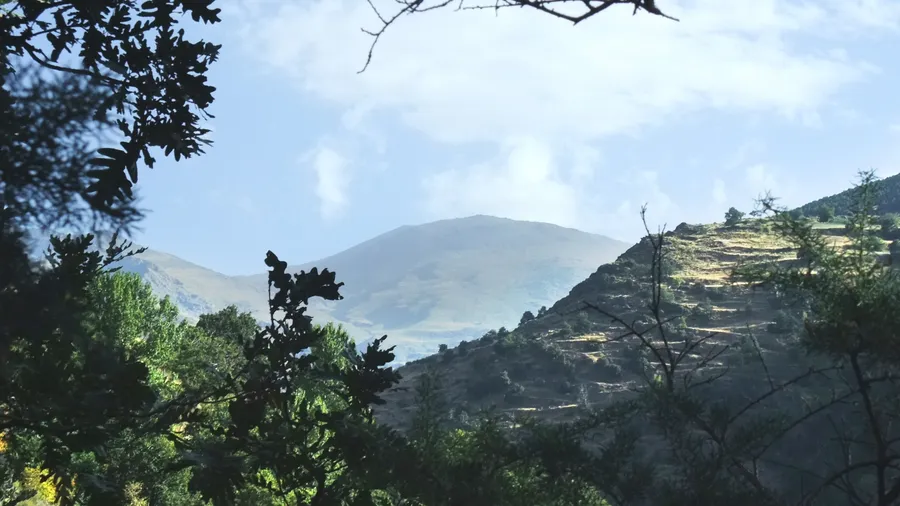
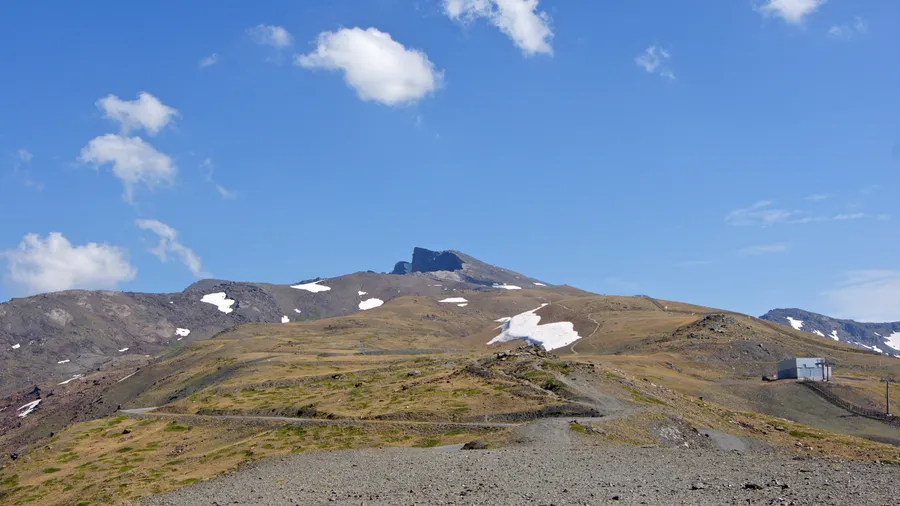
  • • Terraced orange and lemon groves overlooking Veleta peak (3,396 m)
  • • Canyoning in Río Dúrcal and Barranco de Lújar with pool jumps
  • • Acequia de Nigüelas trail: 5 km through citrus groves, virtually flat
  • • 17th-century Almazara de las Laerillas with tours and olive-oil tasting
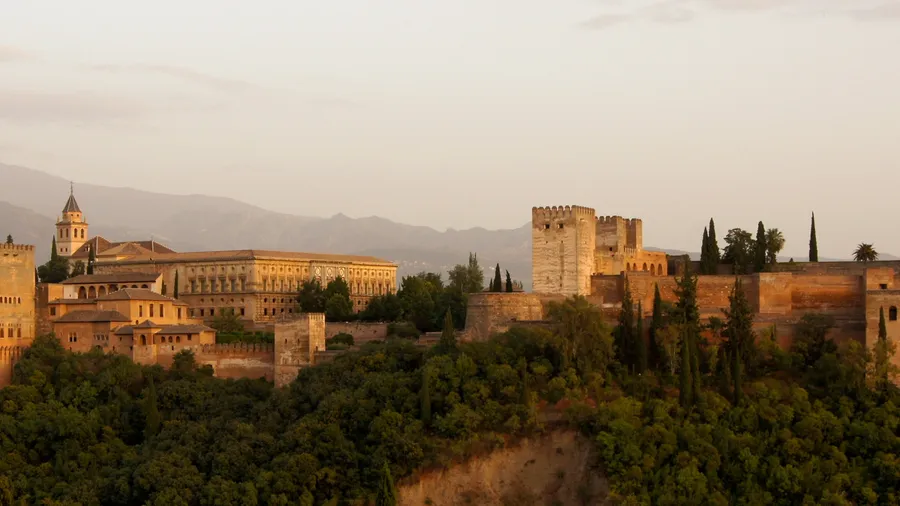
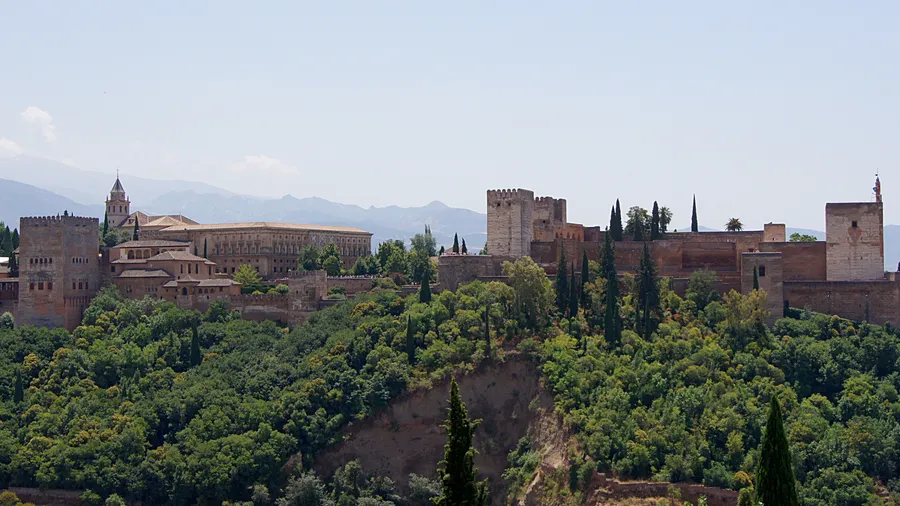
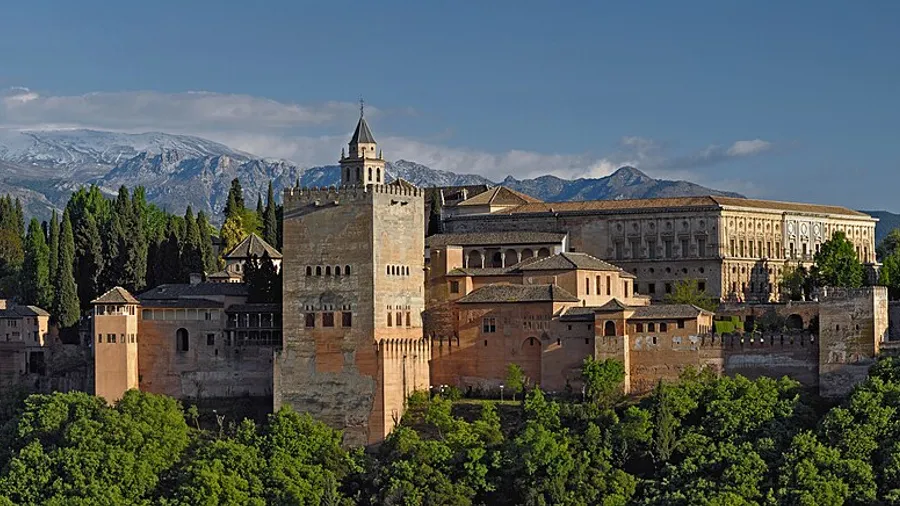
  • • 30 minutes from Granada on the A-44, easy to combine with the Alhambra

Description

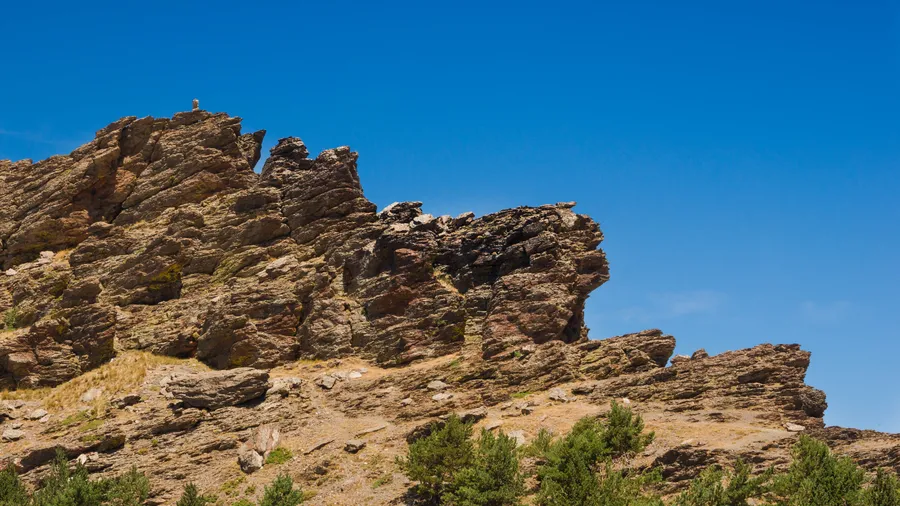
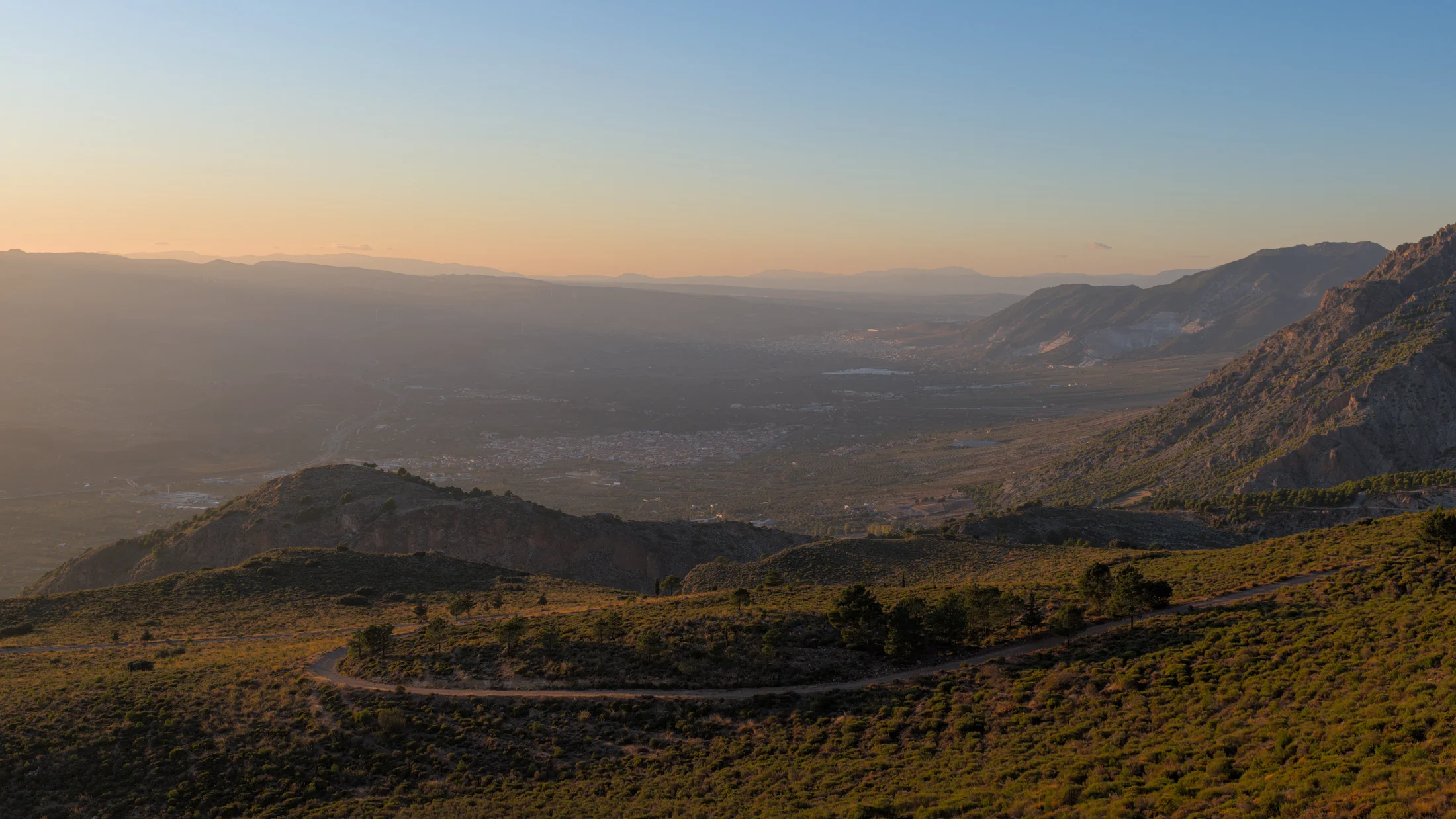
Valle de Lecrín stretches between the southern slopes of Sierra Nevada and the coast of the Alpujarra in Granada province, filling a basin of roughly 250 square kilometres at altitudes from 300 to 1,200 metres. The rivers Dúrcal, Torrente and their tributaries have carved limestone gorges and feed the acequias that irrigate thousands of orange, lemon, olive and almond trees set on terraces across the hillsides. In spring, when the citrus groves bloom together, a sweet, dense perfume fills the valley air — noticeable the moment you descend the mountain passes from Granada. The contrast between the snow-capped summit of Veleta (3,396 m) to the north and the orange-blossom fields at 600 metres is one of the province's most distinctive landscapes.

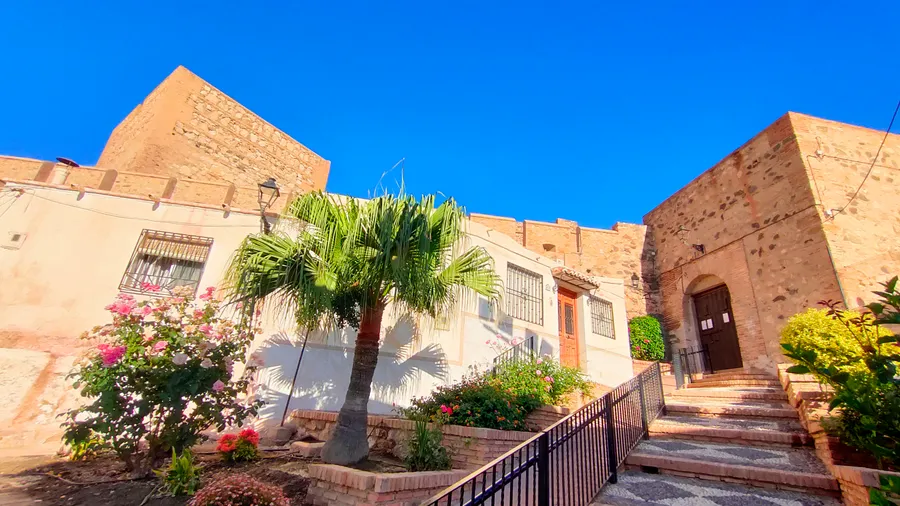
Eight municipalities form the valley — Nigüelas, Dúrcal, Padul, Villamena, Lecrín, El Pinar, Albuñuelas and El Valle — home to roughly 20,000 people. Each village preserves a historic quarter of whitewashed houses, stone fountains and small Mudéjar churches rebuilt in the 16th and 17th centuries after the Morisco rebellion. In Nigüelas, the Almazara de las Laerillas, dating from the 17th century, still produces cold-pressed olive oil and can be visited to learn the traditional process. In Dúrcal, the medieval bridge over the river and the Salto del Caballo waterfall mark the start of an 8 km network of trails through the river gorges.

Outdoor activities take advantage of the terrain's elevation changes. Canyoning in the Río Dúrcal and Barranco de Lújar draws groups who slide down rock chutes and jump into clear pools between limestone walls. Hiking routes are well signed: the Acequia de Nigüelas trail (5 km, virtually flat) follows an irrigation channel through orange groves with views of the valley and Sierra Nevada; the ascent of Cerro del Caballo (3,011 m) from Lanjarón is a high-mountain option for experienced walkers. Road cycling is rewarding, as mountain passes connect the valley with the tropical coast at Motril and the Alpujarra plateau.

The valley's gastronomy revolves around virgin olive oil, oranges and garden produce. Restaurants in Dúrcal and Nigüelas serve dishes such as choto al ajillo, migas with pork scraps, broad beans with ham, and remojón granadino — a salad of orange, salt cod and olives that captures the valley's farming identity. Wine is made in small family bodegas from Monastrell and Tempranillo grapes. At weekends, local markets in Padul and Dúrcal sell seasonal fruit, rosemary honey and artisan goat's cheese. Granada is just 30 minutes away on the A-44, making it easy to pair a valley visit with the Alhambra, the Albaicín or the tapas bars of the old town.
Practical information

Everything you need to know for your visit to Valle de Lecrín

How to get there
From Granada (30 km, 25 min), take the A-44 towards the coast and exit at Dúrcal or Padul. From Málaga (130 km, 1 h 30 min), the A-7 to Motril then the N-323 climbing into the valley. ALSA buses run from Granada to Dúrcal and Padul several times daily. Free parking in all villages.
Area Information
District tourist office in Dúrcal. Almazara de las Laerillas in Nigüelas with guided tours. Health centres in Dúrcal and Padul. Supermarkets in the main villages. Rural guesthouses, cortijos and holiday apartments throughout the area.
Geography
A 250 km² basin between Sierra Nevada and the Granada coast, at 300–1,200 m. Limestone gorges carved by the rivers Dúrcal and Torrente. Terraced citrus, olive and almond groves on the hillsides. Fertile calcareous and clay soils.
Flora & Fauna
Flora: orange trees, lemon trees, olives, almonds, holm oaks and gall oaks at higher elevations. Fauna: wild boar, fox, booted eagle, southern grey shrike. Wet gorges harbour the Mediterranean tree frog and viperine snake. Butterflies abound in spring.

Things to do

Find the best plans and things to do in Valle de Lecrín

20

Accommodations

Best accommodation options in Valle de Lecrín

Loading accommodation options...

Frequently Asked Questions

Get answers about Valle de Lecrín

Yes, canyoning in the Valle de Lecrín gorges requires technical equipment (harness, helmet, wetsuit) and knowledge of the terrain. Several adventure companies based in Dúrcal and Nigüelas offer guided outings with all gear included. Prices run around 40–60 euros per person and sessions last 3 to 5 hours depending on the chosen gorge. Descending without a guide is not recommended for safety reasons.
The main citrus blossom season runs from late March to mid-May, peaking in April. During these weeks the scent of orange blossom fills the valley floor, especially at dawn and dusk when humidity concentrates the fragrance. The groves are accessible on foot from any village, though the best viewpoints are along the Nigüelas acequias and the paths between Dúrcal and Villamena.
Yes, the Almazara de las Laerillas in Nigüelas offers guided tours throughout the year, usually by appointment. The tour explains the cold-pressing process using 17th-century machinery that still works. It includes a tasting of local olive oils. Hours vary by season, so it is best to contact the mill directly or check with the Dúrcal tourist office.
ALSA runs buses from Granada bus station to Dúrcal and Padul several times a day, taking 30–40 minutes. From Dúrcal you can walk to most nearby trails. To visit other valley villages such as Nigüelas or Albuñuelas, you need a car or taxi, as inter-village services are sparse. Weekend frequencies are lower.
Granada is 30 minutes on the A-44, so you can visit the Alhambra, the Albaicín quarter or the tapas bars of the old town on the same day. South, the tropical coast at Motril and Salobreña is 40 minutes away. Sierra Nevada offers skiing in winter and high-mountain hiking in summer. The Alpujarra, with villages like Pampaneira, Bubión and Capileira, is about an hour by mountain road.