The essentials of Sierra de Gredos

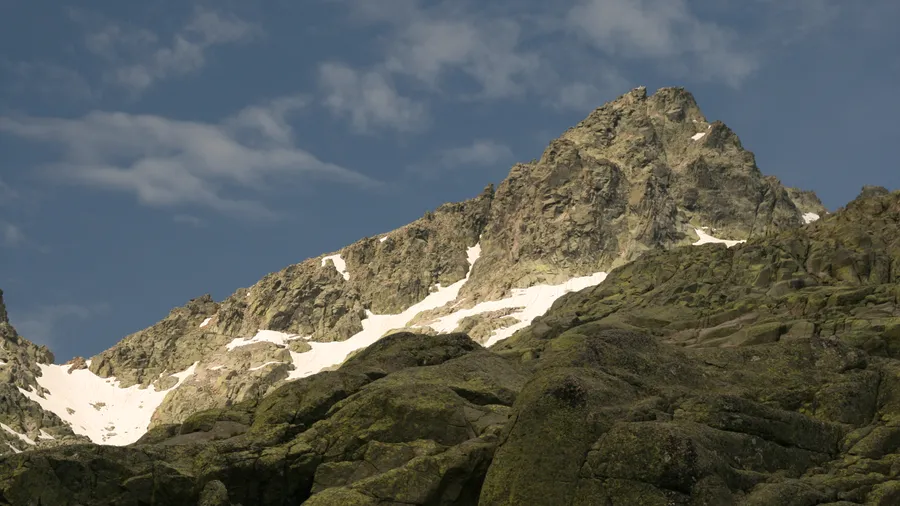
  • • Almanzor (2,592 m), the Central System's highest peak, reachable via rock routes from the Plataforma de Gredos
  • • Laguna Grande at 1,940 m on the glacial Circo de Gredos floor, 6.5 km from the Plataforma
  • • Iberian ibex (Capra pyrenaica victoriae) endemic subspecies with 8,000–10,000 individuals in the sierra
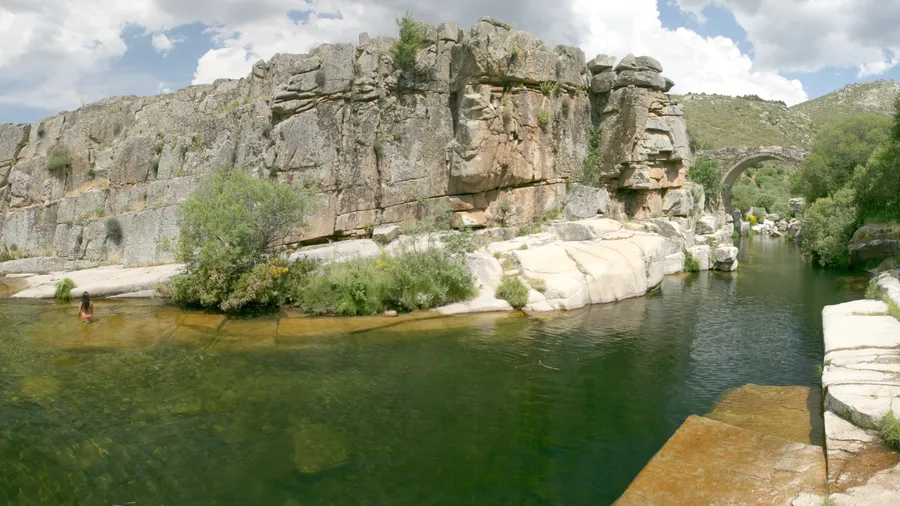
  • • Gorges with natural transparent-water pools on the south face, accessible in summer
  • • 2 hours from Madrid via the A-5 and A-501, with direct access from El Barco de Ávila

Description

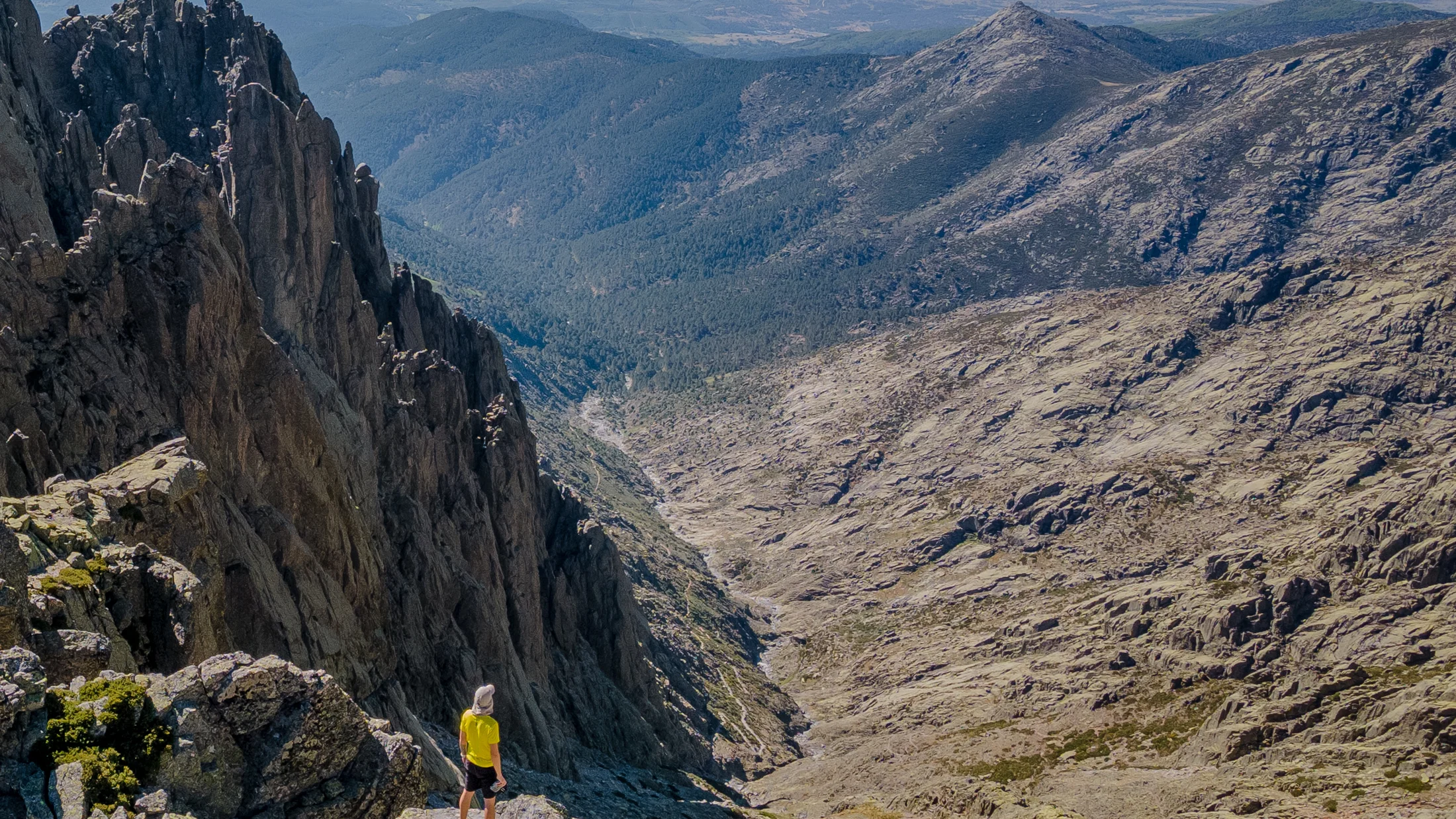
The Sierra de Gredos is the highest massif in the Iberian Central System and one of the most accessible mountain destinations for the inhabitants of Spain's central plateau. The Almanzor peak, at 2,592 metres, is the system's high point and rises at the heart of the Circo de Gredos, a glacial bowl above 2,000 metres altitude flanked by granite walls that Pleistocene glaciers polished close to vertical. The Laguna Grande, at 1,940 metres, occupies the cirque floor and reflects the surrounding ridges with the clarity only found in high-mountain meltwater; on calm summer days, the surface mirrors Almanzor with a precision that inverts the massif downward.

The standard access to the cirque departs from the Plataforma de Gredos, at 1,770 metres, the highest starting point in the massif, reached by a mountain road from El Barco de Ávila and Hoyos del Espino. From the Plataforma, the main path covers 6.5 kilometres to the Laguna Grande with 380 metres of elevation; the terrain is polished granite and alpine grassland, without technical difficulty but demanding in wind or with late spring ice. Experienced rock climbers can tackle the ridges and walls of Almanzor via the classic Galayar routes; the summit requires equipment and rock movement skills.

The Iberian ibex (Capra pyrenaica victoriae) is the most visible animal in Gredos and one of the massif's symbols. The victoriae subspecies is endemic to this sierra and was the subject of royal protection from Alfonso XIII's first reserves in the early twentieth century. Today the population stands at around 8,000–10,000 individuals, making Gredos the largest concentration of Iberian ibex on the Peninsula. In summer, herds of females and young frequent the area around the Laguna Grande with little wariness toward walkers. Adult males, with horns reaching 80 centimetres in arc, remain at higher altitudes in good weather and descend in autumn for the rutting season.

The massif's gargantas — the gorges of Iruelas, del Pinar, de Béjar, and de Chilla, among others — are the river channels descending from the sierra toward the Valle del Tiétar to the south and the Valle del Tormes to the north. These gorges have natural pools of transparent water several metres deep that have become summer rural tourism destinations. The villages of the Valle del Jerte, to the east of the massif, are famous for the mass flowering of cherry trees in March — more than a million trees on the valley slopes — which attracts tens of thousands of visitors each year for two or three weeks.
Practical information

Everything you need to know for your visit to Sierra de Gredos

How to get there
From Madrid (160 km, ~2h) via the A-5 to Talavera de la Reina then the AV-501 to Arenas de San Pedro (south face) or the N-502 to El Barco de Ávila and AV-941 to Hoyos del Espino (north face). The Plataforma de Gredos is reached via the AV-941 from Hoyos del Espino (mountain road, not suitable for long motorhomes). There is no public transport to the Plataforma.
Area Information
Hoyos del Espino (500 inhabitants) is the village closest to the Plataforma de Gredos, with rural accommodation and mountain cuisine restaurants. El Barco de Ávila (2,500 inhabitants) offers more varied services. Arenas de San Pedro (6,500 inhabitants) is the gateway on the south face. Ávila city, 80 km away, has a rail connection with Madrid.
Geography
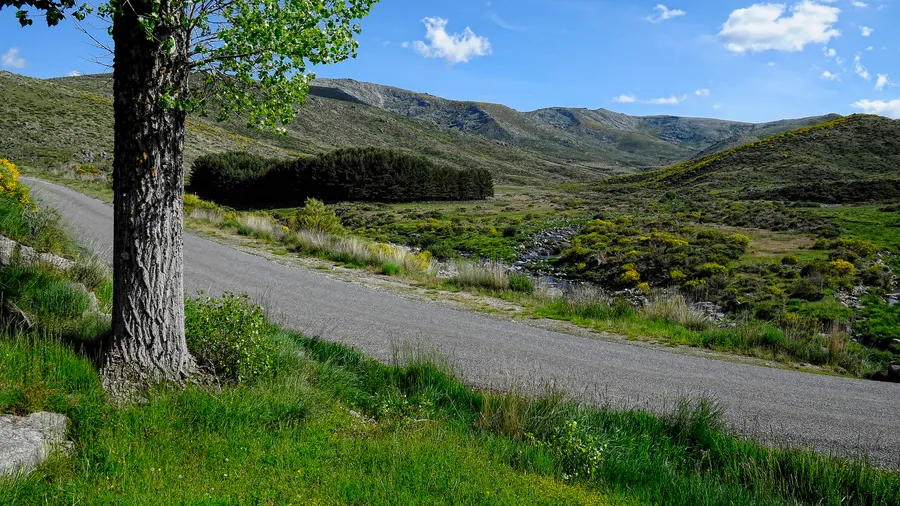
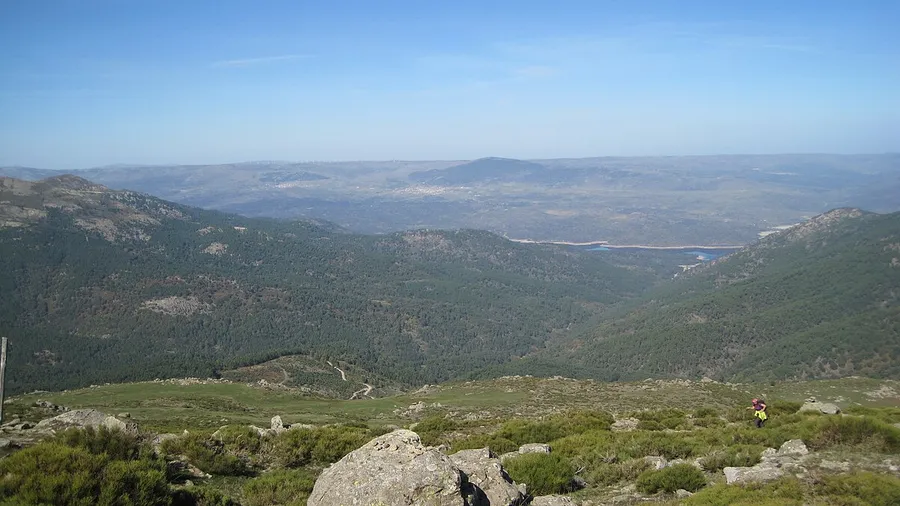
Granite massif of the Central System in the province of Ávila. The main ridge runs 80 km east to west, with Almanzor (2,592 m) as its high point. The Circo de Gredos, shaped by Pleistocene glaciers, contains the Laguna Grande (1,940 m) and several relict rock glaciers. The Tormes (north) and Tiétar (south) rivers rise on the massif's slopes.
Flora & Fauna
Alpine zone with mat grass (Nardus stricta) and dwarf gorse above 2,000 m. Scots pine (Pinus sylvestris) and Pyrenean oak (Quercus pyrenaica) at mid-altitudes. Fauna: endemic Iberian ibex (Capra pyrenaica victoriae), Eurasian otter in the gorges, golden eagle, and red-billed chough. Endemic plant: Armeria bigerrensis.

Things to do

Find the best plans and things to do in Sierra de Gredos

20

Accommodations

Best accommodation options in Sierra de Gredos

Loading accommodation options...

Frequently Asked Questions

Get answers about Sierra de Gredos

It depends on the route and time of year. In dry summer conditions, the standard approach from the Plataforma to the Laguna Grande requires no equipment. However, the final section to Almanzor from the lake involves a rock-climbing stretch (Grade II+ on the easiest route, the Galayar) where hands are needed and exposure is real. Without prior experience moving on rock and a partner who knows the route, attempting the summit is not recommended. In winter and spring, ice requires crampons and ice axe even on the easier sections.
The distance from Madrid to the Plataforma de Gredos is around 160 km via the A-5 and AV-501. Driving time is approximately 2 hours. Without a private vehicle, the most practical option is the Avanzabus service to Arenas de San Pedro (south face) or Ávila (then taxi to Hoyos del Espino). There is no public transport to the Plataforma de Gredos; taxis or hiking company vehicles are the only alternative for the final stretch.
The gorges on the south face — Garganta de Iruelas, Chilla, Pinar — have cold but swimmable pools from June to September. August is the month with the warmest water (16–20 °C in the most sun-exposed pools). The more popular gorges such as Chilla, near Arenas de San Pedro, can be busy in August; going on weekdays or in the early morning is preferable.
Yes. The main one is the Refugio Elola (also known as Refugio de Gredos), at 2,000 metres altitude next to the Laguna Grande, with capacity for 84 people and meal service during high season (July–August). It requires advance booking and tends to fill up on July and August weekends. There is also the Refugio del Rey and several unstaffed stone refuges on the massif's ridges for high-mountain routes.
The Iberian ibex is visible year-round in Gredos, but two periods are especially recommended. In summer (July–August), females and young frequent the area around the Laguna Grande with little wariness toward walkers, allowing close-range observation. In autumn (October–November), adult males descend from the ridges for the rut and clashes between them can be witnessed. The first hours of morning and the late afternoon are the most active times.