Highlights

  • • Largest Vetton castro on the Meseta Central
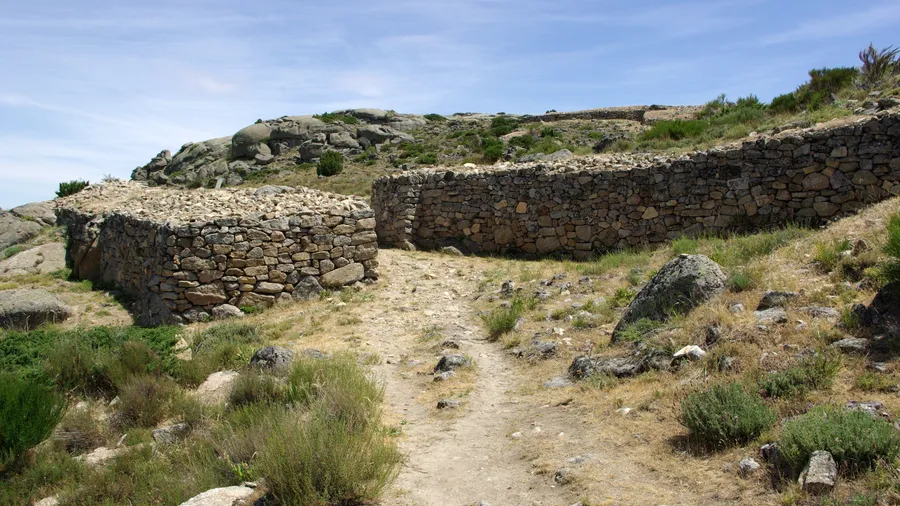
  • • Cyclopean walls made of large granite blocks
  • • Well-preserved sacrificial altar
  • • Ritual sauna linked to religious practices
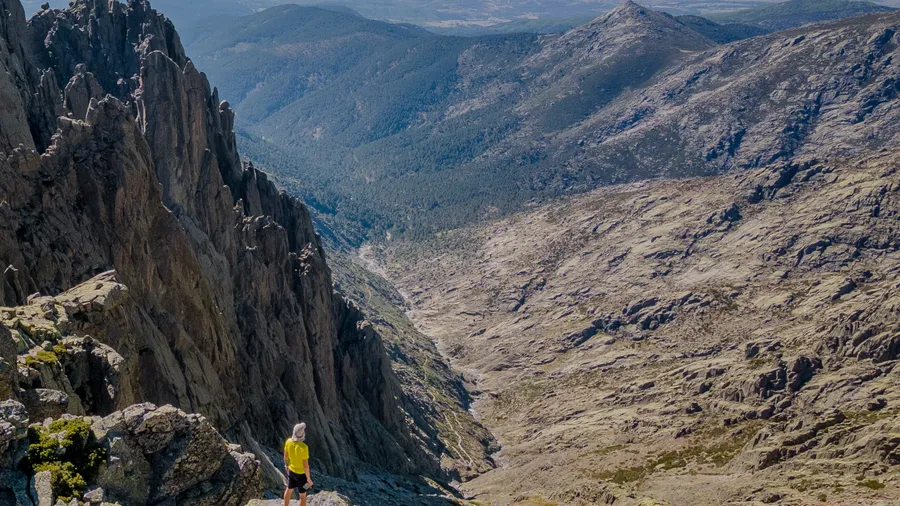
  • • Granite natural and panoramic setting
  • • Archaeological remains reflecting pre-Roman life

Description

The Castro de Ulaca is a Vetton oppidum located in Solosancho, Ávila province, dating back to approximately the 3rd century BC. It is the largest castro on the Meseta Central, set in a natural granite environment offering clear views of the surrounding landscape. This archaeological site represents a fortified settlement of the Vetton culture, one of the pre-Roman peoples who inhabited the Iberian Peninsula.

As you explore the Castro de Ulaca, you can observe its imposing cyclopean walls built with large granite blocks without mortar, which protected the village. Notable features include unique structures such as the sacrificial altar used for religious rituals and a ritual sauna, evidencing specific ceremonial practices. The layout and constructions reflect the social and defensive organization of the Vetton community.

This site provides historical context to understand the life and beliefs of the Vettones before Romanization. The Vetton culture was characterized by religious practices linked to nature and warfare, and Ulaca is a representative example of their architecture and rituals. The granite surroundings and strategic location allowed control over routes and resources on the Meseta.

Visitors are advised to wear comfortable footwear for walking on uneven terrain and dress appropriately for the season. The visit typically lasts between 1 and 2 hours, enough time to explore the walls, altar, and other archaeological remains. There is no entry fee, and access is free without prior reservation. The site is partially accessible for people with reduced mobility, though the terrain can be challenging. It is suitable for families and those who enjoy historical and natural heritage.

Key Information

Visit Duration

1-2 hours

Recommended Seasons

Spring, Autumn

Pricing

Free

Accessibility

Medium

Kid-Friendly Pet-Friendly No Booking Required

Related Destinations

Guide

Essential information for visiting Ulaca Hillfort

Location
Practical Information
Pricing
Free
Visit Duration
1-2 hours
Features & Services
  • Accessibility:Medium
  • Kid-Friendly:Yes
  • Pet-Friendly:No
  • Booking:No Booking Required
Planning Information

Recommended Seasons

Spring · Autumn

Best Time to Visit

Spring and autumn are the best seasons to visit, with moderate temperatures and fewer visitors.

Visitor Tips

Wear suitable footwear for walking on granite and uneven terrain. Bring water and sun protection, especially in summer. Check the weather before your visit and plan to go during daylight hours to make the most of your tour. Respect site guidelines to preserve the archaeological remains and avoid touching the structures.

Historical Facts

The Castro de Ulaca was a fortified settlement of the Vetton culture, which inhabited the Meseta Central before Romanization. It stands out for its cyclopean walls and ritual structures, reflecting the social and religious organization of this pre-Roman people.

Frequently Asked Questions

Get answers about Ulaca Hillfort

It is located in Solosancho, Ávila province, Castilla y León.
It dates back to approximately the 3rd century BC, during the pre-Roman era.
Yes, access is free and no prior reservation is required.
The terrain is uneven, but some areas are accessible; caution is recommended.
Between 1 and 2 hours to explore the site at a relaxed pace.