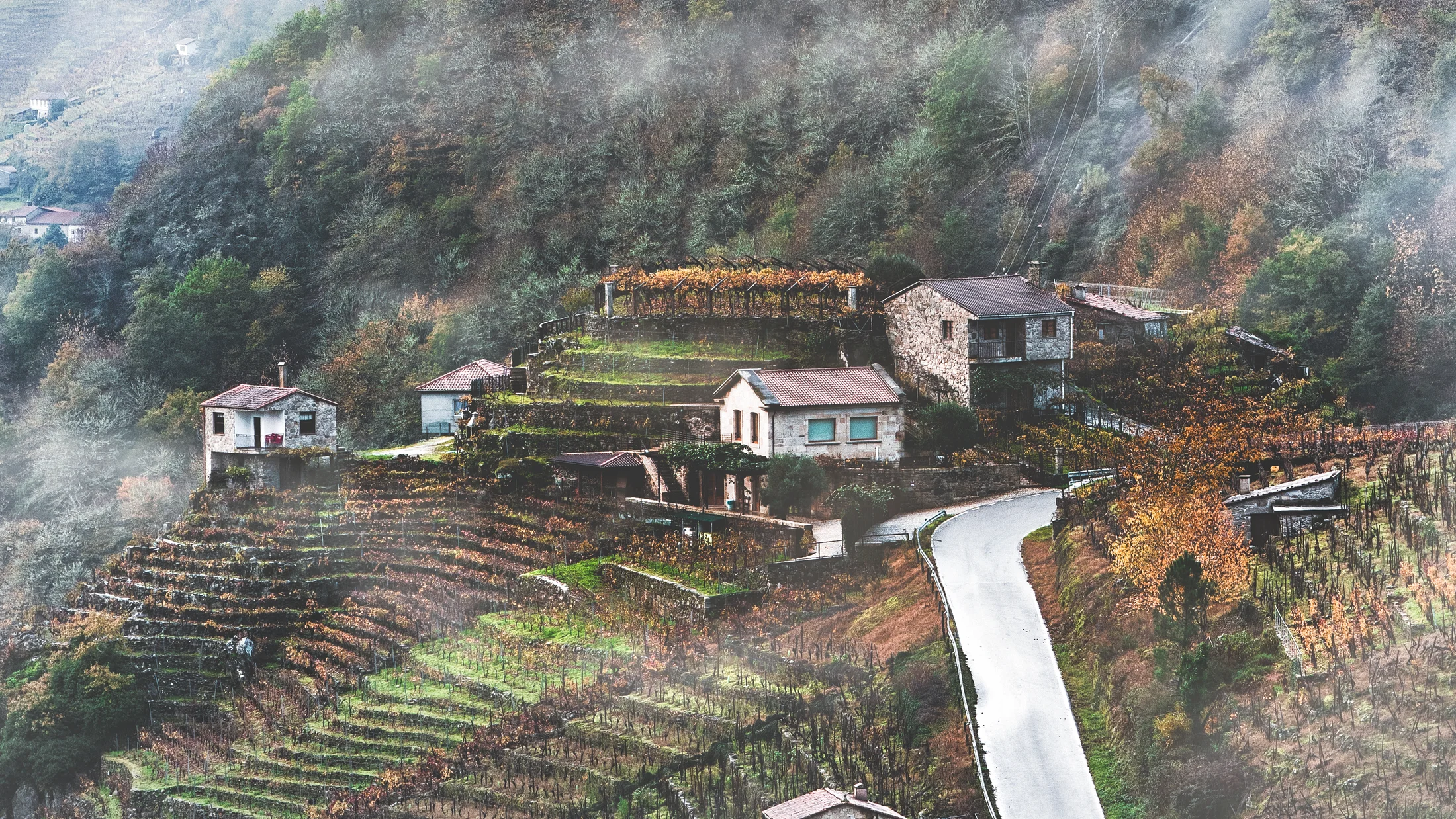
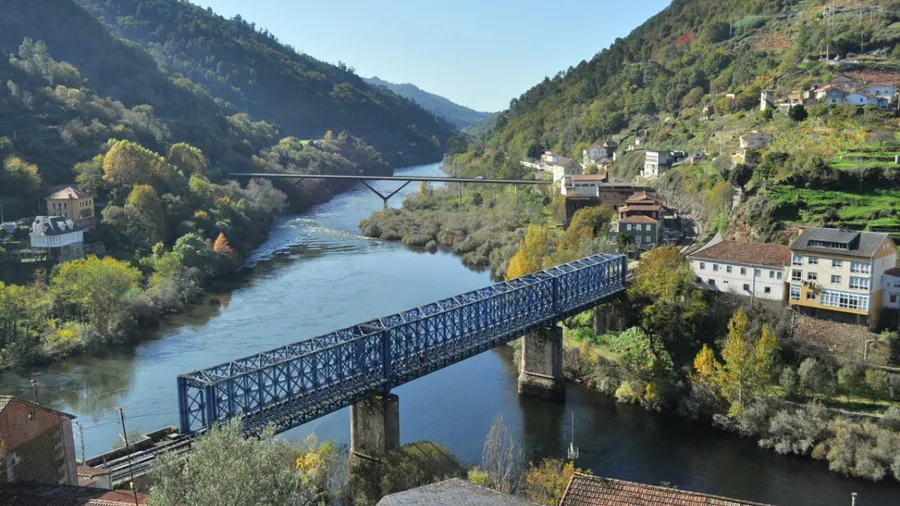
Ribeira Sacra is one of the most distinctive wine-producing territories in the Iberian Peninsula. Its vineyards cling to slopes of up to 60 degrees above the canyons carved by the Sil and Miño rivers over millions of years into the Galician granite massif. The heroic viticulture practised here requires every harvest to be done by hand, with baskets carried by pickers who descend narrow terraces where no machinery can operate. The resulting landscape — green steps falling vertically toward a sheet of water framed by slate and granite walls — has a scale that strikes on first sight and a complexity that reveals itself on successive visits.
The Ribeira Sacra designation of origin, recognised in 1996, covers five sub-zones spread across the provinces of Ourense and Lugo. The flagship grape is Mencía, which on these skeletal-soil, extreme-drainage slopes produces wines of mineral character, lively acidity, and restrained red fruit — quite unlike what the same variety produces at lower altitudes. Local wineries, many of them family-owned with small outputs, have built a terroir-driven identity that draws international buyers and visitors who come specifically to explore the DO routes.
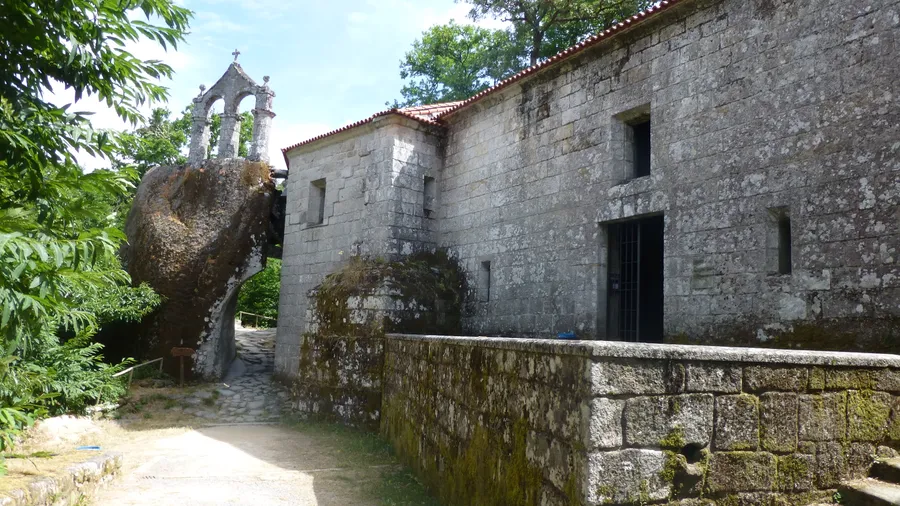
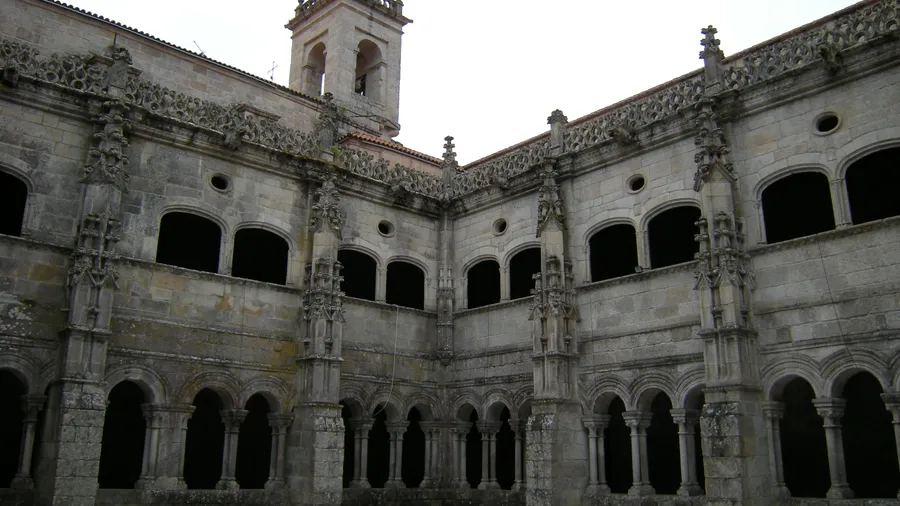
The territory also holds a monastic heritage of rare quality. The monastery of Santo Estevo de Ribas de Sil, founded in the sixth century and today a national parador, overlooks a meander of the Sil from an almost inaccessible position. San Pedro de Rocas, also from the sixth century, is one of the oldest rock hermitages on the Peninsula — cells carved directly into the rock, underground chapels, and medieval funeral stelae that archaeologists are still studying. Santa Cristina de Ribas de Sil, with its twelfth-century Romanesque church on a wooded promontory, completes an ensemble that has supported a UNESCO World Heritage candidacy.
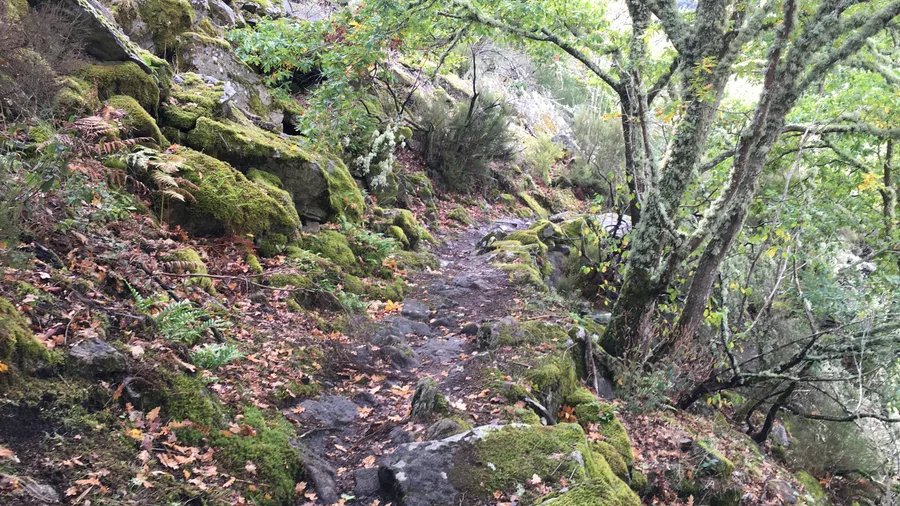
Catamaran excursions on the Santo Estevo reservoir allow visitors to see the Sil canyons from the water, with their 500-metre walls and terraced vineyards appearing embedded in the rock. Routes along the GR 156 and local trails at Parada de Sil and Castro Caldelas offer canyon-rim viewpoints not accessible from the water.
The Ribeira Sacra territory is divided administratively into five wine sub-zones: Ribeiras do Sil, Chantada, Ribeiras do Miño, Quiroga-Bibei, and Amandi. Each presents distinct soil and microclimate conditions that translate into differentiated wine profiles. The Amandi sub-zone, on the right bank of the Sil opposite the Santo Estevo monastery, produces some of the DO's most expressive Mencías, with an aromatic concentration attributed to its maximum-slope slate soils and the solar reflection off the reservoir water. The Ruta do Viño Ribeira Sacra groups more than forty visitable wineries and organises events such as the Festa da Vendima de Amandi in September.