The essentials of Peñas de Aia Natural Park

  • • Only granitic outcrop on the Basque Cantabrian coast
  • • Roman-era Arditurri mines with visitable galleries
  • • Over 147 vertebrate species including European mink
  • • 1,217 hectares of Atlantic oak forest and 619 of beech
  • • Rainfall reaching 2,800 mm annually on the summits

Description

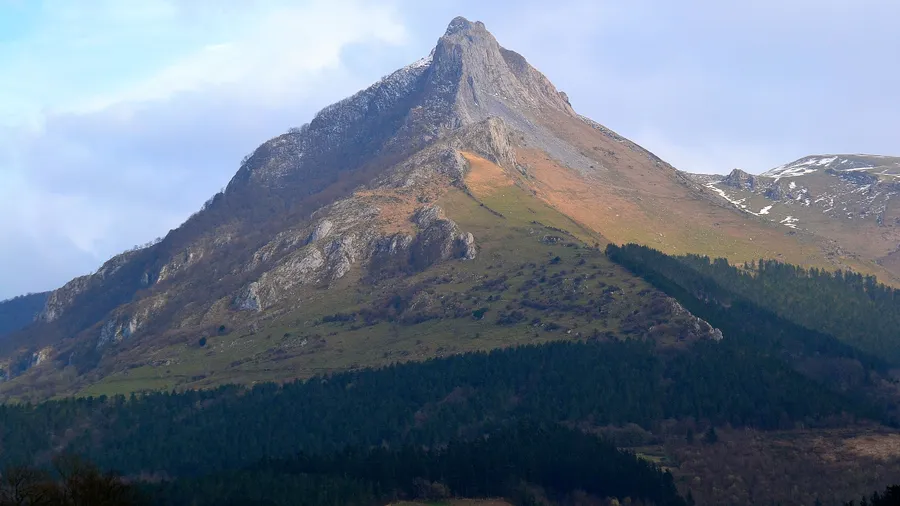
The Peñas de Aia Natural Park — Aiako Harria in Basque — covers 6,913 hectares at the eastern tip of Gipuzkoa, between the Bidasoa and Urumea rivers. It is the only granitic outcrop along the entire Basque Cantabrian coast, giving it a distinct geological character: the three main peaks — Irumugarrieta (834 m), Txurrumurru (821 m), and Erroilbide (837 m) — rise as Palaeozoic granite masses above a mantle of Atlantic forest. This contrast between bare rock and dense vegetation defines the park landscape from every vantage point.

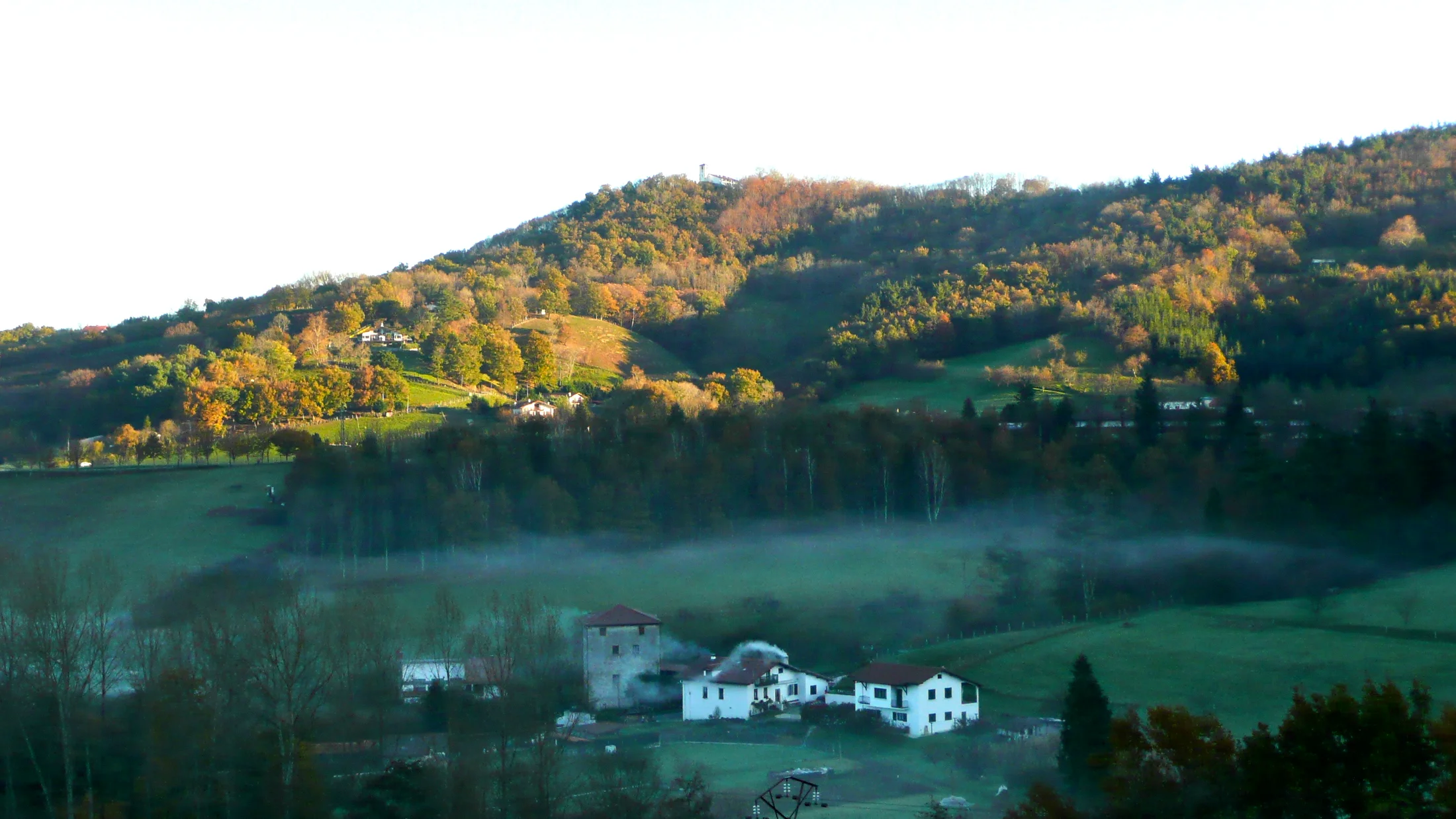
The northern slopes, receiving over 2,200 mm of annual rainfall — up to 2,800 mm at the summits — hold the park's largest acidophilous pedunculate oak forest, spanning 1,217 hectares. Acidophilous beech forests cover another 619 hectares, mainly at higher elevations with northern exposure. Alder and ash galleries extend along 138 hectares of watercourses, creating corridors where constant humidity maintains a stable microclimate. Dry acidic heathlands occupy 466 hectares on exposed ridges and hilltops. Beneath the canopy, ferns and mosses carpet the ground in unbroken green, punctuated only by lichen-covered granite boulders.

The fauna has a Eurosiberian character, with over 147 recorded vertebrate species. Roe deer and wild boar are the most common mammals, while the European mink and Atlantic salmon represent the species of greatest conservation value in the park rivers. Notable birds include the griffon vulture, peregrine falcon, and middle spotted woodpecker. Streams flowing down from the peaks sustain native brown trout and white-clawed crayfish populations.

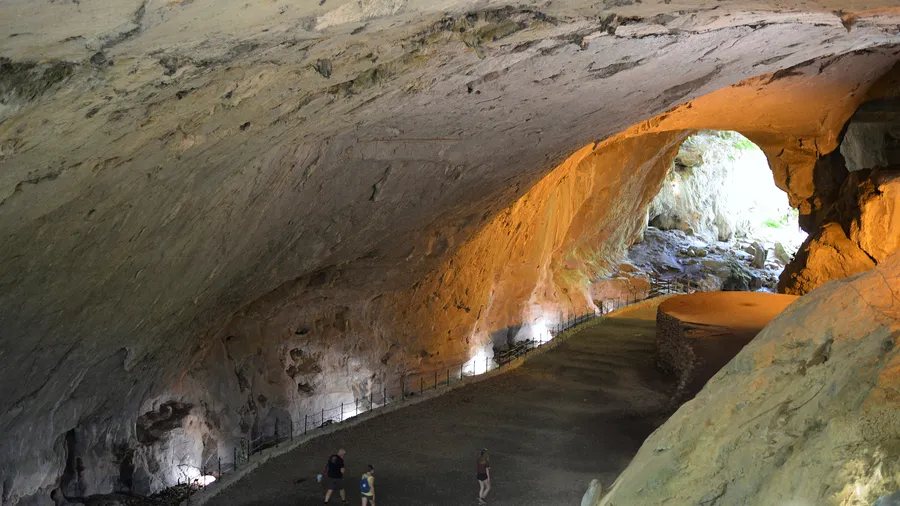
The park territory is shared among five municipalities: Oiartzun (44.7%), Errenteria (25.1%), Irun (18.2%), Hernani (9%), and San Sebastián (3%). The ancient Arditurri mines, worked since Roman times for silver, lead, and fluorite, are now a visitable site with illuminated galleries and interpretive panels. The remains of nineteenth-century mining infrastructure blend into the forested landscape, offering a contrast between historic human activity and the natural recovery of the surroundings.

From the summits of the three peaks, on cloudless days, the Cantabrian coastline is visible to the north and the first Pyrenean foothills to the south. The park trail network includes circular routes of varying difficulty, from family walks along valley floors to technical ascents of the granite ridges. The sound of water running through streams and the song of the robin accompany walkers on the lower paths, where light filters green through the oak canopy.
Practical information

Everything you need to know for your visit to Peñas de Aia Natural Park

How to get there
From San Sebastián, the GI-2134 road reaches the park in about 25 minutes via Oiartzun. From Irún, access is via the GI-3631. The main car park is at the Arditurri recreational area. Urban buses connect San Sebastián with Oiartzun and Errenteria. The nearest train station is Errenteria, on the Euskotren commuter line.
Area Information
Shared among Oiartzun, Errenteria, Irun, Hernani, and San Sebastián. Arditurri mines offer guided visits by booking. Recreational areas with picnic tables in the main valleys. Local farmsteads produce natural cider and Idiazabal cheese.
Geography
Eastern tip of Gipuzkoa, between the Bidasoa and Urumea rivers. Western start of the Pyrenees. Three Palaeozoic granite peaks reach 837 m. Narrow valleys with permanent streams and slopes covered in Atlantic forest.
Flora & Fauna
Pedunculate oak forests (1,217 ha), beech forests (619 ha), alder-ash galleries (138 ha), dry heathlands (466 ha). Wildlife: roe deer, wild boar, European mink, Atlantic salmon. Birds: griffon vulture, peregrine falcon. Over 147 vertebrate species.

Things to do

Find the best plans and things to do in Peñas de Aia Natural Park

20

Accommodations

Best accommodation options in Peñas de Aia Natural Park

Loading accommodation options...

Frequently Asked Questions

Get answers about Peñas de Aia Natural Park

No, mine visits are guided and require advance booking through www.arditurri.com. Tours last about 45 minutes and include Roman-era and nineteenth-century galleries. Warm clothing is advisable as the interior temperature is around 13 °C.
The route from the Arditurri car park to the mines is easy, covering 2 km along a flat forest track. The walk through the Añarbe valley is also family-friendly. Both routes run alongside streams and beneath the forest canopy, making them pleasant even on warm days.
Yes, the park receives over 2,200 mm of rain annually in the valleys and up to 2,800 mm on the summits. There is no clear dry season, though July and August tend to see the least rainfall. A waterproof jacket and boots are essential at any time of year.
There is no wildlife dangerous to visitors. Wild boar are shy and rarely seen during daylight. There are no bears or wolves in the area. Vipers are very rare and avoid human contact. The main risk is slippery paths due to constant humidity.
Wild camping is not permitted in the natural park. The recreational areas have picnic tables and fountains but no camping facilities. The nearest accommodation options are rural guesthouses and hotels in Oiartzun, Errenteria, and Irun, all within 15 minutes by car.