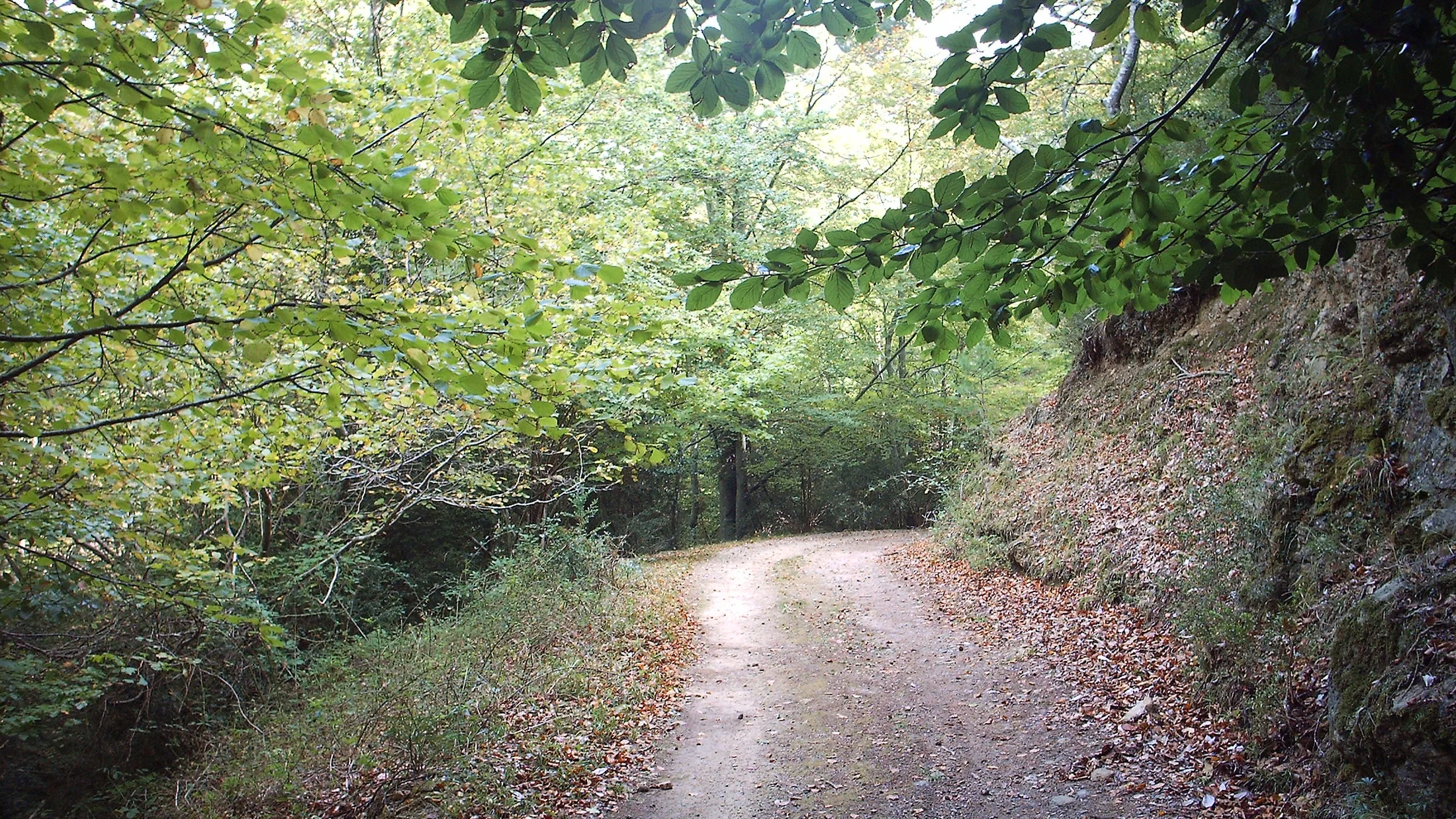
Parque Natural de la Tinença de Benifassà
The essentials of Parque Natural de la Tinença de Benifassà
- • Mixed pine, Portuguese oak and downy oak forest from 400 to 1,236 metres elevation
- • Sénia River ravines with otter, fire salamander and wild orchids
- • Cistercian monastery of Benifassà founded by King James I in 1233
- • Six dry-stone villages with medieval irrigation channels still in use
- • GR-7 and PR-CV-155 trail network linking all park settlements
Description
Practical information for Parque Natural de la Tinença de Benifassà
Everything you need to know for your visit to Parque Natural de la Tinença de Benifassà
How to get there
How to get there
From Vinaròs, take the N-232 towards Morella then the CV-15 to La Pobla de Benifassà (65 km, about 70 min). From Tortosa, the N-340 joins the CV-15 at Ulldecona (50 km). No regular public transport serves the park interior.
Area Information
Six inhabited villages: La Pobla de Benifassà (main tourist services), Fredes, Coratxar, Ballestar, El Boixar and Castell de Cabres. Visitor centre in La Pobla. Medieval Molins de Racó mill open to visitors. Regulated campsite in Fredes.
Geography
A 31,753-hectare limestone and slate massif in northern Castellón, from 400 m in the Sénia gorge to 1,236 m at Turmell. Deeply incised ravines cut through the plateau with vertical walls up to 200 m and humid gallery-forest floors.
Flora & Fauna
Maritime pine and cork oak on lower slopes; Portuguese oak and downy oak above 800 m. Orchids (Orchis mascula, Anacamptis pyramidalis) in meadows. Wildlife: Bonelli's eagle, griffon vulture, great spotted woodpecker, roe deer, otter, fire salamander and marbled newt.
Accommodations in Parque Natural de la Tinença de Benifassà
Best accommodation options in Parque Natural de la Tinença de Benifassà
Frequently asked questions about Parque Natural de la Tinença de Benifassà
Get answers about Parque Natural de la Tinença de Benifassà
What hiking routes are available in the park?
The GR-7 long-distance trail crosses the massif north to south, connecting Fredes with La Pobla de Benifassà over 22 km with 700 m of cumulative elevation gain. The PR-CV-155 links all six inhabited villages in a 55-km circuit divisible into stages of 8–15 km. Maps are available at the visitor centre in La Pobla de Benifassà and from the Institut Cartogràfic Valencià (1:25,000 scale).
Can I visit the Benifassà monastery?
The Cistercian abbey church is open on weekends and public holidays with a local guide. The cloister and monastic quarters are under partial restoration. Opening hours vary by season, so check with the Ajuntament de La Pobla de Benifassà before visiting, as availability depends on staffing and season.
Are there campsites in the park?
There is a regulated campsite in Fredes with marked pitches, basic facilities and drinking water. Wild camping is not permitted anywhere in the park to protect riparian habitats and nesting sites of Bonelli's eagle. Advance booking is required during the high season.
When is the best time to see wildlife?
Dawn and dusk are the best times to spot roe deer in oak woodland clearings, particularly during spring courtship (April–May). Griffon vultures soar visibly from mid-morning once thermals build over the ravines. For fire salamanders and marbled newts, rainy spring days are most productive, especially in the humid ravines of the Sénia and Ulldemó.
What equipment is essential to bring?
For half-day routes: hiking boots with grip soles, a paper map (GPS signal can fail inside narrow ravines), adequate water (at least 2 litres per person in summer), and an extra warm layer even in July above 1,000 m. In winter, snow chains are required above 900 m. A basic first-aid kit and headlamp are recommended year-round.