The essentials of Embalse de Mequinenza

  • • European catfish fishing with specimens exceeding 2.5 metres and 100 kg in weight
  • • Aiguabarreig ZEPA birdwatching zone at the confluence of the Ebro, Segre and Cinca rivers
  • • Open-access beaches with 22–24 °C water in summer for swimming and paddleboarding
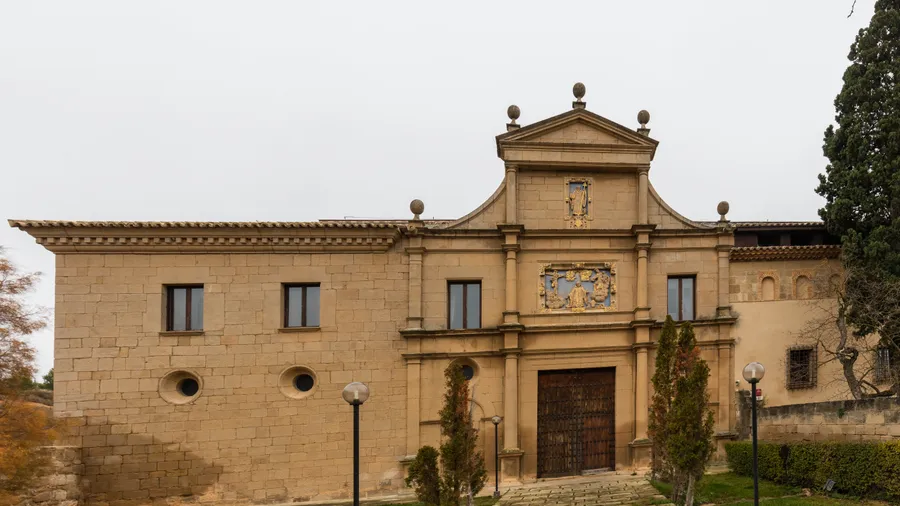
  • • Medieval hilltop castle of Mequinenza and the Mining History Museum in the village
  • • Hiking and mountain-biking routes along shoreline paths through Mediterranean scrub and almond groves

Description

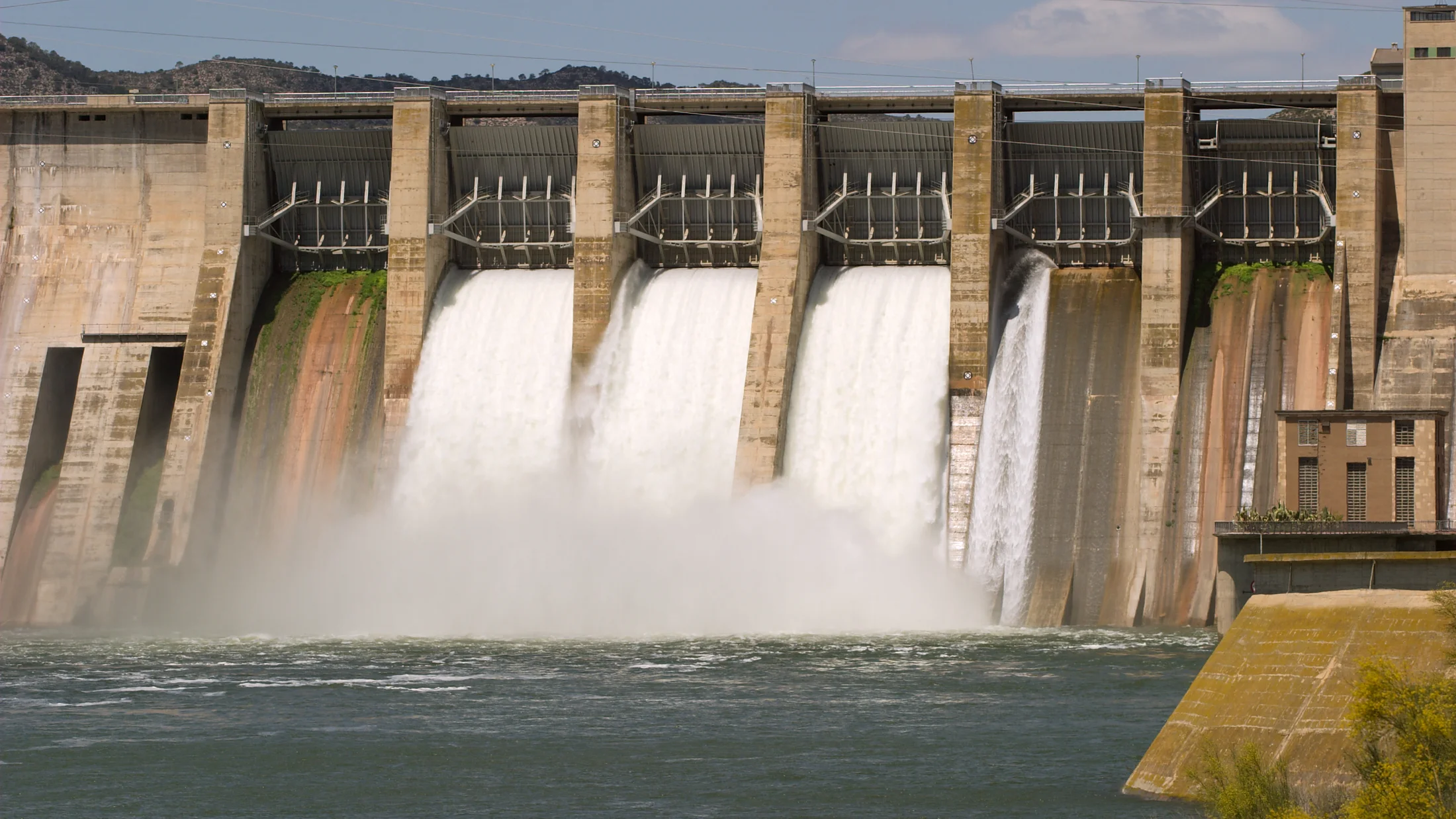
The Embalse de Mequinenza covers 7,540 hectares of water surface on the Ebro River, at the junction of the provinces of Zaragoza and Lleida. Known locally as the Sea of Aragon, it is the largest reservoir in the region: its elongated shape stretches roughly 110 kilometres along the old Ebro riverbed, reaching depths of over 60 metres and holding 1,530 cubic hectometres of water. The 79-metre-high dam rests on the limestone ridges of the Montenegre and La Huerta ranges. At dawn, the water mirrors the scrubland hills and ochre tones of the Aragonese steppe, producing a horizon line that resembles an inland sea.

Sport fishing defines the reservoir's international identity. In 1974, a German ichthyologist named Roland Lorkowsky crossed the Pyrenees with 32 juvenile wels catfish (Silurus glanis) from the Danube. Half a century later, Mequinenza catfish reach 2.5 metres in length and exceed 100 kilograms, making this one of Europe's most reputed catfish-fishing destinations. The most common techniques are spinning and pellet fishing from a boat, with catches made both from the shore and from vessels in areas of varying depth. Alongside the catfish, the waters hold common carp, largemouth bass, zander, barbel, bleak and tench. Every year, anglers from Germany, France, the UK and the Netherlands travel to Mequinenza for trophy catches, and several local guides offer full-day boat fishing trips with equipment included.

The natural surroundings add value well beyond fishing. The Aiguabarreig area, where the Ebro, Segre and Cinca rivers meet — one of the largest river confluences in Europe — was declared a Special Protection Area for Birds (ZEPA) in 2001. Grey herons, great cormorants, mallards and common kingfishers inhabit the reed beds year-round. In winter the reservoir serves as a hibernation zone for migratory birds moving between the Monegros steppe and the Ebro Delta. On the surrounding slopes, low Mediterranean scrub shares the terrain with Aleppo pines, holm oaks and almond trees, and Iberian ibex, roe deer and otters can be spotted in quieter stretches of the reservoir.

For families, the reservoir offers a range of activities. Open-access beaches allow swimming in summer, when water temperatures hover around 22–24 °C. Kayaking and paddleboarding are common in coves sheltered from the cierzo wind, and shoreline paths on the northern bank connect to low- and moderate-difficulty hiking and mountain-biking routes. The town of Mequinenza, perched on a hill above the water, retains a 14th-century medieval castle overlooking the reservoir. The Mining History Museum, housed in a restored mine gallery, documents the lignite extraction that shaped the local economy until the mid-20th century. Local cuisine centres on regional produce: Aragonese lamb, Bajo Cinca olive oil and local wines, served in several village restaurants at reasonable prices.
Practical information

Everything you need to know for your visit to Embalse de Mequinenza

How to get there
From Zaragoza, take the A-2 towards Lleida and exit at Fraga to join the N-211 to Mequinenza — about 135 km in roughly 1 hour 25 minutes. From Barcelona, follow the AP-2/A-2 to Fraga then the N-211, around 211 km in 2 hours 10 minutes. Public transport is limited: buses run from Fraga.
Area Information
The town of Mequinenza offers accommodation, restaurants and fishing guide services. Campsites beside the reservoir provide boat launch access. The medieval castle hosts exhibitions, and the Mining Museum recreates local mining history. The tourist office is in the town centre.
Geography
Artificial reservoir of 7,540 hectares on the Ebro riverbed, set between the Montenegre and La Huerta ranges in the Bajo Cinca district. The dam stands 79 m high. Maximum water level is 121 m above sea level, with depths exceeding 60 m.
Flora & Fauna
Low Mediterranean scrub, Aleppo pine, holm oak and almond trees on the slopes. Aquatic fauna: wels catfish (up to 2.5 m), carp, largemouth bass, zander and barbel. Birds: grey heron, great cormorant, common kingfisher, mallard. Mammals: Iberian ibex, roe deer and otters in quiet stretches.

Things to do

Find the best plans and things to do in Embalse de Mequinenza

20

Accommodations

Best accommodation options in Embalse de Mequinenza

Loading accommodation options...

Frequently Asked Questions

Get answers about Embalse de Mequinenza

You need the Aragon freshwater fishing licence, obtainable online from the regional government website, plus the specific beat permit for the reservoir. Both documents are compulsory and must be carried while fishing. For catfish, permitted methods include spinning and pellet fishing from a boat.
Trophy specimens regularly exceed 2 metres in length and 80 kg in weight. The most notable catches approach 2.5 metres and surpass 100 kg. The wels catfish was introduced in 1974 with 32 juveniles from the Danube and has found optimal temperature and food conditions in the reservoir to reach these sizes.
Yes, several open-access beaches on the reservoir shores are suitable for swimming in summer, with water temperatures between 22 and 24 °C. There is no lifeguard service, so caution is advised, especially in areas where depth increases quickly. Nearby campsites also offer waterfront access for swimming.
It is the meeting point of the Ebro, Segre and Cinca rivers, declared a Special Protection Area for Birds in 2001. It is considered one of the largest river confluences in Europe and acts as a corridor between the Monegros steppe and the Ebro Delta. It is a key birdwatching site for herons, cormorants and wintering migratory species.
Mequinenza has hotels, tourist apartments and campsites with direct reservoir and boat-launch access. Caspe, 30 km away, expands the options with additional accommodation and dining choices. During fishing season (April–October), advance booking is advisable as international demand is high, especially on weekends.