The essentials of Embalse de Cubillas

  • • UGR Nautical Campus with sailing, windsurfing, kayaking, paddleboarding, dragon boat and pedalos
  • • Over 60 bird species documented, functioning as a migratory staging point and nesting area
  • • Sierra Nevada and Mulhacén (3,479 m) visible from the reservoir shores
  • • Complementary land activities: zip lines, climbing wall, archery and slackline
  • • Under 20 minutes by car from central Granada via the A-44

Description

The Embalse de Cubillas covers 194 hectares between the municipalities of Albolote and Atarfe, about 15 kilometres north of central Granada. Built in 1939 and operational since 1955, it dammed the Cubillas and Colomera rivers for irrigation and flood control. The earthfill dam holds a shallow body of water — maximum depth around 20 metres — creating gentle-gradient shores suited to walking, fishing and birdwatching. On clear days, the outline of Sierra Nevada rises to the south beyond the water, with the Mulhacén (3,479 m) as a visual reference from the reservoir banks.

The University of Granada runs the Cubillas Nautical Campus, a leading watersports facility in the province. The campus is organised into four zones: teaching and management, sports and nautical, environmental and dining. Available activities include dinghy sailing, windsurfing, canoeing, kayaking, paddleboarding, dragon boat, pedalos and rowing boats. Beyond the university grounds, active tourism companies add zip lines, climbing walls, archery and slackline on the reservoir's fringes. The combination of water and land activities makes the area a full-day destination for families, school groups and stag parties.

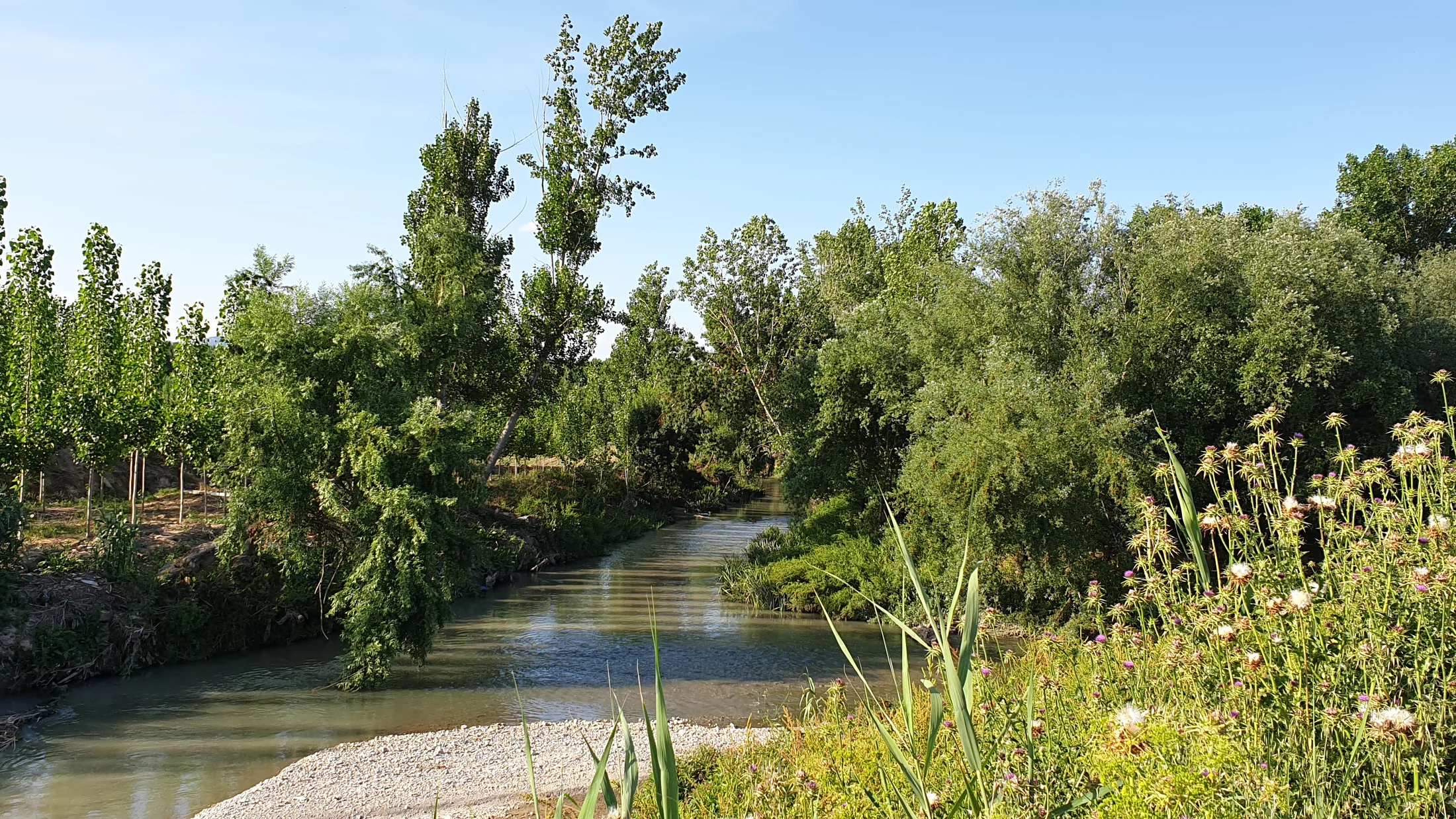
The reservoir's birdlife is among the richest in Granada province. Over 60 bird species have been documented, including great cormorant, grey heron, mallard, lapwing, little ringed plover and several warbler and reed warbler species. The reservoir serves as a staging point during migrations and a nesting area for some resident species. Predominant fish are carp and trout; foxes, genets and badgers appear along the banks, especially at dusk. Vegetation includes pines, poplars, willows, tamarisks, reed beds and Mediterranean scrub with rosemary, thyme and rockrose on surrounding slopes.

The reservoir sits between Sierra Elvira to the west, the Colomera and Harana ranges to the north, and the edge of the Vega de Granada to the south. The Cubillas river flows 22 kilometres downstream from the dam to meet the Genil, a Guadalquivir tributary. The proximity to Granada city — under 20 minutes by car via the A-44 — and the range of activities make the reservoir a gathering point for those seeking open air without straying far from the city. The afternoon wind descending from Sierra Nevada ripples the water surface and provides stable sailing conditions, a detail local windsurfers know well.
Practical information

Everything you need to know for your visit to Embalse de Cubillas

How to get there
From Granada, take the A-44 towards Jaén and exit at Albolote (exit 118). The reservoir is 15 km from the centre, about 20 minutes by car. The Nautical Campus is reached from the GR-3407 road. No direct public transport to the reservoir; the metropolitan bus to Albolote leaves you 3 km away.
Area Information
UGR Nautical Campus with teaching facilities, restaurant, changing rooms and adventure zone. Free parking next to the campus. Picnic areas along the shores. No public visitor centre, but information is available on the UGR Sports website.
Geography
Reservoir on the Cubillas and Colomera rivers, between Sierra Elvira to the west and the Colomera and Harana ranges to the north. Maximum depth 20 m. Gentle-gradient shores. The Cubillas river flows 22 km to the Genil after the dam.
Flora & Fauna
Over 60 birds (great cormorant, grey heron, mallard, lapwing). Fish: carp and trout. Mammals: fox, genet and badger. Riparian vegetation of poplars, willows and tamarisks; Mediterranean scrub of rosemary, thyme and rockrose on slopes.

Things to do

Find the best plans and things to do in Embalse de Cubillas

20

Accommodations

Best accommodation options in Embalse de Cubillas

Loading accommodation options...

Frequently Asked Questions

Get answers about Embalse de Cubillas

No. Swimming is not permitted for safety and water quality reasons. Water activities are run through the University of Granada Nautical Campus or licensed active tourism companies, which provide the necessary equipment (life jackets, boats) and supervision.
The UGR Nautical Campus offers dinghy sailing, windsurfing, canoeing, kayaking, paddleboarding, dragon boat, pedalos and rowing boats. Active tourism companies add zip lines, climbing wall, archery and slackline. Indicative prices for kayaking or paddleboarding are around 15–25 euros per session.
No. The Nautical Campus runs introductory courses in sailing, windsurfing and canoeing for all levels. Qualified instructors provide basic training before each activity. Pedalos and rowing boats need no prior knowledge and are suitable for families with small children.
Yes, sport fishing is permitted with a Junta de Andalucía fishing licence. The most common species are carp and trout. Accessible fishing spots line the shore, especially along the northern bank. Seasonal closures and regulations under current Andalusian law apply.
Yes. The reservoir is one of the top birdwatching sites in Granada province, with over 60 documented species. It serves as a staging point during spring and autumn migrations and a nesting area for resident species. The best observation spots are on the northern shore and in the reed beds at the eastern end.