The essentials of Green Coast

  • • Pría and Arenillas blowholes, sea jets erupting through green meadows
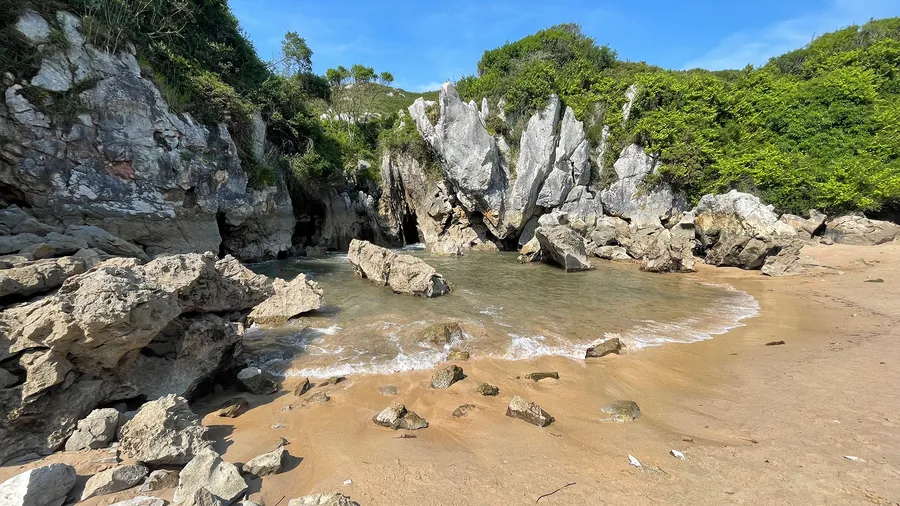
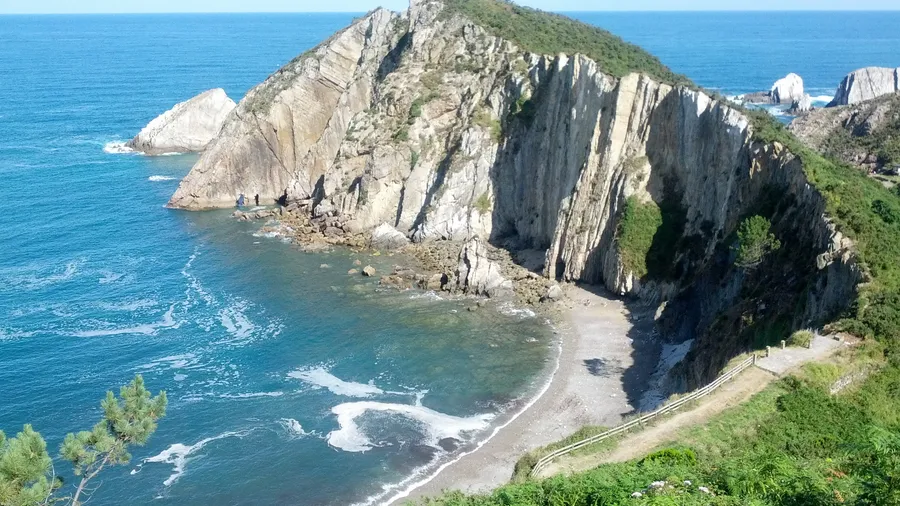
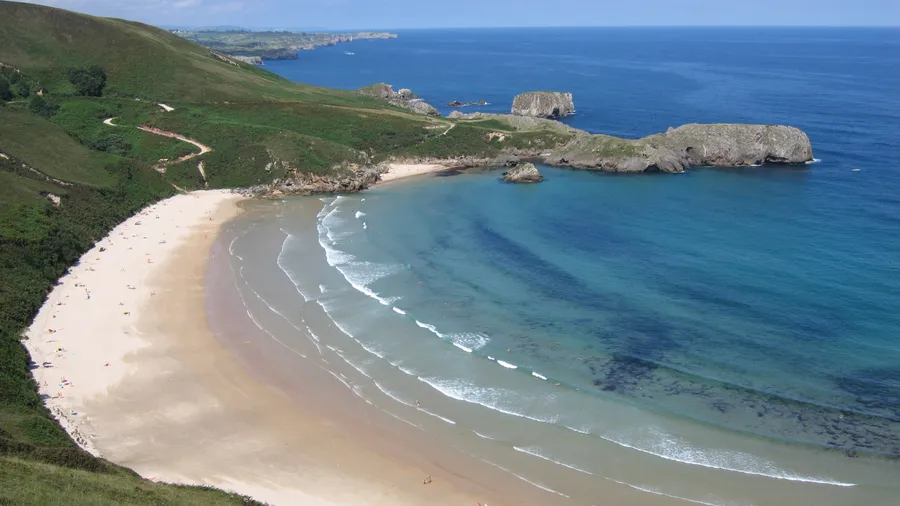
  • • Hidden beaches: Gulpiyuri, Torimbia, Silencio, Cuevas del Mar, Verdicio
  • • Tito Bustillo Cave in Ribadesella, UNESCO World Heritage rock art
  • • Cudillero and Lastres, fishing villages stacked above the Cantabrian Sea
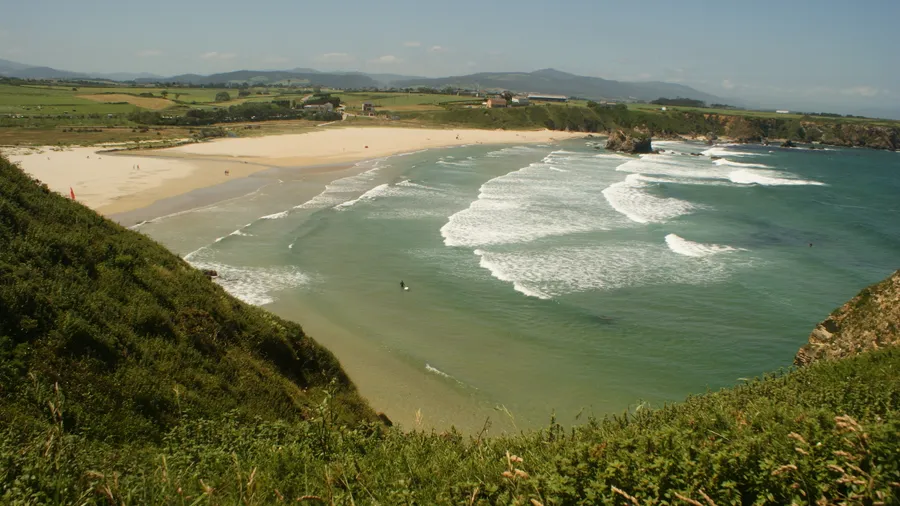
  • • Surf at Rodiles, Salinas and Tapia, and natural cider poured in Villaviciosa

Description

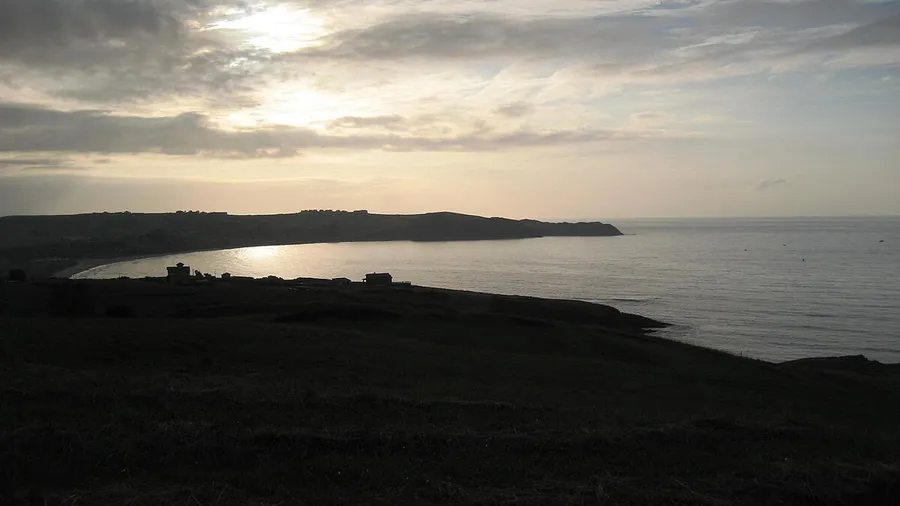
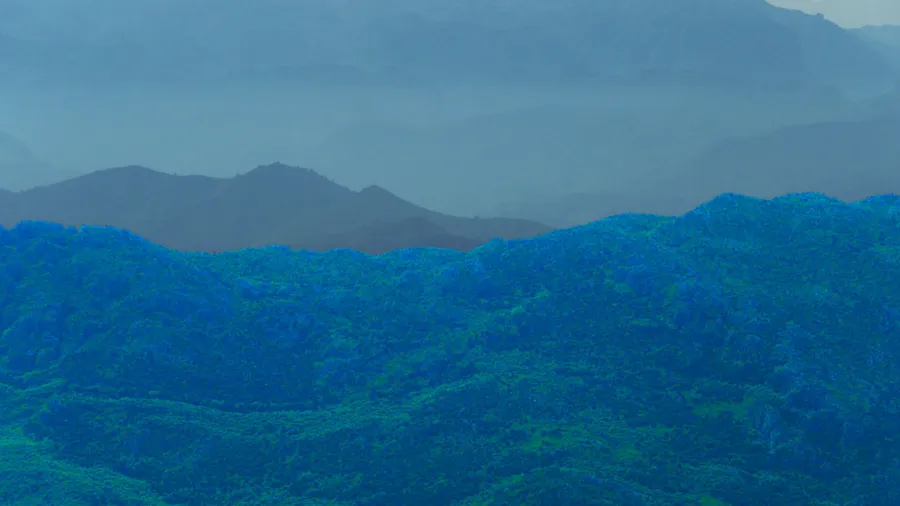
The Costa Verde of Asturias stretches along 350 kilometres of Cantabrian coast between the Tina Mayor ría to the east, on the Cantabria border, and the Eo ría to the west, where Ribadeo already looks across to Galicia. It is a jagged shore of slate and quartzite cliffs, dotted with coves, sheltered estuaries and countless half-hidden beaches, many of them reached only by tracks plunging through heather and eucalyptus. The name is no marketing trick: rain falls year-round and meadows reach the very edge of the sea, so the landscape stays green while the ocean turns, depending on the day, emerald, leaden or turquoise.

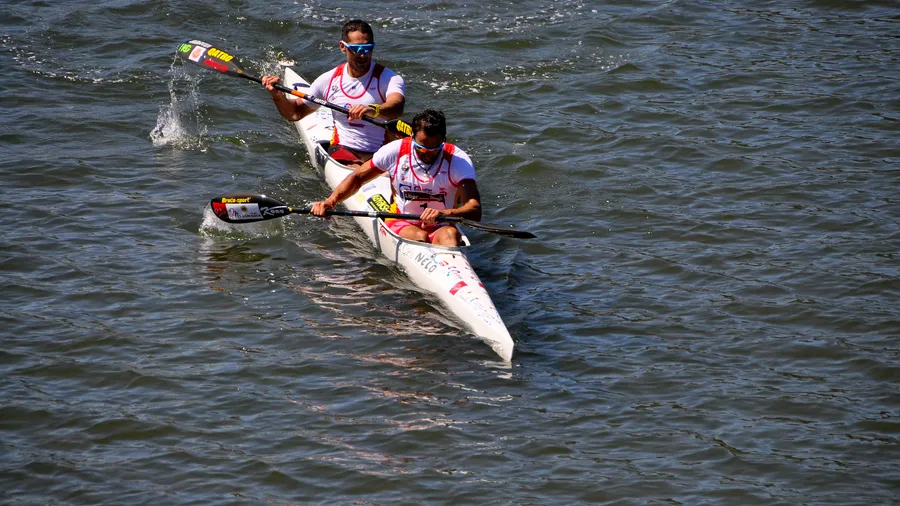
The eastern stretch begins at Llanes and its beaches, where Torimbia, Toranda, Andrín and San Antolín line up in succession. This is also the kingdom of the bufones, natural blowholes through which the sea fires jets of water and deep roars on stormy days, above all at Pría and Arenillas. Ribadesella hosts the international Sella canoe descent every August and shelters in Tito Bustillo one of the world’s most important rock art ensembles, a UNESCO site. Lastres, perched above the sea, looks out from the Fitu viewpoint toward the Picos de Europa.

The central Costa Verde mixes town and nature. Villaviciosa, capital of cider, has its own ría declared a Partial Natural Reserve. Gijón unfolds its seafront quarter of Cimadevilla, Roman baths and the urban beach of San Lorenzo. Avilés combines medieval old town with the stark white of the Niemeyer Centre. And before heading further west, Cudillero appears as an amphitheatre of painted houses above a tiny fishing port.

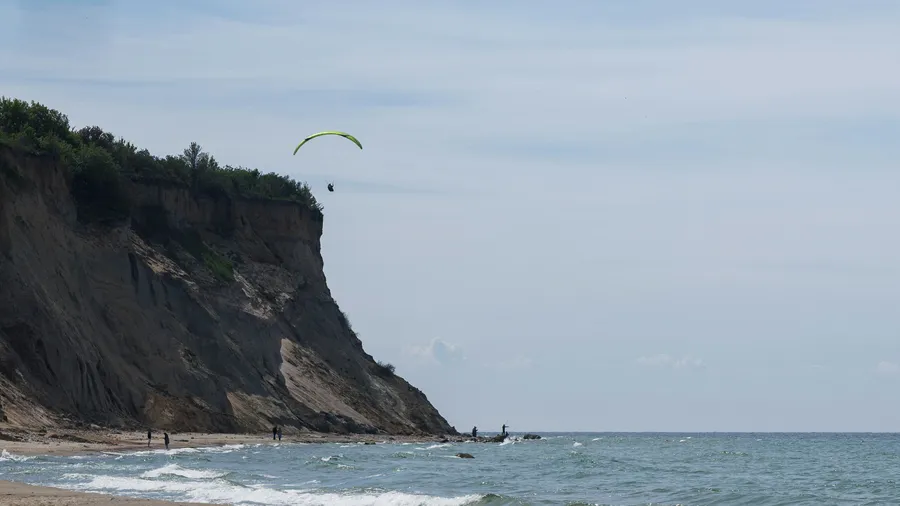
The western flank is the wildest. Cape Vidio and Cape Busto offer oceanic viewpoints, the Playa del Silencio lives up to its name, Salinas and Verdicio are surf meccas, and Luarca keeps an intimate harbour and a sailors’ cemetery overlooking the Cantabrian. Tapia de Casariego hosts international surf championships, while Castropol closes the coast facing the Eo estuary, a biosphere reserve shared with Galicia.

Gulpiyuri, an inland beach declared a natural monument; the Cuevas del Mar sea caves; sea urchins, spider crabs and cachopo on the table; fabada and Cabrales and Gamonéu cheeses; the cider house where the drink is poured from arm’s height. The Costa Verde is the fold of Asturias where the sea slips in everywhere and the green never gives up.
Practical information for Green Coast

Everything you need to know for your visit to Green Coast

How to get there
Main axis: A-8 motorway (Autovía del Cantábrico) running the whole coast, backed by the N-632 and N-634. The FEVE narrow-gauge railway (Renfe Cercanías) follows the shore linking Llanes, Ribadesella, Villaviciosa, Gijón, Avilés, Cudillero, Luarca and Ribadeo. Asturias Airport (OVD) sits in Castrillón, 15 min from Avilés and 40 min from Gijón or Oviedo.
Area Information
The Costa Verde splits into three stretches: east (Llanes-Ribadesella-Colunga), centre (Villaviciosa-Gijón-Avilés) and west (Cudillero-Luarca-Tapia-Castropol). It connects southwards to the Picos de Europa, Somiedo and rural inland Asturias through short valleys. Cider concentrates in Nava and Villaviciosa; cheeses in Cabrales, Gamonéu and Vidiago.
Geography
Some 350 km of Cantabrian coast between the Tina Mayor ría (east) and the Eo estuary (west), carved into slate and quartzite cliffs, coves, sheltered rías and shell-shaped beaches. The coastal shelf meets the Cantabrian Range to the south, creating a continuous step between sea and mountain barely separated by a band of meadows and eucalyptus woods.
Flora & Fauna
Cliffs cloaked in heather, gorse and hay meadows; eucalyptus and pine plantations. Seabirds (cormorants, yellow-legged gulls, migrating gannets), salmon and trout in the coastal rivers (Sella, Cares, Nalón) and occasional dolphin and fin whale sightings off Cape Peñas. The Eo and Villaviciosa estuaries shelter important wader populations.

Things to do in Green Coast

Find the best plans and things to do in Green Coast

43

What to see in Green Coast

Discover the must-see sights in Green Coast

Accommodations in Green Coast

Best accommodation options in Green Coast

Frequently asked questions about Green Coast

Get answers about Green Coast

The eastern stretch between Llanes and Ribadesella packs the highest density of iconic beaches, blowholes and fishing villages, perfect for 3-4 days. With a week, add the centre (Gijón, Villaviciosa) and end west in Cudillero.
Yes, the FEVE narrow-gauge line links the main coastal towns from Llanes to Ribadeo, backed by ALSA buses. For small beaches and blowholes a car or taxi is still useful, since they sit several kilometres from the stations.
They fire when there is a north swell and high tide, mainly between October and April, though storms can activate them in summer too. Keep a safe distance: the jet can reach 20 metres and the rock turns slippery.
Yes, San Antolín, Toranda, Rodiles, Salinas and Peñarronda are wide, gently sloping sands with services and parking. For calm dips without surf, Gulpiyuri and the Tina Mayor estuary work well at mid or low tide.
Salinas, Verdicio, Rodiles and Tapia de Casariego host schools with classes for all levels. Salinas and Verdicio suit beginners year-round; Rodiles is for intermediate to advanced surfers when the swell is in.