Highlights

  • • Main panel with Paleolithic polychrome horses
  • • Engravings and paintings of deer and reindeer
  • • Negative handprints on the walls
  • • Declared UNESCO World Heritage Site
  • • Guided tours to preserve the art
  • • Located in the natural surroundings of Ribadesella, Asturias

Description

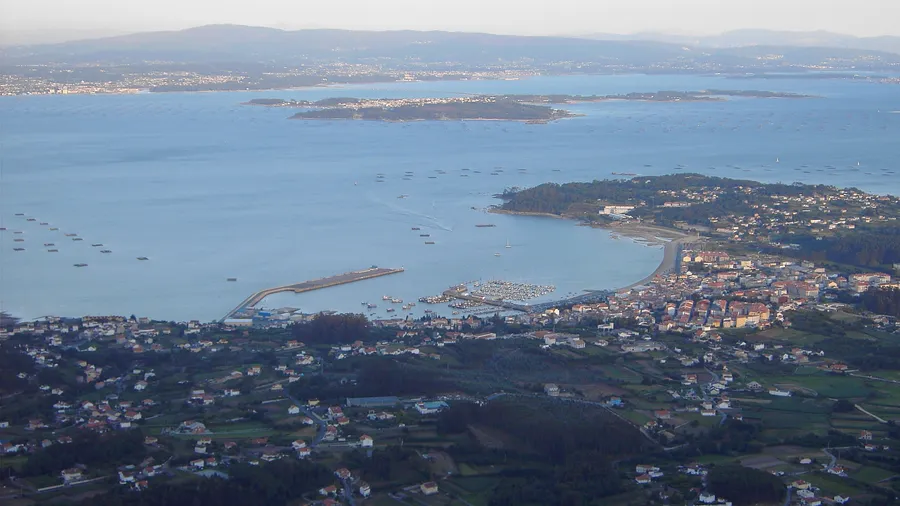
The Cueva de Tito Bustillo is an archaeological site located in Ribadesella, Asturias, housing one of Europe's most important collections of Paleolithic rock art. Declared a UNESCO World Heritage Site, this cave offers a window into the distant past, featuring paintings and engravings dating back approximately 14,000 years. The surrounding natural environment, with rocky formations and typical Asturian coastal vegetation, adds a sensory dimension that connects visitors with both history and landscape.

Inside the cave, you can observe the main panel, highlighting polychrome horses created with natural pigments in red, black, and yellow tones. There are also depictions of deer, reindeer, and negative handprints, reflecting the life and beliefs of Upper Paleolithic human groups. The preservation of these paintings is exceptional, and the guided tour allows appreciation of the technical and symbolic details of the artworks.

The historical context of the Cueva de Tito Bustillo is set during the last glaciation, when hunter-gatherer groups inhabited the Cantabrian region. These artistic manifestations testify to the creative and spiritual capacity of our ancestors and form part of the northern Spain cave art ensemble evidencing a common and complex culture.

It is recommended to book in advance to visit the cave, as access is regulated to preserve the paintings. The guided tour lasts about one hour. The cave is not accessible for people with reduced mobility due to its natural configuration. Comfortable clothing and suitable footwear for walking in enclosed, humid spaces are advised. Visits are suitable for accompanied children, and pets are not allowed. There is an entrance fee, and it is advisable to check updated schedules and prices before planning your visit.

Key Information

Visit Duration

1 hour

Recommended Seasons

Spring, Autumn

Accessibility

Low

Kid-Friendly Pet-Friendly Booking Required

Related Destinations

Guide

Essential information for visiting Tito Bustillo Cave

Location
Practical Information
Visit Duration
1 hour
Features & Services
  • Accessibility:Low
  • Kid-Friendly:Yes
  • Pet-Friendly:No
  • Booking:Booking Required
Planning Information

Recommended Seasons

Spring · Autumn

Best Time to Visit

The best time to visit the Cueva de Tito Bustillo is in spring and autumn, when the weather is mild and visitor numbers are lower, allowing a more peaceful experience.

Visitor Tips

To make the most of your visit, book in advance and wear comfortable footwear. The cave's temperature is cool with high humidity, so dress accordingly. Follow the guide's instructions to avoid damaging the paintings. The exterior area offers natural landscapes you can explore before or after your visit.

Historical Facts

The Cueva de Tito Bustillo contains Upper Paleolithic rock art, with paintings dating back about 14,000 years. These works reflect the life and beliefs of hunter-gatherer groups in the Cantabrian region during the last glaciation.

Frequently Asked Questions

Get answers about Tito Bustillo Cave

Yes, advance booking is recommended to control visitor numbers and preserve the paintings.
Yes, visits are suitable for children accompanied by adults.
No, due to its natural layout, the cave is not accessible for people with reduced mobility.
No, pets are not allowed to protect the environment and the paintings.