Start Here: Learn to Surf in Northern Spain
Who this article is for
If you typed surf schools northern Spain, you want a clear path from first pop-up to your first green wave. This list does exactly that: it gathers the most consistent beginner spots, explains what to expect, and helps you compare options quickly across Cantabria, the Basque Country, Asturias, and Galicia. You’ll find practical details for couples, families, and solo learners, from small-group classes to week-long surf camps.
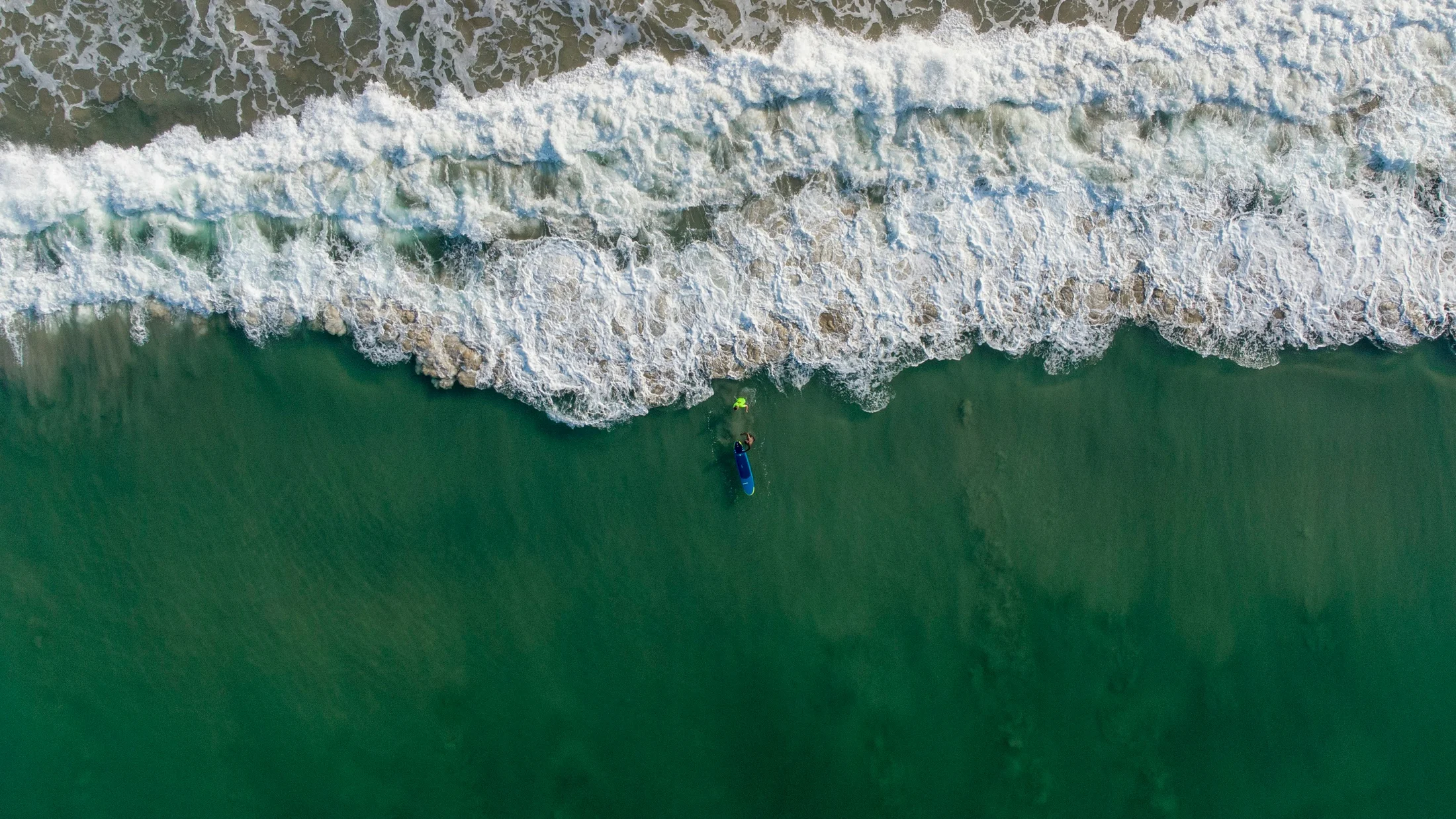
We focus on places with sandy bottoms, gentle beach breaks, and easy logistics from airports and train lines. Picture a crescent beach at low tide where foam lines slide in like white ribbons across the sand. Use this as your shortlist to plan lessons, pick the best month, and decide between a single intro session or a complete starter course.
You’ll also see secondary topics that matter when you begin: beginner surf Spain, learn to surf Cantabria, surf lessons San Sebastián, Zarautz surf schools, surf camp Asturias, and where to find the best beginner waves Spain. Keep your calendar handy—some beaches shine in summer, others in mellow September swells.
How we selected these schools
We chose locations and operators where beginners thrive, using criteria you can verify. Safety came first: sandy beach breaks, lifeguard coverage in season, and clear protocols for rip currents. Instructors should be certified (e.g., national or ISA-level certificates), with a low student-to-instructor ratio (often 1
–1 in group classes), and lessons adapted to complete novices. Picture a coach kneeling beside a softboard, drawing pop-up steps in the wet sand.We reviewed public ratings, spoke with schools when possible, and cross-checked logistics (parking, showers, transport). We prioritized programs with beginner boards (soft-tops), seasonal wetsuits, and structured progressions (theory + practice). Typical prices appear as ranges—always confirm on the operator’s site or compare options on Picuco. In each listing you’ll see: who it suits best, class formats (group/private), indicative pricing, gear and camp options, when to book, access tips, and nearby lodging suggestions.
Picuco te puede ayudar
Does something here catch your eye?
Tell us.
Write to us on WhatsApp or email: we answer questions, find the best options and help you sort out the booking.
Why Northern Spain Works So Well For First Waves
Gentle beach breaks, long sandy bays, and a deep surf culture make the Cantabrian coast an ideal classroom for first turns. Cantabria offers broad beaches like Somo and Loredo with forgiving sandbars at mid to low tide; Asturias balances urban beaches (Gijón) and scenic crescents (Ribadesella); the Basque Country pairs legendary stretches like Zarautz with urban convenience in San Sebastián; Galicia’s Rías Baixas (A Lanzada) often deliver mellow summer rollers. Imagine soft morning light glinting on tidy whitewater lines as the tide eases in.
Beginners benefit from professional schools that operate seasonally and, at some hubs, year-round. Many beaches have summer lifeguards (June–September; exact dates vary by municipality), and most schools follow clear safety briefings: identifying rips, entering and exiting with control, and etiquette in the lineup. Public transport connects the dots: metro to Sopelana from Bilbao; buses and ferries from Santander to Somo; regional trains to Zarautz from San Sebastián; road links to Ribadesella and Gijón in Asturias; and coastal routes into Sanxenxo in Galicia.
Differences by province matter when you start. Cantabria and Zarautz often have sandbars that “organize” the whitewater for easy rides; San Sebastián’s Zurriola is urban and consistent but can get stronger with autumn swells; Sopelana splits into sections where schools choose the friendlier banks. Asturias shifts from sheltered curves (Ribadesella) to all-season urban options (Gijón), while Galicia’s A Lanzada blends exposure with summer lulls that suit softboard learners. The result is choice: you can chase smaller surf in sheltered bays or nudge confidence with a longer, open beach.
Infrastructure helps too: showers at many main beaches, rental gear near the sand, and ample lodging choices, from surf camps to family apartments. Weather and water are cooler than the Mediterranean, but modern wetsuits keep lessons comfortable across seasons. For planning, consult AEMET (Spain’s meteorological agency) for water temperatures and Puertos del Estado buoy data for swell trends, then choose a spot where conditions, access, and teaching styles fit your first steps.
The 10 Best Places To Start: Surf Schools for Beginners in Northern Spain
1.Somo, Cantabria: long, gentle beach perfect for first sessions
Somo’s sandbanks dish out long whitewater reforms that help you stand earlier and ride longer. On small summer days, the wave feels like an escalator carrying you shoreward. This is ground zero to learn to surf Cantabria style—simple access, multiple schools, and family-friendly facilities.
- Where it is: East side of Santander Bay, connected by road and seasonal ferry; about 20–35 minutes from Santander depending on route.
- Who it suits: First-timers, families, adults returning after years off.
- Class formats:
- Group lessons (1.5–2 h), beginner progression weeks (5×2 h), private sessions.
- Surf camps with lodging in season; day rentals for boards and wetsuits.
- Prices (typical ranges; confirm with the operator or compare on Picuco):
- Group: 35–50 € per 2 h.
- Private: 70–120 € per 1.5–2 h.
- 5-day courses: 150–250 € (5×2 h).
- Weekend surf camps: 180–350 €; week camps: 500–900 € depending on board, lodging, and meals.
- Best time: Late May–September for smaller surf and lifeguards; September often offers warm water and tidy waves.
- Booking tips:
- Reserve 2–4 weeks ahead in July–August; 1–2 weeks in shoulder months.
- Ask for student ratio (aim 1–1) and beginner-dedicated groups.
- Getting there:
- Santander airport is the closest; bus + ferry or car works well.
- Parking fills by late morning—arrive early for midday tides.
- Nearby stays:
- Surf houses and apartments in Somo or Loredo; family hotels near the beach.
- Ask schools if they bundle stays with lessons (common in high season).
A quick safety note: at mid to low tide, schools pick mellow banks; heed flag colors and avoid rip channels marked by darker, choppier water.
2.Loredo, Cantabria: wide sands and family-focused teaching
Just south of Somo, Loredo’s broad beach spreads crowds and serves soft, rolling peaks on small-to-moderate days. The dunes shelter breezes so foam lines reach shore like slow-moving silk. It’s a favorite for families who want space and a clear learning area.
- Where it is: Connected to Somo across the headland; 30–40 minutes from Santander by car (longer by public transport).
- Who it suits: Families with kids, cautious adults, weekend learners.
- Class formats:
- Group and private beginner lessons; week courses in summer.
- Surf camps northern Spain style: packages with lodging, meals, and daily instruction (seasonal).
- Prices (indicative; confirm locally or on Picuco):
- Group: 35–50 € per 2 h.
- Private: 80–120 € per 1.5–2 h.
- 5-day packs: 160–260 €.
- Camps (4–7 nights): 350–950 € depending on room type and board.
- Best time: June–September for small, manageable surf; spring days are quieter with cooler water.
- Booking tips:
- Look for family packs or sibling discounts.
- Ask about equipment swaps as you progress (foam to mini-mal).
- Getting there:
- Car is simplest; limited buses connect from Santander via Pontejos/Pedreña.
- Nearby stays:
- Apartments and surf hostels in Loredo; rural guesthouses a short drive inland.
For surf for beginners in Cantabria, Loredo’s extra width gives schools more space to separate new and progressing surfers safely.
3.Suances (la Concha/los Locos), Cantabria: options for all ages
Suances offers variety: La Concha is the beginner-friendly crescent, while Los Locos faces open swell and often suits more experienced surfers. On gentler days, reform waves at La Concha sketch chalk-white lines across the bay. Schools typically run beginner sessions at La Concha and move only if conditions allow.
- Where it is: 30–40 minutes west of Santander by car; regional buses connect via Torrelavega.
- Who it suits: Families and first-timers (La Concha), mixed groups with a few intermediates (Los Locos on small days).
- Class formats:
- Intro classes, 3–5 day intensives, private coaching.
- Rentals and photo/video analysis in some programs.
- Prices (confirm locally or via Picuco):
- Group: 35–50 € per 2 h.
- Private: 80–120 € per 1.5–2 h.
- Week courses: 170–270 € (5×2 h).
- Best time: Summer for gentle La Concha conditions; early autumn offers warm water with manageable swell windows.
- Booking tips:
- Ask which beach is planned and why; safety depends on choosing La Concha on bigger days.
- Inquire about tide timing—mid tide often improves La Concha’s banks.
- Getting there:
- Roads are straightforward from Santander/Santillana del Mar; parking near La Concha fills on weekends.
- Nearby stays:
- Family hotels and apartments near La Concha; rural inns inland.
Include a safety briefing on rip currents near the headlands, and confirm lifeguard hours posted on the beach.
4.Santander, El Sardinero: urban beach with full services
El Sardinero places you in the city and on the sand in minutes. Even on a busy afternoon, the sea breeze smells faintly of salt and pine from the nearby gardens. You can balance lessons with city walks, museums, and evening tapas, making it a practical short escape.
- Where it is: Santander’s main beach, about 15–20 minutes from the airport by car or taxi.
- Who it suits: City-break learners, couples, and families wanting walkable amenities.
- Class formats:
- Try-out lessons, multi-day courses, private coaching for fast progress.
- Rentals and warm showers nearby; some operators run school-year programs on weekends.
- Prices (indicative; confirm with the operator or compare on Picuco):
- Group: 40–55 € per 2 h.
- Private: 90–130 € per 1.5–2 h.
- Week courses: 180–290 €.
- Best time: June–September for consistency and lifeguards; September often has optimal combo of crowds easing and water warmth.
- Booking tips:
- Ask for morning sessions to avoid onshore winds and crowd peaks.
- Check cancellation and weather policies—urban beaches can close for pollution alerts after heavy rain (rare but possible).
- Getting there:
- Walkable from many city hotels; buses serve the beachfront; paid parking nearby.
- Nearby stays:
- City hotels in Sardinero; apartments with sea views; easy dining and culture at your doorstep.
El Sardinero’s infrastructure helps beginners focus on technique and rest, with hot showers and cafés close at hand.
5.Zarautz, Gipuzkoa: long bay and renowned instruction
Zarautz is a 2.5 km sandbar playground, famed for consistent peaks and a deep coaching culture. On small summer days, sets wrap along the bay like corduroy lines. Zarautz surf schools excel at structuring progressions for kids, adults, and mixed groups.
- Where it is: 20–30 minutes west of San Sebastián by train or car; coastal trains run frequently.
- Who it suits: Complete beginners, families, groups seeking reliable daily lessons.
- Class formats:
- Group lessons, kids’ courses, private coaching, and multi-day packs.
- Seasonal surf camps with lodging or school-partner accommodations.
- Prices (confirm onsite or through Picuco):
- Group: 40–60 € per 2 h.
- Private: 90–140 € per 1.5–2 h.
- 5-day beginner courses: 190–320 €.
- Camps (5–7 nights): 500–1,050 € depending on lodging and board.
- Best time: June–September for smaller surf; September–October if you want a bit more push with warm water.
- Booking tips:
- For the keyword “escuela de surf Zarautz,” look for beginner-specific packages with clear ratios and video feedback.
- Reserve 3–5 weeks ahead in August; shoulder months are more flexible.
- Getting there:
- Regular trains from San Sebastián/Donostia; beach is a short walk from the station.
- Nearby stays:
- Beachfront apartments, surf lodges, and family hotels; book early in peak months.
Zarautz blends long learning zones with vibrant surf culture, so off-beach practice—stretching and balance—happens naturally on the promenade lawns.
6.San Sebastián (zurriola): city surf with room to progress
Zurriola Beach puts surf lessons San Sebastián within a 10–15 minute walk of the Old Town. Even with city energy, mornings can feel calm and glassy, with gulls hovering over neat foam lines. Schools here teach total beginners and offer pathways to turning on green waves as you improve.
- Where it is: Gros district, San Sebastián; about 25–30 minutes from the airport by car; direct buses from Bilbao airport also run to the city.
- Who it suits: Urban travelers, food lovers pairing pintxos with surf, beginners planning to keep improving.
- Class formats:
- Starter lessons, progression courses, private coaching, occasional weekend intensives.
- Rentals (softboards and hardboards) and lockers; some partner with hostels/apartments.
- Prices (confirm locally or via Picuco):
- Group: 45–60 € per 2 h.
- Private: 100–150 € per 1.5–2 h.
- 5-day courses: 210–340 €.
- Best time: Summer for mellow waves; early autumn (September–early October) for slightly stronger but manageable surf with warm water.
- Booking tips:
- Ask for sessions around mid tide on small swell forecasts.
- Request English- or French-speaking instructors if needed; many are multilingual.
- Getting there:
- Walk or cycle from city center; parking is limited—public transport is easier.
- Nearby stays:
- Apartments in Gros, boutique hotels in the Old Town, and surf hostels.
For surf San Sebastián, Zurriola’s structure makes progression realistic within a week: from whitewater stance to trimming on slow green sections.
7.Sopelana (bizkaia): metro access and beginner-friendly sections
Sopelana (Sopela) is where Bilbao’s metro spills out onto sand and cliffs within a short walk. On small days, gentle peaks roll under copper cliffs, smelling faintly of seaweed and rock pools. Local schools pick the most forgiving bank and shift with tides to keep lessons safe.
- Where it is: Metro line to Sopela + 15–20 minute walk; 30–40 minutes from central Bilbao by public transport.
- Who it suits: Budget-minded learners, day-trippers from Bilbao, mixed groups.
- Class formats:
- Group and private lessons, after-work and weekend slots, multi-day passes.
- Rentals and seasonal surf camps without long transfers.
- Prices (confirm with the operator or compare on Picuco):
- Group: 35–55 € per 2 h.
- Private: 90–130 € per 1.5–2 h.
- 5-day courses: 170–300 €.
- Best time: June–September for smaller swells; spring and autumn are fine with careful beach selection and timing.
- Booking tips:
- Book mornings to avoid stronger onshores.
- Ask about neighboring beaches (e.g., Barinatxe/Arrietara) if your lesson needs a gentler bank that day.
- Getting there:
- Metro + walk; parking can be tight on sunny weekends—arrive early.
- Nearby stays:
- Bilbao city accommodations, or coastal guesthouses for quieter nights.
Sopelana’s ease of access makes it one of the most practical surf schools northern Spain entries for a weekend city-and-sea combo.
8.Ribadesella (santa Marina), Asturias: nature, scenery, and soft rollers
Ribadesella’s Santa Marina arcs under elegant villas with the Picos de Europa peeking inland on clear days. When swell is small to moderate, gentle foam licks the sand in rhythmic breaths. Schools focus on relaxed learning, and surf camp Asturias packages often blend lessons with local culture.
- Where it is: About 1 h from Oviedo by car; regional trains and buses serve Ribadesella.
- Who it suits: Families, first-timers seeking scenic quiet, couples.
- Class formats:
- Group intro lessons, 3–5 day courses, private coaching.
- Seasonal surf camps and rentals; some offer SUP on flat days.
- Prices (confirm locally or through Picuco):
- Group: 35–50 € per 2 h.
- Private: 80–120 € per 1.5–2 h.
- 5-day courses: 160–260 €.
- Camp weeks: 480–950 € depending on board and lodging.
- Best time: June–September; late summer often combines warm water with friendly surf.
- Booking tips:
- Ask for flexibility on location; on bigger days, nearby coves may be calmer.
- Inquire about tide-dependent schedules—mid tides frequently help beginners here.
- Getting there:
- Car is easy; public transport works but check seasonal timetables.
- Nearby stays:
- Riverside apartments, surf houses near the promenade, rural inns a few minutes inland.
On lay days, the scent of wet grass along the Sella river makes a peaceful counterpoint to salty mornings on the beach.
9.Gijón (san Lorenzo), Asturias: urban schools and intensive weekends
San Lorenzo is a wide city beach with distinct zones that schools use to separate levels. At dawn, the bay often looks polished and quiet before the city wakes. You’ll find classes year-round, with weekend intensives that help you jump-start skills in two days.
- Where it is: Gijón/Xixón center; 30–40 minutes from Asturias Airport by car; regional buses and trains connect from Oviedo and Avilés.
- Who it suits: Urban travelers, beginners with tight schedules, groups mixing surf and nightlife.
- Class formats:
- Single lessons, 2-day intensives, multi-day courses, private coaching.
- Rentals, lockers, and hot showers nearby.
- Prices (confirm locally or on Picuco):
- Group: 35–55 € per 2 h.
- Private: 90–130 € per 1.5–2 h.
- 2-day intensive (4 h total): 80–140 €.
- 5-day courses: 170–290 €.
- Best time: June–September for forgiving surf; winter offers quieter beaches but colder water.
- Booking tips:
- Check tide charts—mid to rising tide often organizes the shorebreak.
- Ask about language options; many schools teach in Spanish and English.
- Getting there:
- Walkable from most city stays; public parking near the promenade.
- Nearby stays:
- City hotels and apartments steps from the sand; easy dining and nightlife.
For surf camp Asturias seekers, some operators bundle lodging just outside the city for a quieter base and daily transfers to San Lorenzo.
10.A Lanzada and Sanxenxo, Galicia: Rías Baixas with mellow summer surf
A Lanzada is a long, open beach near Sanxenxo and O Grove where summer conditions can be ideal for softboard learners. On glassy mornings, the Atlantic smells sweet and cool, with fine mist moving like smoke across the dunes. Schools here often add SUP and snorkeling on flat days, making it flexible for families.
- Where it is: Around 10–15 minutes from Sanxenxo by car; about 1 h from Vigo airport; regional buses in summer.
- Who it suits: Families, first-timers pairing beach holidays with lessons.
- Class formats:
- Group and private lessons, multi-day packs, rentals, and surf camps northern Spain–style packages with nearby lodging.
- Prices (confirm with operators or on Picuco):
- Group: 35–55 € per 2 h.
- Private: 90–130 € per 1.5–2 h.
- 5-day courses: 170–300 €.
- Week camps: 500–1,000 €.
- Best time: Late June–September for mellow swells; early mornings are best for light winds.
- Booking tips:
- Reserve 2–3 weeks ahead in August; shoulder months have better availability and prices.
- Ask about wind plans—schools often schedule earlier to beat afternoon sea breezes.
- Getting there:
- Car is easiest; parking near dune access points fills fast on sunny weekends.
- Nearby stays:
- Family apartments, seaside hotels in Sanxenxo, and rural casas a short drive inland.
When the Atlantic sleeps, your coach can pivot to balance drills and paddling practice, so every session builds your base.
Interactive Map: Find Your Spot and Plan Logistics
Use the map to see each beach and nearby services at a glance. Markers show beginner-friendly beaches, active schools, parking, showers, and lodging areas typically used by surf camps. In the morning quiet, icons feel like a breadcrumb trail guiding you from station to sand.
- Filters you can toggle:
- Province: Cantabria, Asturias, Gipuzkoa, Bizkaia, Galicia.
- Course type: intro lesson, multi-day course, private coaching, surf camp.
- Level: first-timer, beginner plus, progressing to green waves.
- What each pin should include:
- Short description of the beach and typical beginner conditions.
- Seasonality: best months and lifeguard periods if applicable.
- Practicalities: parking, showers, public transport notes.
- Class formats and typical price ranges (with “confirm locally” reminder).
- Contact hours and booking window (e.g., “book 2–4 weeks ahead in peak”).
- Link to the relevant article section or Picuco activity page for deeper info.
Tips for usability: keep descriptions under 40–60 words per pin; use consistent icons for schools, beaches, and services; cluster markers in dense areas like Somo/Loredo; and add tide hints where it helps (“mid tide best for beginners”).
When To Go: Best Seasons and Conditions by Region
Summer and early autumn offer the softest entry to northern surf, while spring and late autumn can work with the right gear and beach choice. At dawn, cooler air over warmer water makes the sea steam faintly in September. Plan by region:
- Cantabria (Somo, Loredo, Suances, El Sardinero)
- Best for beginners: June–September; September often blends warm water (19–22°C) with tidy swells.
- Wetsuits: 3/2 mm in midsummer; 4/3 mm in shoulder months; boots optional by personal comfort.
- Winds: Mornings are cleaner; afternoon sea breezes rise on sunny days.
- Basque Country (Zarautz, San Sebastián, Sopelana)
- Best for beginners: June–October; August–September for the most forgiving days.
- Wetsuits: 3/2 mm summer, 4/3 mm spring/autumn; hood/boots unnecessary in peak summer.
- Notes: Large tidal range (~4 m) can change the bank rapidly—mid tides often suit learners.
- Asturias (Ribadesella, Gijón)
- Best for beginners: June–September; urban Gijón has schools active year-round with proper gear.
- Wetsuits: 3/2 mm summer; 4/3 mm spring/autumn; 5/4 mm with boots/gloves in winter (12–14°C water).
- Winds: Variable; early sessions dodge onshores.
- Galicia (A Lanzada/Sanxenxo)
- Best for beginners: July–September; early mornings beat summer northerlies.
- Wetsuits: 3/2 mm summer; 4/3 mm shoulder; 5/4 mm in winter.
General tips:
- Water temperature references: AEMET seasonal averages and Puertos del Estado buoys show summer peaks near 20–22°C and winter dips to 12–14°C.
- Tides: The Cantabrian coast’s big swings mean beginners often do better at mid tide; ask schools for the best daily window.
- Camps and offers: Shoulder months (May–June and late September–October) often have better prices and smaller groups.
- If you’re nervous about waves, choose sheltered bays (La Concha, Santa Marina) or longer beaches with multiple banks (Somo, Zarautz).
Choosing Well: How To Pick Among Surf Schools in Northern Spain
Start with safety, then weigh value and teaching style. The air smells of wax and neoprene as boards line up by the dune fence—your choice should feel organized and welcoming.
- Verify instructor certifications
- Look for national or ISA-level qualifications and first-aid/CPR.
- Ask how often staff retrain and who supervises beginners.
- Check ratios and group sizes
- Aim for 1–1 student in group classes; smaller is better for first-timers.
- Confirm kid-specific groups if traveling with children.
- Confirm insurance and policies
- Ask for liability coverage and accident insurance details; request a copy on booking.
- Understand cancellation, weather, and no-surf day policies (refunds, reschedules, credits).
- Review equipment quality
- Soft-top boards in sizes 7’–9’ for stability; multiple sizes for progression.
- Season-appropriate wetsuits; clean facilities; optional boots/gloves in cooler months.
- Evaluate methodology
- A good lesson blends beach theory (safety, stance) + water drills + feedback.
- Ask about video/photo review for faster progress in multi-day courses.
- Compare total value, not just list price
- Consider lesson length, ratio, gear included, showers/lockers, and follow-ups.
- Shoulder-season discounts can mean better coaching time per euro.
- Read verified reviews
- Focus on safety culture, patience with beginners, and clear communication in your language.
Mini checklist before you pay:
- Instructor certified? Ratio confirmed? Insurance provided?
- Wetsuit and board included? Right size reserved?
- Tide window selected for beginners? Plan B spot if conditions change?
- Clear cancellation/weather policy in writing?
- Language confirmed (if you need English or French)?
Tip: Build a short comparison table for two or three options in your chosen town, then book the one with the clearest safety and teaching plan.
What To Bring: Gear, Warmth, and Staying Safe in Cool Waters
Northern Spain isn’t tropical, but with the right kit you’ll stay warm and focused. When you first step into the shallows, the water’s cool bite quickly softens behind a good wetsuit.
- Wetsuits by season:
- Summer (July–September): 3/2 mm full suit; some use a sleeveless spring suit on hot days.
- Spring/Autumn: 4/3 mm full suit; add boots if you run cold.
- Winter: 5/4 mm with sealed seams; boots (3–5 mm), gloves (3–5 mm), and hood recommended.
- Boards for beginners:
- Soft-top (foam) 7’–9’ for stability and safety; wide outline and generous volume.
- Leash length roughly equals board length; check the cuff is secure and comfortable.
- Essentials:
- High-SPF, ocean-safe sunscreen even on cloudy days.
- Water bottle and quick snack (banana, nuts) to maintain energy.
- Microfiber towel, warm layers for after, and flip-flops for hot or rocky sand.
- Ear drying (alcohol-vinegar drops if advised by your doctor) to avoid surfer’s ear with frequent sessions.
Beach safety basics:
- Flags: green (safe), yellow (caution), red (no swimming). Always obey lifeguards.
- Rips: look for darker, choppier gaps in the whitewater; enter and exit away from gutters; if caught, stay calm and swim parallel to shore.
- Etiquette: hold your board securely, look both ways, and never paddle in front of a surfer riding a wave.
- Health:
- Hypothermia signs: shivering that doesn’t stop, slurred speech, clumsiness—end the session, warm up gradually.
- Hydration matters in cool climates too; sip before, between, and after sessions.
- Warm up for 5–10 minutes: shoulders, hips, and squat-to-stand to reduce strain.
Most schools provide all core gear; bring your own swimsuit, towel, and sunscreen. Ask ahead if boots/gloves are included in shoulder seasons.
Beyond the Waves: Activities and Where To Stay Nearby
Round out your trip with local trails, food, and quiet afternoons. After a morning surf, the smell of grilled sardines or txuleta drifting from seaside grills feels like a reward.
- Simple activities near most beaches:
- Coastal walks: Zarautz–Getaria promenade, Sopelana cliff paths, Santa Marina river walk in Ribadesella.
- Cycling: boardwalks in Gijón and Santander; rental bikes near beaches in summer.
- Nature: short hikes in Urdaibai (Bizkaia), Picos de Europa day trips from Asturias, dune strolls at A Lanzada.
- Water: SUP in estuaries on flat days; kayaking along calm coves.
- Culture and food: pintxos in San Sebastián’s Old Town, anchovies in Getaria, sobaos and quesadas in Cantabria, fabada in Asturias, albariño tastings in Rías Baixas.
- Lodging types you’ll see:
- Surf camps northern Spain packages: group lodging, meals, and daily lessons—social and efficient for fast progress.
- Hostels and surf houses: budget-friendly, close to beaches, often with gear storage.
- Apartments: good for families or longer stays; kitchens help with early starts.
- Hotels and rural inns: comfort, breakfast included, and quieter nights.
How to choose:
- Intensive goal? Pick a surf camp or surf house within walking distance of the beach.
- Family trip? Apartments near Somo/Loredo, Zarautz, or Sanxenxo balance space and convenience.
- City-and-surf? Base in Santander, Gijón, or San Sebastián for dining and short beach walks.
- Budget timing: travel in May–June or late September–October for better rates and smaller class sizes.
Ask your school about partner accommodations; bundles often include added value like photo sessions or extra rental hours.
Frequently Asked Questions
When should I book my lessons?
In July–August, book 3–5 weeks ahead for popular times; shoulder months need 1–2 weeks. Weekday mornings fill first because conditions are often better.
Do I need to be a strong swimmer?
You should be comfortable in waist- to chest-deep water and able to tread water for a few minutes. Beginners stay in the whitewater with close instructor supervision.
What is the minimum age for lessons?
Many schools accept kids from 6–8 years old in child-specific groups; under 12s often have smaller ratios. Ask for family or kid-focused sessions and mandatory gear.
What happens if the weather or waves are unsuitable?
Operators typically reschedule, switch beaches, or offer credit/refunds per policy. Confirm the exact weather and no-surf terms before paying.
Is insurance included?
Reputable schools include liability coverage and often accident insurance during lessons. Request policy details and keep a copy of your confirmation.
Can I take lessons in English?
Yes, in most hubs (Zarautz, San Sebastián, Sopelana, Santander, Gijón, A Lanzada) instructors commonly teach in English, sometimes French; confirm when booking.
How do I transport boards if I rent outside lessons?
Softboards fit in many rentals with seats down; use roof racks if available. On public transport, rules vary—ask locally and consider beachside rentals to avoid logistics.
Are weekend intensives available?
Yes—common in Gijón, San Sebastián, Zarautz, and Sopelana. Expect 2–4 hours total over two days, ideal for a quick start or tune-up.
What should I bring to the beach?
Swimsuit, towel, sunscreen, water, snack, and warm layer for after. Schools provide wetsuits, boards, and leashes; ask about boots/gloves in cooler months.
Can I join if I have a prior injury?
Consult your doctor first. Tell your instructor about any issues; they can adapt stance drills and wave selection to protect you.
Book your experience — discover active travel in Spain with providers verified by Picuco.
Conclusion
Northern Spain makes learning to surf straightforward: sandy beach breaks, experienced instructors, and reliable summer conditions. From Somo’s forgiving sandbars to Zarautz’s long bay, from urban convenience in San Sebastián and Gijón to scenic Ribadesella and A Lanzada, you can match your first steps to the beach and teaching style that fit you. Picture yourself standing, board humming underfoot, with green hills and stone towns as your backdrop.
If you want a gentle, family base, try Somo/Loredo or Ribadesella; for city-plus-surf, look to Santander, San Sebastián, or Gijón; to blend beach holiday vibes with mellow rollers, A Lanzada works beautifully. Use the listings above and the interactive map to shortlist two or three options, compare ratios, schedules, and gear, then reserve an intro class or a 3–5 day course. One well-chosen week can take you from first pop-up to trimming along easy green sections—an experience that stays with you long after the salt dries on your skin.