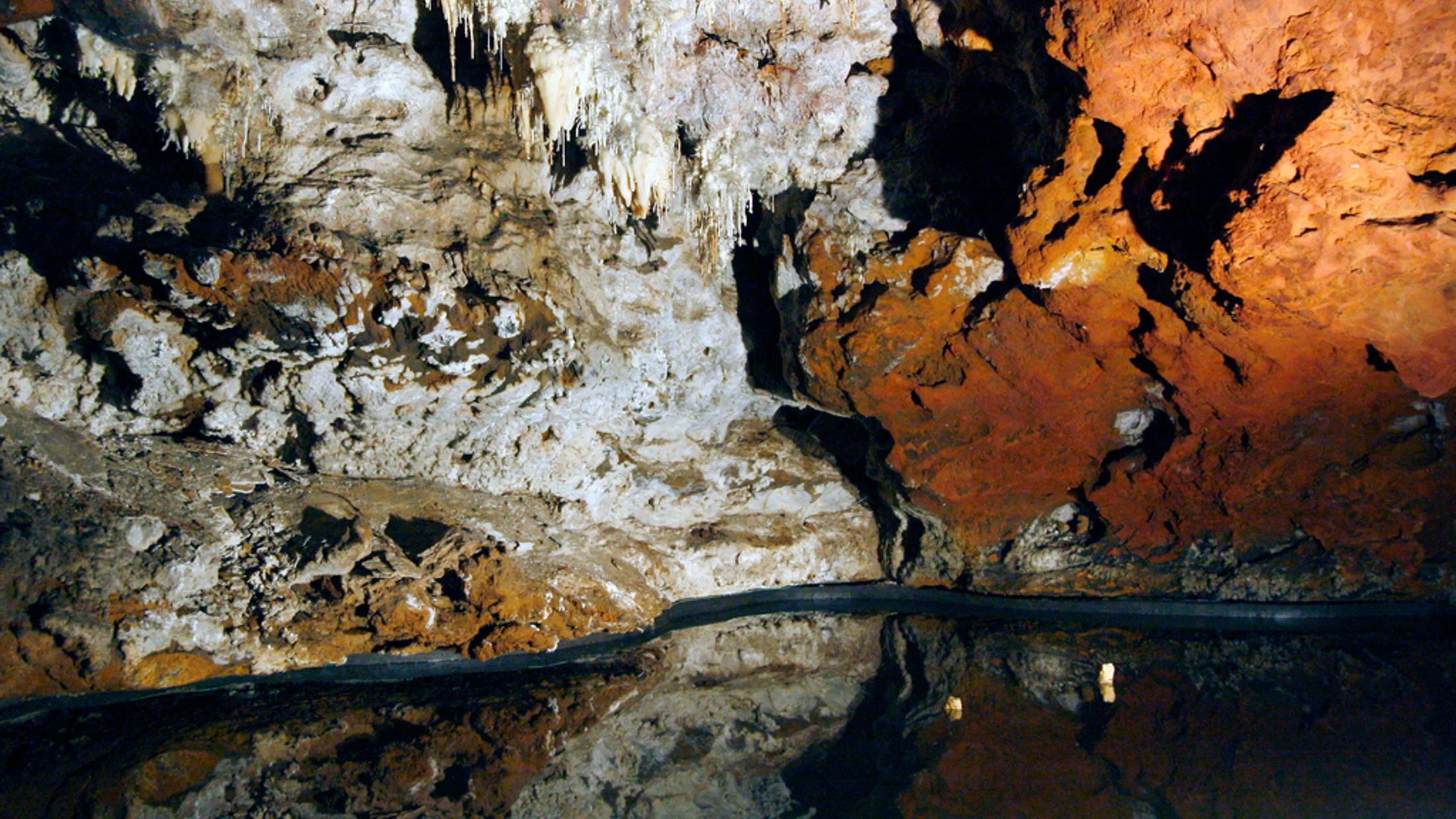
Why Show Caves in Spain Belong on Your Travel List
Beneath Spain, entire worlds wait in the dark. Show caves in Spain combine geology, history, and quiet drama: cathedral-sized chambers, silent underground rivers, Paleolithic art, and volcanic tubes shaped by fire and water. Step inside and you’ll feel cool air on your skin and a mineral scent, like rain on stone. Guided cave tours in Spain make these places safe and understandable, opening protected routes and sharing what limestone, gypsum, lava, and sea have carved across millennia.
From coastal grottos to mountain karst and the gypsum wonderland of Sorbas, Spain’s variety is exceptional. You can ride a boat through the subterranean river at Vall d’Uixó, hear live music beside the Lake Martel in Mallorca, and walk through volcanic tunnels in Lanzarote and Tenerife. Many caves keep a near-constant temperature between 14–20°C with high humidity, so they’re comfortable year-round and perfect for families, couples, or friends. A single light beam can reveal entire galleries of stalactites, excéntricas (gravity-defying “eccentric” stalactites), and flowstone like frozen waterfalls.
Choosing a guided visit adds value on three fronts: you move through secure, adapted routes; you understand what you’re seeing with clear interpretation; and you help protect fragile formations and archaeological layers that survive only thanks to controlled access. Professional teams manage group sizes, lighting, and ventilation, which reduces impact and maintains good viewing conditions. You’ll also learn simple field terms—karst, gours, lava tube—explained in plain language.
This guide helps you plan efficiently. First, you’ll understand what a “show cave” is and how guided visits work. Then you’ll find essential planning tips on locations, seasons, access, and where to stay nearby. The core of the article is a curated list of 12 outstanding show caves across mainland Spain, the Balearics, and the Canaries, each with practical mini-profiles. You’ll also discover what to do beyond the basic visit—boat rides, speleo-tours, and interpretation centers—followed by suggested itineraries, safety tips, and FAQs. Pack a light jacket, respect the silence, and let the rock do the talking.
Picuco te puede ayudar
Does something here catch your eye?
Tell us.
Write to us on WhatsApp or email: we answer questions, find the best options and help you sort out the booking.
What “show Caves” Are and How Guided Visits Work
Start with the basics: caves are natural voids in rock; “grottos” usually refer to smaller, often coastal cavities; and “caverns” are large underground spaces. A “show cave” is a natural cave adapted for public visits with walkways, handrails, controlled lighting, and trained guides, without changing the cave’s essence. Think of it as a museum inside the mountain, where the exhibits grow drop by drop over thousands of years. A single drip echoing in the dark can sound like a metronome for deep time.
Adaptations vary by site:
- Access: paved approaches, steps, ramps, or lifts where feasible.
- Pathways: non-slip walkways and handrails designed to avoid fragile floors and pools.
- Lighting: low-heat LED systems to prevent algae growth and to protect formations.
- Safety: group-size limits, air monitoring, emergency lighting, and trained staff.
Guided visit formats you’ll encounter:
- Interpretive walks: classic routes on foot, 30–90 minutes, with geology and history explained in simple terms.
- Theatrical tours: the same path with storytelling elements that bring myths, miners, or prehistoric artists to life.
- Speleo-tours: small-group adventures off the main walkway with helmets, lamps, and protective gear; you may stoop, crawl, or traverse uneven floors.
- Underground boat rides: seated experiences on calm rivers or lakes with trained pilots and tight safety rules.
- Scientific/technical visits: limited-access tours focused on geology, biology, or archaeology, often for specialists or in small numbers.
Legal and conservation context is central. Many caves fall within protected areas (e.g., Natural Monuments, Natura 2000 sites, or Assets of Cultural Interest under regional law). Managers set carrying capacities—the maximum visitors per hour—to avoid CO₂ buildup, overheating from lighting, and physical damage. Photography policies, walkway design, and even language used by guides are conservation tools: a clear “don’t touch” saves a stalactite’s growth for decades. Spain’s geological inventory (IGME-CSIC) and regional environment agencies publish conservation guidelines and status reports.
Authorized guides do more than lead the way. They manage timing to reduce crowding, keep groups safe on wet surfaces, and translate complex geology into everyday language—karst means rock dissolved by slightly acidic water, gours are rimstone pools built by mineral precipitation, and lava tubes are tunnels left behind by flowing lava. Their training also covers emergency response and visitor flow, which matters when passages narrow or when multiple groups cycle through. For you, that means reassurance and richer context; for the cave, it means fewer accidental contacts and a longer life for delicate formations. In short, guided cave tours in Spain are both a learning experience and a conservation act.
Planning Essentials: Locations, Seasons, Access, and Where to Stay
You’ll find show caves across Spain’s map: the Cantabrian coast (Altamira, El Soplao), Andalusia (Nerja, Gruta de las Maravillas, Cueva del Tesoro), Valencia region (Grutas de San José), Castilla y León (Valporquero), the Balearic Islands (Coves del Drach), the Canary Islands (Cueva de los Verdes, Cueva del Viento), and Almería’s gypsum country (Karst en Yesos de Sorbas). Picture them as cool refuges scattered from ocean cliffs to high valleys. The first step is deciding whether your route is mountain, coastal, or island—logistics differ.
Typical schedules and seasonality:
- Opening hours: commonly 10:00–18:00, with first/last entry slots fixed; some extend hours in summer.
- Seasonality: open year-round in most cases; islands are especially consistent; some mountain caves reduce hours in low season or close on certain weekdays.
- Booking: high season and weekends sell out; reserve 1–2 weeks ahead for popular sites, especially boat rides.
Getting there and around:
- By car: easiest for rural sites; roads are generally good, though mountain curves demand patience.
- By public transport: feasible for caves near towns (e.g., Nerja, Rincón de la Victoria, Busot) with bus links; rural caves may require a taxi from the nearest station.
- Transfers: some management centers offer shuttle minibuses from parking areas in peak season to control traffic.
- Parking: on-site or designated lots; arrive 20–30 minutes early to collect tickets and join your time slot.
- Useful road references:
A-8(Cantabria–Asturias),MA-1(Málaga coast),CV-10/CV-20(Castellón interior),GC-1(Lanzarote/Gran Canaria),TF-5(Tenerife north).
Where to stay:
- Rural bases within 10–25 minutes streamline morning starts.
- Coastal towns like Nerja, Porto Cristo, and Rincón de la Victoria pair caves with beaches.
- Historic villages like Santillana del Mar and Aracena offer stone-paved charm, local cheese, and calmer evenings.
Resources to consult before you go:
- Official cave websites and municipal tourism pages for schedules, age limits, and accessibility notes.
- Regional park authorities for protected-area rules.
- Picuco’s activity pages to compare guided options and check availability in English, Spanish, or other languages.
- Weather apps for road conditions; note that rain doesn’t usually affect interior visits, but can affect approach roads.
Mountain vs. coastal vs. island logistics:
-
Mountain caves:
- Cooler exterior weather; snow or ice possible in winter at higher altitude.
- Public transport less frequent; rental car recommended.
- Combine with hiking and viewpoints; pack layers and sturdy footwear.
-
Coastal caves:
- Easier bus access from regional capitals; traffic heavier in summer.
- Combine with beaches and old fishing quarters; plan early visits to dodge heat and crowds.
- Humidity indoors plus outdoor heat makes a light jacket handy for thermal balance.
-
Island caves:
- Stable year-round schedules; book early in school holidays.
- Simple driving; pair with volcanic or coastal landscapes on the same day.
- Busy cruise-ship days can spike demand; check port schedules if staying near major stops.
A local café owner in a cave town might tell you that visitors keep traditions alive—stay for dinner, try the goat cheese or baked fish, and you’ll add to the story of place.
Twelve Remarkable Caves to Visit in Spain
Gruta de las Maravillas: a cathedral of stone in Aracena
In the heart of Aracena (Huelva), the Gruta de las Maravillas unfolds as a sequence of halls, lakes, and gleaming formations. Guided routes of about 45–60 minutes lead you through chambers like the Cathedral, the Great Lake, and the Crystal Room, each with stalactites and stalagmites reflecting in blue-green pools. The air smells faintly of damp earth, and your breath ghosts in the 16–19°C cool.
Why it’s special:
- Classic limestone karst with elegant columns, draperies, and mirror-like lakes.
- Well-lit, interpretive route that balances spectacle and conservation.
- Central location in Aracena: walkable from town center.
Practical notes:
- Format: small groups on prepared walkways; Spanish and often English explanations.
- Photos: usually allowed without flash; confirm on site.
- Accessibility: steps and narrow passages reduce full accessibility; contact the site for current details.
- When to go: morning slots offer calm; shoulder seasons (spring/autumn) reduce queues.
- Nearby stays: Aracena has rural inns and small hotels within a 5–10 minute walk; book weekends early.
Don’t rush the final hall—watch how the ceiling folds like fabric frozen in stone, and step gently to protect slick, mineral-rich floors.
El Soplao Caves: Cantabria’s micro-world of eccentric forms
El Soplao (Cantabria) is renowned for “eccentric” stalactites—thin, twisting formations that defy gravity due to capillary action and airflow. The standard guided tour (around 60–70 minutes) reveals gours (rimstone pools), helictites, and coral-like calcite concretions illuminated with care. In the stillness, a single droplet can echo like a note in a limestone organ. Adventure visits extend the experience off the walkway with helmets and lamps for 2–2.5 hours.
Why it’s special:
- Exceptional variety and density of helictites—rare even by European standards.
- Multiple tour formats: classic route and speleo-adventure with small groups.
- Historical mining galleries provide context on geology and human work underground.
Practical notes:
- Reserve ahead: capped daily capacity and timed entries sell out in summer and weekends.
- Physical level: classic route is moderate with steps; adventure route involves stooping and uneven ground.
- Getting there: best by car via the
A-8plus regional roads; allow buffer time for curves and viewpoints. - When to go: clear days for mountain views; indoor climate remains cool and humid year-round.
- Nearby stays: base in Santillana del Mar or Comillas for heritage towns, or inland rural houses closer to the mountains.
If you see a guide light up a tiny helix, notice how it curls like a seashell caught mid-spiral.
Cueva de Nerja: archaeology and monumental halls above the sea
Cueva de Nerja (Málaga) blends major archaeological finds with huge show chambers like the Sala del Cataclismo and the Sala de los Espectáculos. Interpretive visits typically last 45–60 minutes, with partial accessibility on robust walkways and handrails. In summer, cultural events and concerts animate the vast acoustics, so a note can hang in the air like mist above the audience.
Why it’s special:
- Monumental stalactite-stalagmite columns and vast halls.
- Archaeological record spanning tens of thousands of years, including cave art areas not open to general tours.
- Active cultural programming (seasonal) that leverages the cave’s acoustics.
Practical notes:
- Hours: extended in summer; pre-book to avoid queues.
- Accessibility: many sections are accessible; some stairways limit full access—check the official details before booking.
- Getting there: frequent buses from Málaga city; by car via
A-7to Nerja. - Combine with: the white village of Frigiliana (15 minutes uphill) for lunch and views over the Axarquía coast.
- Nearby stays: Nerja offers plentiful hotels and apartments; quieter rural houses dot the foothills.
Arrive early for cooler air outside and softer visitor flow, then step in and let the dim reveal the cave’s giant pillars one by one.
Coves del Drach (cuevas del Drach): underground lakes in Mallorca
On Mallorca’s east coast near Porto Cristo, the Drach caves culminate at the Lake Martel, one of Europe’s largest underground lakes. Visits run about 60 minutes and include a short classical music performance by the lake and, in most schedules, an optional short boat passage across the water. Candle-like reflections ripple on the ceiling as the bows cut the mirrored surface.
Why it’s special:
- Iconic underground lake and curated lighting with a live mini-concert (around 10 minutes).
- Efficient visitor flow in multiple languages; high capacity but well managed.
- Consistent schedules year-round, with more daily sessions in peak season.
Practical notes:
- Book early in July–August; slots fill fast, especially midday.
- Logistics: multiple entry waves reduce crowding; arrive 20–30 minutes early for seat choice near the lake.
- Transport: drive from Palma in about 60 minutes via
Ma-15, or use island buses to Porto Cristo. - Combine with: beaches like Cala Anguila, or the Port’s waterfront stroll; consider the nearby Coves dels Hams for contrast if time allows.
- Families: stroller use is limited; carriers work better on steps.
Choose a late-morning visit for balanced light and a relaxed pace, then picnic under pines above the coast.
Cueva de los Verdes: volcanic passages on Lanzarote
Cueva de los Verdes is part of the monumental lava tube formed by the Corona volcano in northern Lanzarote. Guided tours (about 50–60 minutes) weave through smooth basalt tunnels, explaining how outer lava crusts hardened while inner lava drained away, leaving a walkable tube. Cool air carries a hint of the ocean, a reminder that the tube extends toward the coast and the Jameos del Agua.
Why it’s special:
- Volcanic geology on display: multi-level lava tube with natural skylights (jameos).
- Cultural layering: historical use as a refuge, plus careful lighting and storytelling.
- Close pairing with Jameos del Agua for a full-day volcanic itinerary.
Practical notes:
- Footwear: closed shoes grip better on smooth, sometimes damp rock.
- Accessibility: steps and low ceilings in sections; not fully accessible.
- Timing: mornings are gentler; cruise-ship days can bring surges—go early.
- Combine with: Jameos del Agua, Mirador del Río, and the Famara coast.
- Sustainability: stick to marked paths; volcanic crusts are fragile despite their toughness.
Look for subtle textures in the tube walls, like waves frozen mid-flow.
Cueva del Viento: the largest lava tube system in Europe (tenerife)
In Icod de los Vinos (Tenerife), Cueva del Viento offers guided walks into a complex lava-tube network born from Pico Viejo eruptions. Standard tours last about 2–2.5 hours including a short approach walk from the visitor center; technical visits for experienced cavers may be available with stricter requirements. The silence underground feels thick, like velvet in the dark.
Why it’s special:
- Multi-level volcanic tubes with lava stalactites, lava benches, and gas-escape features.
- Scientific value: habitat for troglobitic fauna adapted to darkness.
- Small-group, conservation-first approach.
Practical notes:
- Reservations: essential; places are limited daily to protect the site.
- Requirements: closed shoes, good mobility; claustrophobia may be an issue in narrow sections.
- Accessibility: not suitable for wheelchairs or strollers; age limits may apply for kids—check current rules.
- When to go: year-round; mornings reduce heat on the approach walk.
- Combine with: Icod’s historic center, Garachico’s sea pools, and Teide viewpoints via
TF-5.
If you pass beneath a low ceiling with rippled textures, imagine lava levels dropping like a receding tide.
Grutas de San José: boating an underground river at Vall d’uixó
At Vall d’Uixó (Castellón), the Grutas de San José offer a rare boat journey through a navigable underground river. Guided rides typically last 45–50 minutes, with small electric boats piloted slowly through sculpted passages, followed by a short walk. The gentle splash of oars is the day’s soundtrack, soft and rhythmic as a heartbeat.
Why it’s special:
- The longest navigable underground river in Europe open to the public.
- Comfortable, family-friendly format with seating and life vests.
- Dramatic yet serene lighting that enhances curves and reflections.
Practical notes:
- Wear a light jacket; cave temperature hovers around 20°C but feels cooler on water.
- Accessibility: easy boarding ramps but some mobility required; confirm details if needed.
- Booking: weekends and holidays fill; reserve early, especially for groups and school visits.
- Getting there: by car via
CV-10orAP-7; buses connect from Castellón and Valencia regionally. - Combine with: Serra d’Espadà hikes, local ceramics, and coastal towns like Moncofa.
Choose mid-morning to avoid peak midday groups, and plan a picnic at nearby viewpoints after the tour.
Karst en Yesos de Sorbas: gypsum caves in Almería
The Karst en Yesos de Sorbas (Almería) is a labyrinth carved in gypsum, a soft evaporite mineral that forms crystals, needles, and “gypsum flowers.” Guided routes range from interpretive walks suitable for beginners to more technical speleo-tours with crawling sections. Light on the crystals can sparkle like frost across a desert of white rock.
Why it’s special:
- One of Europe’s best-developed gypsum karst systems with unique speleothems.
- Variety of tour levels, from family-friendly to adventure.
- Striking desert landscape above ground with ravines and miradores.
Practical notes:
- Surface heat can be intense; the cave’s cool interior offers relief—bring water for the approach.
- Footwear: grippy, closed shoes; cover knees and elbows if joining adventure routes.
- Accessibility: interpretive routes are moderate; technical tours require good fitness and may have age limits.
- Combine with: Tabernas desert locations, Sorbas’s white village, and Cabo de Gata beaches (about 1 hour).
- Conservation: gypsum is softer than limestone; follow guides precisely to avoid breakage.
Ask your guide to point out gypsum “pearls,” tiny spheres grown in pools from rolling crystals.
Cueva de Valporquero: galleries and balconies in León
North of León city, Cueva de Valporquero opens with the Gran Rotonda before branching into halls like Las Hadas and the Great Canyon. The tourist route (about 1–1.5 hours) follows well-built walkways over the rumble of subterranean water; adventure routes descend along the streambed with wetsuits and ropes guided by specialists. The air is crisp, with a mountain scent carried underground.
Why it’s special:
- Large, scenic chambers and a variety of formations.
- Two-tier offering: family-friendly walkway and serious canyoning-style adventure.
- Dramatic surroundings: Hoces de Vegacervera gorge and rural hamlets.
Practical notes:
- Seasonality: adventure routes depend on water levels; check ahead.
- Accessibility: walkway includes steps; moderate difficulty; not fully accessible.
- Getting there: 45–60 minutes from León by car via
LE-315; allow time for photo stops. - Nearby stays: rural houses in Vegacervera or hotels in León; book weekends early.
- Don’t miss: balconies overlooking river passages and the final “Great Canyon” section.
If you pause where the stream murmurs below, the sound can feel like a mountain brook under your feet.
Cueva del Tesoro: a rare marine-origin cave near Málaga
In Rincón de la Victoria, the Cueva del Tesoro is one of the few known sea-formed caves on the European mainland adapted for visits. Guided or self-guided circuits (check schedule) traverse chambers shaped by ancient waves and tectonics, with legends of hidden treasure woven into the storytelling. The air tastes faintly saline, a coastal whisper underground.
Why it’s special:
- Marine-origin morphology—rounded chambers and smooth walls distinct from karst dripstone halls.
- Cultural lore: stories of treasures and Moorish-era legends add color.
- Easy coastal access paired with beach time.
Practical notes:
- Tides: interior visits aren’t tide-dependent, but coastal access traffic varies; arrive early in summer.
- Accessibility: relatively gentle route with steps; check latest info for mobility needs.
- Combine with: Rincón beaches, Málaga city museums (30 minutes by
A-7), and seafood lunches. - Photos: avoid flash; smooth walls reflect better with soft light.
Consider a morning cave visit followed by a beach afternoon for a balanced day.
Altamira: Paleolithic art in a faithful replica near Santillana
The original Altamira cave is closed to the general public to protect its Paleolithic paintings; the museum and Neocave replica near Santillana del Mar deliver a high-fidelity experience with expert interpretation. Visits to the museum and replica typically total 60–90 minutes. Silence in the replica lets the ochres and charcoals speak across 14,000 years.
Why it’s special:
- World-famous Upper Paleolithic art reproduced with scientific precision.
- Strong interpretive content on techniques, pigments, and daily life.
- Synergy with other Cantabrian rock-art sites that remain open to small groups.
Practical notes:
- Reservations: required in peak season; school groups should plan well ahead.
- Language: panels and audio in multiple languages; guided tours scheduled daily.
- Combine with: Santillana’s cobbled streets, Comillas architecture, and El Soplao’s geology for a complete culture–nature weekend.
- With kids: workshops and family-friendly materials are common; check the day’s schedule.
- Respect: no flash photography in sensitive areas per museum policy.
If you stand beneath the bison panel, imagine firelight flickering and the ceiling becoming a living herd.
Cova del Canelobre: vaults and acoustics in Busot, Alicante
Above Busot, the Canelobre cave boasts a vast main chamber with a towering vault and elegant columns, often compared to a stone basilica. Guided visits run around 40 minutes, and occasional concerts take advantage of the natural acoustics. A faint mineral breeze cools your cheeks as light picks out organ-pipe formations.
Why it’s special:
- Impressive vertical volume and clean lines of stalactites and columns.
- Panoramas from the approach road over Alicante’s coast and the Aitana range.
- Cultural programming at times adds a musical dimension.
Practical notes:
- Hours: steady year-round with seasonal variations; check for special event closures.
- Accessibility: steps at entrance and inside; moderate difficulty.
- Getting there: 30–40 minutes from Alicante by car via
CV-773; pair with Busot village or Xixona (Jijona). - Combine with: hikes in the Aitana or Cabeçó d’Or, or a beach afternoon in El Campello.
- Photos: no flash; tripods often restricted—travel light.
Aim for late afternoon light on the approach; the interior’s gold hues feel warmer at day’s end.
What You Can Do Inside Spain’s Show Caves
Activities in show caves Spain range from gentle strolls to splash-and-squeeze adventures. The key is choosing the right format for your group and energy. Lantern beams catch droplets mid-fall, and in that instant the cave feels alive.
What to expect:
- Underground boat rides:
- Coves del Drach: short crossing on Lake Martel following a brief concert; seated, calm, all-ages with basic mobility.
- Grutas de San José: 45–50 minutes mostly by boat; easy, family-friendly, life vests provided.
- Concerts and cultural events:
- Drach (daily mini-concerts) and sites like Nerja and Canelobre (occasional events) create memorable acoustics.
- Plan ahead—event tickets and cave entries may be separate on special dates.
- Speleo-tours (guided adventure):
- Offered at El Soplao (adventure route), Valporquero (canyoning-style “Curso de Aguas”), and Sorbas (technical routes).
- Expect helmets, headlamps, sometimes wetsuits; close footwear and gloves recommended.
- Age limits and fitness requirements apply; read conditions carefully.
- Interpretive centers and museums:
- Altamira Museum and Neocave: deep dive into Paleolithic life and art.
- Many caves feature exhibits on geology, cave fauna (bats, invertebrates), and local mining or settlement history.
- Educational workshops:
- Family sessions on stalactite formation or prehistoric techniques are common during holidays; check schedules.
Difficulty and ages:
- Walkway tours: easy to moderate; durations 30–90 minutes; fine for children who can manage steps.
- Boat tours: easy; seated most of the time; request boarding help if needed.
- Adventure tours: moderate to hard; crawling, water, tight spaces; often 12+ or 14+ years minimum.
Guided vs. self-guided:
- Most Spanish caves are guided for conservation and safety; timing and group size are controlled.
- A few allow self-guided flows with audio or fixed signage; even then, staff supervise and may cap entries.
Ideas by traveler type:
- Families: choose boat rides and big-hall walkways (San José, Drach, Nerja), add a museum stop (Altamira).
- Couples: time a concert or golden-hour entry; stay in historic towns like Santillana or Aracena.
- Adventure groups: book speleo-tours at Valporquero or El Soplao; add a ridge hike or canyon nearby.
- Science-curious travelers: combine Altamira with El Soplao and a regional geology center; ask for English tours where available.
Always read current site rules—policies evolve to keep caves healthy for future visits.
Suggested Itineraries and Easy Combinations
Maximize your time by pairing caves with nearby landscapes, villages, and beaches. A little planning turns a single visit into a full day that feels balanced and unhurried. Imagine cool stone in the morning and warm sun in the afternoon.
Day trips:
- Nerja + Frigiliana (Málaga)
- Morning: Cueva de Nerja (45–60 min visit).
- Lunch: Frigiliana (15 min from Nerja), stroll alleys and viewpoints.
- Afternoon: Playa de Burriana or Maro cliffs.
- Transport:
A-7highway; allow 50–60 min from Málaga city.
- Rincón de la Victoria + Málaga
- Morning: Cueva del Tesoro (45–60 min).
- Lunch: beachfront chiringuito.
- Afternoon: Málaga’s Alcazaba and Centre Pompidou Muelle Uno.
- Transport: frequent buses or
A-7.
Weekend escapes:
- Cantabria: El Soplao + Altamira
- Day 1: El Soplao (book morning slot), lunch in inland village, sunset in Comillas.
- Day 2: Altamira Museum and Santillana del Mar; add a coastal walk near Suances.
- Distances: Soplao to Santillana ~60 km;
A-8connects easily. - Stays: rural inns in Santillana or Comillas.
- León: Valporquero + Hoces de Vegacervera
- Day 1: Tourist route in Valporquero; lunch in Vegacervera.
- Day 2: Short gorge hikes and viewpoints; optional adventure route (half-day) with certified guides.
- Transport: ~1 hour from León via
LE-315.
- Aracena Sierra: Gruta de las Maravillas + hamlets
- Day 1: Cave visit and Aracena castle.
- Day 2: Jabugo and Almonaster la Real; dehesa walks and local ibérico tastings.
- Stays: casas rurales in Aracena; book weekends early.
Island pairings:
- Mallorca East Coast
- Drach in the morning, Porto Cristo lunch, Cala Anguila swim.
- Add Mondragó Natural Park the next day for coastal trails.
- Transport:
Ma-15from Palma (1 hour).
- Lanzarote North
- Cueva de los Verdes + Jameos del Agua morning–midday.
- Afternoon: Mirador del Río and Famara beach sunset.
- Transport:
LZ-1north; compact distances.
- Tenerife North
- Cueva del Viento morning; Icod de los Vinos historic core and Drago tree.
- Afternoon: Garachico sea pools; optional Teide viewpoints via
TF-5andTF-21.
Valencian coast combo:
- Grutas de San José + Serra d’Espadà
- Boat tour in the morning; gentle ridge walk or mirador in the afternoon.
- Stay: Castellón or rural houses near Vall d’Uixó; car access via
CV-10.
Pad your schedule with 30-minute buffers between activities—caves run on timed entries, and a relaxed pace keeps the day smooth.
Practical Tips, Safety, and the Best Time to Go
Dress for cool air and damp floors even in summer. Most caves sit at 14–20°C with high humidity; outside heat can make the interior feel extra fresh. A single layer can make the difference between a shiver and comfort.
What to wear and carry:
- Light jacket or fleece; breathable layers.
- Closed, non-slip shoes; avoid sandals.
- Small daypack; hands free for railings.
- Water for approaches; eating inside is generally prohibited.
- Optional: thin gloves for adventure routes; personal headlamp only if allowed.
Etiquette and conservation:
- Do not touch formations—skin oils halt calcite growth and stain rock.
- Keep to paths and do not cross barriers.
- Follow no-flash photography rules; bright bursts can harm fauna and distract groups.
- Keep voices low; sound carries and wildlife rests in the dark.
Accessibility and ages:
- Many sites have partial accessibility with ramps or limited-step circuits; others include stairs and narrow passages.
- Strollers: usually impractical; bring a carrier.
- Adventure tours: age minimums (often 12–14+), height/fitness criteria, and sometimes swimming ability apply—read conditions before booking.
When to visit:
- Year-round is viable thanks to stable cave climates.
- Avoid peak midday in July–August for popular sites; choose early or late entries.
- Shoulder seasons (spring/autumn) balance availability and mild weather outside.
- Rain rarely cancels visits but can slow mountain driving—add travel time buffers.
Bookings and changes:
- Reserve early for weekends and holidays; some caves sell out a week ahead.
- Check language options; English tours are often scheduled at specific times.
- Read cancellation and rescheduling policies; many allow changes up to 24–48 hours before.
If you pause mid-route and dim your screen, notice the soft drip rhythm and how darkness settles like velvet—part of the cave’s quiet charm worth preserving.
Frequently Asked Questions
Do I need to book tickets in advance?
Advance booking is highly recommended for popular caves and during high season (Easter, summer, long weekends). Sites with capped capacity—boat rides at Grutas de San José, Drach’s timed entries, and small-group speleo-tours at El Soplao or Valporquero—often sell out days ahead. You can usually book via the official site or authorized ticket offices; some destinations also allow same-day purchases on-site if slots remain. For families and school groups, reserve 1–3 weeks in advance, especially if you need a specific language. Many caves schedule English, French, or German guided tours at fixed times; if language matters, filter for those departures when selecting your slot.
How long do guided cave visits last?
Most classic guided routes take 45–70 minutes end-to-end. As a rule of thumb, plan 60 minutes for Drach (including the brief concert and optional boat crossing) and about 60–70 minutes for El Soplao’s standard tour. Grutas de San José’s boat journey runs about 45–50 minutes, while Gruta de las Maravillas and Cueva de Nerja visits commonly fit in 45–60 minutes. If you add a museum (e.g., Altamira) or a short surface walk to viewpoints, budget an extra 30–60 minutes. Adventure routes like Valporquero’s “Curso de Aguas” or El Soplao’s speleo-tour take 2–5 hours depending on water levels and group pace; confirm duration when booking and block your day accordingly.
Are they accessible for visitors with reduced mobility or with young children?
Accessibility varies widely. Some caves offer partially accessible circuits with ramps or limited stairs, while others include narrow passages or long staircases. When you see “partially accessible,” expect that key halls may be reachable but full routes may not be. Strollers rarely fit on steps and tight corners—use a baby carrier. For visitors with limited mobility, contact the site before booking to confirm ramp gradients, step counts, and any alternative routes or viewing platforms. Grutas with boat boarding often have staff to assist, though a step or small gap is common. If in doubt, call or email the cave’s visitor center; details change as improvements are made.
Can I take photos inside the caves?
Photography policies differ, but several rules are common. Flash is often prohibited to protect fauna and avoid glare on wet minerals; tripods and selfie sticks are typically not allowed on group tours for safety and flow. Some caves restrict photography in sensitive halls or during performances (e.g., Drach’s concert). A good strategy is to take photos at designated stops and capture wider scenes rather than close-ups—macro shots risk accidental contact. Outside or at the visitor center, look for official images or postcards for details you can’t safely shoot. Set your phone to night mode or a higher ISO before entry to avoid fiddling in the dark and to keep pace with your group.
What should I know about safety and fitness for speleo-tours?
Speleo-tours are guided adventures off the main walkway and involve uneven terrain, sometimes water, and low ceilings. Typical requirements include minimum age (often 12–14+), good general fitness, closed-toe shoes, and comfort in confined spaces. Operators provide helmets, headlamps, and, for water routes, wetsuits and harnesses. Risks—slips, bumps, cold water—are managed through group size limits, safety briefings, and experienced guides; follow instructions closely and maintain three points of contact on tricky sections. Before you go, eat light, hydrate, and disclose any medical conditions to your guide. Consider travel insurance that covers adventure activities, and don’t hesitate to skip a segment if you feel uncomfortable—conservation and safety come first.
Reserve With Confidence and Travel Responsibly
Choosing any of these caves means stepping into time capsules shaped by water, rock, and, in the islands, fire. Book early for peak dates, pick guided experiences that match your group’s comfort level, and pair your visit with nearby villages, trails, or beaches for a satisfying day. Move slowly, keep hands off formations, and let your guide set the rhythm so your footprint is light. A soft fleece, good shoes, and a little curiosity are all you need to turn an hour underground into a memory that keeps glowing long after you’re back in the sun.
If you’re ready to go deeper, compare options by region and activity, choose a time slot in your language, and look for small-group formats where conservation is a priority. For stays, rural houses and family-run hotels close to the cave let you linger over local dishes and early starts. Share your experience with fellow travelers, and keep exploring—Spain’s landscapes, above and below ground, reward those who return in different seasons and at different paces.
Book your experience — discover active nature tours across Spain with providers verified by Picuco.
Conclusion
Spain’s show caves deliver variety and depth: grand limestone cathedrals, silent rivers, gypsum crystals, Paleolithic art, and volcanic tunnels. Guided cave tours in Spain ensure safety, bring geology and history to life, and protect delicate formations for future visitors. Decide on mountain, coast, or island; reserve timed entries in advance; wear stable footwear; and build your day around the cave with a nearby hike, beach, or heritage town.
Use official sites for current schedules and conservation rules, and turn to Picuco to compare activities by region and theme before you book. Travel gently—no traces, no touching, and patience in narrow passages—and you’ll help keep these underground worlds as you found them. When you resurface, share what you learned and keep exploring: Spain’s best stories are often told in whispers, under stone, where time moves one drop at a time.