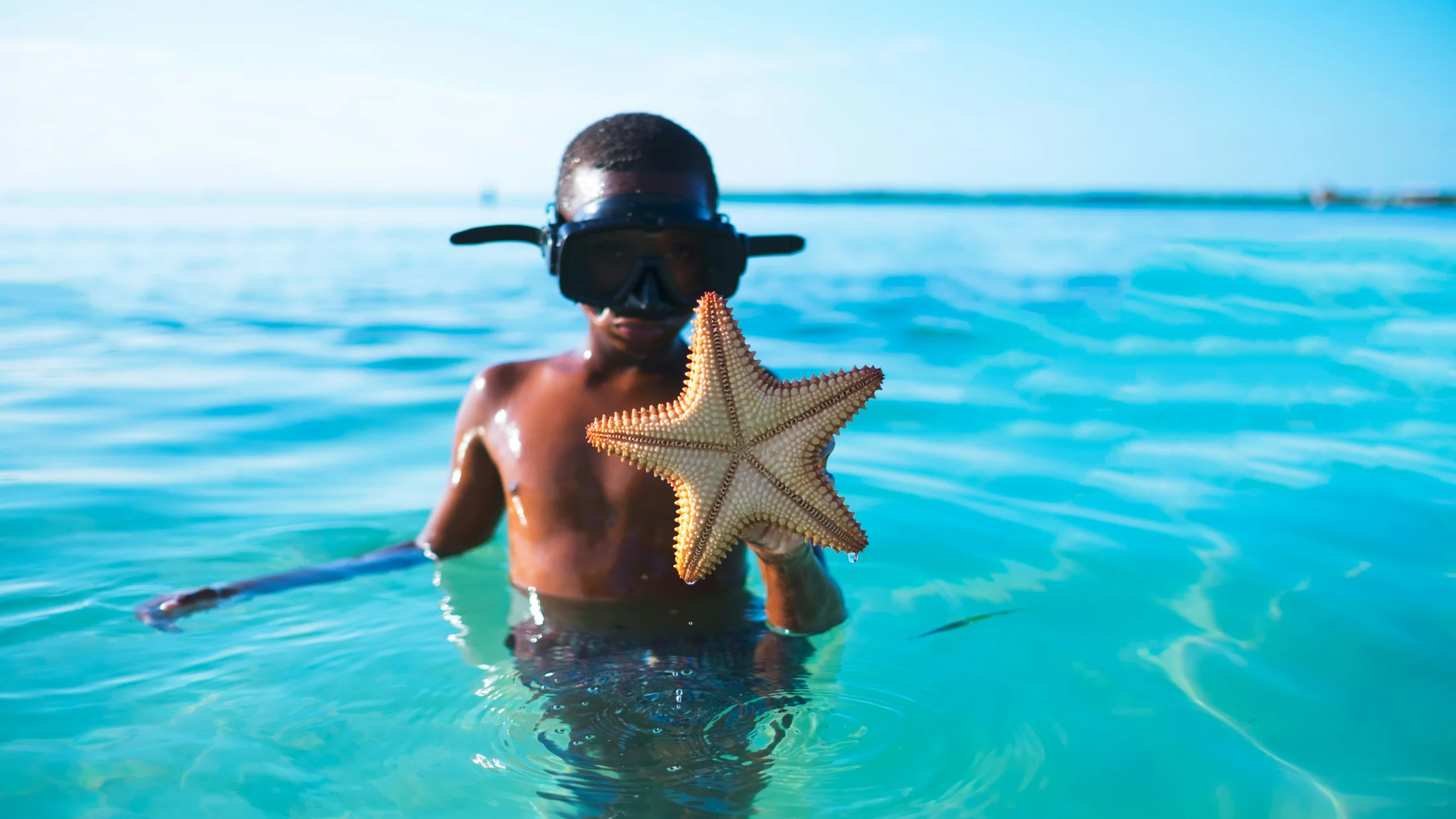
Why Calm Coves Make Family Snorkeling Shine
Snorkeling with kids turns a beach day into a small expedition where curiosity leads. In calm coves, you keep control while children discover fish, sea grass meadows, and the joy of breathing through a snorkel at their own pace. Picture a glassy surface where sunlight paints little ladders of gold on sandy ripples. This article highlights 10 family-friendly snorkeling beaches in Spain with safe seabeds, practical access, and visible marine life, and it shares clear criteria to help you choose well.
The case for calm coves
You get more learning and less worry in small, sheltered bays. Less swell means fewer waves and better visibility, which makes first breaths through a snorkel less intimidating and far more rewarding. One quiet morning can feel like an aquarium without walls. In the Mediterranean, summer visibility often reaches 10–25 m in sheltered spots (reported by regional environment departments in the Balearic Islands and Valencia), and sandy bottoms or Posidonia oceanica meadows create “maps” kids can follow. Posidonia, a protected seagrass, hosts juvenile fish, sea cucumbers, and tiny crabs; explain to children that it’s a plant, not “seaweed,” and they’ll spot the different textures easily. Parents searching “snorkeling with kids,” “calm coves snorkel,” or “family-friendly snorkeling beaches” are really seeking confidence and predictability: soft entries, shallow areas, and clear escape routes to shore. These spaces build trust stroke by stroke.
How we chose the beaches
We applied simple, parent-tested filters to find fondos seguros snorkel—safe seabeds for snorkeling—where families can relax.
- Sea state: sheltered orientation, low average swell, and light winds most mornings.
- Seabed type: sandy or mixed (sand/rock/posidonia), with broad shallow platforms.
- Marine life: regular sightings of small fish, sea stars, or seagrass communities.
- Access: short walks, reasonable parking, and paths suitable for children or strollers.
- Services: seasonal lifeguards, toilets, shade options, and food nearby.
- Safety: low current risk, clear bathing areas, and space away from boat traffic.
- Protection: preference for marine reserves or natural parks with conservation measures.
Sources we considered include municipal tourism pages, natural park guidelines, and Spain’s marine reserve network publications; always recheck local notices on the day.
Picuco te puede ayudar
Does something here catch your eye?
Tell us.
Write to us on WhatsApp or email: we answer questions, find the best options and help you sort out the booking.
10 Safe, Marine-rich Coves for Snorkeling with Kids
1.Cala Saona (formentera): turquoise water and family-perfect sand
- Location: Formentera, near Sant Francesc Xavier (Balearic Islands).
- Cost: Beach access free; parking may be controlled in high season.
- Best time: May–September; mornings offer the calmest surface.
- Ideal for: Ages 4+ with adult support; first-time snorkelers.
- What to do: Swim parallel to the shore along the rocky flanks on either side.
- Seabed and life: Wide sandy base with patches of posidonia; look for wrasse, salema, and tiny blennies near rocks.
- Safety/services: Seasonal lifeguards, restaurants nearby; watch for boat moorings at the edges.
Cala Saona’s broad sandy apron makes entry simple, and you can keep kids in thigh-deep water while they practice. Sunlight wavers over white sand like silk in a breeze. For snorkel niños in calas tranquilas, set a simple route from the center to either headland where more fish gather; carry a float so kids can rest. For gear, a junior dry-top snorkel reduces splashes and builds confidence in these beaches snorkel España.
2.Cala Macarella (menorca): crystal water and posidonia meadows
- Location: South coast of Menorca, near Ciutadella.
- Cost: Free access; in peak season, car access is restricted and shuttle buses operate—check the island transport site.
- Best time: Late May–June and September for fewer crowds; mornings see lighter winds.
- Ideal for: Ages 5+; families ready to explore sand-to-rock transitions.
- What to do: Start along the right-hand cliff line (facing the sea) where posidonia meets sand.
- Seabed and life: Sandy center, rocky sides, posidonia patches; spot damselfish, salema, and shy urchins away from the main entry.
- Safety/services: Seasonal lifeguards, kiosks; avoid midday crowding to keep clear space.
Macarella is protected from northern winds by high limestone walls, which steadies the surface for family snorkeling. A thin bell of clear water hangs over pale sand in early light. Choose the edges for more fish but keep children above sand where it’s gentle underfoot, and scan for spines from sea urchins on rocky shelves. For snorkel niños and calm coves snorkel days, aim for the earliest hours when the sea is a mirror.
3.Cala Granadella (jávea/xàbia, Alicante): biodiversity with accessible rock
- Location: Marina Alta, municipality of Xàbia (Valencian Community).
- Cost: Free access; peak-season parking is limited and sometimes regulated—arrive early.
- Best time: Late spring to early autumn; mornings for finest visibility.
- Ideal for: Ages 6+ comfortable with pebbly entries and short finning.
- What to do: Follow the right-hand wall (facing the sea) and explore small rocky nooks.
- Seabed and life: Pebbles to rock with sand pockets; expect juvenile groupers, wrasse, and anchovy schools.
- Safety/services: Seasonal lifeguards, restaurants above; wear water shoes and keep kids on sandy tongues for stable footing.
Granadella concentrates marine life in a compact stage where sand meets stone, a perfect primer for snorkel familiar. The pebbles glow like polished marbles under clear water. Mark a family route—shore, sand patch, rock corner, back along sand—to maintain fondos seguros. This cove regularly features in playas snorkel España lists for good reason: variety at child-friendly depths.
4.Cala Galdana (menorca): wide, calm, and built for families
- Location: South coast of Menorca, municipality of Ferreries.
- Cost: Free beach; paid parking possible near the hotels in high season.
- Best time: May–June and September; avoid the late-afternoon peak.
- Ideal for: Ages 3+; toddlers can float safely near the gentlest shore.
- What to do: Snorkel along the left or right edges where rock fingers hold fish schools.
- Seabed and life: Very gradual sand shelf; rocks at edges attract damselfish, sargos, and occasional octopus.
- Safety/services: Lifeguards in season, abundant services, shade under pines; marked swimming areas help separation from small craft.
Galdana’s shallow bowl keeps waves modest even on breezy days, and the central lagoon-like area is ideal for practice. The bay gleams like a giant shell filled with pale milk-blue water. Keep sessions short, especially at first, and pick an edge to “hunt” for color before retreating to the sand for a rest. Families who prize calas tranquilas will appreciate the space here.
5.Portinatx (ibiza): sheltered shallows for relaxed exploration
- Location: North Ibiza; trio of beaches—S’Arenal Gros, S’Arenal Petit, and Port de Portinatx.
- Cost: Free access; parking around the village.
- Best time: June–September; north winds can pick up outside summer—check the forecast.
- Ideal for: Ages 4+; great for first-timers due to easy entries.
- What to do: Trace the rocky edges of S’Arenal Petit or cross to the reefy sides of Port de Portinatx.
- Seabed and life: Mostly sand with scattered rocks; see salema, ornate wrasse, and small cuttlefish on calm mornings.
- Safety/services: Lifeguards in season, shops and cafes; avoid boat channels and keep kids inside buoyed zones.
Portinatx offers the classic snorkel familiar setting: shallow, bright water with gentle shelves. You might see silver flashes whirl like confetti below the surface. Combine a short snorkel with a picnic or a calm kayak paddle along the coastline; stay landward of buoys and brief kids to return to the sandy “home base” when they need a break.
6.Cala Comte (ibiza): turquoise plains with small rocky reefs
- Location: West Ibiza, near Sant Josep de sa Talaia.
- Cost: Free access; popular sunset spot—arrive early for parking.
- Best time: June–September; mornings calmer than sunset hours.
- Ideal for: Ages 6+ with some fin control; supervised near rocky shelves.
- What to do: Explore sandy pools between islets, then skim the edges of small reefs a few meters off the beach.
- Seabed and life: Brilliant sand flats, low rock ridges; spot bream, wrasse, and occasional starfish on quieter days.
- Safety/services: Seasonal lifeguards, restaurants; avoid slippery rock plates and moderate currents near points.
Comte looks like someone spilled blue ink in layers across the sand, a gradient kids love to “read.” A single line of ripples whispers at ankle height. Keep children in the inner sandy lagoons and let adults scout the reef edge first; avoid stepping on algae-slick stones and retreat shoreward if wind or swell increases around the islets.
7.Cala del Plomo (cabo de Gata, Almería): protected setting with sandy comfort
- Location: Cabo de Gata–Níjar Natural Park, Almería.
- Cost: Free access; unpaved track for final stretch—drive slowly.
- Best time: Late spring to early autumn; mornings for glassier water.
- Ideal for: Ages 5+; good for families seeking quieter natural settings.
- What to do: Swim along the right-hand rocky wall or cross sandy corridors between rock tongues.
- Seabed and life: Sand with rock outcrops; look for bream, gobies, and invertebrates under ledges.
- Safety/services: No big resort services; bring shade and water; respect protected habitats.
In this park’s clear water, sunlight stitches bright seams across rolling sand. The hush of desert hills meets the calm sea. Keep kids over sand for fondos seguros snorkel and float-rests, and brief them not to touch any posidonia or rock life; the park’s conservation rules help keep playas snorkel España thriving—pack out all waste and use reef-safe sunscreen.
8.La Herradura (granada): sheltered bay with lively edges
- Location: Almuñécar municipality, Costa Tropical, Granada.
- Cost: Free access; paid parking options along the promenade in season.
- Best time: May–October; early mornings are calmest; winter can be clear on still days.
- Ideal for: Ages 5+; patient beginners benefit from broad sandy entry.
- What to do: Follow the eastern side (Punta de la Mona) for rocky life, staying within buoyed swim areas.
- Seabed and life: Sand center, rock edges; expect bream, damselfish, octopus dens, and seagrass patches.
- Safety/services: Lifeguards in season, restaurants and showers; check flag system and avoid boat corridors.
La Herradura is shaped like its name, curving inward to block swell and create predictable water for families. The bay sits like a silver horseshoe under morning light. If winds push chop, hug the leeward side; teach children to signal “OK” and to return to the sand bar when they tire.
9.Cala Santanyí (mallorca): compact, easy-entry cove
- Location: Southeast Mallorca, municipality of Santanyí.
- Cost: Free access; paid parking nearby in season.
- Best time: May–June and September; lighter crowds and clear water.
- Ideal for: Ages 4+; gentle slope is kind to small legs.
- What to do: Circle the rocky edges on either side; the left side often feels calmer early.
- Seabed and life: Sand with small pebbles and rock; watch shoals of salema and wrasse around rock crevices.
- Safety/services: Lifeguards in season, cafes close by; supervise constantly near cove mouth where boats may pass.
Santanyí’s green-blue water rests above cream sand that deepens slowly, a forgiving classroom for first fins. A breeze might ruffle the pines but barely touch the surface. Keep the youngest above sand and let confident swimmers skim the sidewalls for more life, regrouping frequently by a fixed landmark like a beach ladder.
10.Tabarca Island (alicante): marine reserve with protected snorkeling
- Location: Offshore from Alicante and Santa Pola, Valencian Community.
- Cost: Boat transport required; return tickets sold daily in season—confirm times and fares.
- Best time: Late spring to early autumn; weekdays outside August for space.
- Ideal for: Ages 6+ who can swim 25 m unaided with a float.
- What to do: Snorkel inside marked bathing zones near the town and coves on the leeward side.
- Seabed and life: Reserve waters with sand, rock, and posidonia; expect bream, damselfish, octopus, and clearer-than-average visibility.
- Safety/services: Lifeguard stations in season, restaurants in town; respect reserve rules (no collecting, no fishing in protected areas).
In calm weather, Tabarca’s water feels like thick glass laid over patchwork seagrass and pale sand. A gull’s shadow skims the surface like a kite. The island’s status as a Reserva Marina (Spanish network of marine reserves) makes it exceptional for snorkel niños and family-friendly snorkeling beaches; stay within buoys, avoid anchors near seagrass, and ask local staff for the day’s best leeward cove.
Map of Locations
A single interactive map helps you choose quickly and travel confidently. With one look, you can compare distances, see which coves sit inside protected areas, and open turn-by-turn navigation from your phone. Think of it as the trip’s dashboard, clear as a tide chart on a good day. Each marker should open a mini-profile with: best season window, ideal ages, seabed description, access notes, and a “safest entry” icon. Add photos from shore level, a link to open the spot in your navigation app, and a color code for accessibility (easy beach entry, pebbly entry, steps/trail). Layers can toggle services (lifeguard posts, toilets, shade), marine protection (reserves, natural parks), and typical wind exposure. Filters should let you select “ideal for younger kids,” “posidonia meadows,” or “rocky edges for fish.” Include a share button so families can send a pin to everyone’s chat, and a “print mini-card” option for offline use. Before you go, always tap the local forecast and sea state from trusted sources such as AEMET (Spain’s meteorological agency) or municipal beach pages.
Choosing the Right Cove and the Right Kit
Choosing the right cove
Match the cove to your child’s age and comfort level, and everything else clicks. Younger kids thrive where the seabed stays shallow for 10–20 meters, the slope is gentle, and sand dominates; older kids can handle mixed rock and sand with supervised zigzags along the edges. A faint smell of salt on a still morning often means the water will be kind. Prioritize calas tranquilas that face away from prevailing winds, and look for clear swim zones marked by buoys. Practical checks:
- Distance from parking to sand (under 10 minutes helps with gear).
- Seasonal lifeguards and posted flags (green/yellow/red).
- Shade or options to create it (pines, umbrellas).
- Entry type: sand beats slippery rock for first-timers.
Use municipal websites, recent reviews, and natural park notices for current rules and access. On arrival, ask lifeguards or locals: Are there currents today? Where is the safest entry and exit? How deep does it get by the buoys? This is all about reducing variables for snorkel niños so confidence can grow.
The right family snorkeling kit
Comfort equals safety, and the right fit changes everything. Choose a low-volume mask that seals without straps when gently placed on the face; a kids’ dry-top snorkel limits splashes if a wave rolls in. Let rubbery straps squeak softly as you adjust them on the sand. Add a buoyancy aid matched to skill: a proper snorkel vest or, for learners, arm bands combined with close supervision. Short fins (not long freediving fins) protect ankles and simplify kick timing. Essentials:
- Anti-fog solution or baby shampoo for masks.
- Rash guard and reef-safe sunscreen.
- Water shoes for pebbly entries.
- Compact float with a grab handle.
Test everything at home in a bathtub or at the pool, then again in ankle-deep water on the day. For growing kids, renting can be wiser in peak season; look for beachside operators with clean, labeled sizes and clear hygiene procedures. Buy only when you’re sure of sizing and comfort, and favor soft silicone skirts on masks to minimize chafing on small faces.
Safety and Good Practice for Snorkeling with Kids
Preparation and basic rules
Preparation reduces stress and keeps the day playful. Check the weather and sea forecast (wind, wave height, and visibility) from reliable sources like AEMET or municipal beach reports; scan for jellyfish notices and observe flag colors on arrival. The smell of sunscreen and the rustle of pine shade can set a calm pace before you even unzip the bag. Inspect gear, agree on a swim zone, and set a return signal and a time limit per session (10–20 minutes for new snorkelers). Pack a small kit: drinking water, a basic first-aid pouch, reef-safe sunscreen, and a phone in a waterproof pouch. Decide who leads and who follows; when kids know the plan, they relax and enjoy the sea.
Good habits in the water
Go “hand-to-hand” at first: one adult stays within arm’s reach of the child while the second adult (if present) scouts 3–5 meters ahead. Keep constant visual contact and talk through the snorkel rhythm—inhale gently through the tube, exhale calmly, pause if water splashes in. Sunlight flickers across masks like brief lightning, but everything feels slow. Encourage short sets with breaks on a float or at the shallows; swap fins for rests to reduce fatigue. Teach respect for life underwater: no touching animals, no standing on rocks, and never pull at posidonia meadows. For snorkeling with kids, keep sessions inside buoyed zones and away from boat channels; a simple tow-float provides visibility and a safe handle in case a child tires suddenly.
Emergencies, signals, and local rules
If a child panics or swallows water, turn them face-up, hold the float or their vest, and tow calmly toward shore—slow is safe. If an injury occurs (cuts, sting), exit, rinse with clean water, and evaluate before returning; call 112 for serious issues and be ready to state your exact cove, the child’s age, and symptoms. A still hand raised above the water can flag lifeguards faster than shouting. In protected zones—marine reserves or natural parks—rules usually prohibit collecting shells, fishing, or anchoring on seagrass; signs at access points outline specifics. Keep the map open to share your location pin quickly, and brief the family on basic hand signals: OK sign, thumb to shore, flat hand to stop.
Frequently Asked Questions
What is a good minimum age for snorkeling with kids?
Most children around 4–6 years can try basic mask-and-breathing practice at the shoreline, always within arm’s reach. Start with mask-only play, then introduce a kids’ dry-top snorkel in calm, shallow water.
How do I avoid foggy masks and leaks?
Choose a mask that seals gently on the face without straps, then add straps to hold it. Use anti-fog or a drop of baby shampoo rinsed lightly, and avoid touching the inside of the lens.
Are ear infections (otitis) a risk?
Yes, especially after long sessions. Dry ears well post-swim and consider doctor-approved drops if your child has a history of otitis. If ear pain develops, stop snorkeling and consult a healthcare professional.
What should we wear for sun and skin protection?
Use long-sleeve rash guards, reef-safe sunscreen, and a wide-brim hat on breaks. Reapply sunscreen after each session and prioritize shade between swims.
How long should a first snorkel session last?
Keep it short—10 to 20 minutes is plenty for beginners. Take breaks for water and snacks, and stop at the first signs of fatigue or chills.
What if the water feels too cold?
Use a thin shorty wetsuit or a neoprene vest for kids. Cold reduces comfort and focus; if shivering starts, exit and warm up before deciding whether to continue.
Can we snorkel on windy days?
Prefer sheltered coves and morning slots. If whitecaps appear or visibility drops, postpone; calm coves snorkel better and keep stress low for children.
Do we need fins for kids?
Short fins help, but they’re optional at first. Prioritize a well-fitted mask, a kids’ dry-top snorkel, and a buoyancy aid; add fins once they are comfortable.
How do I know a seabed is safe for beginners?
Look for broad sandy shelves, gentle slopes, and clear space inside buoys. Mixed sand-and-rock zones are fine if you keep beginners over sand—those are your fondos seguros snorkel conditions.
Is it okay to collect shells or touch starfish?
No—observe only. Many areas, especially reserves, forbid collecting, and handling animals can harm them or you. Teach children the “eyes only” rule.
Book your experience — discover active nature activities in Spain with providers vetted by Picuco.
Conclusion
Calm coves make snorkeling with kids simple, safe, and full of wonder. You gain predictable entries, gentle depths, and the living classroom of sand, rock, and posidonia meadows. For a first taste, try Cala Saona’s turquoise sand flats or Cala Galdana’s broad bowl; for curious tweens ready for more life, Granadella or Tabarca’s reserve waters reward careful explorers. Keep your plan practical: check the marine forecast, choose a sheltered orientation, fit masks carefully, and set short sessions with plenty of breaks. When you’re ready to go, open the interactive map to compare access, services, and the safest entry points, then share the pins with your family group. Pack lightly, respect local rules, and let the sea set a slow rhythm—your children will remember the bright fish and the calm you modeled as much as the swim itself.