Why This Gorge Is the Most Spectacular Gateway to Picos
First impressions: light, limestone, and river
Drive into the Desfiladero de la Hermida and the mountains seem to close around you like a slow-breathing bellows. You are entering the western threshold of the Cantabrian sector of Picos de Europa, where the River Deva has carved a corridor through pale limestone for roughly 20 km, linking the coast with the Liébana valley and towns like Potes. Sheer walls rise in tiers, ivy clings to ledges, and small hamlets perch improbably on the margins. In morning light, silver water sluices under overhangs and echoes off the rock.
This is more than a road trip; it is a fusion of heritage and adventure, with routes up to historic villages, the Santa Catalina viewpoint above the void, the La Hermida via ferrata stringing cables across air, and the Romanesque jewel of Lebeña, Cantabria. Families find easy riverside walks and hot springs; hikers stitch together balcony trails; climbers test their mettle on shadowed faces. By the time the gorge opens toward Lebeña, you have crossed a living textbook of geology, history, and rural craft. Expect a place shaped by water and stone, and actively cared for by small communities who farm, guide, and welcome travelers.
You will leave this guide with a plan: how to get here, when to come, what to do, and where to stay—calm, confident, and primed for the road.
What you’ll gain from this guide
You want clarity fast, and this is your map in words. You’ll find logistics for the Hermida Gorge and its role on a classic Picos de Europa route, essential safety tips, seasonal advice, and a checklist of what to pack. Think of it as your field notes distilled.
- How to locate the gorge and nearby highlights like Lebeña and Potes
- Best seasons, typical visit durations, and weather caveats
- Getting there by car or public transport, plus parking practices
- Where to stay: villages, rural homes, campgrounds
- What to do: Santa Catalina viewpoint, La Hermida via ferrata, riverside pools, heritage stops
- Four graded hikes with distances, elevation, and trail advice
- FAQs on safety, timing, family access, and local food
Imagine the smell of wet limestone after a light rain, and keep this guide handy to turn that image into a day well spent.
Picuco te puede ayudar
Does something here catch your eye?
Tell us.
Write to us on WhatsApp or email: we answer questions, find the best options and help you sort out the booking.
Essential Information for a Safe and Rewarding Visit
Where it is and how it fits into Picos
The Desfiladero de la Hermida lies in western Cantabria, Spain, forming the narrow corridor of the River Deva that leads into the Liébana valley. You’ll drive the N-621 as it threads between cliffs from the coast inland, with the hamlet of La Hermida roughly at 43.21°N, -4.62°W and the village of Lebeña at 43.21°N, -4.57°W. This is the natural gateway from the Bay of Biscay to the Cantabrian sector of the Picos de Europa, whose high massifs rise just beyond.
Nearby places anchor your visit. Lebeña, Cantabria, holds the 10th-century Church of Santa Maria de Lebeña, an icon of early Spanish Romanesque-Mozarabic style. The Santa Catalina viewpoint stands above the gorge in Peñarrubia municipality, offering a balcony over bends of the Deva. Potes, about 20–25 minutes beyond Lebeña, acts as a services hub for trips deeper into Picos. Picture sunlight slicing into a chalk-white cleft as swifts flicker across the road. Use this corridor both as an end in itself and as the scenic on-ramp to the higher cirques, meadows, and cable cars of Picos de Europa.
Practical note: You’re close to areas with National Park protection; zoning rules apply in park limits (no fires, leash dogs, stay on marked trails). Confirm current regulations with the Picos de Europa National Park office and the Government of Cantabria.
When to go, typical timings, and weather patterns
Spring and autumn are prime. From April to June, rivers run clear, slopes green, and temperatures sit comfortably between 12–20°C. September to October brings stable days and crisp air, with beech and oak turning russet above the ravines. Summer is vibrant but busier; midday heat and traffic through the gorge can be intense. In winter, short days, ice on shaded curves, and occasional rockfall advisories demand careful planning. After heavy rain, cliffs can weep and minor slides may close short sections temporarily.
- Best hours for photography: early morning and late afternoon, when the canyon walls glow and traffic thins.
- Duration of a short visit: 2–4 hours to drive, stop at lay-bys, visit Lebeña, and walk to a viewpoint.
- Duration for an active day: 6–8 hours for a hike, the Santa Catalina viewpoint, and a soak in La Hermida hot springs.
- Multi-day option: 2–3 days to layer hikes, heritage, and a via ferrata experience.
Think of cool air rising from the river like an invisible ribbon on warm afternoons, and build your itinerary to match the light and the flow of visitors.
Safety, gear, and local rules that matter
The gorge is spectacular because it’s narrow and raw; treat it with respect. Road lay-bys are limited, shoulders are tight, and rockfall signs are common for a reason. Trails vary from riverside promenades to airy balcony paths with exposure. The La Hermida via ferrata includes Tibetan bridges and vertical sections that demand proper equipment and judgment.
Bring:
- Footwear with grippy soles (wet limestone is slick)
- 1.5–2 L of water per person, plus snacks
- Layers and a waterproof shell (weather changes quickly)
- Sun protection (cap, sunglasses, SPF)
- A printed map or offline GPS maps; phone signal can be spotty
- VF gear for the via ferrata: certified helmet, harness, energy-absorbing lanyard set, gloves
Respect:
- Posted signs about access, closures, or wildlife; closures can occur for maintenance or nesting seasons
- Private fincas (farmland); use stiles and gates correctly and never block farm tracks
- Waste rules: pack out everything; toilets are scarce in pull-outs
Before committing to the via ferrata, check current status with the Peñarrubia municipality or local visitor centers, and look up weather via AEMET (the Spanish Meteorological Agency). A faint smell of thyme crushed underfoot on sunny ledges is a subtle reminder that this is a living landscape; tread lightly so it stays that way.
Getting There and Where to Stay
By car: scenic routes, access points, and parking
Reaching the Desfiladero de la Hermida by car is straightforward, and the drive itself is part of the experience. The N-621 follows the River Deva through the gorge, linking the coast near Unquera with the interior toward Potes. From Santander, plan roughly 1.5–2 hours depending on traffic; from Oviedo, 2–2.5 hours via the A-8 to Unquera; from León, around 3 hours over mountain routes via Riaño or Piedrasluengas. Expect bends, short tunnels, and occasional narrowings.
- Main gateway: Enter from Unquera (coast) and follow signs to Potes along the N-621; the Desfiladero de la Hermida begins quickly after you pass into Cantabria.
- Parking: Use designated lay-bys, the small car park at the Urdón trailhead, and marked spaces in La Hermida or Lebeña. Never park in unmarked shoulders or block farm access.
- Peak-season tip: Arrive before 10:00 to secure parking for trailheads and viewpoints, especially on weekends and in July–August.
Rain beads on the windshield and the rock glistens like steel, so drive defensively and keep a leisure pace; the road rewards patience with views around every corner.
Public transport, taxis, and bikes
Public transport can work with planning. Regional buses connect Santander with Potes, stopping at La Hermida and other hamlets in the gorge; frequencies vary by season, with fewer services on weekends. The nearest narrow-gauge train (FEVE) stops at Unquera on the Santander–Oviedo line; from there, take a bus or taxi into the gorge. Always consult current timetables and consider booking return seats in high season.
- Buses: Look for Santander–Potes lines with intermediate stops like La Hermida; services are more frequent in summer.
- Taxis/transfers: Pre-book from Potes or Unquera if you plan one-way hikes (e.g., Urdón ascent) to avoid roadside hitching.
- Bike: Confident cyclists can ride the N-621, but traffic and tunnels mean high visibility gear and lights are essential.
You might catch the soft clatter of a passing bus echoing between walls as swifts slice past; if you rely on public transport, anchor your day to two or three fixed departure times and build your plan around them.
Stays with character: villages, rural homes, and campgrounds
You have strong bases at three scales. La Hermida puts you right in the gorge, with quick access to hot springs and trailheads. Lebeña, Cantabria, sits at the gorge’s inland mouth with easy heritage visits and quieter evenings. Potes, 20–25 minutes beyond, offers a wider spread of services, markets, and food, ideal for multi-day explorations deeper into Picos de Europa.
Consider:
- Rural casas and guesthouses for proximity to trails and local hosts who know the routes
- Small hostales in La Hermida for simplicity and on-foot access
- Campgrounds around Potes or Camaleño if you prefer green spaces and mountain views
How to choose:
- Location first: near your chosen hikes or the via ferrata
- Parking availability in peak season
- Sustainability credentials: ask about energy use, waste policies, and local sourcing
Warm light spills from stone lintels at dusk in tiny villages; reserve ahead for weekends, spring and fall holidays, and July–August to support local hosts and secure the spot that fits your style.
What to See and Do Around the Gorge
Viewpoints and panoramas, with a spotlight on Santa Catalina
Pull-outs along the N-621 deliver quick drama: tight meanders of the Deva, buttresses of pale rock, and cliff-top pines bent by wind. The real stage, though, is the Santa Catalina viewpoint high above the Desfiladero, a balcony where the gorge unspools in nested curves. Best light hits in the first two hours after sunrise and the last two before sunset, when shadows shape the limestone.
Mirador Santa Catalina:
- Why go: It’s the canonical panorama over the Hermida Gorge, placing the river, road, and walls in a single sweeping frame.
- Access: Short walks lead from nearby lanes; a longer route climbs from villages like Cicera (details in the hiking section).
- Photography: A wide-angle lens captures the whole arc; a mid-tele compresses bends for layered shots.
- Safety: Edges can be airy and unguarded; keep kids close and watch footing on gravel.
Listen for the sough of wind over heather and the fall of distant water, and give yourself unhurried time: clouds rolling in and out can give you five landscapes in one hour.
La Hermida via ferrata and its Tibetan bridges
The La Hermida via ferrata threads iron rungs and cables up a cliff face near the village, linking ledges with airy traverses and one or more Tibetan bridges. A via ferrata is a protected climbing route equipped with anchors so that climbers secure themselves to a steel cable at all times with a lanyard and carabiners; it is not a simple hike and requires basic vertical movement comfort.
- Experience: Expect vertical sections, exposure, and balance on the bridges; difficulty varies by sector, with options suitable for sporty first-timers under guidance and spicier lines for the experienced.
- Gear: Certified helmet, harness, via ferrata set (energy-absorbing), gloves, plus sturdy shoes.
- Safety: Book with certified guides if in doubt; check route status with local authorities as periodic closures can occur for maintenance or wildlife protection.
- Booking: Operators run in-season departures and rentals; compare options, ask about ratios and insurance, and confirm weather policies.
A faint metallic hum vibrates through the cable as you clip and step into space, the river riffle far below; if you’re unsure, go with a guide and keep margins generous.
Heritage and villages: Lebeña and cultural layers
Lebeña is a linchpin of the gorge’s cultural arc. The Church of Santa Maria de Lebeña, often dated to the 10th century, blends Mozarabic forms with early Romanesque impulses—horseshoe arches, sober stonework, and a sense of gravity anchored in its setting. This small temple has watched shepherds, pilgrims on the Camino Lebaniego, and modern hikers pass for over a millennium.
What to see:
- The church exterior and interior stonework; check opening times locally as they vary by season and services
- Traditional masonry, haylofts, and terraced plots around the village
- Small local producers selling honey, cheese, or orujo (local spirit) in nearby markets like Potes
Pair a morning here with an afternoon viewpoint or riverside walk. You may catch resin and wildflower scents on warm days as bells from a goat herd pulse against the cliff echo—rural life is present and quietly shapes the landscape you came to admire.
Unwind: pools, river time, hot springs, and food
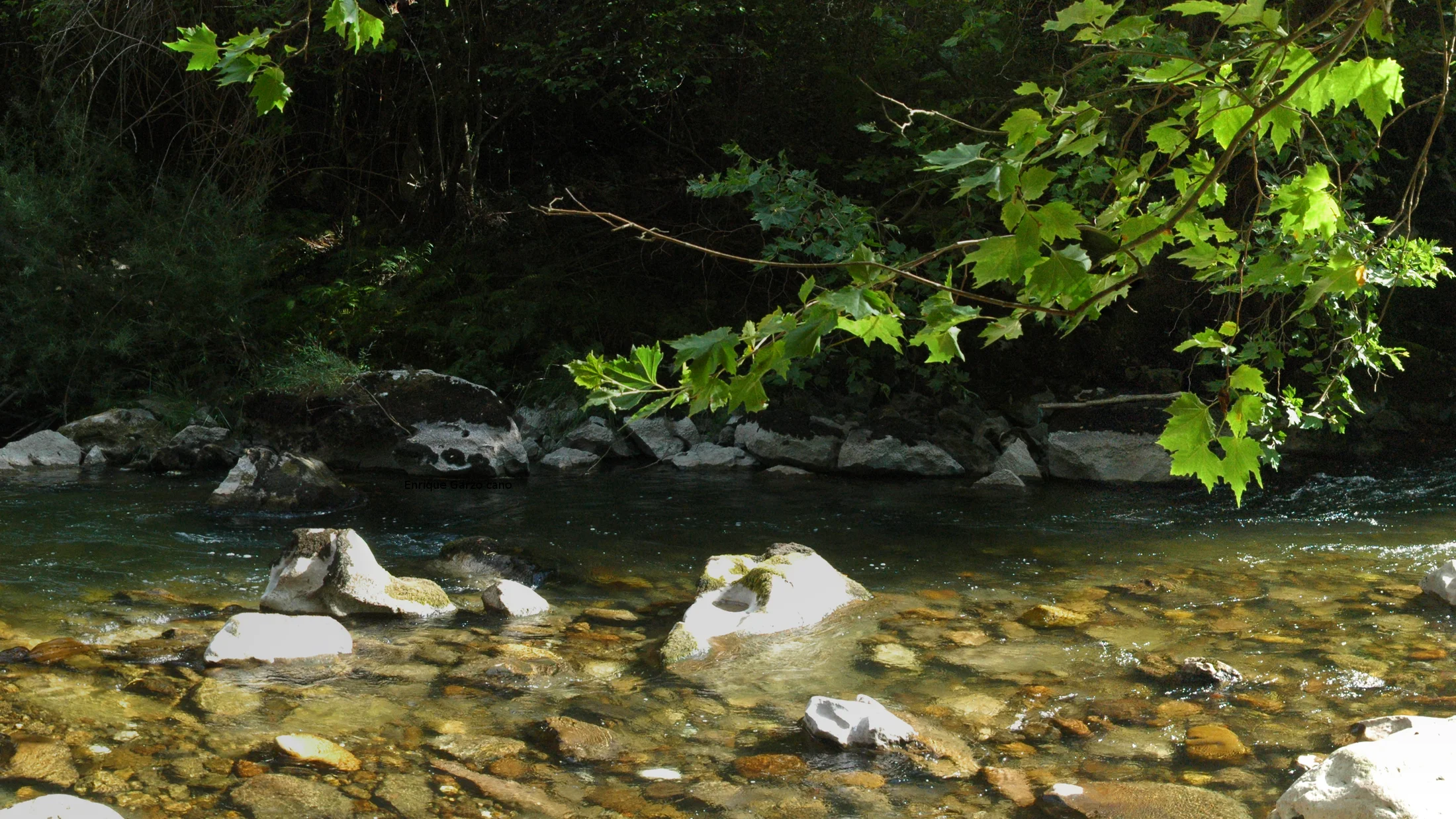
After trails and lookouts, the river Deva offers calm pockets for rest. Choose broad, slow bends with easy in-and-out banks and avoid deep, fast channels. Families should favor shallow gravel bars and always supervise closely. La Hermida hot springs are a local signature—thermal waters feed the village spa and have been used for generations for rest and recovery.
What to try:
- Safe river spots with gentle flow for toe-dipping or short swims; avoid slippery slabs and high flows after rains
- La Hermida hot springs for a thermal soak; book ahead, especially on weekends
- Food highlights: cocido lebaniego (a local chickpea-based stew), trout from mountain streams, queso picón Bejes-Tresviso (a blue cheese with Denomination of Origin), and orujo from Liébana as a digestif
Walk past stone walls warm from the sun and the smell of wood smoke drifting from a kitchen, and take your time—the best meals here are slow, seasonal, and rooted in the valley.
Four Hikes Linking La Hermida, Lebeña, and the Gorge
1.La Hermida – Lebeña: direct path with heritage at the finish
This is the essential connector that pairs the heart of the Hermida Gorge with the cultural crown of Lebeña. Start from La Hermida (43.21°N, -4.62°W) and follow marked paths and quiet lanes that rise above the N-621, avoiding traffic and opening views across the Deva. Expect 7–9 km one-way, 350–450 m of ascent, and 2.5–3.5 hours depending on route variants and stops.
- Difficulty: Moderate; paths can be stony and narrow with short exposed terraces
- Highlights: Balcony views of the gorge, small hamlets, and Santa Maria de Lebeña at the end
- Markings: Local waymarks and occasional posts; carry an offline map for confidence
- Logistics: Park in La Hermida early, finish in Lebeña, then return by bus or pre-booked taxi, or make it an out-and-back if energy allows
The feel of sun-warmed limestone under your palm as you steady along a terrace is both literal and grounding; wear grippy shoes, and keep kids in hand on narrow sections.
2.Santa Catalina viewpoint: a short, panoramic walk
For a high return on a short effort, the Santa Catalina viewpoint walk is your go-to. From a nearby lane or lay-by (varies by approach), a 1.5–3 km round trip gains roughly 100–200 m to reach the balcony above the gorge. Families with active kids handle it well, though gravel and exposure near the edge demand attention.
- Time: 45–90 minutes round trip, more if you linger for photos
- Difficulty: Easy-moderate; short steep sections and rough gravel
- Best times: First light and golden hour, when layers of limestone take on warm tones and shadows sculpt the scene
- Tips for photographers: Pack a wide-angle and a polarizer to cut glare; carry a light jacket as wind can funnel strongly
Wind carries the resin scent of low pines as the river draws silver lines far below; keep to obvious paths, and never step beyond safe ground for a shot.
3.Deva riverside and pools: easy, family-friendly exploration
This gentle outing traces quieter tracks and river margins near La Hermida and Urdón. Choose a 3–5 km loop with minimal elevation that samples gravel bars, side channels, and small meadows. It’s ideal with kids, picnic-ready, and flexible if you want to extend or shorten based on moods and weather.
- Difficulty: Easy; mostly flat, with some uneven stones and occasional puddles
- Safety: Test footing on rocks, avoid fast water, and give the river an extra margin after rains
- Wayfinding: Follow obvious farm tracks and riverside paths; carry a simple offline map
- Logistics: Park early in marked spaces; bring water shoes or sandals for splashing and a bag for trash
The hush of water over pebbles and the cool shock around your ankles turns the gorge from spectacle to playground; set simple rules and savor a long snack break.
4.Urdón to Tresviso: a demanding ascent for experienced hikers
This classic climb starts at Urdón, near the base of the gorge, and snakes up an improbably engineered path to the remote village of Tresviso on the Asturias border. Expect roughly 13–16 km round trip, 800–1,000 m of ascent, and 5–7 hours depending on pace. Paths are exposed in places, with sustained zigzags and no shade in midday.
- Difficulty: Demanding; not suitable for beginners or those uncomfortable with exposure
- Terrain: Narrow balcony paths, limestone switchbacks, occasional loose stones
- Equipment: Sturdy footwear, 2 L of water per person, sun protection, and a wind layer
- Weather backup: If storms or low cloud threaten, switch to a lower riverside walk or the Santa Catalina viewpoint instead
Goat bells ring from high shelves and the smell of crushed thyme rises on sun-baked steps; start early, eat on schedule, and keep an eye on footing when legs tire.
Frequently Asked Questions
1.Is the La Hermida via ferrata safe for beginners?
The short answer: yes, with the right conditions and guidance, the La Hermida via ferrata can be accessible to fit beginners, but respect the environment and the system. A via ferrata requires a certified helmet, harness, and an energy-absorbing lanyard set, and it assumes you’re comfortable on ladders and small footholds. The route near La Hermida includes vertical stretches and at least one Tibetan bridge segment that can feel very exposed, especially in wind.
For first-timers, booking with certified guides is the best path to a safe, positive day. Guides fit your gear, coach movement, and manage spacing on crowded days. If you go independently, choose the easier sector, confirm weather with AEMET, and check for any closures or restrictions with local authorities before you start. Always clip both carabiners correctly, keep a steady rhythm, and leave generous space between parties.
Not in the mood for cables and exposure? Alternatives include the Santa Catalina viewpoint walk or the La Hermida–Lebeña balcony path, which still deliver big views without the vertical commitment. The quiet clink of carabiners against steel is exhilarating when your preparation matches the challenge; if it doesn’t, pick a trail and come back later.
2.When is the best time to visit the Desfiladero de la Hermida?
Spring and autumn are standouts. From April to June, the Desfiladero de la Hermida is lush, water levels are moderate, and temperatures favor hiking. September and October bring stable weather, clear air, and turning leaves in the beech and oak above the gorge. These shoulder seasons also see lighter traffic than the school-holiday peak.
In summer, plan for heat and crowds. Start early, target shaded sections or higher-elevation hikes, and build in a siesta or a hot-springs pause during midday. Winter, while beautiful, demands flexibility: icy patches linger in shaded road curves, days are short, and occasional rockfall advisories may shorten your agenda. For all seasons, check the forecast the day before and morning-of (AEMET), and confirm any special advisories from the Government of Cantabria or the Picos de Europa National Park office. Warm evening light turning the gorge walls honey-gold is a reliable reward if you time your day for early starts and late finishes.
3.Can I visit with kids or pets?
Yes, with clear choices and a few base rules. Families often succeed by pairing a short scenic walk (like the Santa Catalina viewpoint) with an easy riverside amble near La Hermida or Urdón. Keep young children close on balcony paths; many stretches have exposure and loose gravel. For water play, favor broad, slow bends and never swim after heavy rain or when the river runs fast.
Traveling with pets is common, but be mindful:
- Dogs must be leashed in and near protected areas, on farms, and along busy paths.
- In summer heat, schedule walks early and late; carry water and a collapsible bowl.
- Watch for goat herds and livestock; give them wide berth.
If you want a stroller-friendly hour, build your day around short roadside stops, picnic pull-outs, and a village visit to Lebeña. Alternatively, split activities: one adult takes older kids to the viewpoint while the other enjoys a riverside loop with toddlers. A child’s delighted squeal at cool water around their ankles is the sound cue that you picked the right stretch of river and the right pace.
4.Where to eat and what local dishes to try near Lebeña?
Near Lebeña and across Liébana you’ll eat heartily and locally. Start with cocido lebaniego, the valley’s signature stew built on small, buttery chickpeas, meat, and greens. Add trout from mountain streams, game stews in season, and the punchy queso picón Bejes-Tresviso, a blue cheese aged in limestone caves. Finish with quesada pasiega or a simple flan and a small glass of orujo de Liébana.
How to approach meals:
- Reserve on weekends and holidays; dining rooms fill after morning hikes return.
- Ask about daily specials; many kitchens cook what the valley offers that day.
- For special diets, call ahead—rural restaurants are helpful when they can prepare.
In Lebeña, Cantabria, you can pair the church visit with a long lunch nearby or continue to Potes for a cluster of options in one walkable center. The aroma of slowly simmered stew drifting into a stone alley in late afternoon confirms one truth: in this landscape, eating well is part of traveling well.
Book your experience — discover active nature adventures in Spain with Picuco’s verified providers.
Conclusion
The Desfiladero de la Hermida is not just a road through rock; it is the pulse-quickening prelude to Picos de Europa, where river, limestone, and village life run in one braided line. You now know how to place it on the map, thread it into a longer Picos itinerary, and choose the season, trails, and experiences that match your style—be it the quiet of a riverside pool, the panorama from the Santa Catalina viewpoint, or the controlled vertigo of the La Hermida via ferrata.
Plan with intention. Check weather with AEMET, confirm current route and via ferrata status locally, and book your stays early for spring and fall weekends. If you have a single day, pair a viewpoint with the Lebeña church and a riverside walk; if you have a long weekend, add the Urdón–Tresviso climb and a soak in the La Hermida hot springs. Pack layers, grip-soled shoes, and curiosity; leave only footprints and bring home stories that smell faintly of wet stone and mountain thyme.
When you turn off the engine and the river’s hush takes over, you will feel how this gorge opens the door to Picos—spectacular, grounded, and ready for you to step through.