Why Three Days in Sierra De Cazorla Make a Perfect Escape
Quick context about Sierra de Cazorla
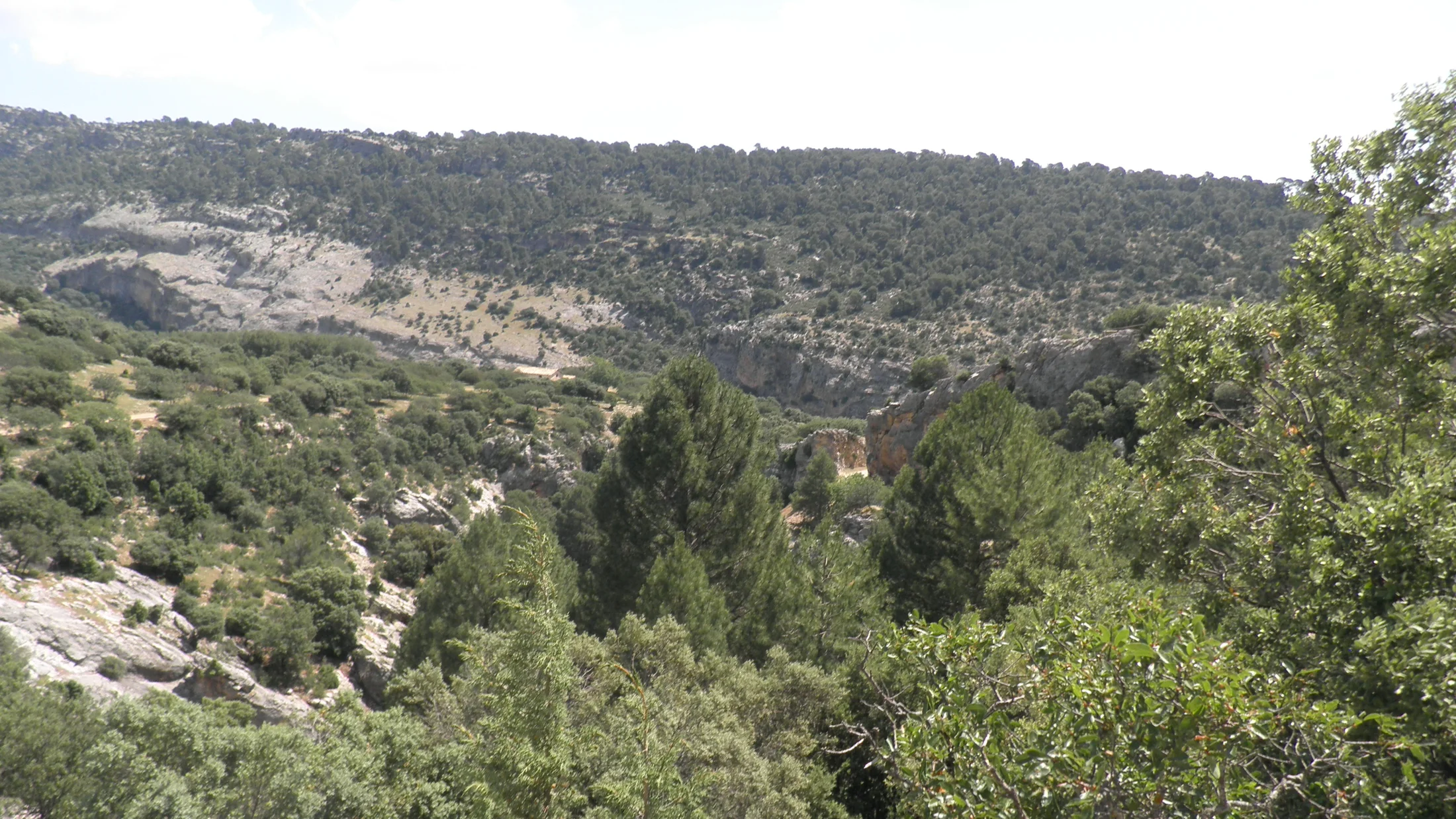
You want a compact escape with big nature payoffs. Sierra de Cazorla — officially the Sierras de Cazorla, Segura y Las Villas Natural Park — delivers Spain’s largest protected area, a UNESCO Biosphere Reserve since 1983, with limestone gorges, deep forests, and high plateaus. The scent of pine and juniper rides the breeze at the first bend in the road.
This landscape suits active families, nature photographers, and hikers chasing classic Cazorla hiking routes, from river walks to airy viewpoints. You can blend the celebrated Río Borosa gorge, deer at dawn, and sky-dark nights certified for stargazing in a single long weekend. You travel at your own pace, with short drives between highlights, village bases for food and rest, and wildlife that often appears right by the roadside.
If you dream of hearing deer in autumn’s rut and seeing the Milky Way blaze overhead, this range makes it happen without complex logistics. You will find rural accommodation in Cazorla’s villages, easy trailheads off the A-319, and helpful visitor centers for maps and updates.
What you will take from this guide
You will leave with a day-by-day Sierra de Cazorla 3-day itinerary, including timing, effort levels, and weather fallbacks. Cool river spray on wooden walkways lingers after the last photo.
You will know when to tackle the Rio Borosa hike, where to try deer watching in Cazorla, and how to plan stargazing in Cazorla under the Starlight designation. You will also get packing lists, safety notes, and where reservations or permits matter, plus the best village bases for your style of trip.
Picuco te puede ayudar
Does something here catch your eye?
Tell us.
Write to us on WhatsApp or email: we answer questions, find the best options and help you sort out the booking.
Essential Trip Information
Where it is and what to mark on your map
Set in northeast Jaén province, the park spreads southeast of Úbeda and about 2 hours from Jaén city by road. Hills fold into the Guadalquivir’s upper valleys, with the El Tranco reservoir glinting at the park’s heart. Late sun warms sandstone towers above the olive seas.
Key pins to save for a print map or GPS app: Cazorla and La Iruela (good bases), Arroyo Frío (closer to central trailheads), Hornos above El Tranco, the Guadalquivir spring at Cañada de las Fuentes, and the Río Borosa trailhead near the fish farm and Torre del Vinagre. For planning, label one layer “Sierra de Cazorla 3 days” with day-by-day stops and parking points.
When to go: seasons and weather
Spring (March–May) brings full waterfalls and flowers; it’s prime for the Borosa boardwalks before summer heat. Cool spray and birdsong echo in the gorge.
Summer (June–September) is hot in valleys; hike early or choose higher routes and swim spots by reservoirs, and save deep stargazing for late nights. Autumn (September–November) offers rutting deer, golden forests, and stable weather; mornings and evenings are best for wildlife. Winter can dust peaks with snow; low routes stay open most days, but short daylight and ice require caution. For stargazing Cazorla, target new-moon weeks with clear forecasts year-round.
How to get there: roads, public transport and parking
Most travelers drive via the A-316 to Úbeda and then the A-319 into the park; allow roughly 1 hour from Úbeda, 1 h 45 min from Jaén, 2 h 30 min from Granada, and 4–5 hours from Madrid. The engine hum fades and crickets take over near sunset lay-bys.
Regional buses link Jaén/Úbeda with Cazorla and La Iruela (limited daily services; schedules vary by season). For flexible dawn wildlife outings, renting a car is strongly advised; a 4x4 is not necessary for paved routes, but high clearance helps on rough side tracks that are open. For the Borosa start, arrive before 9:00 in summer weekends as parking fills; overflow means extra walking along the access road.
Parking and crowds
On peak dates, Río Borosa parking reaches capacity early and trails get busy from mid-morning. Start at first light or choose late afternoon shoulder hours outside summer.
Where to stay: villages, rural stays and camping
Choose a base that matches your rhythm: comfort and dining in Cazorla and La Iruela, trail proximity in Arroyo Frío, and sky-dark quiet above El Tranco in Hornos. The night breeze smells of firewood in stone lanes.
Book rural accommodation in Cazorla early for weekends, spring holidays, and autumn rut; campsites near river valleys open seasonally and are family-friendly. Use the table to decide:
| Base town | Drive to Río Borosa | What it suits |
|---|---|---|
| Cazorla | ~45–50 min | Culture + food, easy logistics for families |
| La Iruela | ~45–50 min | Quiet near Cazorla’s services |
| Arroyo Frío | ~20–25 min | Early trail starts, hikers and photographers |
| Hornos | ~60–70 min | Night skies, reservoir views, slower pace |
For variety, split nights: two near Cazorla/Arroyo Frío and one near Hornos for stargazing.
Permits, schedules and what to reserve
Access to the Río Borosa trail and Cerrada de Elías does not normally require a permit, but capacity controls or one-way flow can apply on busy dates. The cool tunnels above Aguas Negras demand a headlamp by design.
Check opening times for the Torre del Vinagre Visitor Centre and local interpretation centers, and note that some forest tracks are closed to private vehicles without authorization. Fire restrictions tighten in summer; drones need permits. Consult official updates from the Junta de Andalucía’s protected areas pages and local visitor centers a few days before you go, and reserve accommodation and guided night-sky activities in high season.
Three Days in Sierra De Cazorla: a Working Itinerary
1.Day 1: Arrival, easy walks and sunset viewpoints
Aim to arrive by late morning, check in, and stretch your legs on low-effort sights. Orange rooftops glow while swallows cut the air above Cazorla’s slopes.
Suggested flow (3–5 hours total, very easy):
- Cazorla old town wander and the Paseo del Río Cerezuelo (1–1.5 h, flat to gentle).
- Castillo de la Yedra museum for history and valley views (1 h).
- La Iruela’s hilltop castle and viewpoint (40 min, a few stair sections).
- Coffee or early dinner in Cazorla’s Plaza de Santa María.
For golden-hour photos, drive 15–25 minutes to high miradores near theA-319, such as above La Iruela or the Mirador de la Virgen del Carmen over the pine sea. Sunset light can be superb after hot days, with ridges stepping into haze.
Use the evening to prep the pack for senderismo Cazorla on Day 2: water, snacks, hat, sunblock, and a headlamp if you might extend. Set alarms for an early start to beat crowds.
Photo timing tip
On clear days, the last 30–45 minutes before sunset give soft light on Cazorla’s white walls and the olive mosaic around the town.
2.Day 2: The Río Borosa route — the star hike
The Rio Borosa hike is the park’s signature: gorge walkways, emerald pools, and optional high lakes. Spray drifts across wooden boards as the river chatters underfoot.
Trailhead: Río Borosa fish farm (piscifactoría), a short spur off the A-319 near Torre del Vinagre. Classic stages:
- Fish farm to Cerrada de Elías boardwalks (approx. 4–5 km one way, gentle; 1.5–2 h out-and-back if you turn here).
- Cerrada de Elías to the powerhouse and up to the Aguas Negras/Valdeazores lakes and tunnels (adds steep sections; total to lakes and back 20–22 km; 6–8 h; 700–900 m gain, depending on variant).
Effort and timing: Families often do 8–10 km round trip to Cerrada de Elías in 3–4 hours. Strong hikers push to the lakes for a big day. Wear grippy footwear, carry 2 L of water per person in summer, and pack a light layer for the shaded upper gorge.
Crowd strategy: Start at first light, walk straight to Cerrada de Elías, then enjoy the quieter downstream meanders on your return. In summer afternoons, consider an alternative shaded stream walk elsewhere if temperatures soar.
Variant options
- Short: Fish farm to Cerrada de Elías and back (8–10 km total).
- Big: Continue to Aguas Negras and Valdeazores lakes via tunnels; bring a headlamp and check for any closures.
3.Day 3: Deer at dawn and villages with character
Plan a pre-sunrise drive to dehesa clearings and reservoir edges where deer feed and move. Cool fog lifts in pale ribbons over grass and water.
Good areas include early stretches along the A-319 between Cazorla and Arroyo Frío, clearings above El Tranco around the Félix Rodríguez de la Fuente viewpoint, and side roads near Vadillo-Castril. Arrive 30–45 minutes before sunrise or from one hour before sunset, park safely, and watch quietly from a distance with binoculars. In the autumn rut (berrea), you may hear bellows across the valley.
Late morning, shift to culture: stroll Hornos’ stone lanes above the blue mirror of El Tranco, or return to Cazorla’s lesser-known alleys and small churches. The midday air smells of rosemary and wood smoke near traditional kitchens.
Eat local — game stews in season, olive-oil-rich migas, and river trout where farmed — then choose one final walk: a short forest loop near Arroyo Frío or the family-friendly sections of the Cerezuelo path. If clouds break, finish with an easy night-sky session from a dark pull-off or Hornos’ heights.
Standout Activities and Stargazing in Cazorla
Wildlife watching and good practice
Deer are the headliners, with Iberian ibex on cliffs and wild boar in forest edges; overhead you may see griffon vultures and, rarely, the reintroduced bearded vulture. Dry grass crackles softly under careful footing at dawn.
Best times are sunrise and sunset, especially in autumn and spring. Choose open meadows, reservoir margins, and ridge viewpoints, scanning with 8x–10x binoculars. Stay quiet, keep 50–100 m from animals, and never feed wildlife.
For photos: use a telephoto (200–400 mm), shoot from the car if possible to reduce disturbance, and avoid flash. Local guides run small-group outings focused on ethics and fieldcraft; in peak season, small-group experiences help you learn behavior and find animals without stress.
Viewpoints, waterfalls and heritage
Mix gorges, castles, and broad viewpoints to get a full read of the park. Sunlight glints off slate roofs while swifts circle stone keeps.
- Cerrada de Elías: curved boardwalks pinned to rock over jade water; allow 30–45 minutes just for photos.
- Castillo de la Yedra: museum plus terraces over Cazorla; 45–60 minutes.
- La Iruela castle: ruined walls, quick climb, big vistas; 30–40 minutes.
- Mirador de la Virgen del Carmen: layered ridges at sunset; 15–20 minutes stop.
- El Tranco viewpoints (including Félix Rodríguez de la Fuente): blue reservoir, deer habitat; 30–45 minutes.
- Guadalquivir spring (Cañada de las Fuentes): quiet picnic and origin story of Spain’s great river; 45–60 minutes.
Pack a lightweight tripod if you want silky-water shots at cascades.
Astrotourism and the Starlight Reserve
The park has Starlight accreditation, recognizing its dark, clean skies and community commitment to preserving them. The Milky Way arches like river foam across a black basin.
Top night spots include the high clearings near Cañada de las Fuentes, shore pull-outs above El Tranco, and Hornos’ castle heights with broad horizons. For astroturismo Cazorla, check a clear-sky app, choose a new-moon window, and bring a red-light headlamp to preserve night vision.
For photos, shoot wide (14–24 mm), open your lens (f/2–2.8), expose 10–20 seconds using the “500 rule” (500 divided by focal length), and set ISO 1600–3200; use a sturdy tripod. The Starlight Reserve Cazorla designation also means you’ll find local night-sky talks and small-group sessions; book ahead in holiday periods.
Practical Tips: Gear, Safety and Park Rules
What to pack and wear
Think layers: mornings can be cool even in warm months. A resin scent rises as you pull on a light fleece at trailheads.
- Footwear: grippy hiking shoes for Río Borosa’s mixed surfaces.
- Water and food: 2 L per person in warm months; salty snacks and fruit.
- Sun and weather: hat, sunglasses, high SPF, light rain shell in shoulder seasons.
- Essentials: small first-aid kit, map/app with offline tiles, power bank, headlamp.
- Extras for stargazing: red-light headlamp, warm jacket, hat and gloves in winter, tripod; for astrophotography, a wide lens and spare batteries.
Pack a daypack for senderismo Cazorla with quick-access pockets; add a thin towel and swimwear if you plan a post-hike reservoir dip.
Safety on the trail: difficulty, emergencies and guides
Most classic routes are well signed, but weather and fatigue change the equation. Pine shade cools the skin while steep zigzags warm the legs.
- Evaluate: check distance, elevation gain, and cut-off times; turn around if storms build.
- Hazards: slippery boards after rain, loose gravel on steep sections, summer heat in exposed valleys.
- Emergencies: call 112 in Spain; share your plan with your accommodation; carry basic first aid.
- Navigation: combine waymarkers with GPS tracks; download maps offline in case of no signal.
- Guides: consider local guides for wildlife ethics, night-sky interpretation, or technical routes to learn safely and see more with less impact.
Park rules and good behavior
Rules protect habitats and the people who live and work here. The evening air carries smoke from village chimneys, not from campfires in the woods.
- No fires outside designated areas; summers bring strict bans.
- No wild camping outside authorized zones; use campsites and lodgings.
- Keep dogs leashed near wildlife and grazing.
- Do not feed or chase animals; observe quietly from distance.
- Pack out all waste, including tissues and food scraps; avoid loud music.
- Drones require permits; respect no-fly notices and nesting seasons.
Fines can apply for fire risk, off-track driving, littering, and drone misuse; check the Junta de Andalucía’s park pages for current regulations and seasonal restrictions.
Frequently Asked Questions About a Three-day Visit
What is the difficulty of the Río Borosa route?
The route Río Borosa is moderate if you go to the upper lakes (20–22 km round trip, 700–900 m gain, 6–8 hours). Cool shade alternates with sun-warmed rock along the gorge.
To the Cerrada de Elías and back, it’s easy-moderate for most families (8–10 km, 3–4 hours). Wear grippy shoes, carry water and sun protection, and bring a headlamp if continuing through the tunnels. Turn around earlier if heat rises or kids tire.
When is the best time to see deer in Cazorla?
Autumn (September–October) is peak activity during the rut, with vocal males at dawn and dusk. Breath steams in the first chill light above meadows.
Spring also brings frequent sightings as herds feed in open areas. Aim for sunrise and the last hour before dark, scan meadows and reservoir edges, stay quiet, and keep distance. If wildlife lies low, switch to viewpoints or cultural visits and try again that evening.
Do I need a reservation for Cerrada de Elías or the Borosa trail?
Normally no permit is required for Cerrada de Elías or the broader Borosa trail. River echoes and footfalls set the pace instead of turnstiles.
On very busy dates, rangers may manage one-way flow or temporarily limit access to the boardwalks. Check updates at visitor centers like Torre del Vinagre or the Junta de Andalucía park pages before your hike, and arrive early to avoid queues.
Is Sierra de Cazorla suitable for children and families?
Yes, with route choices tailored to age and energy. Laughter bounces off the boards as kids cross the river on safe walkways.
Pick the fish farm–to–Cerrada de Elías section and turn back as needed; keep hands on rails at drop-offs, and supervise near water. Add easy village walks, reservoir picnics, and a short, early-evening stargazing stop for a balanced family day.
Book your experience — discover active nature experiences in Spain with Picuco-verified providers.
Plan Your Sierra De Cazorla Escape in Three Days
In one long weekend you can trace a river through limestone walls, watch deer in gold light, and stand under a sky stamped with stars. The scent of pine and cold water stays with you long after the drive home.
To make it smooth, pick a base that matches your style, mark day-by-day stops, and time the Rio Borosa hike for cool hours. Reserve rural accommodation Cazorla ahead of peak dates, pack layers and headlamps, and check park updates on access and fire risk. For stargazing, aim for a new-moon night near Hornos or Cañada de las Fuentes, and bring a red-light headlamp and warm layers.
Sierra de Cazorla rewards simple planning with rich days and quiet nights, whether you travel with kids, a camera, or a partner who loves long views. Share this guide with your trip companions, set alarms for dawn and dusk, and give yourselves three days to slow down with the forest and stars.