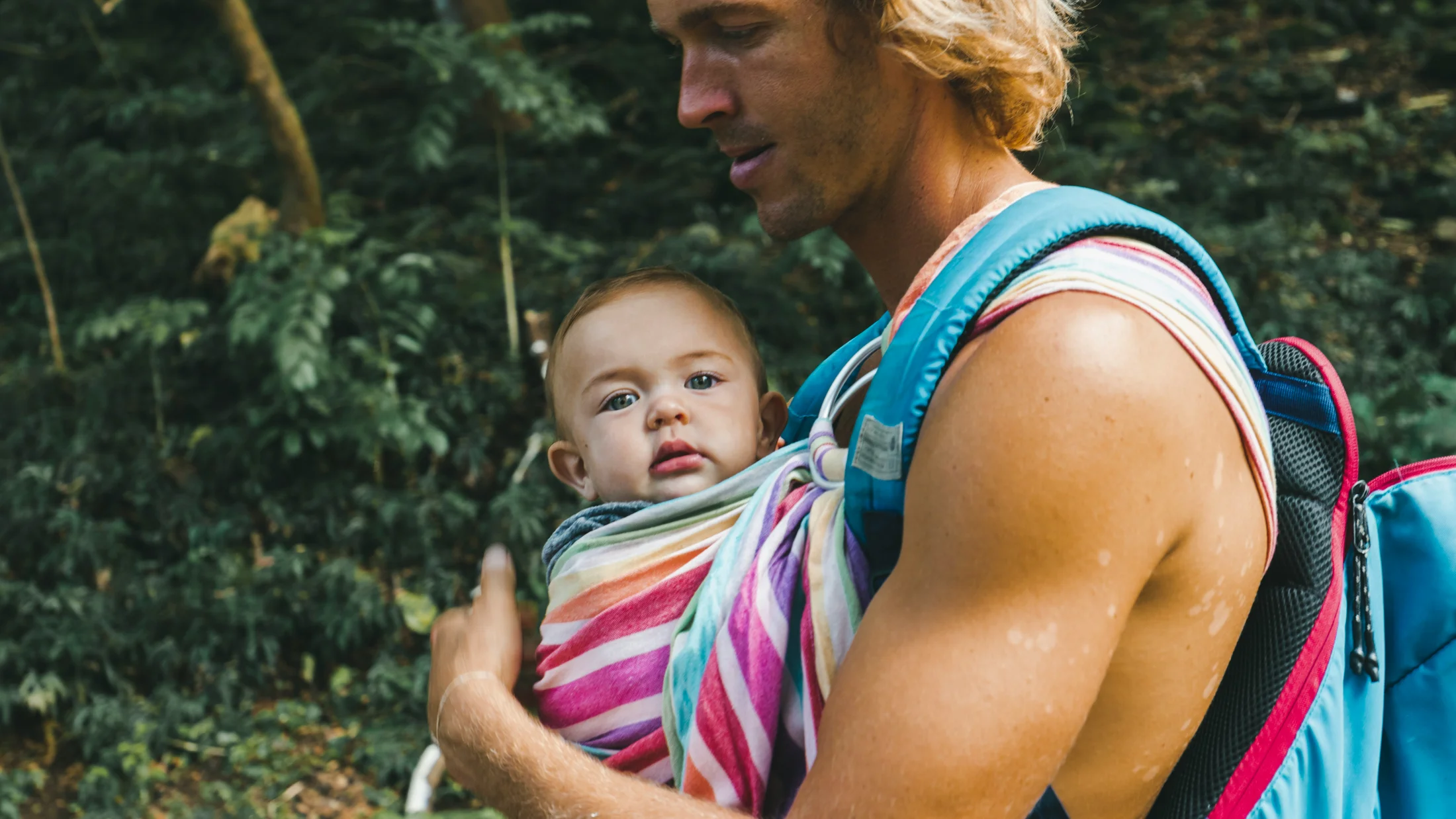
Why Nature Getaways With Babies Are Worth It
Stepping into the fresh air settles everyone’s shoulders, including your baby’s. Short baby-friendly nature getaways help families reset: natural light regulates infant sleep, gentle movement reduces parental stress, and quiet landscapes lower overstimulation. We focus on Spain, close-range escapes for babies 0–24 months, and no-pressure plans you can adapt to naps. Picture the soft hush of pines and a warm breeze across a shawl.
You’ll find exactly what new families need: practical criteria to choose destinations and rural baby-friendly accommodation in Spain, when to go by climate, and how to get there without drama. We also include seven proven Spanish destinations, each with a soft route, baby-suited lodging ideas, and when to visit. Think of this as your calm roadmap for travel with baby outdoors in Spain.
Expect concrete tools: checklists for safety and packing, ideas for easy stroller hikes Spain can offer in multiple regions, and sample weekend and 3–4 day plans. You’ll also get an FAQ with straightforward answers about health, timing, and sleep so you can move at your baby’s pace. Carry the image of dappled sunlight on a pram canopy to guide your choices.
Why getting outside with your baby helps
Gentle outdoor time eases family stress and supports your baby’s development. Natural daylight anchors circadian rhythms, which helps many infants fall asleep faster; short local strolls also calm fussiness by offering soothing motion. When you travel with baby outdoors Spain gives you a mix: shaded river paths, quiet beaches, and low-traffic valleys that fit 30–90 minute windows. Think of cool morning air brushing your cheeks.
Fresh air and varied textures—breeze, birdsong, leaf shade—offer sensory input without the noise of the city. Pediatric sources like the Asociación Española de Pediatría and the NHS recommend everyday outdoor time for babies, adapting exposure to temperature and sun. You can keep feeds, naps, and bedtime intact by centering short loops near your lodging. The aim is simple: small adventures, big calm.
What you’ll learn here
This guide gives you practical wins you can use this weekend. You’ll learn how to choose baby-friendly nature getaways by season and terrain, and how to match travel time to your infant’s tolerance. Imagine ticking boxes while the kettle warms a bottle.
You’ll get:
- How to pick destinations and rural baby-friendly accommodation Spain families actually use.
- When to go by climate, light, and bugs.
- How to reach places by car, train, or plane and move locally with a stroller or carrier.
- A packing list for what to pack baby nature trip without overloading.
- Seven proven destinations in Spain, each with an easy stroll and lodging notes.
- FAQs and a downloadable checklist to keep planning quick and calm.
Picuco te puede ayudar
Does something here catch your eye?
Tell us.
Write to us on WhatsApp or email: we answer questions, find the best options and help you sort out the booking.
The Essentials Before You Book
A little planning makes your first escape feel smooth, not heroic. Location, season, travel time, and easy exits matter more than big itineraries when you’re with a 0–24 month-old. Picture a shaded bench beside a quiet path, your baby dozing as you sip water.
Spain’s variety works in your favor. Coastal plains give flat promenades, mountain valleys offer crisp mornings, and inland wetlands deliver birdlife and boardwalks. Keep travel short, routes simple, and naps sacred, and your weekend can feel like a deep breath.
When and where to go with a baby
Timing makes a baby-friendly nature escape work. Aim for mild temperatures (around 15–24°C), gentle light, and low insect activity. Spring (April–June) and autumn (late September–November) are golden for most interiors and mountain valleys; early summer mornings and late afternoons work on the coast. Think of the soft warmth of a cardigan at dawn.
- Mountains (Picos, Gredos, Ordesa):
- Best: late May–June and September–October for stable weather and fewer crowds.
- Watch: cooler nights, quick weather shifts, altitude chills; pack layers and a warm hat.
- Coast (Delta del Ebro, La Palma beaches):
- Best: May–June and late September–October for moderate temps and calmer seas.
- Watch: midday sun, sand heat; favor morning/evening outings and shade tents.
- Interior valleys and wetlands (Somiedo meadows, marsh boardwalks):
- Best: April–June and October–November for birds, soft light, and fewer insects.
- Watch: mosquitoes near still water in summer; bring netting/repellent approved for infants.
For newborn phases (0–3 months), choose very short travel and lodging with kitchen access; for older infants (6–18 months), add short, flat loops with sensory stops. The aim is predictable naps and gentle play, not distance.
Getting there and moving around
Your transport choice sets the tone. With a baby, a “reasonable” one-way trip is often 1.5–3 hours by car with at least one stop every 60–90 minutes; many families keep first trips to 90–120 minutes. Imagine a quiet lay-by with dappled shade for a quick feed.
- Car (own or rental):
- Use a rear-facing seat meeting
ECE R129 (i-Size)orECE R44/04, installed per manual. - Pack a soft cooler, extra water, and a compact changing kit within reach.
- Plan safe pull-offs (service areas every 60–90 minutes).
- Use a rear-facing seat meeting
- Train:
- Renfe long-distance services have stroller space; book seats near aisle for easy movement.
- Board early, fold the stroller at the door if needed, and keep a sling handy for transfers.
- Plane:
- Direct flights reduce stress; time feeds for takeoff/landing to ease ear pressure.
- Request a bassinet on long-haul when available; arrive early for security.
- Local mobility:
- Choose destinations with easy stroller surfaces (boardwalks, river promenades).
- If trails include gravel or roots, use a robust stroller or combine with soft-structured carrier.
- Ask locals about “rutas fáciles con carrito” near town parks, greenways, and river paths.
Safety and on-the-ground logistics
A calm trip includes clear safety basics and exit plans. Save the Spanish emergency number 112, note the nearest centro de salud (health center), and check mobile coverage where you walk. The soft crunch of gravel under wheels signals stable footing.
Check these before you book:
- Medical and connectivity:
- Distance/time to the nearest health center or 24 h urgent care.
- Pediatric coverage hours; bring the European Health Insurance Card if applicable and your baby’s health card/vaccine record.
- Mobile signal at lodging and on main paths.
- Natural hazards:
- Water edges (rivers, irrigation channels), cliffs, rapid weather shifts.
- Shade availability for midday breaks; UV index.
- Access and exits:
- Road type (narrow mountain roads vs. fast A-roads), winter closures.
- Parking at or near lodging; surface from car to door (gravel, steps, slope).
- A simple fallback plan: an indoor play area, a town square loop, or a short drive home.
Quick questions to ask any lodging before you confirm:
- Is there a crib/cot available and included?
- Are there ground-floor rooms or ramp access suitable for a stroller?
- Is there a kitchenette or at least a kettle, microwave, and fridge?
- Where can we park, and how far is it from the door?
- What’s the nearest health center and pharmacy, and how long does it take to reach them?
Choosing Baby-suited Places to Stay
The right rural base turns small windows into easy wins. You want safe sleep, quick meal prep, smooth access, and a few smart extras. Picture the soft thud of a door that closes quietly while your baby naps.
Use simple criteria and verify details by message or phone. Ask for photos of ramps, cots, and kitchenettes, and confirm check-in flexibility. When in doubt, choose fewer stairs and more daylight.
1.Safe sleep: cribs, beds, and quiet rest
Sleep drives the whole trip. For an alojamiento baby friendly rural, confirm a proper travel crib (firm mattress, intact mesh, no gaps) or a standard cot that meets current safety norms. The scent of clean cotton sheets signals a good reset.
Ask the host:
- Type/brand of crib and mattress thickness.
- Fresh fitted sheet included, plus a spare.
- Space to place the crib away from window drafts and heaters.
- Option for a bedroom door that closes softly, or a layout with a separate sleeping area for the baby.
- Blackout blinds or heavy curtains to preserve early naps.
If cots are limited, bring a compact travel crib you trust. For room-sharing, consider a white-noise app and a dimmable night light. Confirm availability in writing before you travel.
2.Kitchen and food-prep comforts
Meals and feeds get easier with simple tools. A kitchenette lets you warm bottles, prepare purees, and wash up quickly between naps. Hear the hum of a kettle before the first feed.
Ask for:
- Microwave, kettle, small fridge with freezer compartment, and a clean sink.
- A pan, spatula, cutting board, and basic bowls/spoons.
- Highchair on request.
- Dish soap and a sponge for bottle parts.
No kitchen? Alternatives:
- Bring a travel kettle and insulated flask.
- Use a bottle warmer with car or wall plug.
- Buy ready-made purees and shelf-stable snacks; choose lodging near a supermarket.
- Plan picnics with cold items and stop at village bars that heat food if needed.
3.Access, ground floors, and stroller movement
Smooth access protects your energy. Ask about step-free entries, ground-floor units, or lifts, and the exact distance from parking to your door. The low roll of a stroller on smooth paving tells you everything.
Confirm:
- Ground-floor room/apartment or ramped access; door width for a standard stroller.
- Parking spot within 30–50 meters, ideally level ground.
- Path surface (paving vs. gravel) and any steps on the way.
- Dry space to leave a stroller near the entrance.
If access isn’t perfect, pack a carrier to bridge short stairs and choose light luggage. Clear arrival instructions prevent late-night surprises.
4.Small extras that make a big difference
A few add-ons turn “ok” into “easy.” Prioritize what matters for your baby’s age. The gentle whoosh of a warm radiator after bathtime is a comfort.
Valuable extras:
- Highchair, baby bath, changing mat, outlet covers on request.
- Washing machine and quick-dry rack for bibs and sleep sacks.
- Heating you control, or a fan in warmer months.
- Welcome kit (diapers size check, wipes, a couple of puree pouches).
- Flexible check-in/out within reason to align with naps.
- Quiet outdoor corner for fresh air close to your door.
Sort by age:
- 0–6 months: crib, blackout, kettle, calm room.
- 6–12 months: highchair, fridge/freezer, washing machine.
- 12–24 months: safe outdoor space, stair gates, bath access.
Seven Baby-friendly Escapes in Spain, Tested by Families
These places combine easy access, calm settings, and short, flat walks. Each offers a soft plan you can bend to naps and moods. Picture morning light on dew-bright grass as a stroller glides along.
We balance coast, mountains, and interior to spread options year-round. Drive times refer to nearest hubs; always check local conditions before you go.
1.Picos de Europa: valley strolls and rural stays
Why it works: Deep valleys cushion wind, and many lanes are gently graded. Pueblos offer rural houses with kitchens and space for a crib. Imagine the muted ring of cowbells drifting across a green slope.
When to go: May–June and September–October for mild temps and clearer skies; avoid peak August crowds on popular routes.
How to get there: From Oviedo or Santander, expect 1.5–2.5 hours by car depending on the valley. Roads are winding but well-maintained; stop every 60–90 minutes with a baby.
Where to stay: Look for ground-floor rural apartments with kitchenettes in valleys like Liébana or near Cangas de Onís; ask about parking close to the door and a crib.
Easy activity: Valley paths and river promenades near town edges offer 30–90 minute loops with partial shade. Choose short out-and-backs along signed tracks and pause at meadows with wide views.
2.Ordesa and Monte Perdido: accessible nature from key trailheads
Why it works: You can start on relatively flat sections near major trailheads and turn around early. Nearby towns (Torla, Broto) have family services. Hear a cool river rush beneath a wooden bridge.
When to go: Late May–June and late September–October to avoid peak shuttles and mid-summer heat. Spring flowers and autumn colors offer light, not sun glare.
How to get there: From Huesca or Zaragoza, plan 2–3.5 hours by car; follow signage for park access and shuttle schedules if operating.
Where to stay: Small hotels or apartments in Torla-Broto valley often provide cribs and breakfast flexibility; confirm elevator or ground-floor access.
Easy activity: Start from valley floors on wide tracks for 30–60 minutes, keeping well back from river edges and turning around before steeper sections. Early mornings are quietest and coolest for babies.
3.Somiedo Natural Park: calm valleys and charming rural stays
Why it works: Lower visitor numbers and pastoral valleys create a peaceful pace. Lodgings often include kitchen corners and friendly hosts. Picture the sweet scent of hay as swallows loop over stone roofs.
When to go: May–June and September for cool, steady weather and green meadows. Summer afternoons can be warm; aim for early walks.
How to get there: From Oviedo, around 1.5–2 hours by car via mountain roads; plan a mid-way stop for feeds.
Where to stay: Rural apartments or casas de aldea with ground-floor units; ask about a crib, blackout curtains, and a washing machine for bibs and onesies.
Easy activity: Gentle valley tracks and short lanes between hamlets; choose 30–60 minute strolls with shade breaks. Keep distance from livestock and close gates carefully in respect for local farmers.
4.Ebro Delta: quiet coast and birdlife on flat paths
Why it works: Boardwalks, rice-field roads, and calm coves offer long, flat horizons and easy stroller rolling. Hear soft waves lap against dark sand at low tide.
When to go: May–June and September–October for moderate temperatures and fewer mosquitoes; avoid midday heat in July–August.
How to get there: About 2 hours by car from Barcelona or 1.5 from Tarragona; trains serve nearby towns, then a short taxi to lodging.
Where to stay: Family apartments with kitchenettes in delta villages; confirm crib availability, mosquito screens, and parking near the door.
Easy activity: Birdwatching stops along signed viewpoints and short boardwalks; 20–45 minute sessions fit infant routines. Bring a light muslin for shade and enjoy beach edges at dawn or dusk.
5.Sierra de Grazalema: white villages and short shaded routes
Why it works: Villages provide services within minutes, and many short trails begin right at town edges. Imagine cool limestone shade as leaves rustle in a mountain breeze.
When to go: March–May and October–November for mild temps; in summer, walk early and choose north-facing paths. Winter can be crisp but clear.
How to get there: From Seville or Málaga, 1.5–2.5 hours by car; roads are curvy near passes, so plan a scenic break.
Where to stay: Rural apartments on village fringes with simple kitchens; ask for ground-floor access and parking close by.
Easy activity: 30–60 minute strolls on riverside promenades or waymarked short walks beginning at miradores or recreation areas; avoid steep cobbled lanes with basic strollers.
6.Sierra de Gredos: lagoon viewpoints and gentle ambles
Why it works: You can base in valley towns and take short, low-elevation walks to viewpoints, streams, and meadows. Hear water tinkling over smooth granite stones.
When to go: May–June and September–October; summers are warm at midday, cool at night. Shoulder seasons give crisp mornings ideal for naps on the go.
How to get there: From Madrid, 1.5–2.5 hours by car depending on the valley; highways are straightforward with service areas for breaks.
Where to stay: Rural hotels and apartments with cribs, kitchens, and parking; confirm ramped entries and a quiet corner for evening feeds.
Easy activity: Choose short out-and-backs from recreation areas to lookouts or stream banks (20–60 minutes); keep layers handy as temperatures shift with altitude and shade.
7.La Palma (canary Islands): diverse nature and family lodging
Why it works: Combine volcanic beaches, laurel forests, and starry nights with family apartments and calm promenades. Smell warm sea air mingling with pine resin at sunset.
When to go: October–May for mild temperatures; summer is also possible with early/late walks to avoid heat.
How to get there: Direct or one-stop flights from mainland hubs; flight time from Madrid/Barcelona is roughly 3 hours. For babies, time feeds to takeoff/landing and request front-row seats if traveling with a lap infant.
Where to stay: Self-catering apartments near promenades and coves; confirm crib, blackout curtains, and laundry access.
Easy activity: Short coastal promenades and shaded forest miradores; limit outings to 30–90 minutes, using a carrier where paths have steps. Car rentals have ISOFIX—reserve early and verify your car seat fit on arrival.
Easy Activities and Simple Itineraries
With babies, less is more: one anchor walk, one quiet pause, and early dinners. Mix paved promenades with soft forest lanes and finish near your lodging. Picture the hush of a nap as wheels hum on a boardwalk.
Keep days short, never racing the clock. When your baby rests well, the whole family wins.
Baby-suited activities families actually enjoy
Choose calm, flat, and close to home base. For traveling with baby in nature, small loops and sensory stops beat long slogs. The faint flap of a heron’s wings over a reed bed becomes the day’s highlight.
Ideas:
- Flat strolls on riverside promenades, park circuits, and coastal boardwalks (20–60 minutes).
- Birdwatching from shelters with shade; bring a soft muslin and a snack.
- Beach edges at dawn/dusk for gentle light and cooler sand; carry a shade tent.
- Short visits to interpretation centers (30–45 minutes) with nearby benches.
- Village circuits: plaza, bakery, small park, back to nap.
- Picnic pauses in signed recreation areas with tap water and bathrooms.
A simple rule: infants under 6 months often manage 60–90 minutes awake; older babies 90–150. Build your outing inside that window and return before the next feed or nap.
Suggested weekend plan (2 days)
Aim for a no-stress loop: arrive, settle, stroll, rest. Imagine the cozy clink of mugs as your baby dozes nearby.
Day 1:
- Morning: Travel 90–150 minutes with one stop for a feed and change.
- Early afternoon: Check in early if possible, set up the crib, prep bottles/purees.
- Late afternoon: 30–45 minute flat walk near lodging; early dinner; bedtime routine on time.
Day 2:
- Morning: Short loop (45–75 minutes) with shade, ending at a café for a relaxed feed.
- Midday: Return for a proper nap; slow lunch in your kitchen or nearby.
- Late afternoon: Village circuit or boardwalk stroll (20–30 minutes); pack up ahead of bedtime.
If the baby struggles outside, pivot to micro-outings: 10–15 minute loops around the block, balcony fresh air, and a drive at naptime on quiet roads, always with safe car seat use.
Suggested 3–4 day escape
A longer weekend lets you space naps and try one slightly longer outing. Think of soft morning light across a quiet square as shutters open.
Day 1:
- Travel and settle; short evening stroll (20–30 minutes) and early night.
Day 2:
- Morning: 60–90 minute flat path with shade and benches.
- Afternoon: Long nap at lodging; brief village walk at dusk.
Day 3:
- Morning: Alternate terrain (coastal boardwalk or meadow loop 45–75 minutes).
- Afternoon: Interpretation center or short scenic drive with a car-seat nap; very early dinner.
Day 4:
- Slow breakfast, pack in pulses, depart after the mid-morning nap to avoid overtired travel.
Keep a flexible anchor: one “must-do” outing total, not per day. Everything else is optional and can become a window-sill picnic if naps go sideways.
Practical Tips: Packing, Health, Food, Sleep, and Getting Around
Good prep keeps your bag light and your mind clear. Organize by category and weather, and keep must-haves within arm’s reach. Imagine the soft rustle of a well-packed tote under a shady tree.
Short trips reward lean lists. Refill local supplies and skip “just in case” doubles unless it’s medicine or a favorite sleep aid.
What to pack: the baby-escape essentials
Think function first. For what to pack baby nature trip, sort by weather and age. The feel of a clean muslin against your cheek signals you packed right.
- Clothing:
- 2–3 outfits/day (bodysuits, layers), light jacket, warm hat for mountains, sun hat for coast.
- Sleep sack appropriate to temperature; spare pajamas.
- Socks/booties; soft-soled shoes for older infants.
- Hygiene:
- Diapers for 1–2 days plus local top-ups; wipes; diaper cream.
- Changing mat; small trash bags; hand sanitizer.
- Baby sunscreen (6+ months; consult pediatric advice for younger).
- Feeding:
- Bottles, formula or pump gear, bibs, burp cloths.
- Snack container, spoon, puree pouches if weaning.
- Travel kettle/bottle warmer; compact cooler.
- Sleep and comfort:
- Travel crib if needed; blackout shades (portable) or clips.
- White-noise app; favorite blanket/soft toy.
- Out and about:
- Stroller with rain cover and sunshade; carrier/sling.
- Lightweight picnic mat; water bottles; small first-aid kit.
Health and the travel first-aid kit
Prepare, then relax. Keep the Spanish emergency number 112 and nearby health center details handy. A soft thermometer beep brings peace of mind.
Pack:
- Digital thermometer, saline solution and aspirator.
- Infant acetaminophen/paracetamol (dose by weight, confirm with your pediatrician).
- Diaper cream, hydrating lotion, and a mild antiseptic for scrapes.
- Adhesive strips, sterile gauze, and tape.
- Mosquito net for stroller; repellent appropriate for age and fabric barriers (muslins, long sleeves).
- Any prescribed meds, plus copies of prescriptions.
When to seek help:
- Fever in infants under 3 months, persistent high fever, dehydration signs, difficulty breathing.
- Visit the nearest centro de salud; carry your baby’s health card/vaccine record and EHIC if EU-based.
Feeding and breastfeeding on the move
Keep it easy and clean. Choose tools that work at home and travel with them. The quiet click of a warmed bottle cap says you’re ready.
- Bottles and formula: pre-measure powder, use boiled/cooled water in a flask, and clean parts with portable soap and a brush.
- Breastfeeding: bring a light cover if you prefer privacy, a water bottle for you, and a supportive scarf.
- Purees/solids: pre-pack pouches, soft fruit, and simple finger foods; ask cafés to warm a jar in hot water, not a microwave, if you prefer.
- No-kitchen solutions: travel kettle, thermos, and ready-to-feed portions; plan picnics near benches with shade.
Time feeds at natural breaks and keep one emergency snack within reach in the car, train, or plane.
Sleep and routines away from home
Protect the anchors: bedtime routine and nap cues. Recreate the familiar and keep timing flexible by 15–30 minutes. The dim hush behind a pulled curtain invites rest.
- Bring a familiar sleep sack and blanket; set the crib where it’s darkest and quietest.
- Run bedtime steps as at home: feed, story, song, down.
- For early wakes, add white noise, adjust room temperature, and consider a slightly later afternoon nap next day.
- Let one nap happen in the stroller or carrier if needed, but aim for at least one solid nap in the crib daily.
Moving with strollers, carriers, and on transport
Choose the right tool for the ground you’ll cover. Carriers handle steps and roots; strollers shine on boardwalks and village squares. Feel the steady rhythm of wheels on smooth path stones.
- Stroller vs. carrier:
- Stroller: best for flat promenades, shade canopies, and longer town loops.
- Carrier: best for short uneven trails, steps, and narrow lanes; watch heat and your own back.
- Car tips:
- Install seat correctly; stop every 60–90 minutes; never feed while driving.
- Keep a spare outfit and a changing kit accessible.
- Train/plane:
- Foldable stroller eases boarding; babywear through security; gate-check when allowed.
- Pack feeds and comfort items in your under-seat bag for quick reach.
Frequently Asked Questions
Clear answers remove the last doubts. Picture a quiet page saved on your phone while your baby naps on your chest.
At what age is it best to start traveling with a baby?
Start when you feel ready and your pediatrician agrees, matching trip length to your baby’s age and health. Many families try a short day trip after the first few weeks, then a one-night stay once feeding and weight gain are stable. By 2–3 months, babies often handle brief car rides with one or two stops; by 6–9 months, they may enjoy longer awake windows, making best nature escapes with infants easier. Keep vaccines current, protect from temperature extremes, and favor destinations with quick exits. Newborns do best with super-short journeys and quiet lodging; older infants can try short flat walks and a simple boardwalk at dawn or dusk.
How long is a reasonable travel time with a baby?
For first trips, 90–120 minutes one way by car is a calm target, with a stop every 60–90 minutes. Trains can stretch that slightly because you can move, feed, and change on board. Planes work best with direct routes and careful timing of feeds for takeoff/landing. Watch your baby’s cues: yawns, rubbing eyes, or rising fussiness mean shorten the outing; calm alertness and easy naps can let you add 15–30 minutes. For viajar con bebé naturaleza, keep the main activity close to lodging—flat boardwalks or riverside paths—so you can be “home” fast for naps.
What should I do if my baby gets sick during the getaway?
Stay calm and seek professional advice. In Spain, dial 112 for emergencies, or go to the nearest centro de salud for non-urgent care; pharmacies can advise on fever reducers and hydration. Keep your baby hydrated, dress lightly with a fever, and limit outings to quiet indoor rest. If symptoms escalate—persistent high fever, vomiting with dehydration signs, breathing difficulty—return home or head to urgent care. Carry your baby’s health card, vaccine record, and any prescriptions. Official health portals of your autonomous community list 24 h centers and on-duty pharmacies; save addresses offline before you go.
How do we manage sleep and naps away from home?
Recreate your bedtime routine and guard nap windows as your day’s anchor. Set up the crib with a familiar sleep sack and comfort item, dim the room, and run your usual wind-down. If naps wobble, offer one contact nap in a carrier or stroller, then protect the next nap in the crib. Use white noise to buffer new sounds and adjust bedtime by 15–30 minutes if the day ran long. On transport days, plan a car-seat or train nap safely, then reset routines on arrival with an early night. One stable nap daily often keeps everything else afloat.
Can I confidently book a rural baby-friendly stay?
Yes—ask precise questions and verify with recent photos and reviews. For an alojamiento baby friendly rural, request details on the crib type and sheets, blackout options, heating/cooling you control, and step-free access. Ask distance from parking to the door, whether there’s a kitchen or at least kettle/microwave/fridge, and the nearest health center’s travel time. Check flexible check-in/out to align with naps and cancellation terms that let you pivot if your baby falls ill. Scan reviews for mentions of families, noise at night, and real crib photos. Confirm everything in writing before you pay.
Book your experience — discover outdoor activities in Spain with providers verified by Picuco.
Final checklist and what comes next
You now have the essentials to plan calm, baby-friendly nature getaways without guesswork. Keep it simple: short travel, mild weather, safe sleep, and easy exits. Before you book, run a quick checklist: crib and blackout confirmed, access with stroller, kitchen or kettle/microwave/fridge, parking near door, nearest health center, flexible arrival, and one flat walk nearby. Pack lean, protect naps, and let the landscape do the work. Download the printable checklist (packing, safety, questions for hosts) and share this guide with a friend who needs a gentle first escape. Reserve early for spring and autumn weekends to secure the most baby-suited stays and the calmest routes.