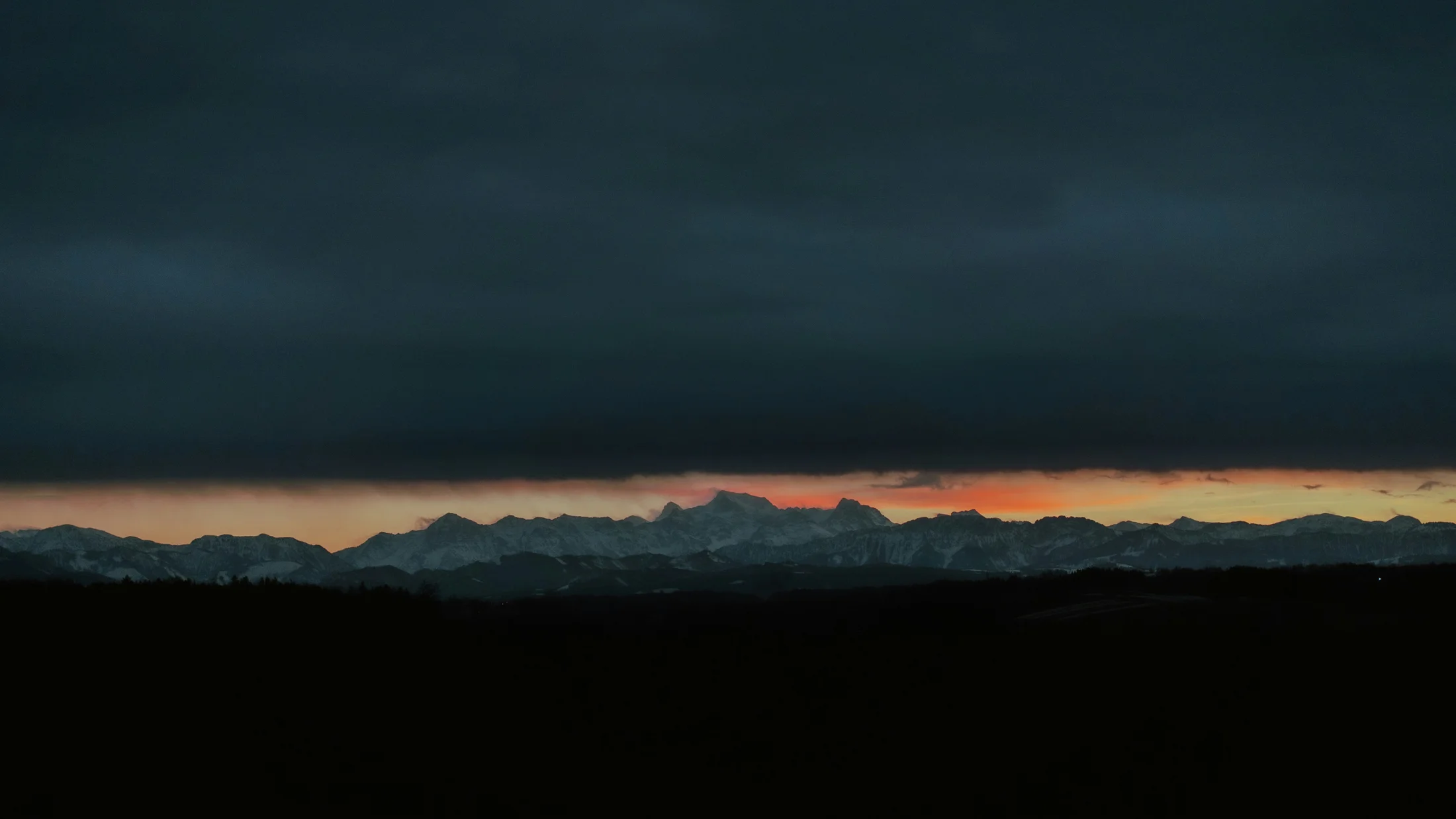
Why travel in pursuit of sunsets in Spain
In Spain, the light changes the landscape in minutes, and that is enough to organise an entire trip around the sunset. The country brings together mountains, coasts and wetlands in a mosaic of reliefs, climates and cultures, with sunsets that are different almost every day of the year.
This guide brings together 10 sunsets across the peninsula and the archipelagos so that you can choose a destination, know when to go, how to get there and how to photograph them. You will find practical information on access, best times, permits in protected areas and nearby activities for couples, families and groups.
As the sun sets, the air smells of thyme in the mountains and of salt in the harbours. Plan with plenty of time and travel light, respecting the places and the local communities. If you have several days, link nearby destinations and opt for slow travel.
Context: climate, relief and colours that change with the map
Spain brings together latitudes, seas and mountains, and from that mixture, very different sunsets emerge depending on the area. On the coast, humidity and marine aerosols scatter the light and tint the sky in pinks and oranges. In the mountains, the cleaner air increases clarity and the palette turns to deep blues and intense reds.
In wetlands and salt pans, the mirror of the water doubles the spectacle. Twilight hours are longer in the north during summer and shorter in the south during winter. On days of haze, frequent in the Canary Islands and the southeast, the tones saturate towards amber; haze is the presence in the atmosphere of very small particles of dust, ash, clay or sand in suspension, which the sirocco wind can transport over long distances.
The Mediterranean coast offers transparent winters and the Atlantic adds drama with travelling clouds.
Viewpoints are part of the trip, not just the end of a day. If you are looking for altitude, look at Teide, the highest peak in Spain at 3,715 m altitude.
What you take away from this guide
Ten sunsets spread between mountains, coasts and wetlands, with everything necessary to choose one and arrive on time. The guide is designed so that you go from the idea to the plan in a single reading.
Choose between 1 and 3 destinations depending on your time and the landscape you fancy. For each environment, you will find the ideal months and hours, and how to get there by car, train, funicular, cable car or via short walking routes.
There are also ideas to complete the day: hiking, birdwatching, boat trips and local dinners. In Photography you have the technical part sorted, with exposure, filters, composition and apps for sun, tides and weather.
Before setting off, check safety and permits: what to verify in parks, restricted roads and beaches with tides. The guide goes from "Essential information" to "10 sunsets" and "Activities", and closes with "Photography tips" and "FAQs" if you need detail.
You leave with a clear plan and return with photos that tell stories.
Picuco te puede ayudar
Does something here catch your eye?
Tell us.
Write to us on WhatsApp or email: we answer questions, find the best options and help you sort out the booking.
The essentials before searching for the horizon
The golden light lasts less than you imagine. Therefore, before choosing a location, it is advisable to plan four things common to almost any destination: how to get there, when to go, where to sleep and how to return safely after twilight.
Calculate the return time before it gets dark. Returning in the dark requires a cool head: anticipating the way back avoids problems when there is no longer any light.
When the sun goes down, the air cools and the landscape smells different, as if the countryside were exhaling.
How to get there: transport and access
Reaching a good sunset starts with calculating your departure time correctly. At the most well-known viewpoints, park in designated areas and arrive 60-90 minutes before sunset: you will avoid the crowds and walk without rushing along local roads.
By train or bus, regular services will leave you at the foot of a funicular or a promenade in urban bays like San Sebastián. Add up the transfers and leave a margin for civil twilight, which lasts 20-30 min after sunset.
On islands like Tenerife or Mallorca, combine your flight with a car or bus. The Teide cable car or the buses to Cap de Formentor will save you time and stress on narrow roads.
Many viewpoints are 10-30 min away via hiking trails. Check the marked PR (short distance) trails or local tracks on official tourism and protected area websites.
Before setting off, check for updates on times and closures on AEMET, in National Parks and regional parks (permits and access) and in town halls (works and events). In the mountains, also check Civil Protection warnings.
The crunch of gravel under your boots will tell you that you have arrived on time.
Best time and schedules
The golden hour starts 45-60 min before sunset, and civil twilight lasts 20-30 min after sunset. That margin decides whether you arrive on time or watch the sky fade away along the way.
In the mountains, autumn and winter provide clear atmospheres and intense skies. In summer, twilight is longer, but there may be haze and afternoon storms. On the coast, winter brings crisp air and less mist; spring and autumn add high clouds that paint complex skies, and summer arrives with long days and more people. In the wetlands, autumn-winter concentrates migratory birds, while spring brings greenery and vibrant reflections.
Marine aerosols, suspended dust, and high clouds (cirrus) intensify reds and magentas; clear and dry skies offer contrasts and silhouettes. A line of high clouds can be the brush that ignites the canvas.
Check the calendar before booking: in June, it gets dark later in the north and in December, much earlier. Calculate your arrival time at the viewpoint with that 45-60 min margin and bring a layer of clothing for the wait.
Accommodation, permits and safety
Sleeping near the horizon changes the plan: you return without rushing and without a car in the early hours. Choose your accommodation according to the terrain and book in advance during bank holidays and summer.
In the mountains, there are rural houses, mountain hotels and staffed refuges near the viewpoints. On the coast, there are fisherman's hostels, agrotourism and small hotels facing the sea. In wetlands, there are rural accommodations in nearby villages and country houses with access to observatories. Look for accommodation 20-30 min from the viewpoint so you can return without rushing.
Some restricted roads, such as Formentor, may require prior booking: always check official channels. From 15 May to 18 October 2026, there are restrictions for private vehicles (including rental cars, motorcycles and trucks), with a daily closure from 10:00 to 22:00. The section between the Port de Pollença roundabout and Formentor Beach has limited access during the restriction hours, subject to the availability of spaces in the official car park, which has a maximum capacity of 300 vehicles and usually fills up quickly. The section from Formentor Beach to the Formentor Lighthouse is closed to all private traffic, with exceptions; cyclists and hikers can access it without a permit. Driving in restricted areas without a permit during the established hours carries fines between 100 and 200 euros.
Carry a headlamp or torch, warm clothing even in summer, water, and save energy for the return journey. Avoid cliff edges, respect fences and do not venture into marshland mudflats; leave word of your plan if you are going alone. The click of your headlamp when turning it on will be your best ally on the way back.
10 horizons that deserve your trip
Ten sunsets spread across all of Spain, between mountains, the coast and wetlands. Each has its own light and its own rhythm, and all ten justify the trip.
When the sun is already grazing, the murmur of the people drops as if the whole neighbourhood were holding its breath.
At each horizon, you will find details on access, season and photography to plan your visit. This way you can choose the one that best fits your dates and the time you have.
1. San Nicolás Viewpoint (Granada): the Alhambra bathed in gold
In the Albaicín of Granada, the Alhambra stands out against Sierra Nevada from the San Nicolás Viewpoint square. It is one of the most recognisable postcards of the city.
At sunset, the Nasrid filigree and the snowy peaks gain depth with the low light. When guitars sound in the background, the profile of the towers seems to float.
Position yourself in the San Nicolás Viewpoint square, with the Alhambra in front of you. Arrive 60 min before sunset to secure a spot.
Walk up from Plaza Nueva in 20-30 min on an uphill path through the Albaicín, or take the urban neighbourhood minibus. Avoid using a car in the narrow streets.
Autumn and winter bring clear skies and early snow; spring brings flowering and variable skies. To photograph, a short telephoto lens (70-200 mm) brings the Alhambra closer without distortion and a wide-angle lens captures the atmosphere; with an exposure of -0,3 to -1 EV you won't blow out the golden reflections.
The Albaicín is a living neighbourhood: lower your volume, look after your belongings and support local commerce with a tapa after twilight.
2. Teide Peak (Tenerife): twilight from the volcanic summit
At 3,715 m, Teide offers a high-altitude twilight over a sea of clouds that, on days of thermal inversion, looks like a still ocean. The pyramidal shadow of the volcano projected over the Atlantic is the final wink if the air is clear. The wind smells of old lava and pine.
- Safe alternative: high viewpoints like La Rambleta, at 3,555 m and just 163 m from the volcano summit.
- Weather: cold and windy even in summer; bring a thermal layer, thin gloves and a headlamp. Check the AEMET forecast and possible closures due to ice or strong gusts.
- Best time: winter-spring for very clear skies; summer adds occasional haze. Arrive with time to acclimatise and do not underestimate the altitude.
- Photography: soft graduated filters, low tripod for stability against the wind and warm white balance (5,500-6,000 K) to preserve tones. The triangular shadow of the mountain stretches like a blue arrow into nothingness.
3. Cabo de Gata (Almería): desert sunset over the Mediterranean
The volcanic and semi-desert landscape of Cabo de Gata creates a clean sunset with sharp edges, featuring black rocks and clear coves that frame the sun. The contrast between basaltic ridges and the Mediterranean adds a minimalist aesthetic. Salt and esparto scent the wind.
- Access: narrow local roads and short tracks; in summer, there is entry regulation by quota at some beaches, with shuttle buses. Arrive early and park in permitted areas.
- Best time: winter-spring due to less haze and fewer crowds; at the end of summer, calima can colour the sky in amber.
- Activities: combine with snorkelling in protected coves (clear waters due to rocky bottoms) or simple coastal paths.
- Photography: play with silhouettes of islets and diagonal lines of cliffs; manual exposure to avoid blowing out the sea's highlights. The sun falls like an incandescent coin behind the dark spires.
4. Playa de las Catedrales (Galicia): arches and shadows at sunset
In Ribadeo, Playa de las Catedrales is a sandy beach of stone arches. With the low light of sunset, tunnels of shadow and brightness multiply, and the landscape changes with the tide and the waves. For this reason, it is advisable to plan your visit.
To walk among the arches you must go at low tide: check the tide tables before setting off. During Holy Week and from 1 July to 30 September, you must book; tickets and guided tours are free.
The spring and autumn equinoxes provide side lighting and dynamic seas. Winter is wilder and with fewer people. The wet sand reflects the sky like a broken mirror between columns.
If you are going to photograph, bring a wide-angle lens to frame full arches, a tripod for long exposures and soft ND filters to give a silk effect to the surf. Watch the waves, keep your distance from the cliffs and avoid getting trapped by the rising tide. In harsh conditions, photograph from the upper cliff.
There is marked parking and walkways. Respect the signage and the cordoned-off areas.
5. Fito Viewpoint (Asturias): views over the Cantabrian coast
From the Fito Viewpoint, you can see the Picos de Europa to the south and the Cantabrian Sea to the north in a 360° panorama. The valleys channel the sunset light, and the mix of mountain and sea creates layers of blues and greens.
You arrive via the AS-260 road, 11 km from Arriondas and Colunga. In the area, Asturcón horses live, an indigenous breed with more than 2,000 years of history.
For dinner, you have bars and restaurants in the nearby villages, and a cider house dinner after sunset supports the local economy. Overnight stays are not authorised within the municipal boundaries, except in a specific campsite.
If you are going with a camera, bring a medium telephoto to compress the layers of mountains, and use the polariser carefully to avoid creating uneven skies.
6. Covadonga Lakes (Picos de Europa): reflections in mountain lakes
Enol and Ercina lakes turn golden and violet at sunset over the limestone of the Picos de Europa. If the wind dies down, the water doubles the peaks and clouds.
In a private car, you can only go up via the CO-4 road, with traffic regulation during Holy Week and summer. Shuttle buses depart from Cangas de Onís and there are base car parks.
The shuttle bus operates from 5 April to 30 September, with the first service at 8:00 and the last ascent at 17:45 and the last descent at 20:50. From 1 October to 8 December, the first service is at 8:00, the last ascent is at 16:00 and the last descent is at 19:05.
Bus prices are €9.00 for adults, €3.50 for children aged 4-11 and free for children under 3; the single trip from Cangas - Covadonga (Sanctuary) costs €1.55. Car parks have a flat rate of €3 per vehicle per day.
September and October are the best time, due to clear skies and less crowding. In winter it may close due to snow or ice, and in August it is advisable to avoid the middle of the day.
Around Ercina, there are marked paths and nearby viewpoints. Step on firm peat edges and do not step on the sensitive vegetation.
To photograph, wait 10-15 min after sunset for cool tones in the reflections. Use a tripod and shoot in bracketing due to the high dynamic range.
High-altitude livestock farming maintains the landscape: close the gates and do not feed the wildlife. In the National Park, animals must always be on a lead.
When the water becomes still, the mountain looks like an upside-down painting.
7. Doñana National Park (Huelva): wetlands and infinite skies
The Doñana marshes, with ponds, pike and channels, collect the sunset light and return it in warm bands. It is the place to watch the sunset over open wetlands, with the entire horizon ahead of you.
Greater flamingos and Eurasian spoonbills cross the sky and give scale to the horizon. At sunset, the pink silhouettes of the greater flamingos look like embers floating over the water.
Visits are made with official guided routes in authorised vehicles, or on foot through perimeter paths and observatories. Respect the integral reserve areas: the conservation of the wetland depends on it.
The observatories are located on the edges of marshes and lagoons, accessible from the visitor centres. Keep silent so as not to scare away the wildlife.
Choose the season according to what you want to see. In autumn-winter, the large concentrations of birds and thin layers of water arrive; in spring, breeding and flowering; summer is drier, but offers clear sunsets.
For photography, a 300 mm telephoto lens or more allows you to photograph the wildlife without disturbing it, and a wide-angle lens captures the mirror landscapes. With low ISO and a tripod, you preserve the colour of the sky.
Do not leave the paths: the marsh mud can be treacherous and stepping on it destroys vegetation.
7. Odiel Marshes (Huelva): birds, mud and warm tones
The Odiel estuary mixes fresh and salt water, salt pans and low islands that catch the glancing light. At sunset, the colours become saturated and bird activity is constant.
Enter the area from the Anastasio Serna Visitor Centre. Inside, you will find walkways and viewpoints scattered throughout the space, ideal for walking at dusk without losing sight of the horizon. Check the tides before going to achieve the best reflections.
The marked paths are easy and suitable for families. The still waters acquire a copper shine when the light fades.
For distant birds, bring 8x42 binoculars or a 60-80 mm telescope; if you want to photograph in the twilight, a lightweight monopod helps. Autumn and winter bring the migratory passage and soft light, spring brings lots of activity and summer brings less water with clear skies.
Outside the walkways there are deep mudflats: watch where you step and do not invade the dykes of the industrial salt pans.
9. Mount Igueldo (San Sebastián): bay and city panorama
From Mount Igueldo, at sunset, the side lighting and Atlantic clouds add volume to the view of the bay and the city.
Go up in the historic funicular from the Antiguo neighbourhood: 312 m in length and 151 m in elevation between Ondarreta and the amusement park. Check the funicular schedules for the return journey. Bicycles and scooters are not allowed on the funicular, baby strollers must be folded, and you have to climb about 50 stairs; it is not adapted for wheelchairs.
You can also arrive by road, with free parking during your visit. Access is paid per person and entry to the park requires a ticket, with the attractions being extra. Children under 7 years old pay €2.50 (return) on the funicular.
Choose days with high clouds after a front, from spring to autumn, or clear winters. Arrive with enough time to find a frame between railings and terraces.
The sun paints the sand as if it were a glowing crescent moon. After twilight, end the plan with a pintxos dinner in the centre, opting for local neighbourhood spots.
10. Cap de Formentor (Mallorca): cliffs and Mediterranean horizons
Cap de Formentor is in Mallorca, in Pollensa, and is accessed via the MA-2210 road. It is worth the trip for its horizons of rock and sea.
The air mixes Aleppo pine and open sea. To get there, you have a narrow and winding road with summer restrictions for private vehicles, including rental cars, motorcycles, and trucks, from 15 May to 18 October 2026, with a daily closure from 10:00 to 22:00. There are frequent shuttle buses from Port de Pollença.
The road from Formentor Beach to the Formentor Lighthouse is closed to all private traffic except for exceptions. Driving in restricted areas without a permit during the established hours is penalised with DGT fines between 100 and 200 euros. The parking at Formentor Beach has a maximum capacity of 300 vehicles and usually fills up quickly.
Spring and autumn are the best times due to less saturation and variable skies; in winter, the sky is crystal clear. In summer, arrive very early or use public transport.
The viewpoints at Es Colomer, Torre Albercutx, and the area around the lighthouse give you different views, always respecting the fences. Alternate altitudes to play with horizons and layers of cliffs. If you are going to take photos, use a long focal length to compress the rock planes and soft graduated filters to compensate for the bright sky.
Take extreme precaution on bends and in parking areas, and do not lean over unprotected ledges. Watch out for the wind at the edges.
What to do around sunset
Sunset can be the centre of the trip or the highlight of a full day. Choose activities according to the landscape in front of you and according to your own pace: you don't walk the same way in a mountain as in a wetland.
Before the light fades, the murmur of the countryside or the port sets the rhythm. Leave some time to arrive, sit down, and wait without rushing.
Mountain: routes, viewpoints and refuges
Los Lagos de Covadonga are in the Picos de Europa, and access may require prior booking. Leave yourself enough time to sit and observe, and bring a headlamp to return calmly.
Avoid exposed ridges for the return journey. The touch of the warm rock under your hand anchors you while the sky changes.
Combine the route with mountain refuges in Picos or with mountain rural houses to split your efforts. On weekends, book in advance.
At altitude, the temperature drops quickly after sunset. Pack a thermal layer, a hat and thin gloves even in July, and check the risk of afternoon storms and wind on the summits.
If you are going to take photos, work on composition through layers and the rule of thirds with summits and lakes. Wait for the deep blue 10-20 min after sunset.
Coast: beaches, boat trips and viewpoints
On the coast, the sunset is prolonged: first the light, then dinner. Choose the spot and the time well, and the plan will be perfect.
In sheltered bays and coves like San Sebastián or Mallorca, there are certified operators offering sunset boat trips. Confirm updated prices before booking.
The well-marked coastal paths of Cabo de Gata or Formentor allow for routes along cliffs with safe framing. Keep your distance from the edges and watch out for rockfalls.
You can finish with a seafood dinner in nearby towns. If you are travelling with children, choose beaches that are easy to access and have showers for a quick departure after sunset.
In the Cantabrian Sea and the Atlantic, it is advisable to check tides and warnings before heading out. In the Mediterranean, pay attention to the swell in rocky coves.
The breeze brings salt to your lips and the murmur of the sea seems to increase in volume with the light.
If you are going to take photos, try water silkiness with a soft ND filter and look for silhouettes of rocks. Centre the horizon only if you are looking for total symmetry; if not, compose with a foreground of rock or vegetation.
Wetlands: birdwatching and interpretive trails
As evening falls, the wetlands fill with flight: birds return to their roosts. Doñana and the Odiel Marshes, in Huelva, are good places to see birds, always from marked trails.
Excursions with local guides improve observations and reduce the impact on wildlife. Before heading out, look for panels and visitor centres: they explain the species, seasonality and the traditional management of the salt pans, which sustains the landscape you see.
The wind combs through the rush and turns them into an accordion of shadows.
For equipment, 8x42 or 10x42 binoculars provide a good balance between light and detail. If you are going with children, a lightweight 8x32 works well. For photography, bring a 300-500 mm telephoto lens and a monopod.
Arrive 60 minutes before sunset: this way you can study bird movements and prepare your frames. Do not use decoys, avoid direct torches on wildlife and keep silent. Stick to boardwalks and firm edges so as not to damage the vegetation or get stuck in mud.
Practical tips for photographing and enjoying the sunset
Arrive 60-90 min before sunset to study framing and note where the sun will set. Stay 15-30 min after: the blue hour offers subtle contrasts.
Before heading out, check the weather on AEMET or MeteoBlue, high cloud cover (cirrus, altocumulus) and wind direction. On the Atlantic coast, a front moving away at sunset leaves dramatic skies; in the mountains, thermal inversions can provide seas of clouds. Check the sun's position and the golden and blue hour with apps like PhotoPills or Sun Surveyor; on the coast, add tides and coefficients from official services.
With a smartphone, enable HDR, tap to expose for the sky and lock the exposure; use a mini tripod or prop up the phone for photos after sunset. With a mirrorless or DSLR camera, bring a wide-angle (14-24/16-35 mm) for landscapes and a medium telephoto (70-200 mm) to compress layers, using a stable tripod and a remote shutter or timer.
Filters help balance the scene: a soft gradient (0.3-0.9) for sky and ground, a moderate ND (3-6 stops) for silky water, and a polariser used carefully on wide-angle to avoid darkening the sky unevenly. For base settings, use manual or semi-automatic A/Av mode with exposure compensation of -0.3 to -1 EV, ISO 100-400 and apertures f/8-f/11. In high-contrast scenes, use bracketing of 3-5 shots at different EVs and combine them in post-processing, avoiding artificial halos. White balance in daylight or custom (5,500-6,000 K) provides warm tones; for deep blue, try 4,000-4,500 K.
In composition, introduce a foreground (rock, reed, handrail) to provide depth and take advantage of leading lines (paths, shorelines) and reflections in water or wet sand. For silhouettes, meter the light in the sky and leave the subjects in black (towers, pines, people). Using the rule of thirds, place the horizon on the upper third if the ground is of interest and on the lower third if the sky dominates; break it if the reflection requires symmetry.
Wear clothing in layers, a lightweight raincoat, a cap in summer and a thin blanket if you sit to observe; a thermos with a hot drink is useful in winter. For safety, carry a headlamp with spare batteries, an offline map, an extra battery and an empty memory card, and do not lean over cornices or enter fragile areas. Leave no trace, pick up other people's litter if it is safe to remove it, respect local wildlife and consume at local businesses.
Before starting the car, review this list: charged batteries and empty card, tripod, filters and microfibre cloth, warm or waterproof clothing and headlamp, water, snack and a bag for waste, sun, weather and tide apps checked, and a clear and communicated return route.
Frequently asked questions
When is the best time to see memorable sunsets in Spain?
In the mountains, autumn and winter provide cool air and haze-free skies with intense colours. Bring a coat and a headlamp for the return journey, because the light fades before you head down.
On the coast, winter wins on clarity and fewer crowds. Spring and autumn add high clouds that paint ochres and magentas, while summer brings long days with more calima and more people.
In wetlands, autumn and winter concentrate birds and sheets of water that reflect the sky. If you don't like crowds, avoid the peaks of August and watch the equinoxes of March and September for their lateral light.
In the Canary Islands, winter offers transparency and seas of clouds; in the Balearic Islands, the tramontana cleans the air after fronts. Check the forecast and the wind, arrive with time to spare, and remember that the best colour sometimes appears 10-20 minutes after sunset.
Do I need permits to access viewpoints or natural parks?
Yes, in some cases. National parks and protected areas may require permits for summits or integral reserves, such as the summit of Teide via the Telesforo Bravo path.
Scenic roads with a risk of saturation apply restrictions and temporary quotas, such as access to the Lakes of Covadonga during the season or to Cap de Formentor in summer. Fragile beaches also regulate capacity during high season, with sandy areas that require prior booking.
Before you go, check the website of the corresponding National or Natural Park, the portal of your autonomous community, and the town hall. Verify the schedules for cable cars, funiculars, and shuttle buses, and check the notices from Civil Protection.
In wetlands, use the observatories and designated paths: entering reserve areas or salt pan dykes without authorisation can lead to fines and damage ecosystems. If you see fences, signs, or quotas, respect them and plan ahead to avoid sanctions.
What photographic equipment is enough to capture a good sunset?
With a smartphone, you can already capture good sunsets. Activate HDR, set the exposure to the sky, and use a small tripod or prop up the phone to shoot steadily after dusk.
With a mirrorless or DSLR camera, a light kit is enough: a 16-35 mm wide-angle for landscapes and a 70-200 mm medium telephoto for the layers, on a stable tripod. A soft graduated filter helps to balance sky and ground, and a 3-6 stop ND gives you a silk effect on the water.
The base settings are ISO 100-400, f/8-f/11 and negative compensation of -0.3 to -1 EV, with bracketing if there is high contrast. If you don't carry filters, expose for the sky and recover the shadows in editing.
Bring extra batteries and spare cards, and protect the equipment with a lightweight waterproof cover: the cold and long exposures drain batteries. The best photo usually comes 10-15 minutes after the sun has disappeared.
How to plan transport and accommodation if you want to see several sunsets?
Chaining several sunsets works well if you group the viewpoints by geographical corridors and leave a margin between one and the next. This way, you won't be driving with the sun already low or arriving late for the last light.
These are the blocks that work, with approximate days:
- Central Cantabrian (Fito + Picos + Llanes coast): 3-4 days.
- South Atlantic (Doñana + Odiel + Huelva coast): 2-3 days.
- South-east Mediterranean (Cabo de Gata + Tabernas desert and coves): 3 days.
- North Balearics (Formentor + Tramuntana): 2-3 days.
- Canary Islands (Teide + north/south coast): 3-4 days.
Book accommodation 20-40 min from your viewpoints to return calmly. Better to choose rural houses and small locally-run hotels. On islands, combine your flight with a car or shuttle bus where restrictions exist. In destinations with quotas, book the permits before booking your hotels.
Travel slowly: 1 sunset per day and mornings without rush for markets, trails or museums. When travelling with family, alternate short days with beaches or parks. In coastal cities, use public transport so you don't have to park at dusk.
Is it safe to stay until dark in remote areas?
Yes, as long as you go prepared. Carry a headlamp or torch with spare batteries, warm clothing even if it is summer, and enough water. Before setting off, inform someone of your plan and your estimated return time.
In the mountains, avoid exposed ridges and loose scree on the return journey. Memorise landmarks during the day and download offline maps. On the coast, keep your distance from cliff edges, watch out for the undertow, and check the tides at beaches with tricky passages, such as coves with river mouths or natural tunnels. In wetlands, do not step off the boardwalks: you will avoid mud and respect the birds that gather at roosting sites.
Park in safe and well-signposted areas and carry your mobile phone charged with a power bank. If the weather changes (strong wind, fog), head down without hesitation. Arriving 60-90 minutes early reduces rushing and mistakes on the way back.
Book your experience — discover active tourism activities in Spain with providers verified by Picuco.
Conclusion: choose your horizon and go out to find the light
Spain brings together snowy peaks, cliffs and marshes that double the sky in a single sunset. That is why sunsets deserve a trip of their own.
Respect the local rules and rhythms, support those who live in and care for these places, and always return with enough light to get back safely.
Plan for 2-4 days, link nearby destinations and travel without rush: one sunset a day, a local dinner at the end, and a conversation with whoever recommends the next viewpoint. Share this guide with your travel companion and save your checklist to have everything ready for next time.