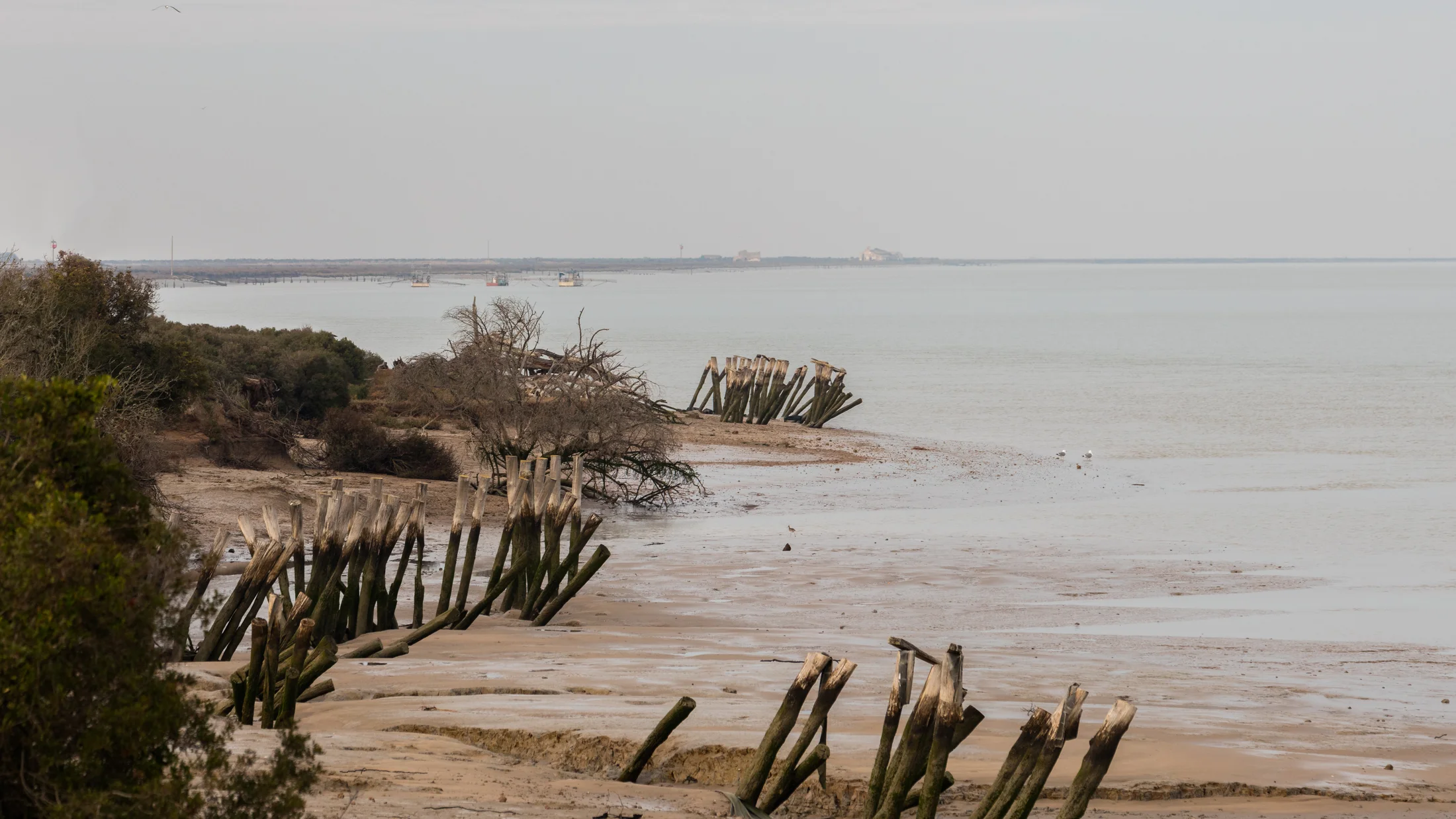
Why Spain’s Nature Will Surprise You
Spain nature facts are more surprising than most travelers expect, and they can change how you plan your trips. You’ll find alpine peaks, living dunes, subtropical forests, and Europe’s richest network of protected areas within a day’s travel. Picture a condor-sized shadow gliding over a beech forest as sea wind smells of salt and resin. You’ll learn where to go, when to go, and how to tread lightly, with concrete tips you can use this weekend or on your next big escape.
The big picture: climates, biomes, and protected spaces
Spain holds one of Europe’s highest levels of biodiversity thanks to its position between the Atlantic and Mediterranean, its mountains, islands, and a mosaic of habitats. According to MITECO (Spain’s environment ministry), the Natura 2000 network covers roughly 27% of the land and a growing share of marine waters, the largest in the EU. Imagine a map where snow, cork-oak woodlands, and volcanic cones sit like different panels in a bright quilt. Alpine, Mediterranean, Atlantic, and subtropical influences create distinct biomes in short distances, which means very different trips are possible in the same week.
What you’ll take away from this guide
By the end, you’ll know which landscapes to target—peaks, wetlands, dunes, laurel forests—and the best months for each. You’ll walk through 15 surprising facts Spain nature lovers should know, plus essentials on national parks, biodiversity, and respectful travel. Think of it as a field manual written for real trips: it points you toward specific valleys, beaches, ferries, and trails, and tells you how to go safely. Picture a folded map in your pocket, creased at the corners, with penciled notes on birds, tides, and bus times. Use it to choose destinations, time your visit for wildlife, and plan low-impact stays that benefit local communities.
Picuco te puede ayudar
Does something here catch your eye?
Tell us.
Write to us on WhatsApp or email: we answer questions, find the best options and help you sort out the booking.
Essential Ways to See Spain’s Nature: Where, When, How, and Where to Stay
Start by matching regions to your interests. The Atlantic north (Galicia, Asturias, Cantabria, Basque Country) runs green, cliffed, and cool, ideal for summer hiking and surf. The Mediterranean coast and Balearics combine calas, wetlands, and limestone sierras, peaking in spring and late autumn for mild walks and birding. As the breeze shifts, you’ll smell salt, sea fennel, and wet rock. Inland, the Meseta, Sistema Central, and Sierra Morena offer dehesas, gorges, and starry skies, while the south-east hides semi-desert badlands; the Canary Islands add volcanic cones, cloud forests, and winter-sun treks.
For timing, think ecosystem-first:
- High mountains (Pyrenees, Sierra Nevada): June–September for snow-free trails; March–May for waterfalls; winter only with alpine skills.
- Wetlands (Doñana, Ebro Delta, Tablas de Daimiel): March–May and August–November for peak migration; December–February for wintering ducks.
- Dunes and Atlantic coasts: May–September for stable weather; avoid storms and respect fenced areas in nesting seasons (spring).
- Canary Islands: year-round; spring for flowers and clear ridgelines, autumn for warm seas and fewer crowds.
Transport options connect easily:
- Trains: high-speed lines (Madrid–Seville/Málaga/Valencia/Barcelona) plus regional trains to gateway towns; buses reach trailheads and small ports.
- Planes and ferries: regular flights and sailings to the Canaries and Balearics; inter-island ferries link La Gomera, La Palma, El Hierro, and Tenerife.
- Car: often best for rural valleys and steppe zones; rent compact EVs where charging exists and always park in marked areas.
A thin line of dust lifts as your boots touch a farm track at dawn. For stays, mix:
- Campgrounds near parks (book in high season; wild camping is largely prohibited in national parks).
- Rural guesthouses and agritourism stays that support local producers.
- Lodges within or adjacent to reserves (for example, paradores by mountain parks and inside Teide National Park). Always confirm local rules on access, shuttles, and summit permits.
Keep visits responsible:
- Check official park pages for access quotas, seasonal road closures, and shuttle systems (e.g., Ordesa buses in summer).
- Teide summit requires a pre-booked permit; many wetlands limit access during breeding.
- Pack-in/pack-out, stay on signed trails, use refillable bottles, and follow fire bans (strict in summer).
Here’s a quick seasonal guide by region:
| Region/Ecosystem | Best months | Highlights | Notes |
|---|---|---|---|
| Atlantic North | May–September | Cliffs, beech forests, surf | Frequent showers; cool water |
| Mediterranean & Balearics | March–June, Sept–Nov | Calas, limestone sierras, wetlands | Heat and crowds July–August |
| Inland & Sierras | April–June, Sept–Oct | Dehesas, canyons, dark skies | Frost possible in spring/autumn |
| Canary Islands | Year-round; spring best | Volcanoes, laurisilva, whale watching | Trade winds cool summers |
Fifteen Surprising Facts About Spain’s Nature
1.Climate diversity runs from alpine to subtropical
Spain compresses a continent’s worth of climates into one country, and that reshapes everything you see and do. Pyrenean cirques freeze in winter while the Canaries sit in mild subtropical air, with the Meseta’s dry summers and Atlantic drizzle in between. Think of stepping from a snow-lit pass to a palm-lined shoreline in the time it takes to change playlists. This climate spread creates a patchwork of habitats—alpine pastures, beech woods, cork-oak dehesas, dunes, and laurel forests—making “Spain biodiversity” more than a phrase; it’s a daily reality on the ground.
Where to feel the contrast:
- Drive from Benasque (Pyrenees) to the Ebro Delta in a day to move from peaks to rice paddies and marismas.
- Fly to Tenerife and walk
GR-131across pine forest and lava cones under spring skies. - Cross the Basque coast’s sea-cliff trails, then inland to Rioja’s dry hills.
Why it matters: varied climates mean different safety gear and trip timing, and they explain why Spain hosts the EU’s largest Natura 2000 network (MITECO). For visitors, it multiplies trip options in any month; for conservation, it concentrates unique species that depend on careful management across very different weather regimes.
2.Microclimates and rock walls create pocket worlds
Small-scale weather quirks, or microclimates, are common where valleys, cliffs, and aspects (north vs. south-facing slopes) trap or deflect wind and sun. A sun-baked south slope can hold thyme and lizards while a shaded gully meters away grows ferns and moss. Picture your palm passing from cool shadow to warm lemon-scented air under a limestone arch. These “datos curiosos naturaleza España” are most visible in:
- The cliffs and coves of Mallorca’s Serra de Tramuntana, where one basin can bloom early while its neighbor stays cool.
- Tenerife’s Cañadas del Teide, where basalt flows and altitude shifts produce bands of vegetation like stripes.
- Navarra’s Bardenas Reales, where badland gullies shelter steppe plants from wind.
When to go: spring (March–May) and autumn (September–November) reveal these contrasts best, as temperature and moisture gradients sharpen. Why it surprises: on a short walk you can cross several habitat zones, which affects wildlife viewing and ethics—always avoid trampling fragile cushion plants and crusts. For planning, carry layers and assume the temperature can swing by 5–10°C between a ridge and a sheltered ravine in minutes.
3.Glaciers survive in the Pyrenees—barely
The Spanish Pyrenees still hold glacial remnants, but they’re in fast retreat due to warming trends documented by CSIC’s Instituto Pirenaico de Ecología. Since the 1980s, total ice area has dropped dramatically, and studies warn several glaciers may vanish mid-century. The air smells of cold stone where meltwater threads down polished slabs in July. See vestiges near:
- Maladeta–Aneto (Aneto 3,404 m), with views from
La Besurtaand theForau d’Aigualluts. - Monte Perdido–Gavarnie cirques (from the Ordesa valley to high lookouts).
- Vignemale/Marmoleras on the border crest (best viewed from French-side viewpoints but visible from Spanish approaches).
Why it matters: retreating ice changes river flow and alpine ecosystems, so visiting is both a privilege and a lesson on climate impacts. Practical tips:
- Choose signed trails and established viewpoints; never step on ice tongues or snow bridges without alpine training.
- Late June to September provides clear access on foot; spring is avalanche season.
- If you want a multi-day traverse, the
GR-11skirts several glacial basins with staffed refuges along the way—book early in summer.
4.Mobile dunes and beaches redraw the coast
Dunes are living landforms that shift with wind, tide, and vegetation, and Spain’s coasts hold outstanding examples. Marram grass and shrubs trap wind-blown sand, building ridges that migrate slowly inland or alongshore. As the breeze hisses, sand grains tick the rim of your boot like tiny bells. Highlights for “dunas España” and “marismas y dunas España”:
- Doñana’s moving dunes front the Atlantic, rolling over pine woods and burying then releasing them over time.
- Bolonia dune (Cádiz) rises sharply above a bright bay, a textbook climb-and-slide sand ridge.
- Maspalomas dunes (Gran Canaria) form a desert-like field that meets the sea.
- Liencres (Cantabria) shows how Atlantic storms sculpt dune systems seasonally.
Why it matters: dunes buffer storms, shelter nesting birds, and connect to marshes (marismas) that filter water. Risks include trampling, off-trail erosion, and invasive plants. Visiting ethics:
- Use boardwalks and signed paths, avoid fenced areas, and never camp on dunes.
- Spring and early summer reveal flowers and nesting—observe at a distance with binoculars.
- After winter storms, you’ll see how beaches re-profile; local signage often explains short-term closures.
5.Marshes and wetlands are bird cities
Wetlands such as Doñana, the Ebro Delta, and Tablas de Daimiel act like junction stations for millions of birds moving between Europe and Africa. Shallows, reedbeds, and salt pans feed waders, herons, and raptors in dense seasonal pulses. Imagine a dawn chorus as mist lifts, each reed dripping like a metronome. Where to go:
- Doñana National Park (Andalusia): marismas host flamingos, spoonbills, and raptors; spring and autumn are peak.
- Ebro Delta (Catalonia): rice fields and lagoons bring glossy ibis, squacco herons, and terns; winter is great for ducks.
- Tablas de Daimiel (Castile–La Mancha): a rare inland wetland with grebes and harriers, best after rains.
Why it matters: wetlands are fragile; water diversions and droughts affect them quickly. Responsible visits:
- Stay on designated tracks and hides, and keep voices low.
- Best months: March–May and August–November; winter (December–February) for waterfowl concentrations.
- Carry a spotting scope to watch from distance; many reserves limit access during breeding for protection.
6.Singular forests: beech, cork-oak, and laurel
Spain’s forest palette is unusually broad, mixing Atlantic beech stands, Mediterranean cork-oak groves, and Canary laurel forests (laurisilva). Beech woods turn copper in autumn, cork-oaks yield bark for centuries, and laurisilva drinks cloud mist year-round. The forest air tastes faintly of humus and bay leaf after a light rain. Where and why:
- Hayedos (beech forests): Irati (Navarra) and Saja–Besaya (Cantabria) for cathedral-like canopies.
- Alcornocales (cork-oak): Los Alcornocales Natural Park (Cádiz–Málaga) with traditional cork harvests supporting rural livelihoods.
- Laurisilva: Garajonay National Park (La Gomera) and Anaga (Tenerife) preserve relic subtropical forest from the Tertiary era.
Why it matters: these forests store carbon, hold rare species, and anchor cultural economies (cork, mushrooming, pastoralism). Travel tip:
- Visit beech in late October–early November; cork-oak landscapes year-round; laurel forests any time, with cloudiest, greenest ambience in winter–spring.
- Stay on marked trails to protect delicate understories and avoid spreading invasive seeds on boots.
7.Endemic icons: lynx, ibex, and island lizards
“Endemic” means a species lives naturally only in one area, and Spain hosts many, from big mammals to tiny plants. The Iberian lynx has rebounded from the brink, with IUCN in 2024 downlisting it from Endangered after numbers rose above 1,000 mature individuals. A low growl of wind moves through cistus scrub as rabbits rustle—the lynx’s preferred prey. Where to learn and look:
- Sierra de Andújar (Jaén) and Montes de Toledo: guided dawn/dusk scans for lynx from public tracks.
- Spanish ibex (Capra pyrenaica): Sierras de Gredos and Grazalema; observe from distance, especially in rut (autumn).
- Canary endemics: giant lizards (Gallotia) on La Gomera and El Hierro; blue chaffinch (Tenerife Granatellus? Correction: blue chaffinch is Fringilla teydea) in Tenerife’s high pine forests.
Why it matters: endemic species define Spain’s natural identity and need habitat connectivity. Tips:
- Use certified guides for sensitive wildlife; never bait or playback calls.
- Bring binoculars and keep at least 100 m from carnivores; follow local codes.
- Check regional parks’ visitor centers for sightings and seasonal closures.
8.Migration flyways make Spain a birding superhighway
Squeezed between the Atlantic and Mediterranean and just 14 km from Africa at its narrowest point, Spain sits on major migration routes. Each spring and autumn, storks, raptors, and passerines pour across the Strait of Gibraltar and funnel along coasts and ridges. The sky can sound like wind when thousands of wings pass together. Where to watch:
- Strait of Gibraltar (Tarifa–Algeciras): late August–September for raptors riding thermals south.
- Doñana and Odiel marshes: mixed flocks and waders around equinoxes.
- Ebro Delta and Albufera (Valencia): passerines and waders; hides and boardwalks make family-friendly days.
Why it matters: this is “biodiversity España” in motion, and it depends on intact wetlands and ridge forests. Visitor advice:
- Bring a windproof layer; watch from official observatories to avoid disturbing roosts.
- Early mornings and pre-front days concentrate birds; check local migration counts for timing.
- Choose guides with Leave No Trace practices; they add ID skills and reduce disturbance.
9.National parks come with one-of-a-kind features
“Parques nacionales España” include 16 parks spanning mountains, marshes, volcanoes, and offshore waters, each protecting a signature ecosystem. Picos de Europa folds vertical limestone into gorges and high meadows; Doñana stitches dunes to marismas; Teide lifts a stratovolcano over cloud seas; Timanfaya preserves a raw lava field. The smell of warm pine and cooled basalt lingers at day’s end. When to go and what to expect:
- Picos de Europa: summer for high routes; shoulder seasons for quieter valleys; cable cars ease access.
- Doñana: spring/autumn for birds; access often guided or via external tracks—check seasonal water levels.
- Teide: year-round hikes; summit requires permit; winter nights glitter with stars at 2,000+ m.
- Timanfaya: bus/controlled routes protect fragile lava; guided walks reveal geology and hardy lichens.
Why it matters: each park is a reference site for its habitat. Book ahead for permits, follow marked paths, and consider ranger-led walks to deepen understanding and reduce impact.
10.Volcanoes shape life, especially in the Canaries
Volcanoes built the Canary Islands, and eruptions continue to shape landscapes and soils, as the 2021 Cumbre Vieja eruption on La Palma reminded the world. Pumice, ash, and basalt create young, nutrient-poor grounds that specialized plants and insects colonize. The ground feels warm under strong sun as pine resin scents the air. Where to explore:
- Teide National Park (Tenerife):
Montaña BlancatoPico del Teide(permit for summit) and rim trails across pumice. - Timanfaya and the “Montañas del Fuego” (Lanzarote): controlled visits show spatter cones and aa/lava tubes.
- La Palma’s
Ruta de los Volcanes(GR-131segment): classic ridge walk; check post-eruption closures.
Mainland volcanic windows:
- La Garrotxa Volcanic Zone (Catalonia): beech forests in old craters, like
CroscatandSanta Margarida. - Campo de Calatrava (Castile–La Mancha): maar lakes and cones dot cereal fields.
Why it matters: volcanic soils influence endemic flora and agriculture (bananas, vines on Lanzarote’s lapilli). Safety first: respect closures, wear grippy shoes on loose scoria, and carry water—shade is scarce.
11.Underwater biodiversity thrives in seagrass and deep channels
The Mediterranean’s Posidonia oceanica meadows are underwater forests—nurseries that stabilize sand, clean water, and shelter fish. Research has documented ancient, clonal meadows near Ibiza–Formentera, possibly tens of thousands of years old (Arnaud-Haond et al., 2012). Your snorkel fills with the clean, iodine tang of the sea as silver schools pulse over the grass. Where to see and learn:
- Balearics: marine reserves like Es Freus (Ibiza–Formentera) and Cabrera National Park offer clear-water glimpses; anchoring on Posidonia is restricted.
- Canary Islands: deep channels host pilot whales and dolphins off Tenerife and La Gomera; sperm whales roam offshore.
- Strait of Gibraltar: bottlenose and common dolphins year-round; orcas occasionally in summer track tuna runs.
Why it matters: anchors and pollution can scar seagrass; approach cetaceans with licensed operators who follow distance/speed rules. Visitor notes:
- Choose snorkeling/kayak tours that brief on Posidonia and anchoring codes; ask about waste and fuel practices.
- Best sea conditions: late spring–early autumn for warm water in the Med; winter–spring for clear Atlantic days.
12.High-mountain life bends to cold and wind
Above treeline, plants hunker low, grow tiny leaves, and flower quickly in short summers; animals change coats or shelter from wind. In Sierra Nevada, endemics like the starry Plantago nivalis speckle late snows; in the Pyrenees, chamois (isard) and alpine accentors ride ridgelines. The light feels thinner as your breath crisps in the throat. Where to appreciate:
- Sierra Nevada:
Veletaapproaches andLagunas de la Calderain July–August reveal cushion plants; stay on stone-lined paths. - Pyrenees:
Aigüestortes i Estany de Sant Mauricishows classic alpine lakes, withGR-11day segments. - Picos de Europa:
Ruta del Caresslices a gorge under tall walls—spectacular but exposed.
Why it matters: these ecosystems are climate-sensitive; late snows and hotter summers shift flowering and water supplies. Safety and ethics:
- Start early, carry layers and sun protection, and monitor storms; afternoon lightning is common.
- Avoid stepping on cushion plants and cryptobiotic soils; shoes off gravel kill decades-old growth.
- Consult refuges and park bulletins about snow and bridge conditions.
13.Working landscapes can boost biodiversity
Spain’s dehesa—oak-studded pasture-woodland managed for grazing, acorns, and cork—is a prime example of “humanized” landscapes that still hold rich wildlife. Rotational use and patchwork habitats support birds of prey, cranes, and orchids. The morning smells faintly of acorn mash and damp grass by a stone wall. Where to see:
- Extremadura’s dehesas (Monfragüe surroundings, Sierra de San Pedro) host Spanish imperial eagles and black storks.
- Rice paddies in the Ebro Delta and Doñana can act as seasonal wetlands for herons and ibises.
- Traditional terraces in the Alpujarras and Tramuntana harbor lizards, toads, and pollinators.
Why it matters: done well, mosaic farming sustains species and rural economies; done poorly, intensification or abandonment erodes both. Visitor tips:
- Choose agritourism stays and local food producers; your euros reward stewards of these habitats.
- Stay on paths through private land; close gates and follow posted signs.
- Quiet observation from field edges reduces disturbance during sensitive seasons.
14.Comebacks are real: lynx, bearded vulture, and bears
Conservation projects have delivered notable wins. Besides the Iberian lynx rebound (IUCN 2024), bearded vultures (quebrantahuesos) have returned to Andalusian mountains via releases, and Cantabrian brown bears have increased to several hundred individuals (reported by Fundación Oso Pardo, 2023). A vast wing beats overhead with the papery whisper of a kite. Where to learn more and witness responsibly:
- Sierra de Cazorla–Segura: bearded vulture sightings from marked viewpoints; carrion feeding points are managed by authorities.
- Western Cantabrian ranges (Somiedo, Alto Sil): bear signs and spring–autumn chances from long-range lookouts; never approach.
- Sierra Morena and Montes de Toledo: lynx watch routes with guides who know family territories.
Why it matters: these successes hinge on habitat, prey base, and reduced persecution. Your role:
- Keep distances: 200–500 m for large carnivores; use scopes.
- Support local NGOs via visitor centers and choose operators who follow strict viewing codes.
- Follow road speeds; collisions threaten recovering populations.
15.Spain has deserts and semi-desert steppes
South-east Spain and parts of the Ebro valley are dry enough to look like the Wild West or Moroccan hamada. Tabernas Desert (Almería) sits under minimal rain, while Navarra’s Bardenas Reales erodes into hoodoos and badlands. Dust rises like smoke behind a sheep flock stepping through thyme. Where to feel the aridity:
- Tabernas: canyons and film sets sit alongside protected zones; visit dawn/late afternoon to avoid heat.
- Bardenas Reales: signed loop routes traverse moonscapes; spring brings brief blooms.
- Steppe plains (Belchite, Lleida): specialized birds like sandgrouse and Dupont’s lark require quiet, distance, and early hours.
Why it matters: arid zones host unique wildlife and show how water and land use shape biodiversity. Safety and etiquette:
- Carry extra water, sun gear, and let someone know your route.
- Stay off fragile crusts and avoid nesting areas in spring.
- Respect closures after heavy rain; clay tracks become impassable and damage easily.
Landscapes and Habitats You Should Not Miss
Mountains and peaks define Spain’s skyline and give quick access to wild spaces. The Pyrenees carve glacial bowls and knife ridges; Picos de Europa stack limestone into deep canyons; Sierra Nevada rises above 3,000 m with easy road access to high viewpoints. The air cools suddenly when a cloud shadows a ridge and bells from sheep drift up faintly. Quick tips:
- Use
GR-11segments in the Pyrenees for manageable day-hikes between refuges. - Ride the Fuente Dé cable car in Picos for instant high country.
- Start Sierra Nevada hikes early; summer storms and sun exposure are real.
Coasts and dunes are living edges where waves, wind, and plants choreograph change. Atlantic cliffs house seabirds, while Cantabrian beaches back into beech and oak forests; Mediterranean coves alternate with wetlands that double as bird magnets. The surf’s rumble comes and goes like breath as gulls wheel. Quick tips:
- Respect fenced dune zones; nesting and anti-erosion measures are delicate.
- In the Ebro Delta, use hides and cycle paths to watch quietly.
- Swim in signed areas only; rips and sudden shelves can lurk near headlands.
Islands and volcanoes (Canaries and Balearics) compress drama into compact spaces. In the Canaries you can climb from sands to 2,000 m pine forests in an hour’s drive and then sweep across lunar cones; the Balearics fold karst sierras into blue coves and seagrass meadows. The scent flips from salt to pine resin with a single hairpin turn. Quick tips:
- In Tenerife, hike Teide’s mid-level circuits if you lack a summit permit; sunrise and sunset glow on pumice fields.
- On La Gomera, Garajonay’s laurisilva feels like a cool green tunnel; tread gently on muddy roots.
- In the Balearics, avoid anchoring on Posidonia oceanica; pick mooring fields and ask skippers about seagrass charts.
Forests and singular habitats nurture Spain’s wildlife and rural cultures. Beech stands hush summer heat, cork-oaks thread livelihoods into old trees, and laurel forests turn cloud into greenery. On a still day, a jay’s rasp cuts through damp leaf smell. Quick tips:
- Visit Irati in shoulder seasons to avoid peak traffic; parking quotas apply.
- Time Los Alcornocales after light rain for mushrooms and mossy boulders.
- In Anaga and Garajonay, bring a light rain shell; cloud belts are part of the magic.
Wetlands and marshes are essential stopovers and nurseries. Doñana’s marismas flood and dry with season, the Ebro Delta’s rice cycles create pulse wetlands, and Tablas de Daimiel relies on groundwater and rainfall. The soft slap of a heron’s landing barely breaks the quiet. Quick tips:
- Spring and autumn are migration peaks; winter concentrates ducks and geese.
- Use optics to keep distance; a scope reveals behavior without disturbance.
- Heed boardwalk rules and seasonal closures set by park managers.
Spain’s Biodiversity: Endemics, Threats, and How to Find Them
Spain’s biological wealth stems from varied climates, complex geology, island isolation, and a land-bridge position between continents. That mix produces high species counts and many endemics—especially in the Canary Islands, Balearics, and mountain ranges. A single meadow can hum with bees, hold orchids under oaks, and echo with a kite’s whistle. Indicators:
- Flora: Spain hosts a large share of Europe’s plant species, with hotspots in Mediterranean mountains and islands (MITECO data sets highlight endemism).
- Fauna: endemics include the Iberian lynx, Iberian desman (a semi-aquatic mammal in fast streams), Spanish ibex, and several island lizards and birds (e.g., Tenerife blue chaffinch Fringilla teydea).
Threats concentrate in three buckets:
- Habitat loss/fragmentation: urbanization, infrastructure, and intensive agriculture simplify mosaics that species need.
- Climate change: alters snowpack, stream flow, wildfire regimes, and flowering times; alpine and wetland specialists are at risk.
- Invasives/pollution: exotic plants and animals outcompete natives; plastics, pesticides, and eutrophication degrade waters.
Conservation responses blend protected networks—national parks, natural parks, and the EU’s Natura 2000 sites—with species programs and land stewardship. A sweet, smoky note rises from a cork harvest where people and woods still work together. Practical ways to meet endemics and help:
- Where to look:
- Sierra de Andújar/Montes de Toledo for lynx (with guides, dawn/dusk vantage points).
- Tenerife high pines for the blue chaffinch; La Gomera for laurisilva endemics.
- Sierra Nevada above 2,500 m for high-alpine flora; tread carefully.
- How to minimize impacts:
- Keep to signed trails; stepping off-track crushes rare plants and opens erosion scars.
- Clean boots and gear between regions to prevent invasive seed spread.
- Choose eco-certified accommodations and operators; ask about their waste and wildlife codes.
If you like fieldwork-style detail, use citizen-science apps to log non-sensitive observations (never share exact locations of nests or rare orchids). The soft click of a GPS waypoint can feel like a promise kept to the place. And remember: the most valuable sighting is the one you leave undisturbed for the next visitor.
Unmissable Protected Areas, Ways to Explore, and Low-impact Tips
Target a compact list first, then branch out:
- Picos de Europa National Park: limestone towers, shepherd culture, and high meadows; base in Potes or Cangas de Onís.
- Doñana National Park: dunes, marismas, and raptors; best in spring/autumn, often via guided access or edge routes.
- Teide National Park: Tenerife’s crown, with starry nights and layered lava; summit permit required.
- Timanfaya National Park: protected lava fields and volcanic cones; access via park routes to protect fragile crusts.
- Aigüestortes i Estany de Sant Maurici National Park: lakes and granite peaks; valley buses reduce traffic in high season.
- Cabrera Archipelago Maritime-Terrestrial National Park: pristine Balearic isles; boat access regulated—book early.
Recommended activities:
- Walking: day hikes on
GR/PRtrails; hut-to-hut options in the Pyrenees (GR-11) and volcanic traverses in the Canaries (GR-131). - Wildlife viewing: bird hides in Ebro Delta and Doñana; long-range scopes for bears and raptors in Cantabria and Asturias.
- Water: sea-kayak along protected coasts (Cabo de Gata, Menorca’s north); guided snorkeling over Posidonia meadows.
- Interpretive tours: geology walks in Timanfaya, laurisilva ecology in Garajonay, cork harvest visits in Los Alcornocales.
Low-impact logistics:
- Check official park pages for shuttle systems, road quotas, and closures.
- Reserve permits early (Teide summit, some canyon descents, seasonal access roads).
- Start early to avoid crowds and storms; carry out all waste; respect quiet zones in breeding seasons.
The late sun paints ridgelines bronze as swifts stitch the sky above your trail. If you want a curated selection of operators, search for experiences with clear conservation commitments and small-group caps.
Faqs and How to Plan With Confidence
Do I need permits to enter or camp in protected areas?
Most national parks in Spain allow free entry on signed trails but restrict vehicle access, summit zones, and sensitive habitats through permits or quotas. Teide’s summit, for example, requires an advance permit even if you ride the cable car. The smell of warm pine at a trailhead mixes with the paper rustle of your printed reservation. Backcountry camping is generally prohibited in national parks and many natural parks; high-mountain bivouacs (a minimalist overnight) may be allowed above certain altitudes and hours under strict rules—always confirm specifics.
Where to check:
- Official park websites (Organismo Autónomo de Parques Nacionales for national parks, regional environment portals for natural parks).
- Visitor centers and municipal tourism offices for shuttle schedules and road quotas.
- Seasonal notices for wildlife closures (e.g., nesting cliff bans, wetland breeding zones).
How to avoid fines:
- Park only in signed lots; respect shuttle-only roads.
- Carry ID and digital/printed permits; cell coverage can be patchy.
- If in doubt, ask rangers or visitor centers before heading out; regulations change with fire risk and seasons.
What safety precautions should I take in mountains, coasts, and islands?
Safety starts with planning, weather checks, and the right kit for the terrain. Mountains demand layers, sun protection, enough water, a headlamp, and a map/GPS; coasts require tide and swell awareness; islands add altitude and sun with limited shade. Your fingertips feel the day cool as wind pushes cloud onto a ridge. Tips:
- Mountains: start early, monitor storms, know turn-around times, and log your route with someone at home. In winter, carry crampons/axe only if trained.
- Coasts: check tides and local flags; avoid cliff edges in wind; rips and sudden drop-offs occur near headlands.
- Islands: altitude and sun combine—carry extra water and a hat; wind can chill quickly above clouds.
Emergencies:
- Dial 112 for rescue across Spain; carry a charged phone and consider offline maps.
- Stick to signed trails; shortcuts create hazards and erosion.
- For wildlife: keep distance from large mammals; never approach young animals; watch for processionary caterpillars in pine areas (irritating hairs).
When is the best time to visit each ecosystem?
Match your trip to rhythms of weather and wildlife. Spring and autumn are generally best for comfortable temperatures and migration, but each habitat has a peak. The first call of a cuckoo can feel like a green flag over a valley. By ecosystem:
- Mountains: June–September for snow-free trails; spring for waterfalls and flowers; winter for skilled alpinists only.
- Wetlands: March–May and August–November for peak bird numbers; winter for ducks and geese; summer heat can reduce water.
- Coasts and dunes: late spring to early autumn for stable weather; avoid fenced nesting areas in spring.
- Islands: Canaries are year-round; spring is floral and cool under trade winds, autumn has warm seas; Balearics shine in May–June and September–October.
By activity:
- Birding: migration peaks around equinoxes; check local counts.
- Hiking: shoulder seasons reduce heat; carry more water in July–August.
- Diving/snorkeling: Med warms by late June; Atlantic clarity varies with swell—winter–spring can be crystal on calm days.
How can I travel and stay in ways that respect the environment?
Choose transport and lodging that lower impact and support communities. Trains and shared transfers reduce emissions; rural guesthouses, eco-lodges, and authorized campgrounds spread benefits locally. The earthy scent of a woodstove and fresh bread anchors an evening far from highways. Practical choices:
- Transport: combine high-speed trains with local buses/taxis; rent EVs where charging exists; car-share for remote valleys.
- Lodging: look for energy/water-saving measures, waste sorting, and local-sourcing; ask hosts about trail access and wildlife etiquette.
- Operators: prefer small groups, certified nature guides, and companies that publish wildlife-viewing codes and donate to conservation.
On the ground:
- Refill bottles, avoid single-use plastics, and pack out all waste.
- Stay on trails and respect private land signs.
- Support local markets and seasonal produce; you’ll taste the landscape and back its caretakers.
Book your experience — discover active nature activities across Spain with providers verified by Picuco.
Conclusion
Spain’s natural world is richer and more varied than many imagine, from Pyrenean ice to Canary lava, from laurel forests to sunlit marismas. In a day you can cross climates, hear different bird choruses, and meet landscapes shaped by wind, water, fire, and the people who work them. The last light on a ridge turns granite honey-gold as swifts stitch evening into the sky. Take the essentials with you—timing, permits, trail sense—and choose responsible operators and lodgings that honor both nature and community. Ready to turn these insights into a plan? Pick a park, mark the best month, check access on official pages, and build your trip step by step; when you’re set, you’ll find curated experiences and practical logistics with Picuco so your escape is as respectful as it is memorable.