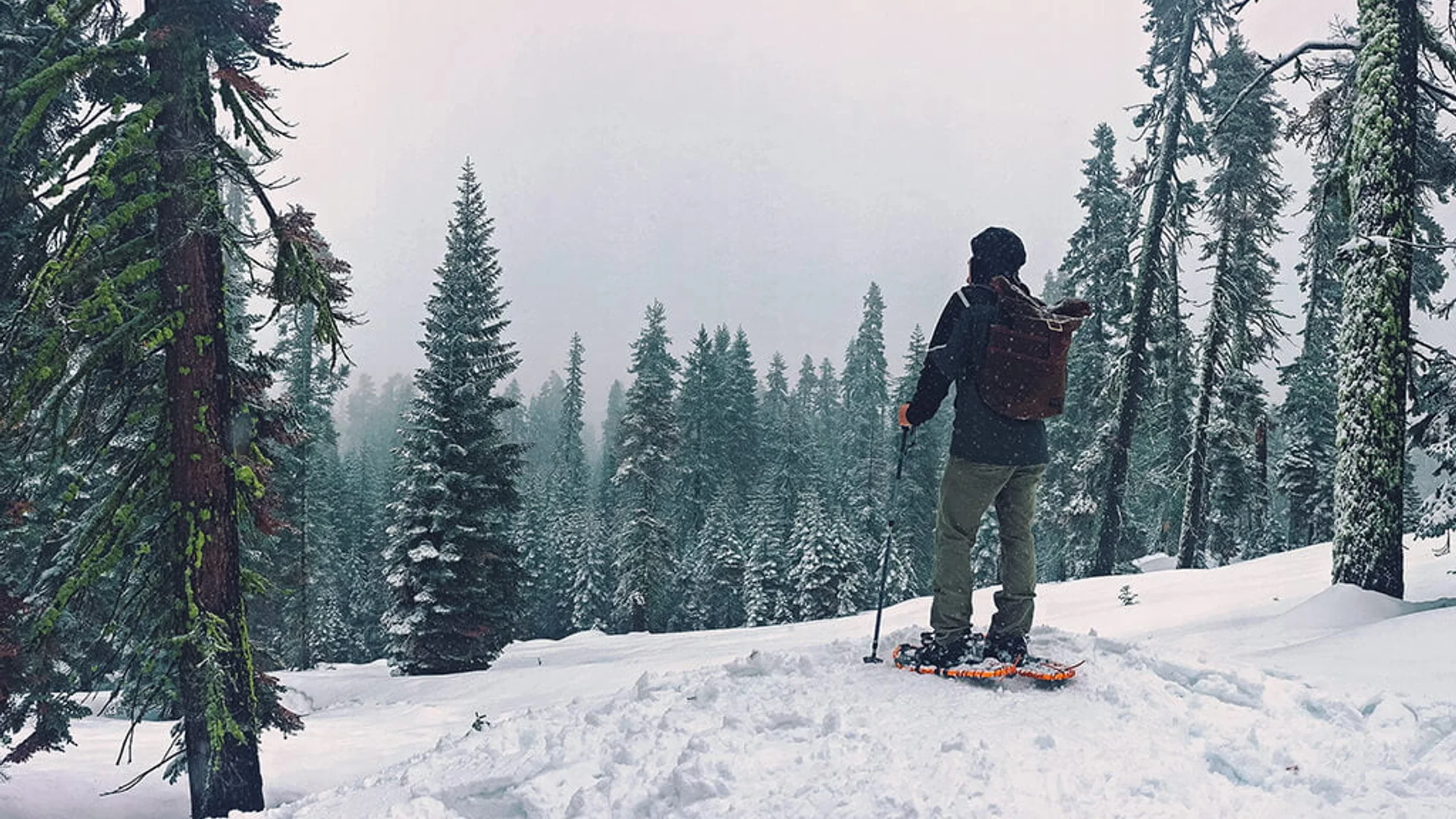
Why Choose Winter Outdoors When There’s No Snow?
Winter outdoor activities without snow open up quiet trails, bright coastal paths, and starlit nights without the rush of ski resorts. You still get crisp air, steady light, and calm landscapes, just without the logistics of lifts and ice axes. In this guide, you’ll find 12 accessible ideas across Spain that work well from December to March.
We focus on experiences you can plan independently or with local providers, keeping costs reasonable and safety front and center. You’ll see where each activity shines, who it suits best, and a simple one‑day plan to get you moving. Think of it as a season to sharpen your senses and slow your pace.
- Scope:
- Activities feasible in cold climates without relying on snow or ski infrastructure.
- Locations primarily across Spain, with examples you can adapt locally.
- Selection criteria:
- Accessibility: reachable trailheads and towns, many with public transport.
- Safety: low to moderate risk options with clear precautions.
- Cost: free to medium budgets; rentals or guided options noted.
- Seasonality: genuinely better or uniquely appealing in winter.
- Skill range: from family‑friendly to sporty variants.
- Environmental impact: low‑impact habits and protected‑area awareness.
Use this article to pick 1–2 plans for the next weekend, then build from there. The list details: location examples, approximate budget (free/low/medium), best time of winter, ideal audience, a one‑day plan, and safety or variants. We also include a map concept to visualize options, practical tips to choose well, and FAQs for quick answers. A soft sun warms a stone wall as your breath hangs briefly in the still air. When you’re ready to turn ideas into action, explore curated options on Picuco to connect with verified local providers.
Picuco te puede ayudar
Does something here catch your eye?
Tell us.
Write to us on WhatsApp or email: we answer questions, find the best options and help you sort out the booking.
12 Ways To Enjoy Winter Outdoors Without Snow
1.Low‑mountain and valley hikes: safe, scenic, and close
Cold‑weather hiking on low ridges and river valleys keeps exposure manageable while delivering wide views. In Spain, aim for valley floors and sun‑facing slopes that stay clear even after frosts. A jay flickers between oaks as frost crackles under your boot.
- Where to go:
- Sierra de Grazalema: Río Majaceite trail (El Bosque–Benamahoma), 10 km round trip, easy, year‑round.
- Montseny (Catalonia): lower circuits near
PR-C 60, chestnut forests, 6–12 km, easy–moderate. - Liébana valleys (Cantabria): circuits around Potes, 8–14 km, moderate, often below snowline.
- Budget: free (parking/coffee).
- Best time: midday hikes in December–February for warmer hours.
- Ideal for: families, beginners, photographers.
One‑day plan:
- Start late morning for safer temps.
- Choose a 8–12 km loop with ≤400 m elevation gain.
- Pause at a sun‑lit mirador and a riverside picnic.
- End in a village for a warm lunch.
Safety and tips:
- Gear: grippy shoes, poles, microspikes if icy; layers and gloves.
- Watch for black ice on shaded corners and muddy banks.
- Check local park advisories; trails like
GR-11alpine sections are not “low‑mountain.”
2.Coastal walks and cliff paths: winter light and empty horizons
Coastal winter walks bring clean air, open paths, and dramatic seas with fewer crowds. Light is low and golden, and wind can carry the tang of salt along the rocks. A wave hisses across pebbles, then pulls back with a bright glassy sigh.
- Where to go:
- Costa Brava’s
GR-92(Camí de Ronda): Calella de Palafrugell–Llafranc–Tamariu, 6–12 km, easy–moderate. - Costa da Morte (Galicia): Fisterra lighthouse loops, 5–10 km, easy with cliff‑edge caution.
- Cantabrian cliffs: flysch route around Zumaia–Deba, 7–12 km, moderate, tidal awareness required.
- Costa Brava’s
- Budget: free (parking, bus fares).
- Best time: clear, low‑wind days; 2–3 hours either side of low tide where relevant.
- Ideal for: photographers, birders, couples.
One‑day plan:
- Check swell and tide tables the night before.
- Walk a 8–10 km section, pausing at viewpoints and coves.
- Add a harbor lunch and short beachcombing session.
Safety and tips:
- Avoid cliff edges in strong wind; keep well back from blowholes and shore break.
- Wear a windproof layer, beanie, and stable footwear.
- Integrate winter activities no snow like birdwatching or rockpooling on calm days.
3.Winter birdwatching and wildlife: quiet hides and migrations
Winter birdwatching brings concentration flocks, migratory guests, and calm wetlands with few visitors. Many species are more visible on bare branches and open water. A sudden wing‑rush lifts like silk as ducks wheel above pale reeds.
- Where to go:
- Doñana (Andalusia): wintering waterfowl and raptors, December–February.
- Delta del Ebro (Catalonia): flamingos, waders, raptors on rice fields.
- Tablas de Daimiel (Castilla‑La Mancha): boardwalks to hides.
- Marismas de Santoña (Cantabria): key Atlantic stopover with wintering divers and grebes.
- Budget: free to low (parking, occasional entry); guided tours 20–60 € p.p., confirm availability.
- Best time: early morning or late afternoon on calm days.
- Ideal for: families, photographers, patient observers.
One‑day plan:
- Arrive before sunrise, visit 2–3 hides, then a mid‑morning wetland loop.
- Lunch in a nearby village; finish with a raptor watch from an open viewpoint.
Ethics and safety:
- Gear: binoculars (8×42), scope if you have one, thermal layers, waterproof boots.
- Keep distance; avoid playback; stay on paths; follow
ZEPA(Special Protection Area) rules. - For “winter birdwatching” tours, look for certified local guides via Picuco or park visitor centers.
4.Gravel cycling and rural tracks: smooth miles, big horizons
Gravel cycling thrives in winter on dry, lowland tracks with sparse traffic and clear views. You combine quiet farm lanes and rail‑trails with just enough texture to stay warm. Frost feathers the ditch while a distant bell rings across the fields.
- Where to go:
- Vía Verde de la Sierra (Cádiz–Sevilla): ~36 km one way between Puerto Serrano and Olvera.
- La Rioja vineyard tracks: rolling 25–50 km loops near Haro or Logroño.
- Extremadura dehesas: Camino Natural del Guadiana
GR-114sections, 20–60 km.
- Budget: low to medium. Bike rental 25–40 €/day; e‑bike 40–60 €/day; bring snacks.
- Best time: late morning to mid‑afternoon, after frost thaws.
- Ideal for: cyclists with basic off‑road skills; e‑bike opens access to newcomers.
One‑day plan:
- Pick a 30–50 km loop with <800 m ascent.
- Start at 10:00–11:00, include a café stop in a village.
- Add a short detour to a mirador or rural chapel.
Safety and tips:
- Tires: 38–45 mm; carry tube, pump, multi‑tool; wear bright windproofs.
- Expect shaded ice patches; lower pressure slightly for grip.
- Activities al aire libre invierno variants: e‑bike rental or mixing gravel with short heritage stops.
5.Trail running in cold weather: steady heat, quick endorphins
Trail running works in winter on rocky, forested paths below snowline, with less overheating and clear air. Short daylight pushes you to focused, efficient outings. Your breath puffs in small clouds as shoes tap a steady, crunchy rhythm.
- Where to go:
- Sierra de Guadarrama foothills (Madrid): Cercedilla forest loops, 8–15 km, moderate, avoid icy north gullies.
- Collserola (Barcelona): sun‑facing fire roads and singletrack, 10–18 km.
- Montes de Málaga: rolling dirt paths with sea views, 8–14 km.
- Budget: free.
- Best time: mid‑morning; avoid dusk chill after sweaty efforts.
- Ideal for: runners with basic trail footing; walkers can adapt the route.
One‑day plan:
- 10–14 km loop at conversational pace (Zone 2–3), 60–100 minutes.
- Warm‑up 10 minutes, add a moderate hill rep, finish with 10 minutes easy.
- Coffee and stretch in the village.
Safety and tips:
- Shoes with lugs, thin gloves, light wind shell, and dry layer for post‑run.
- Risks: slip on wet roots, mild hypothermia in wind; carry a foil blanket.
- Integrate activities invierno sin nieve goals like building base endurance.
6.Landscape photography in winter light: capture the season
Winter means later sunrises, lower arcs of light, mist on rivers, and long blue hours—ideal for landscape photography. Dynamic range is gentler, and crowds are thin. A pale sun combs through reedbeds and turns frost into a sheet of sparks.
- Where to go:
- Rural shelters and stone villages (Castilla y León): dawn façades and smoke plumes.
- Dehesas in Extremadura: oaks in fog, cattle paths, low sun backlight.
- Open beaches: reflective sands on outgoing tide.
- Budget: free to low; parking, café, maybe tolls.
- Best time: golden hours (sunrise and sunset), blue hour extends in winter.
- Ideal for: creatives, beginners practicing composition, families with a flexible start.
Half‑day micro‑itinerary:
- Arrive 45 minutes before sunrise to set up.
- Shoot wide scenes, then details: frost, textures, hands on mugs.
- Break for breakfast; scout a second spot for late light.
Practical tips:
- Gear: tripod, ND filter, spare batteries (cold drains fast), microfiber cloth.
- Compose with leading lines: river bends, stone walls, shore curves.
- Share images with local communities or consider small‑run prints; it’s one of the most accessible activities invierno sin nieve.
7.Cold‑season camping and microadventures: nights by the embers (where allowed)
Winter camping without snow is calm, affordable, and great for learning systems without heat stress. Opt for open campgrounds or legal bivouacs where permitted. The night carries woodsmoke and the soft zip of a tent door in the stillness.
- Where to go:
- Open year‑round campgrounds in Andalusia, Valencia, Murcia, parts of Catalonia.
- Hut microadventures: staffed refuges on accessible tracks (verify winter hours).
- Budget: low to medium. Campsites 10–30 € p.p.; hut nights 15–40 € p.p.; rental gear varies.
- Best time: stable high‑pressure windows; avoid wind warnings.
- Ideal for: couples, families with prior car‑camping, beginners with a guide.
Checklist and plan:
- Gear: 3‑season tent, sleeping bag comfort 0 to –5 °C, insulated mat (R‑value ≥4), gas stove, headlamp.
- Food: hot drinks, high‑calorie dinners; water may need insulating.
- Evening: short sunset walk, early dinner, star peek; morning: quick coffee, pack before dew refreezes.
Rules and safety:
- Fires are commonly prohibited; use stoves only.
- Wild camping regulations vary by region—check local bylaws and park rules.
- Share space quietly and pack out all waste; adapt trip length for children.
8.Kayaking on estuaries and calm rivers: winter water, slow and silent
Estuaries and slow rivers can be serene in winter: fewer boats, abundant birds, and glassy water on calm days. Paddling warms you quickly with steady movement. The paddle lifts and drips silver threads back into a green channel.
- Where to go:
- Guadalquivir estuary and side channels (Andalusia): tidal creeks on slack water.
- Delta del Ebro: sheltered bays and lagoon edges on wind‑low days.
- Rías Baixas (Galicia): interior rías with short coastal crossings when swell is minimal.
- Budget: low to medium. Rentals/guided outings 20–50 € for 2–3 hours; confirm permits where needed.
- Best time: midday windows with winds <15 km/h, swell forecast low; avoid heavy rain.
One‑day plan:
- Choose a 6–10 km loop with bailout points.
- Wear neoprene or dry layers; pack a full spare change in a dry bag.
- Combine with birdwatching from water; finish with a warm meal nearby.
Safety and tips:
- Mandatory: PFD (life jacket), leash, whistle; dress for immersion.
- Check tides and current; estuaries can run fast on spring tides.
- Activities al aire libre invierno pairing: coastal winter walks if winds pick up.
9.Caving and show‑cave visits: underground adventures without snow
Caves hold near‑constant temperatures, making them ideal for winter exploration. You can choose easy show caves or, with a qualified guide, try simple speleology routes. The cave breathes cool air that smells faintly of wet stone.
- Where to go (show caves):
- Cueva de Nerja (Málaga): vast chambers and formations; timed tickets.
- El Soplao (Cantabria): renowned aragonite crystals; open much of winter.
- Gruta de San José (Vall d’Uixó, Castellón): underground river by boat; check schedules.
- Cuevas del Drach (Mallorca): grand halls and a subterranean lake.
- Budget: medium. Tickets often 10–20 €; guided speleo routes 40–80 € p.p. depending on duration.
- Best time: weekdays outside holidays.
Options and safety:
- Tourist visits: walkways, lighting, set durations—great for families.
- Intro caving: small groups, helmets, headlamps, coveralls; always with certified guides.
- Book in advance, confirm age/fitness limits, and respect conservation rules.
10.Rock climbing in cool seasons: friction, sun, and focus
Winter climbing can be excellent on sun‑exposed, wind‑sheltered crags. Cool rock boosts friction; short days keep efforts focused. Chalk dust hangs briefly in bright air before wind tidies the ledge.
- Where to go:
- El Chorro (Málaga): south‑facing sectors, varied grades.
- Montserrat (Catalonia): south faces for sun; sheltered conglomerate towers.
- Chulilla (Valencia): limestone canyons; choose sunny walls on calm days.
- Budget: low to medium. Personal gear investment varies; guided days 60–100 € p.p. in groups; check insurance.
- Best time: late morning to mid‑afternoon in sun; avoid strong wind or wet rock.
Plan and safety:
- For newcomers: book a course with qualified instructors; start on top‑rope.
- Gear: climbing shoes, helmet, harness, belay device, warm layers, beanie, thermos.
- Risks: cold‑numbed fingers, occasional verglas in shade; warm up thoroughly and keep belayers warm.
11.Heritage routes and rural winter escapes: culture at a slower pace
Off‑season rural travel brings empty lanes, open museums, and longer chats with locals. You can weave short walks, village visits, and foods that taste best in the cold. A pot of stew fogs a tavern window as church bells step across the plaza.
- Where to go:
- Castilla y León: Romanesque routes in Palencia and Burgos; Ribera del Duero villages.
- Extremadura: Monfragüe villages, Trujillo–Cáceres–Guadalupe loop, dehesa landscapes.
- Andalusia interior: Úbeda–Baeza (UNESCO), Priego de Córdoba, white villages away from beaches.
- Budget: low to medium. Museum entries 2–10 €; tastings/workshops vary.
- Best time: weekdays for quiet streets; market days for local life.
One‑day plan:
- Morning: short church or castle visit, then a 4–6 km town‑and‑field loop.
- Lunch: seasonal stews, migas, or game where traditional.
- Afternoon: small museum or artisan workshop; sunset from a mirador.
Tips:
- Combine with nearby low‑mountain walks for mixed days.
- Respect siesta hours and local rhythms; winter festivals often dot calendars.
- These winter activities no snow are ideal for families and groups.
12.Astronomy and night sky watching: crisp air, bright stars
Winter skies can be exceptionally clear thanks to cold, stable air and long nights. Orion, Taurus, and the Pleiades take center stage for easy orientation. The Milky Way thins but stars snap into focus like fresh pinpricks on velvet.
- Where to go:
- Teide National Park (Tenerife): high altitude, low humidity, renowned seeing.
- Sierra Morena Starlight Reserve (Andalusia): broad dark zones near Córdoba/Jaén.
- Monfragüe National Park and rural Extremadura: dark skies, easy access.
- Gredos (Ávila) and Albarracín (Teruel): quiet winter nights with minimal glow.
- Budget: free to low. Guided stargazing 20–50 € p.p.; bring hot drinks.
- Best time: new moon ±3 days; 60–120 minutes after sunset for bright constellations.
One‑night plan:
- Scout a safe lay‑by by daylight; check temps and wind.
- Bring chair, blanket, red‑light headlamp, and star apps or a small scope.
- Add a simple night photo: 15–20 s, ISO 1600–3200, wide lens.
Safety and tips:
- Dress in deep layers, windproof outer, warm boots, and mitts.
- Avoid driving sleepy; pack thermos and snacks.
- Winter stargazing pairs well with a late‑afternoon walk.
Map of Recommended Locations
A simple interactive map helps you visualize options by region and activity type. Pin categories could include hiking valleys, coastal walks, birding wetlands, gravel routes, caves, calm‑water kayaking, heritage towns, and dark‑sky spots. A faint gull’s call over a quiet pier guides your eye along the coast.
What to include:
- Activity pins with color coding and short descriptions.
- Quick facts: distance or typical duration, difficulty, and season notes.
- Public transport notes: nearest train/bus stops for major areas.
- Toggle filters by province, activity, family‑friendly, and mobility needs.
- Links (non‑marketing) to official park pages and, where relevant, Picuco activity pages for booking with verified providers.
- Downloads:
GPX/KMLfor featured walking, cycling, or coastal sections.
Considerations:
- Mark protected areas and note restrictions (permits for certain wetlands, cave bookings).
- Emphasize Leave No Trace habits and local conservation efforts.
- Add a weather layer or a note to check official forecasts before deciding.
How To Choose Winter Outdoor Activities Without Snow
Match the activity to the day’s conditions, your fitness, and your goals. In cold seasons, comfort and safety hinge on layers, wind protection, traction, and daylight planning. The first gust at the trailhead tests your jacket, then the day opens calm and bright.
Quick gear checklist:
- Clothing: base (synthetic/merino), insulating mid‑layer, wind/water shell, warm hat, gloves.
- Footwear: grippy soles; consider microspikes for frosty mornings.
- Pack: water, thermos, snacks, headlamp, map/phone with offline maps, foil blanket.
- Extras by activity:
- Birding: binoculars (8×42), small tripod or monopod.
- Gravel: repair kit, tube, pump, multitool, tire plugs.
- Kayak: PFD, neoprene or dry top, dry bag with full spare clothes.
- Night sky: red‑light headlamp, blanket, chair, hot drink.
- Photography: tripod, spare batteries, lens cloth.
Assess difficulty and time:
- Choose distance/elevation that fits winter daylight; add a 25% buffer.
- Rate terrain: smooth, muddy, icy, or rocky; adapt pace and footwear.
- For families, cut distances, pick loops with cafés/playgrounds, and keep warm transitions short.
Safety basics:
- Check weather (wind, rain, overnight frost) and river/tide conditions for coasts/estuaries.
- Share your plan and latest return time with someone.
- Carry ID, insurance details, and consider specific activity insurance.
- Permits: some wetlands, caves, or heritage sites require reservations—verify locally.
- Adapt plans: if wind rises or kids tire, switch to a sheltered walk, museum stop, or stargazing from a car‑accessible viewpoint.
Choosing well keeps winter outdoor activities without snow enjoyable, affordable, and safe—pick conservatively, and you’ll want a second outing next weekend.
Frequently Asked Questions
A winter day can be simple and bright if you dress right, start late, and keep plans flexible.
Can you really enjoy the outdoors in winter without snow?
Yes. Low‑mountain hikes, coastal winter walks, wetlands for birds, calm‑water kayaking, heritage routes, and winter stargazing all shine from December to March. Shorter days suit half‑day plans with warm café stops.
What should I wear for cold‑season activities?
Dress in layers: moisture‑wicking base, insulating mid‑layer, wind/waterproof shell, hat, and gloves. Use grippy shoes; add microspikes if ice is possible. Pack a dry top and a foil blanket for emergencies.
Are these activities suitable for kids and dogs?
Many are. Choose short loops (3–6 km), flat coastal paths, bird hides with boardwalks, and heritage towns with indoor breaks. Keep dogs leashed in protected areas and near wildlife; check local rules.
What if the weather turns bad?
Have Plan B: switch to a sheltered forest walk, a show‑cave visit, or a rural museum. Avoid cliffs in strong wind and rivers/estuaries in heavy rain. Always check forecasts on the morning of departure and reassess.
Do I need permits or a guide?
Sometimes. Wetlands can require reservations, caves often need tickets, and kayaking may require local permissions. For technical activities (caving beyond tourist routes, climbing instruction), book certified guides. When in doubt, ask park visitor centers or explore options via Picuco.
Book your experience — discover active nature experiences in Spain with providers verified by Picuco.
Conclusion
Winter invites you to slow down, breathe crisp air, and find space where summer crowds thin. You can pair a short valley hike with a village lunch, scan a quiet marsh for winter guests, or watch Orion rise above a dark ridge. A single clear day can reset your week.
Choosing winter outdoor activities without snow means less gear, lower costs, and more spontaneity. Start with one idea from the list, use the map to pinpoint an accessible location, and keep the safety checklist handy. If the forecast shifts, pivot to a heritage town or a show cave and call it a win.
When you return, jot notes about distances, layers, and what warmed you best; next time will be even smoother. Share your favorite winter moments with us and with the local communities that keep trails open, cafés warm, and protected areas thriving.