Zamora

What to do in Zamora

Plans, activities and things to see in Zamora

Discover Zamora

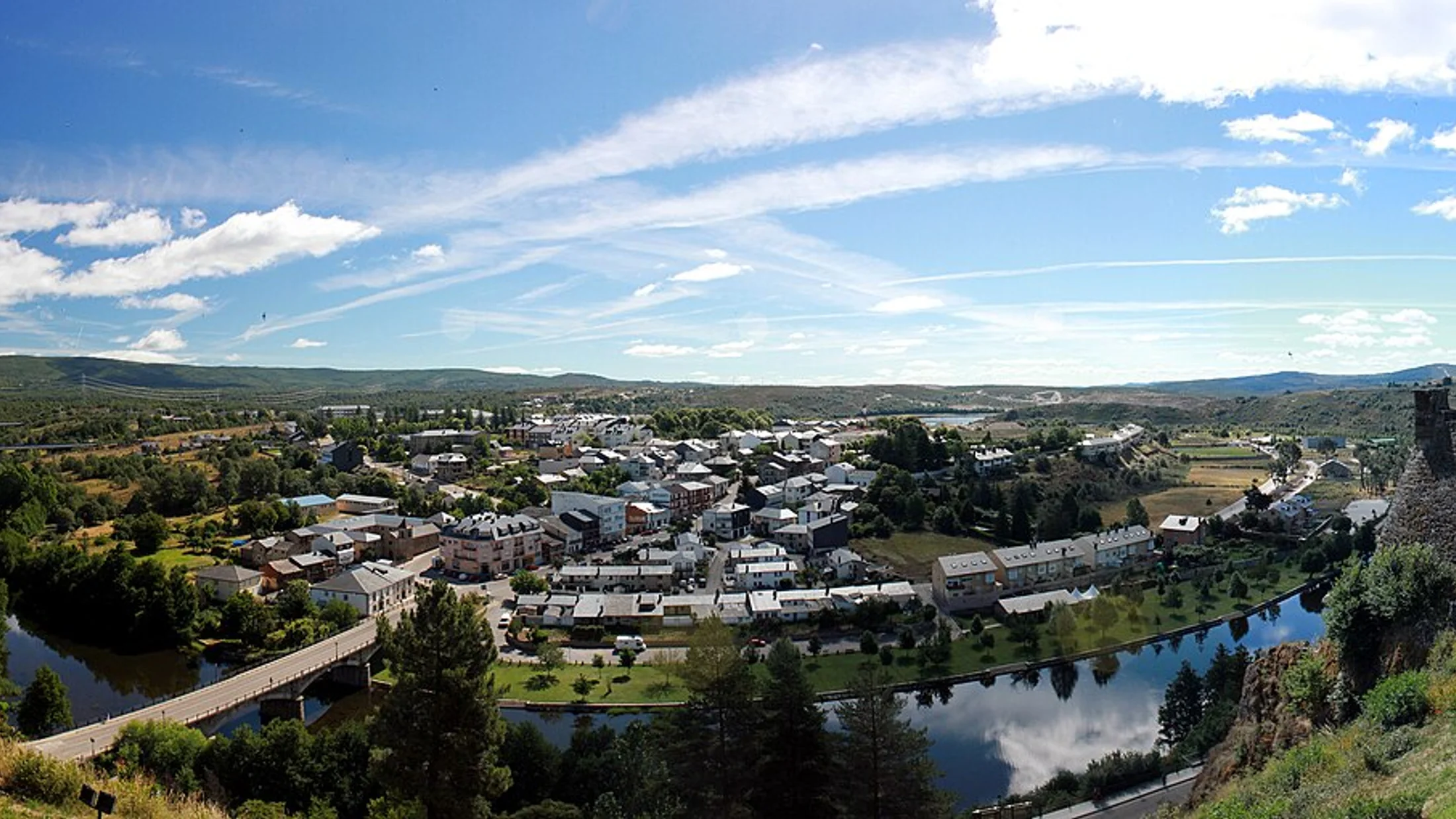
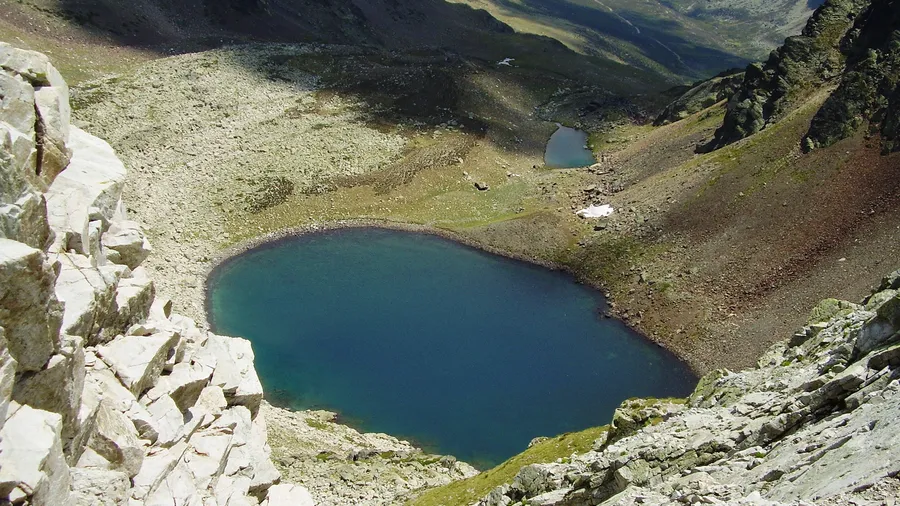
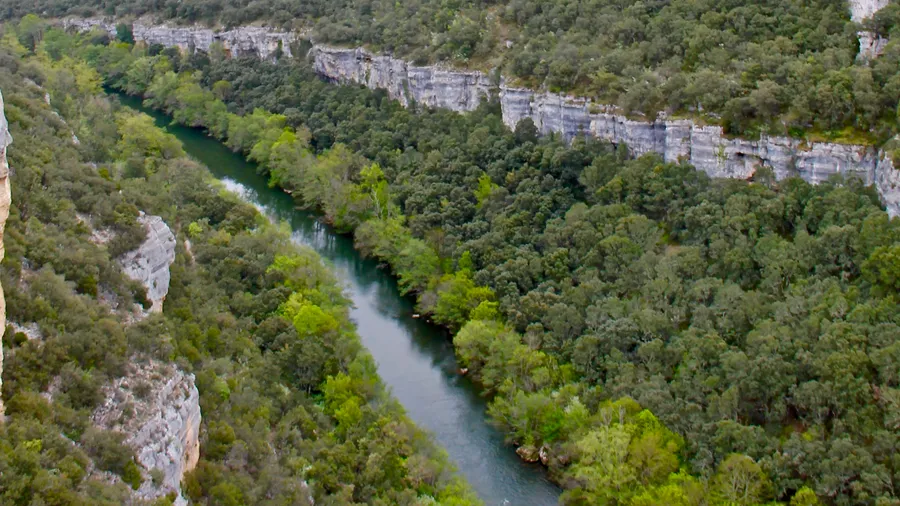
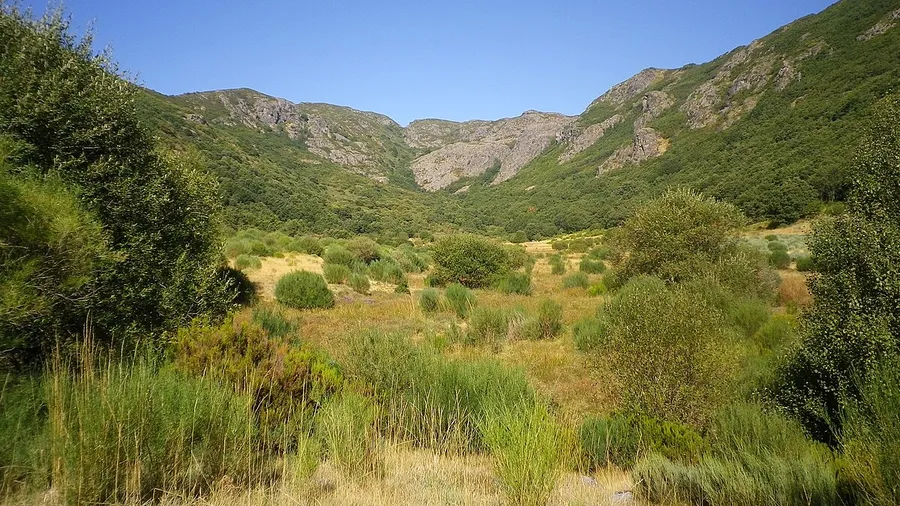
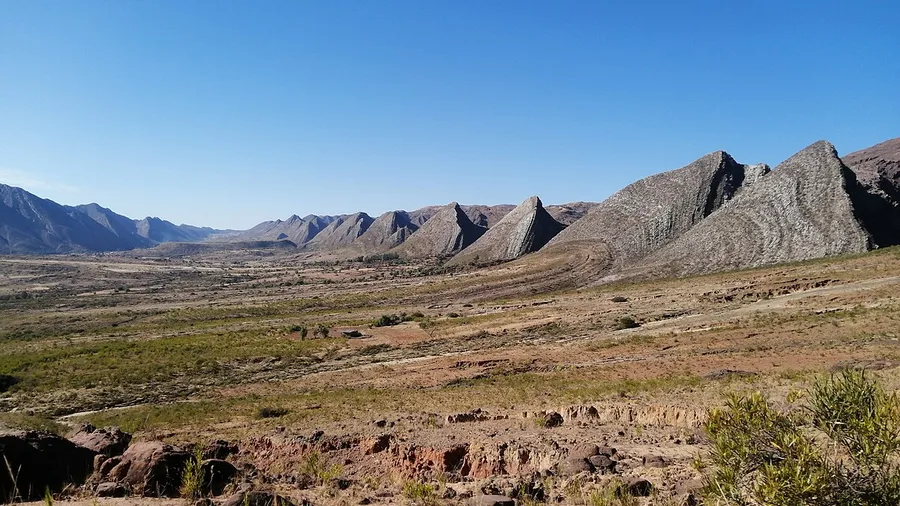
Zamora holds two exceptional hydrological landscapes at its extremes. To the west, the Arribes del Duero form gorges of up to 800 m where the river marks the border with Portugal: griffon vultures nest on the limestone walls, kayaking traces the meanders in silence, and in spring the flowering almond trees above the gorges create a scene found nowhere else in Spain. To the north-east, Sanabria Lake is the largest natural glacial lake on the Iberian Peninsula, at 3.18 km² and 51 m deep. Kayaking and canoeing have a concession on the lake; hiking routes circle the perimeter in 18 km with views of the glacial cirque peaks. The La Carballeda district to the north has mountain biking on forest tracks through sessile oak and chestnut woodland, without the crowds of other cycling destinations. The Vía de la Plata crosses the eastern province between cereal fields and holm oaks.

Highlights

  • • Kayaking the Arribes del Duero: 800m gorges on the Portuguese border
  • • Lake Sanabria: largest natural glacial lake in Iberia (3.18km², 51m deep)
  • • Griffon vulture watching on Arribes cliff faces
  • • Mountain biking in La Carballeda through oak and chestnut woodland
  • • Almond blossom in the Arribes gorges (February–March)

Best time to visit

February–March for almond blossom in the Arribes. July–August for Lake Sanabria with warm water. October for autumn colour in La Carballeda and fewer visitors everywhere.

Practical tips

The Arribes are at the province's far west, 90 km from Zamora city. Fermoselle is the main service hub. For Lake Sanabria, the village of San Martín de Castañeda (800 inhabitants, medieval castle) is the best base with restaurants and kayak rental.

Plans and activities en Zamora

Las mejores experiencias y planes disponibles en Zamora

12

What to see en Zamora

Rincones, lugares y puntos de interés que no te puedes perder

Destinations & areas

Zonas y destinos turísticos en Zamora

Frequently asked questions sobre Zamora

Companies in Fermoselle and Villardiegua de la Ribera organise 1 to 3-day descents with overnight stops at campsites or rural houses on the bank. River levels vary with releases from the Aldeadávila dam; check flow rates before booking.
Yes, swimming is permitted in designated areas. Water reaches 20–22°C in July–August. Sanabria Natural Park regulates access with paid parking and capacity limits in August. Arrive before 10am to find a space.
Blossom occurs between mid-February and mid-March depending on the year. The Arribes' Mediterranean microclimate (milder temperatures due to the gorge depth) brings blossom 3–4 weeks earlier than the surrounding plateau.