Principality of Asturias

What to do in Principality of Asturias

Plans, activities and things to see in Principality of Asturias

Discover Principality of Asturias

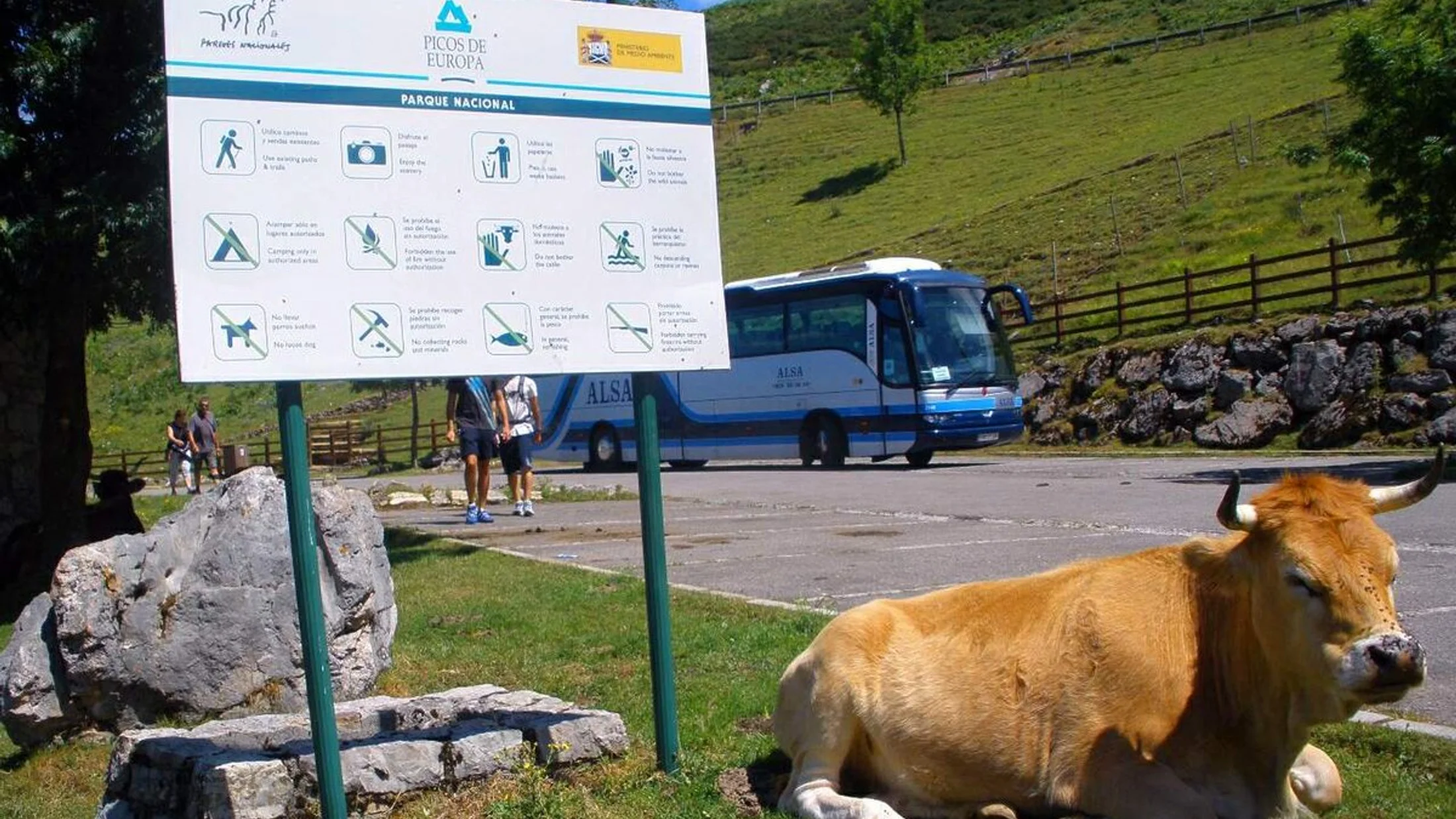
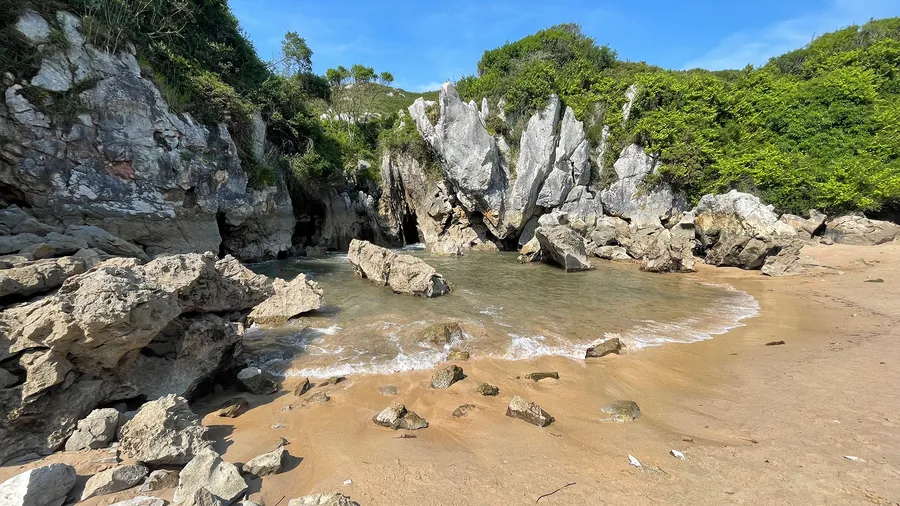
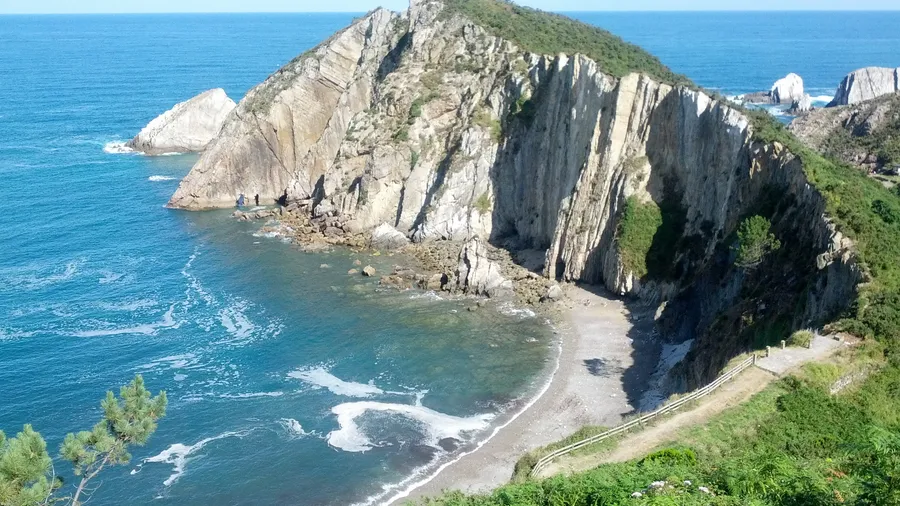
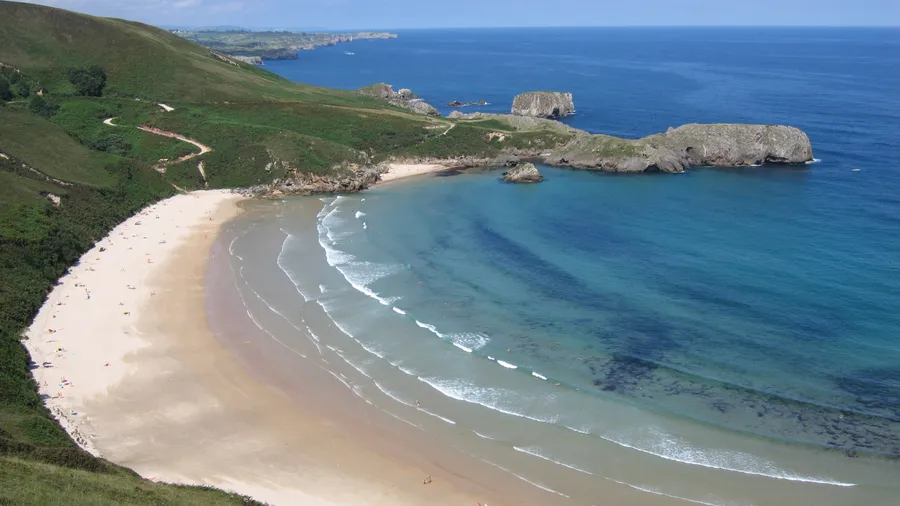
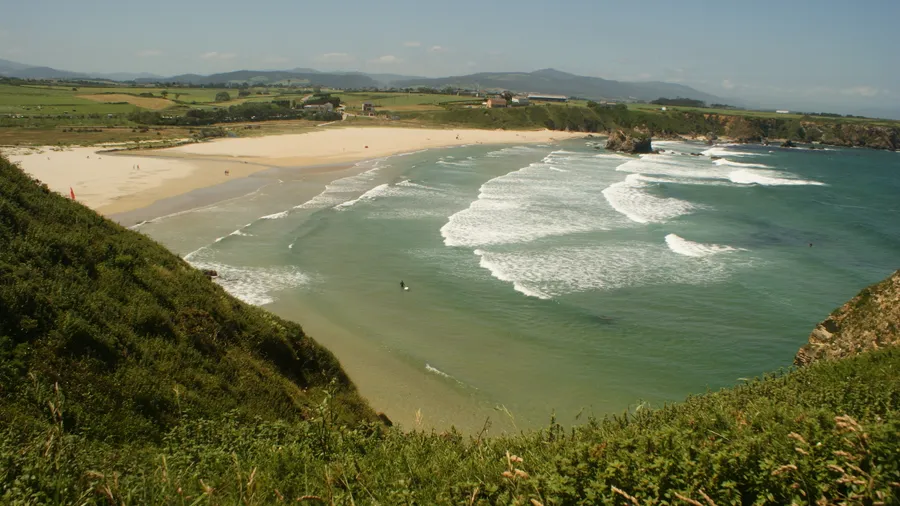
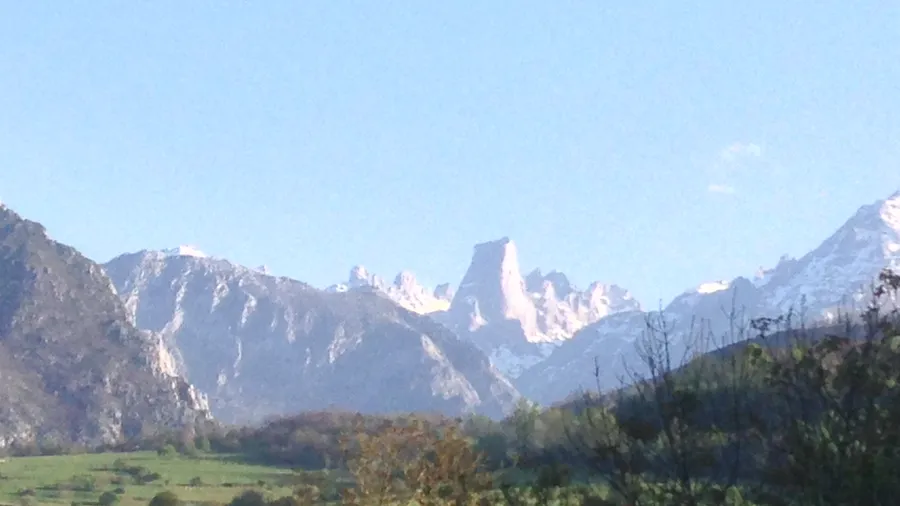
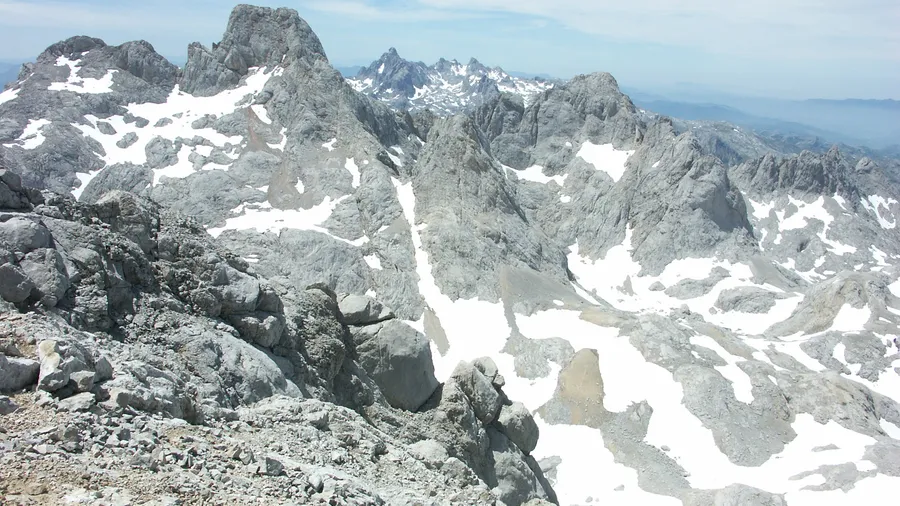
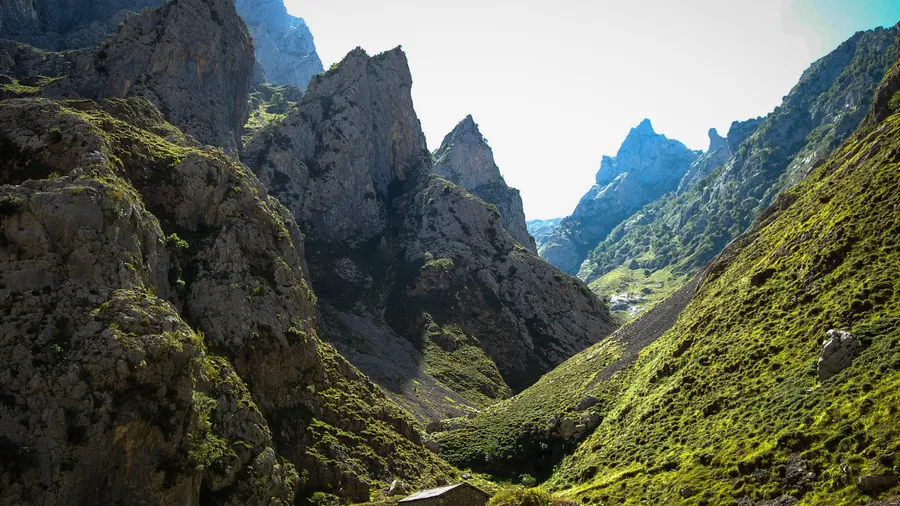
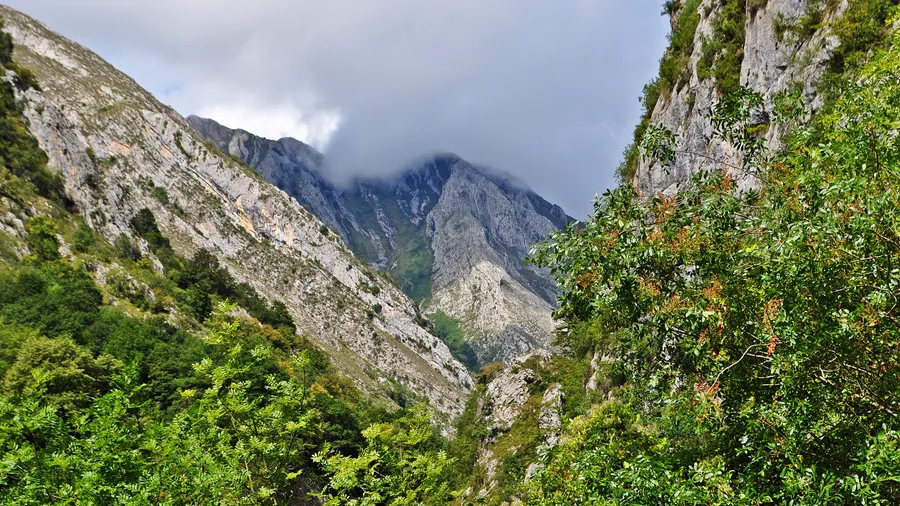
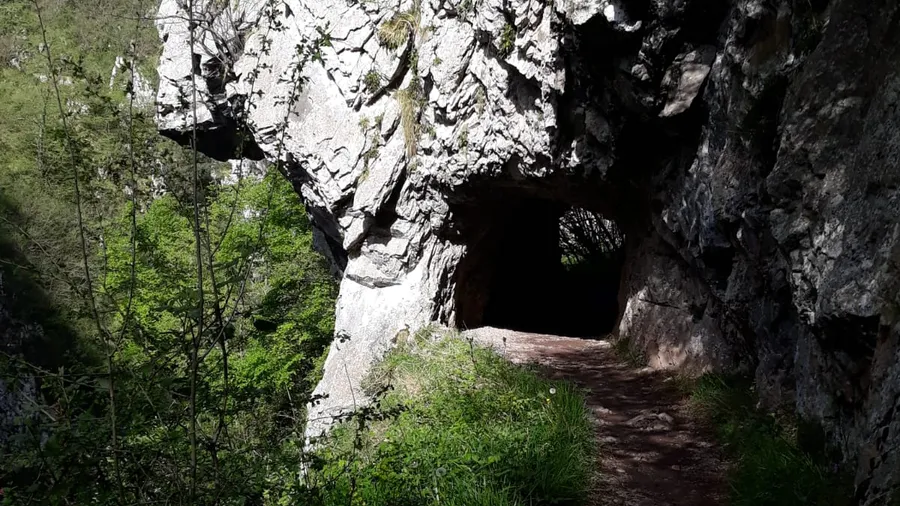
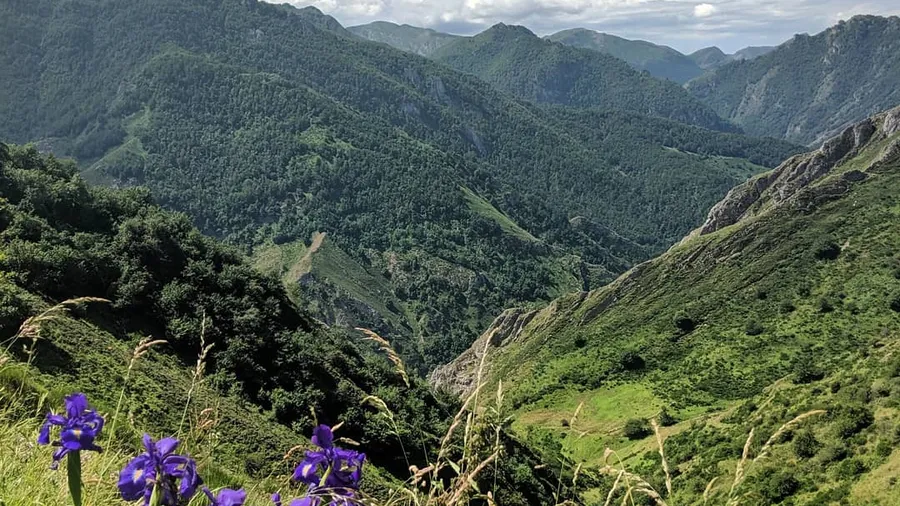
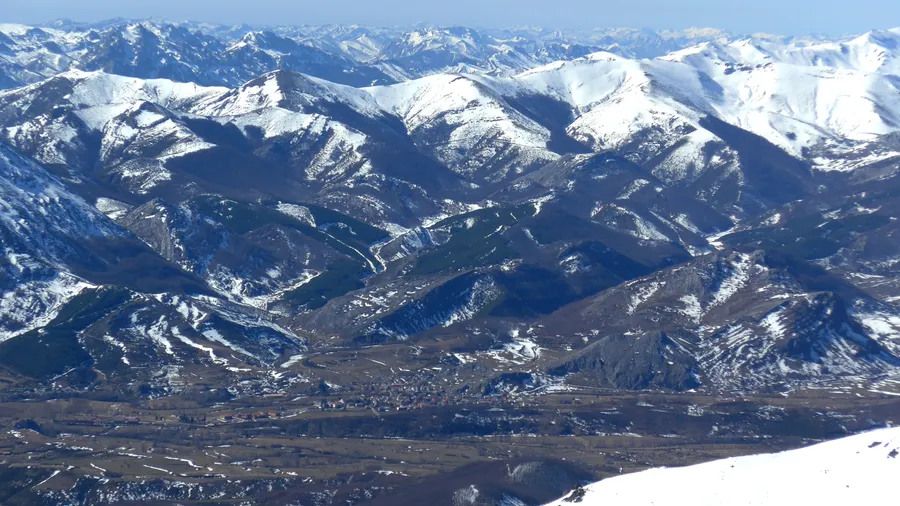
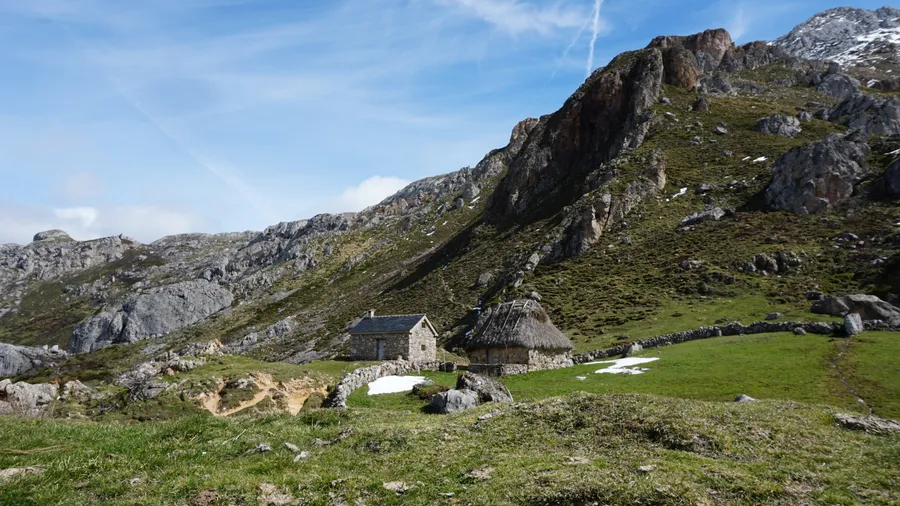
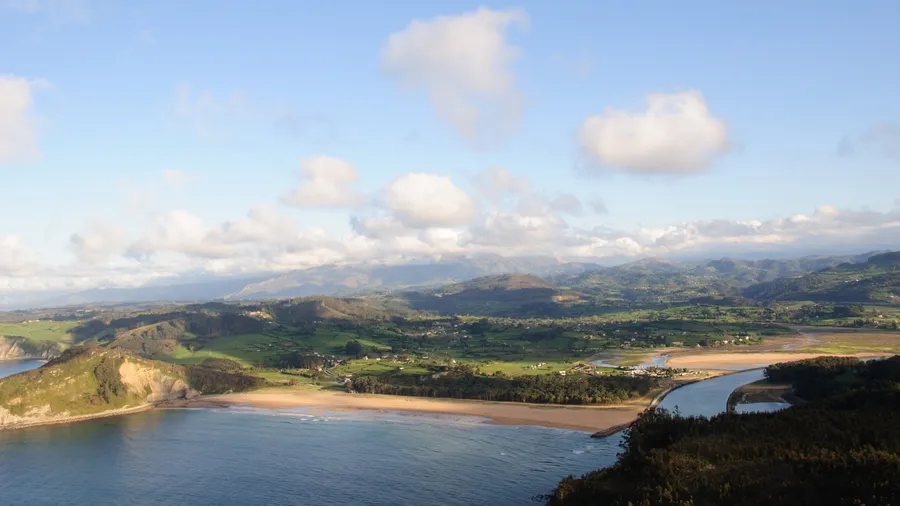
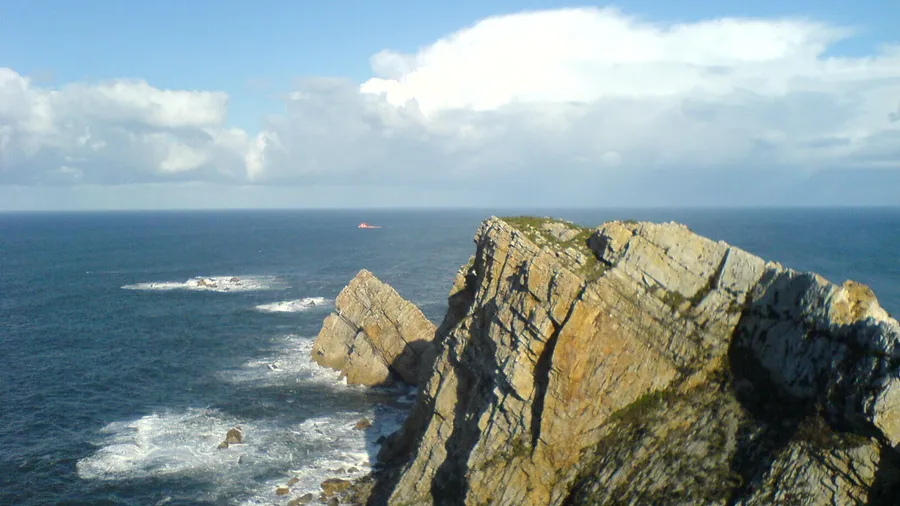
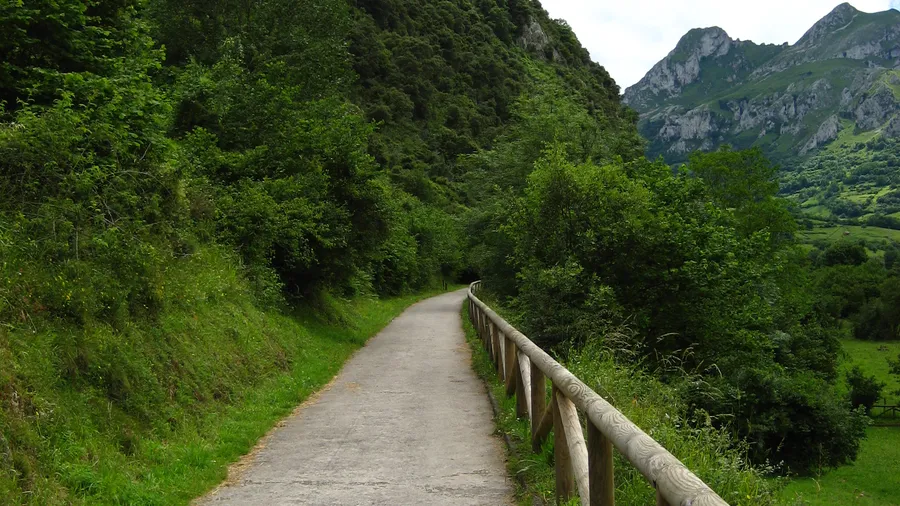
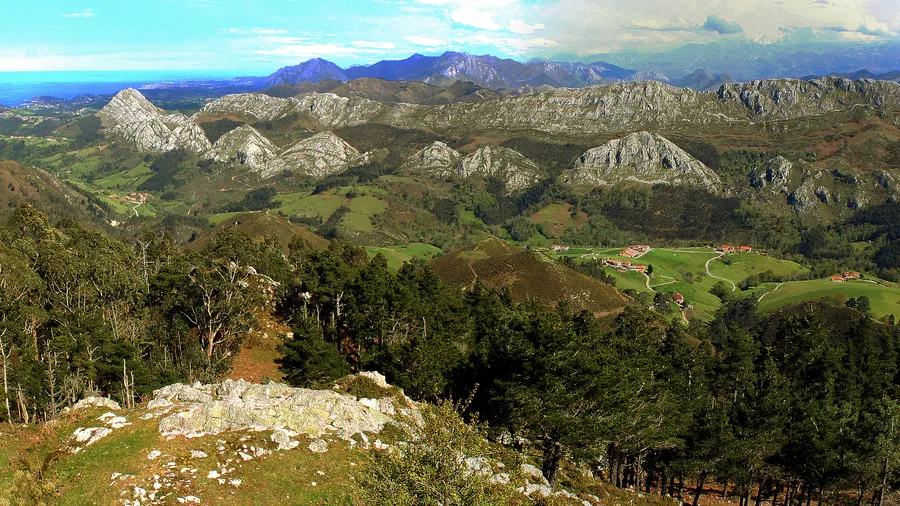
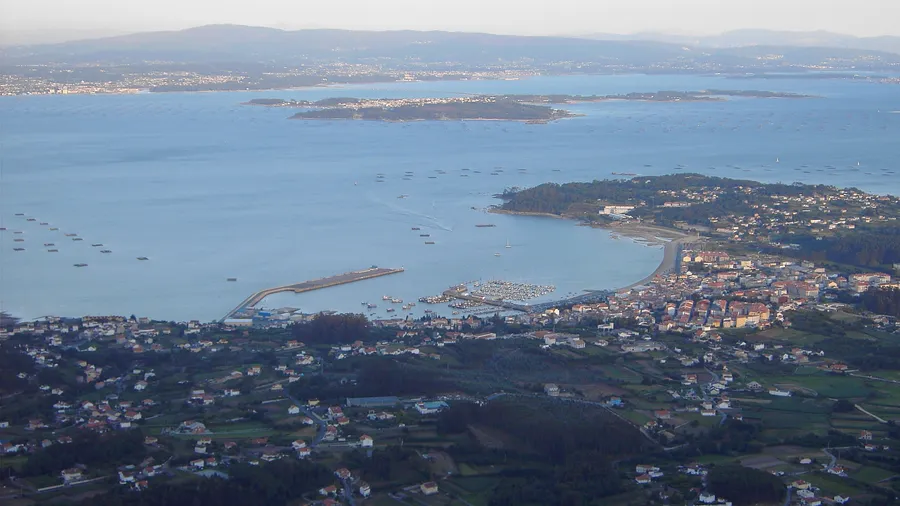
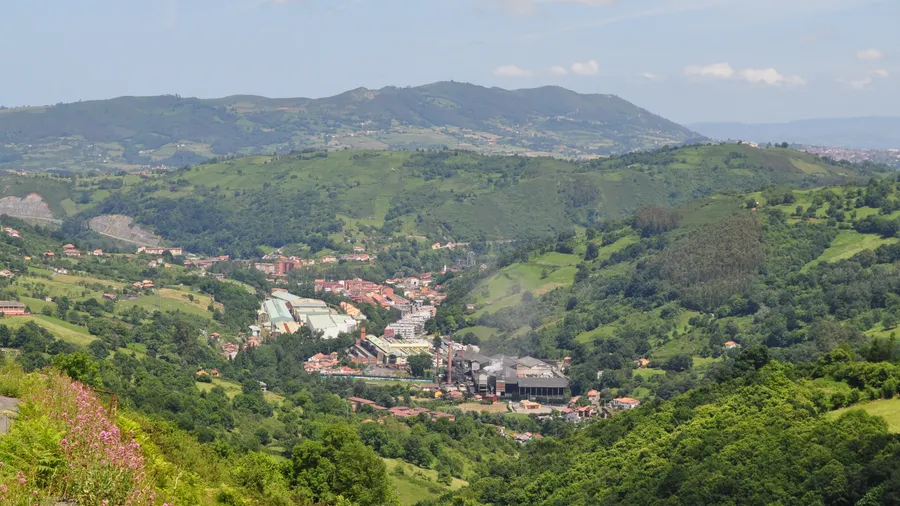
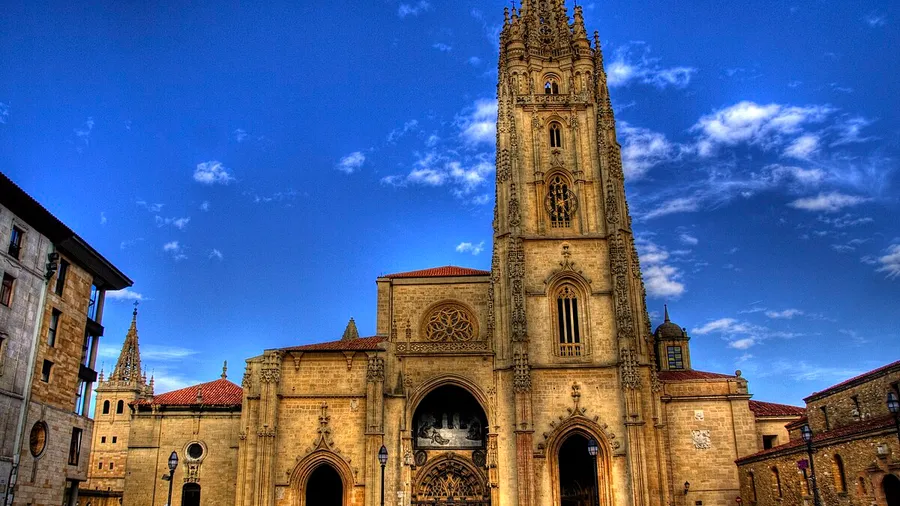
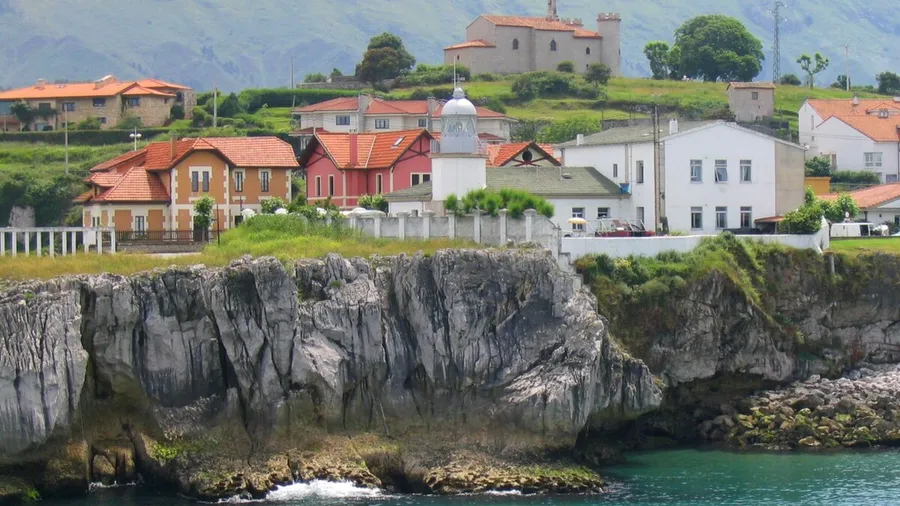
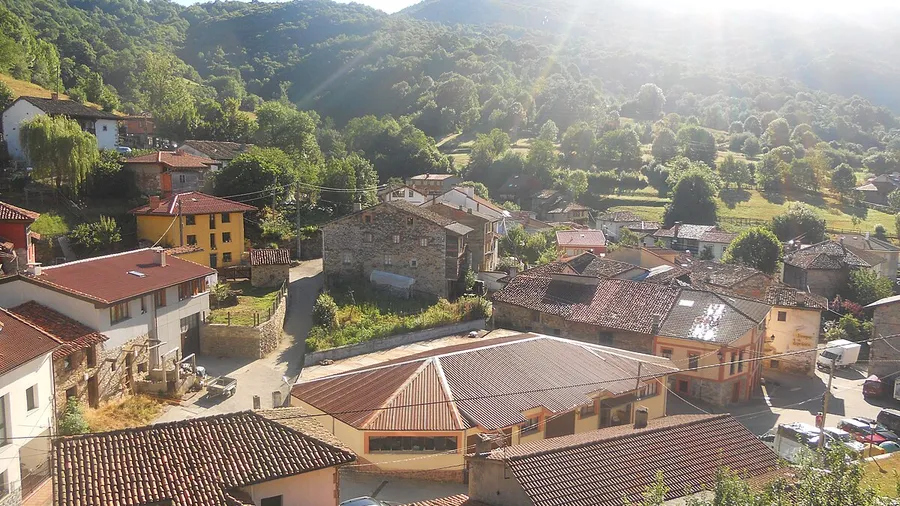
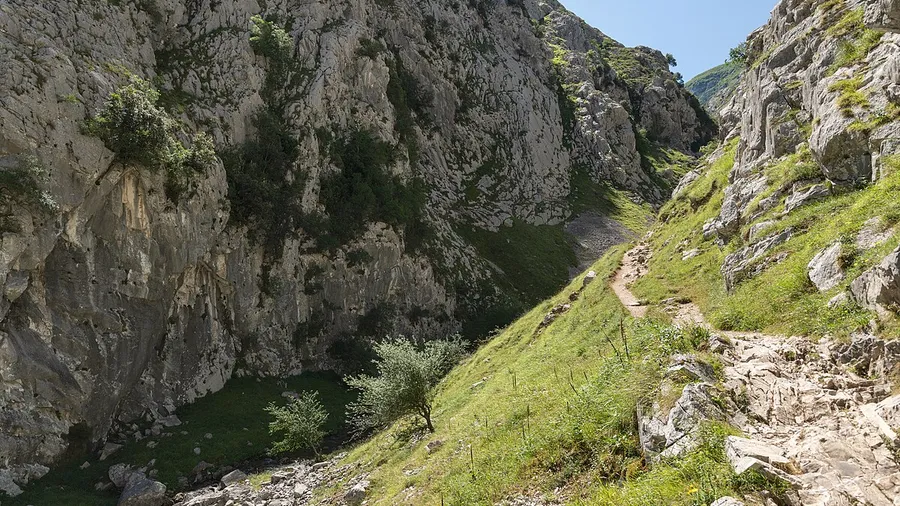
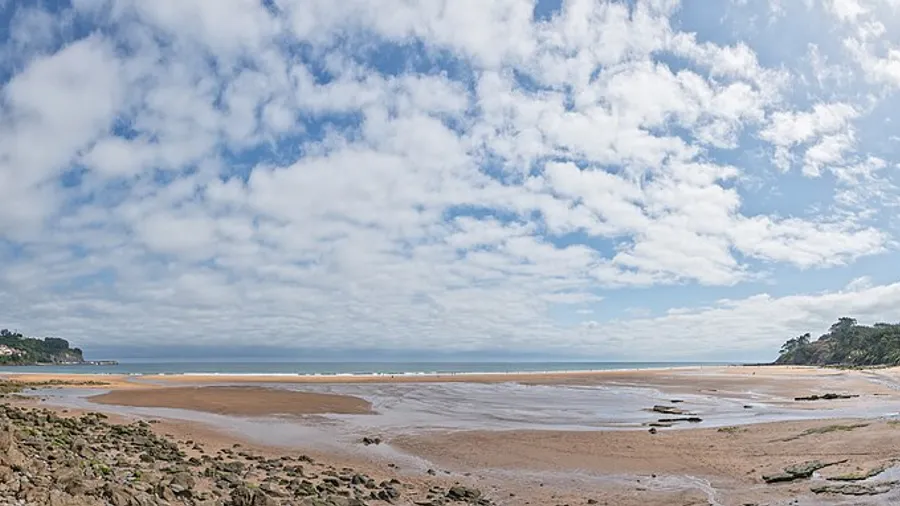
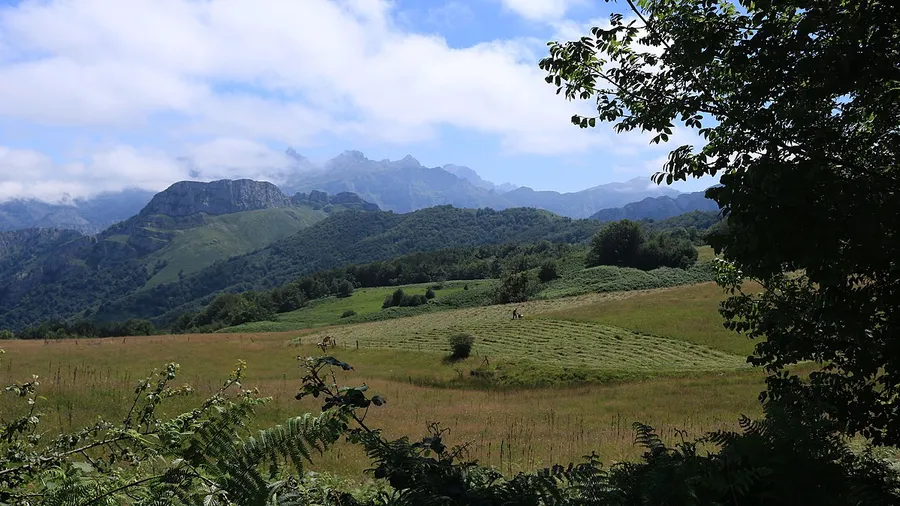
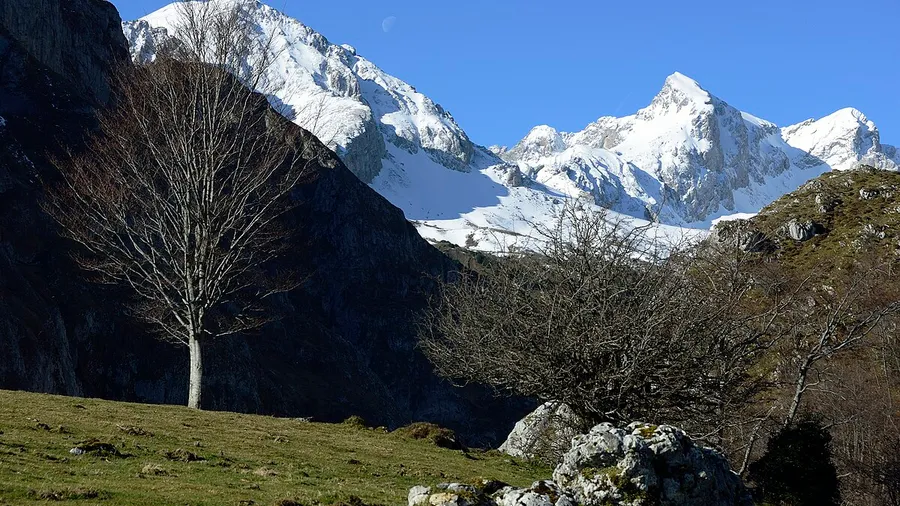
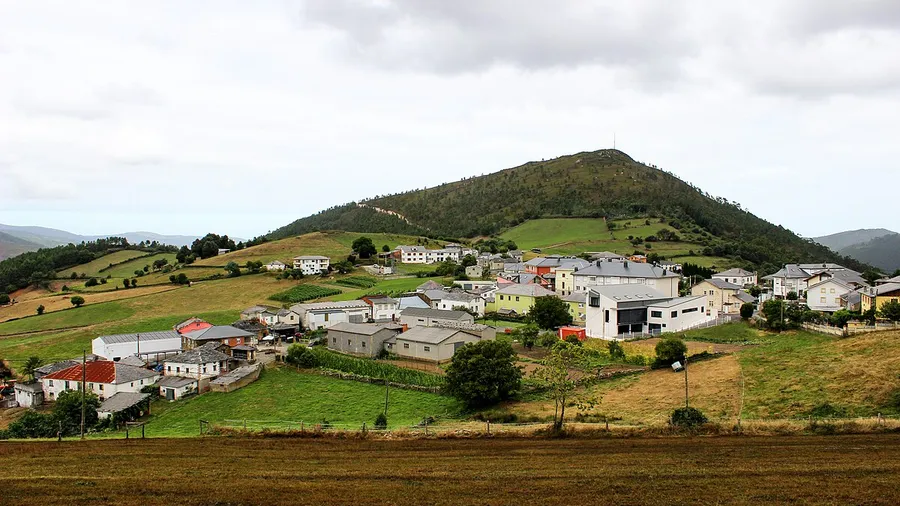
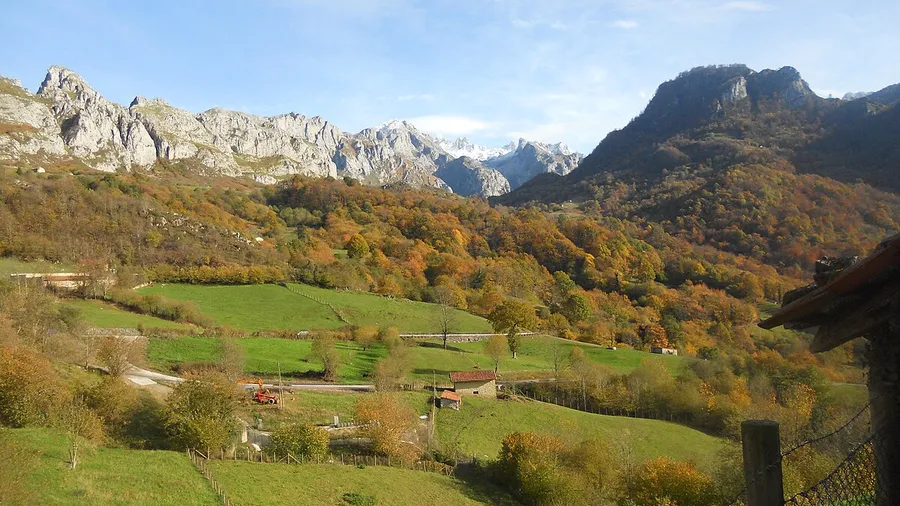
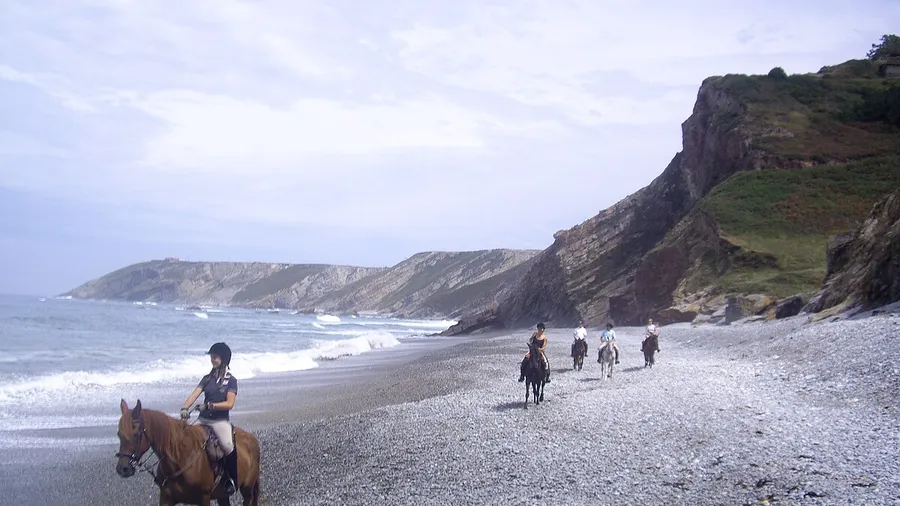
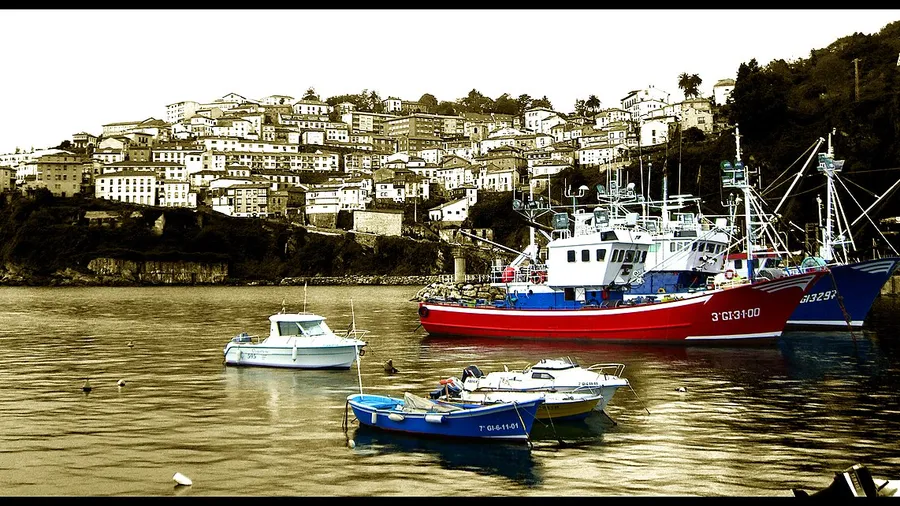
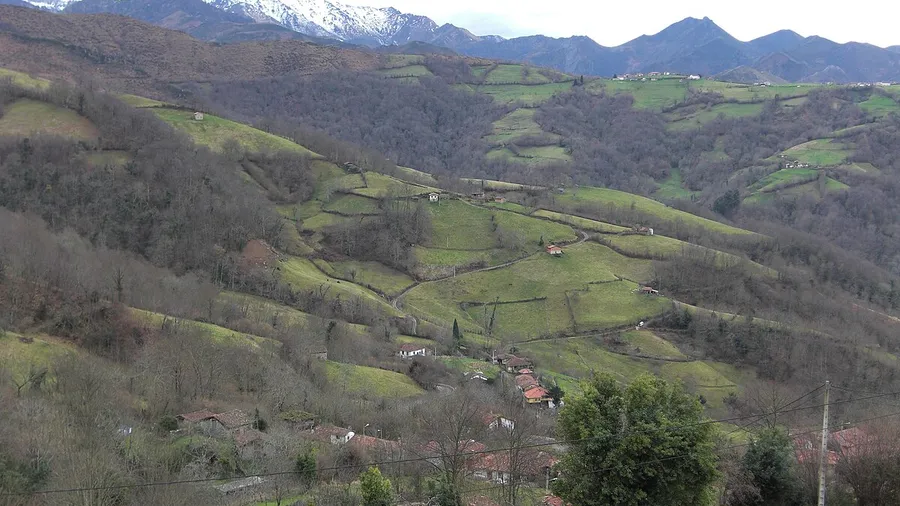
Asturias is a green corridor between the Cantabrian Mountains and the sea. To the south, the Picos de Europa massif rises to 2,648 metres at Torrecerredo —the highest point in the range— and cuts through gorges where the Cares River carves 11 kilometres through limestone rock. Canyoning routes through the gorge and via ferratas on the Naranjo de Bulnes face take climbers up sheer walls that split the sky. Towards the north, the Atlantic coast traces dark sand beaches, cliffs and estuaries where the Cantabrian swell arrives unimpeded. Salinas and Rodiles beaches host surf schools and, during westerly swells, hollow waves that draw surfers from across the Iberian Peninsula. Sea kayaking lets you explore coves and caves reachable only from the water. The interior holds valleys of permanently damp grass, chestnut groves and villages where natural cider is still pressed by traditional millstone methods. The cider culture is not restored folklore: in the lagar mills of Villaviciosa or Nava, active production anchors the local economy and each autumn follows the rhythm of the apple harvest. The Ruta del Alba, the Camino Primitivo —the oldest variant of the Camino de Santiago, running 321 kilometres from Oviedo— and the Camino de la Costa are the three long-distance hiking axes of the region. Asturias has more than 1,000 kilometres of marked trails, with elevation profiles ranging from flat coastal walks to alpine ascents requiring crampons in winter.

Highlights

  • • Canyoning through the Cares Gorge: 11 km of carved limestone
  • • Atlantic surf at Salinas and Rodiles with certified surf schools
  • • Ascent to Torrecerredo, the highest peak in Picos de Europa at 2,648 m
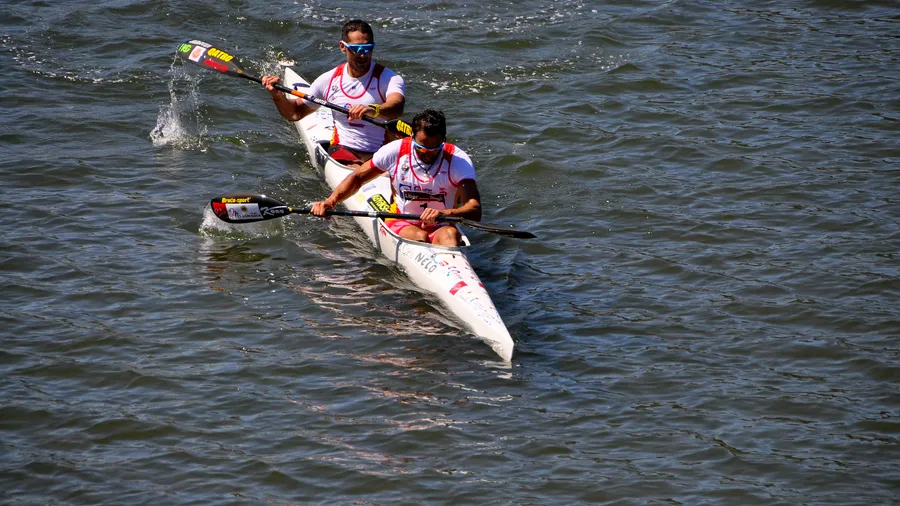
  • • Sea kayaking along coves and caves of the Cantabrian coast
  • • Camino Primitivo: the oldest variant of the Camino de Santiago
  • • Active cider culture in working lagar mills across central Asturias

Best time to visit

June to September for mountain and coastal activities in stable weather. May and October are ideal for hiking in the Picos without crowds. Surfing is best October to March when Atlantic storms generate consistent swells.

Practical tips

In the Picos de Europa, parking at Poncebos and Caín fills up before 9am in July and August: arrive early or use the bus service from Arenas de Cabrales. Canyoning routes in the Cares should be booked 2-3 days ahead in peak season. For surfing, Rodiles schools work with groups of maximum 6 students per instructor; weekend slots in August sell out weeks in advance. On the Camino Primitivo, note that the section between O Cádavo and Lugo has limited-capacity hostels and advance booking is advisable.

Plans and activities en Principality of Asturias

Las mejores experiencias y planes disponibles en Principality of Asturias

60

What to see en Principality of Asturias

Rincones, lugares y puntos de interés que no te puedes perder

Destinations & areas

Zonas y destinos turísticos en Principality of Asturias

Localidades de Principality of Asturias

Descubre qué hacer en cada localidad de Principality of Asturias
Frequently asked questions sobre Principality of Asturias
May to October. In summer the gorge retains heat and the 11 km trail takes 3-4 hours one way. In winter there can be snow on the higher sections and access from Caín is frequently blocked.
Salinas and Rodiles beaches have schools with equipment and lessons for beginners from age 10. To surf independently, the Cantabrian swell is stronger and more irregular than Mediterranean waves: prior experience of at least 20-30 hours in the water is recommended.
Canyoning in the Cares gorge is guided by certified local operators. Basic routes require no technical experience. Companies provide wetsuit, helmet and harness, and groups are capped at 8-10 people.
The full Camino Primitivo (321 km from Oviedo to Santiago) takes 12-15 days at 25-30 km per day. It is the most demanding variant in terms of elevation gain across the entire Camino de Santiago network.
For high-mountain routes in the Picos: Vibram-soled mountain boots, trekking poles, topographic map and a warm layer even in valley heat. In snow or ice conditions, crampons and ice axe depending on the route.