Highlights

  • • 12 km trail carved into rock along the Cares River
  • • Connects the villages of Caín and Poncebos in the Picos de Europa
  • • Passes through tunnels and natural bridges over the gorge
  • • Scenic landscapes of steep mountains and mountain vegetation
  • • Free access with no prior reservation needed
  • • Suitable for hikers in good physical condition

Description

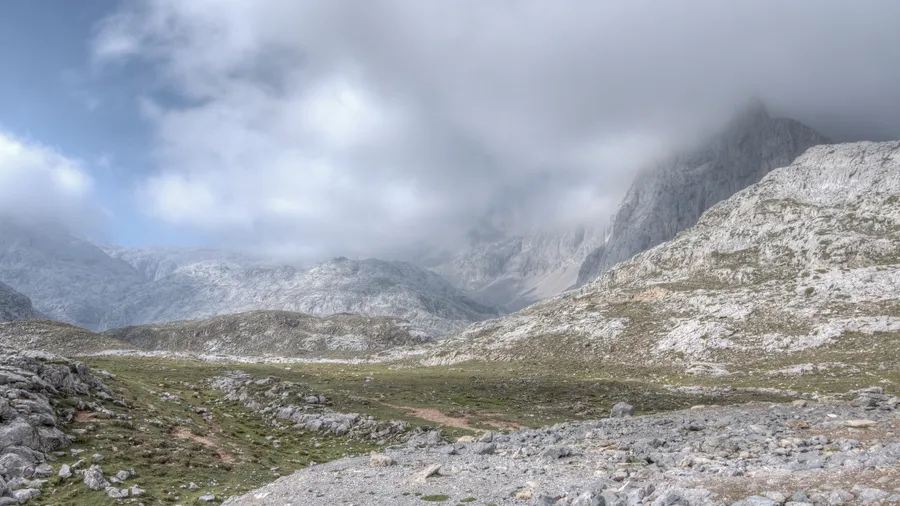
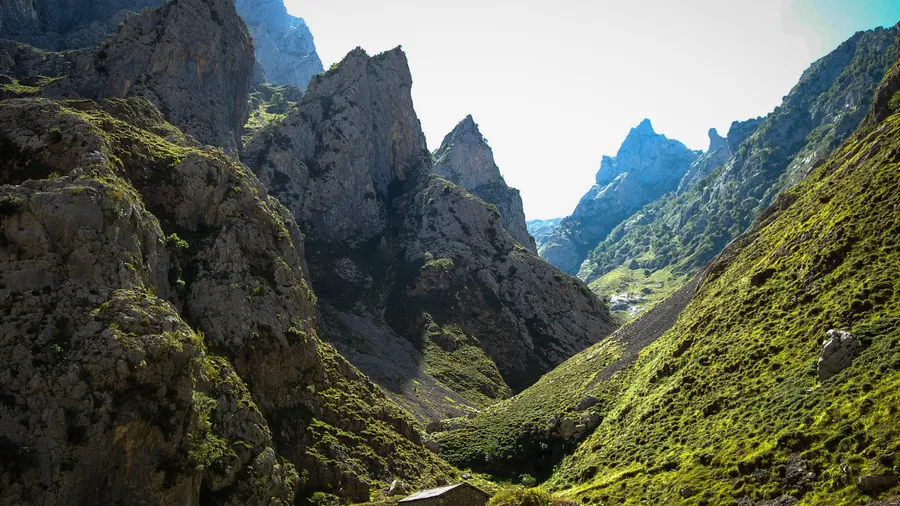
The Ruta del Cares is a trail that runs along the gorge carved by the Cares River, located in the Picos de Europa National Park on the border between Asturias and León. This path, popularly known as the "Divine Gorge," connects the villages of Caín and Poncebos, crossing a landscape of steep mountains and rocky walls rising abruptly on both sides of the river. Carved into the rock, the trail follows the river's course for approximately 12 kilometers, offering a direct experience with the nature and geography of the central massif of the Picos de Europa.

Along the route, visitors can observe impressive rock formations, hanging bridges, and tunnels excavated in the stone that allow passage through otherwise inaccessible areas. The vegetation is typical of mountain environments, with beech and birch forests in the lower areas and alpine meadows at higher elevations. The constant sound of water and the fresh mountain air accompany the walk, creating a tranquil and revitalizing atmosphere.

Historically, the route was built between 1916 and 1921 to facilitate the maintenance of the canal that transports water from the Cares River to hydroelectric plants in the area. Its construction was a significant engineering effort in rugged and hard-to-reach terrain. Today, the route retains this historical value and stands as a testament to human ingenuity in harmony with the natural environment.

To hike the Ruta del Cares, it is recommended to wear appropriate hiking footwear and carry enough water, as the journey can take between 3 and 4 hours depending on pace. No prior reservation is required for access, and the trail is free of charge. Although accessible to people in good physical condition, the path includes narrow and somewhat challenging sections, so it is not suitable for those with reduced mobility. It is suitable for children accustomed to long walks and for pets, always kept on a leash. The best time to visit is during spring, summer, and autumn, avoiding winter due to possible adverse mountain conditions.

Key Information

Visit Duration

3-4 hours

Recommended Seasons

Spring, Summer, Autumn

Pricing

Free

Accessibility

Medium

Kid-Friendly Pet-Friendly No Booking Required

Related Destinations

Guide

Essential information for visiting Cares Route

Location

In this area

Practical Information
Pricing
Free
Visit Duration
3-4 hours
Features & Services
  • Accessibility:Medium
  • Kid-Friendly:Yes
  • Pet-Friendly:Yes
  • Booking:No Booking Required
Planning Information

Recommended Seasons

Spring · Summer · Autumn

Best Time to Visit

The best time to visit the Ruta del Cares is from spring to autumn, when the weather is more stable and trail conditions are safer.

Visitor Tips

Wear comfortable and suitable mountain footwear, bring enough water, and use sun protection. Although the route is accessible without reservation, it's advisable to start early to avoid crowds and make the most of natural daylight. Check the weather forecast before setting out, especially in autumn and winter, as conditions can change rapidly. Respect the natural environment and keep pets on a leash to protect local wildlife.

Historical Facts

The route was built between 1916 and 1921 to facilitate maintenance of the hydroelectric canal that uses water from the Cares River. Its construction in rugged terrain required advanced engineering for the time and enabled the region's energy development.

Frequently Asked Questions

Get answers about Cares Route

The route is approximately 12 kilometers long between Caín and Poncebos.
No, the route is open access and does not require prior reservation.
Yes, it is suitable for children used to walking and for pets on a leash.
Spring, summer, and autumn are the best seasons to hike the route.
The trail has narrow and uneven sections, so caution and good physical condition are recommended.