Covaciella Cave
Highlights
- • Well-preserved Paleolithic rock paintings
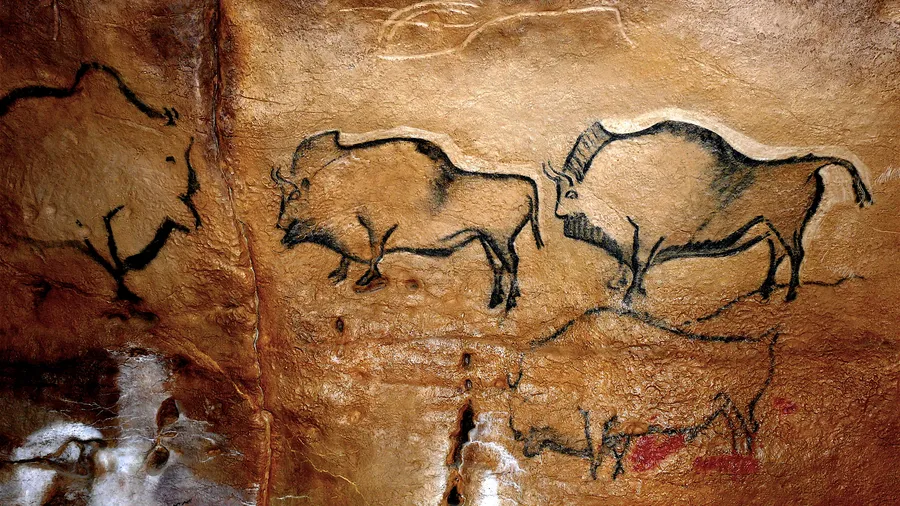
- • Polychrome bison with anatomical details
- • UNESCO World Heritage designation
- • Located in Cabrales, Asturias
- • Discovered in 1994
- • Part of the Rock Art of the Cantabrian Coast
Description
Key Information
Visit Duration
1-2 hours
Recommended Seasons
Spring, Autumn
Pricing
Free
Accessibility
Low
Related Destinations

Guide
Essential information for visiting Covaciella Cave
Location
Practical Information
- Pricing
- Free
- Visit Duration
- 1-2 hours
Features & Services
- Accessibility:Low
- Kid-Friendly:Yes
- Pet-Friendly:No
- Booking:Booking Required
Planning Information
Recommended Seasons
Spring · Autumn
Best Time to Visit
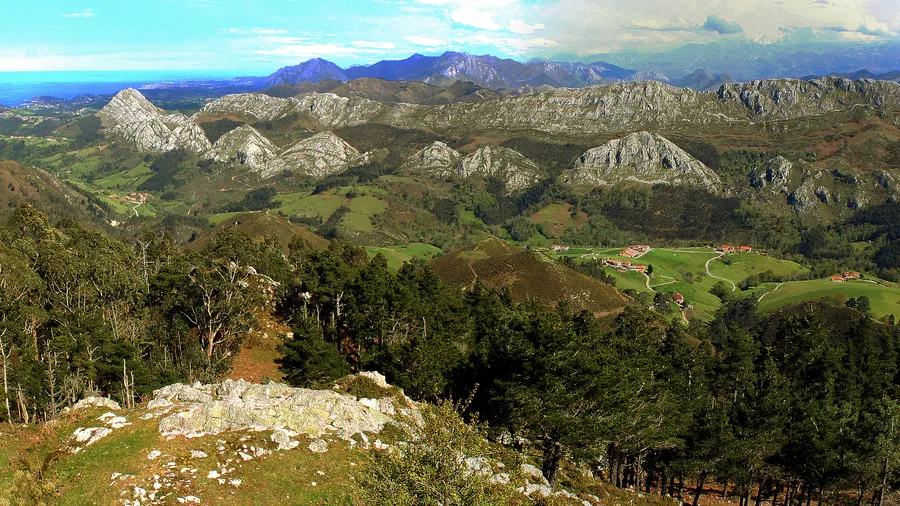
The best time to visit the Cueva de la Covaciella is spring and autumn, when the weather is milder and pleasant for exploring Cabrales' natural surroundings.
Visitor Tips
To make the most of your visit, wear comfortable shoes and suitable clothing for walking on uneven terrain. Check in advance if booking or guided tours are necessary. Follow all guidelines to preserve the rock art and avoid touching the walls. Bring water and sun protection if visiting in summer, as the area can be exposed.
Historical Facts
Discovered in 1994, the Cueva de la Covaciella is part of the Cantabrian Coast Paleolithic rock art caves, declared a World Heritage Site in 2008. Its paintings date back over 14,000 years and highlight the significance of art in prehistoric societies of northern Spain.
Frequently Asked Questions
Get answers about Covaciella Cave