Cuenca

What to do in Cuenca

Plans, activities and things to see in Cuenca

Discover Cuenca

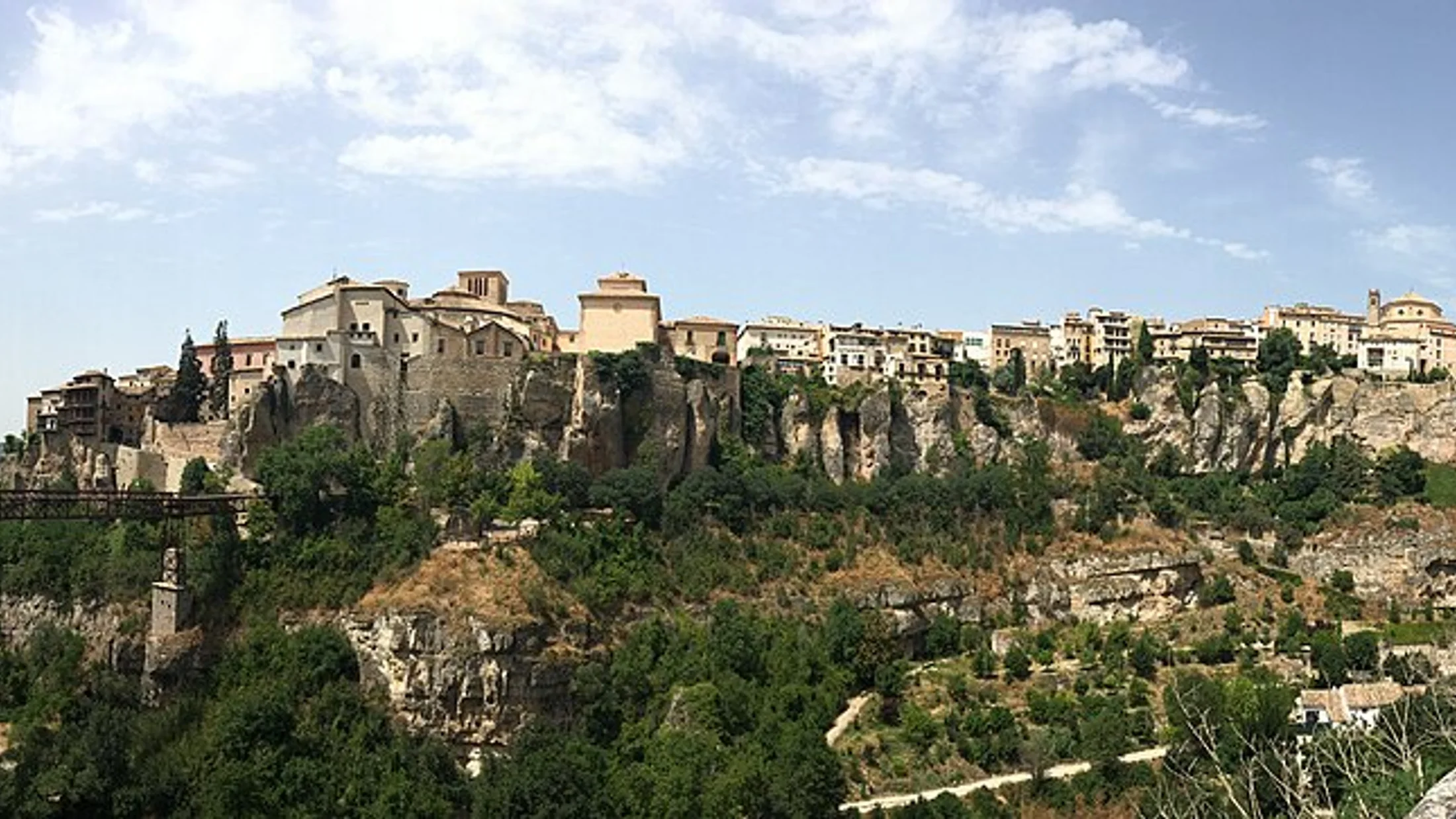
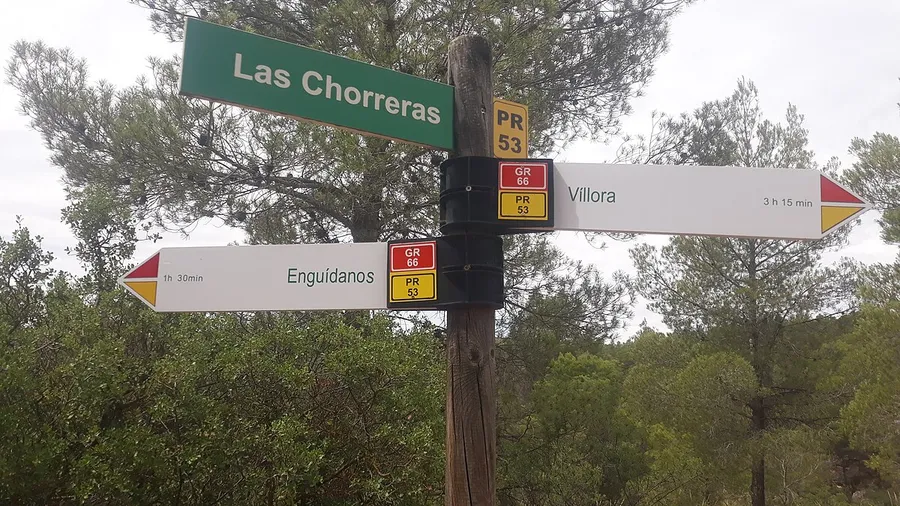
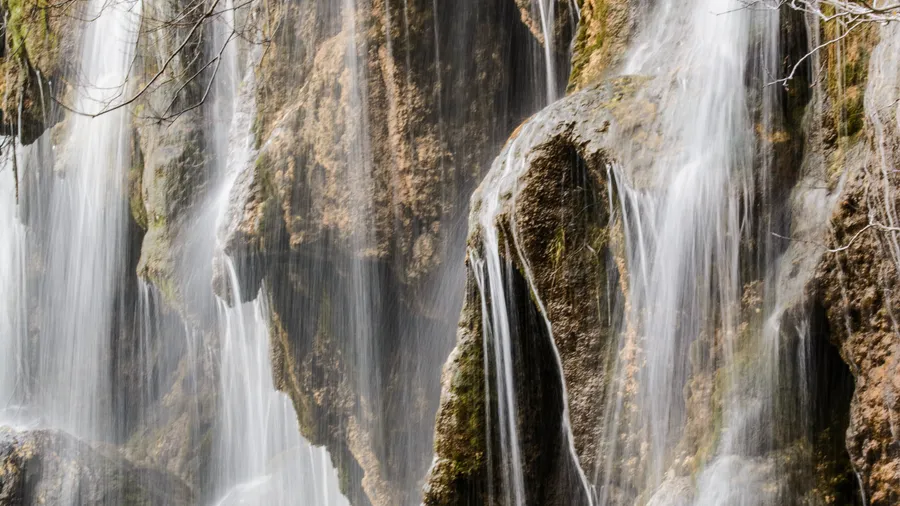
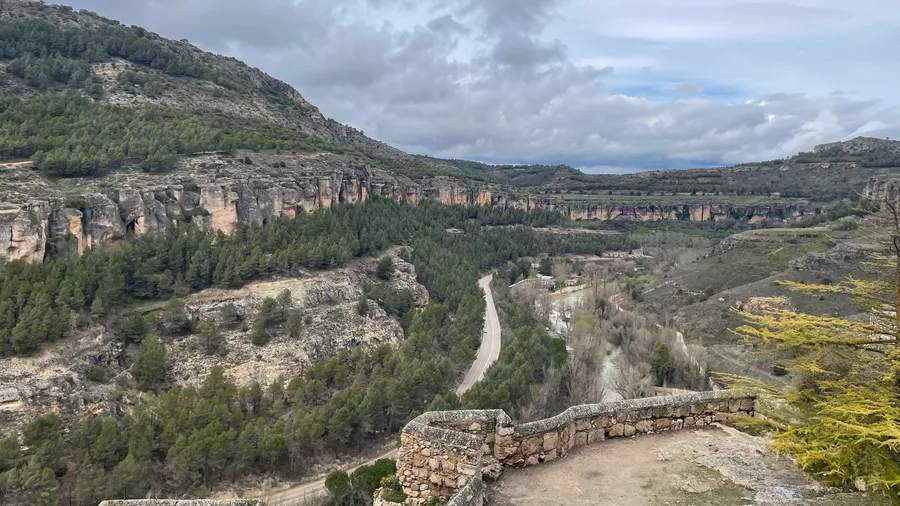
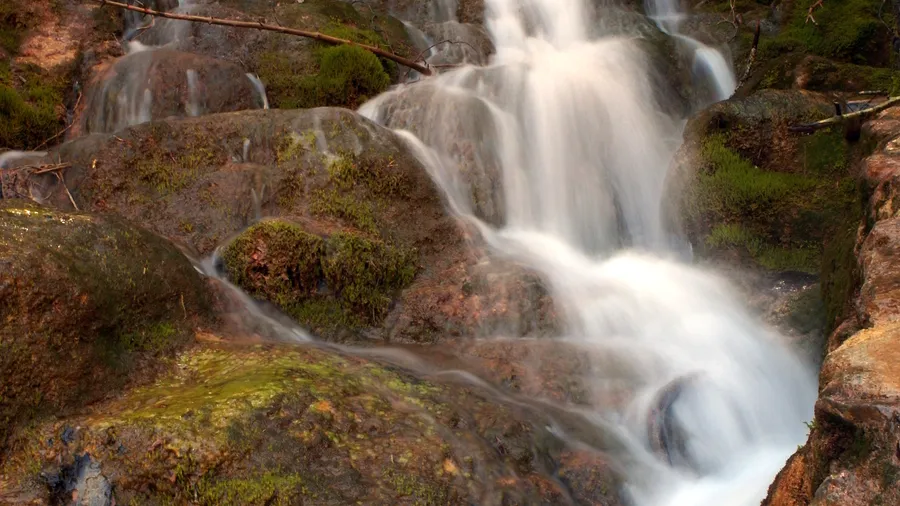
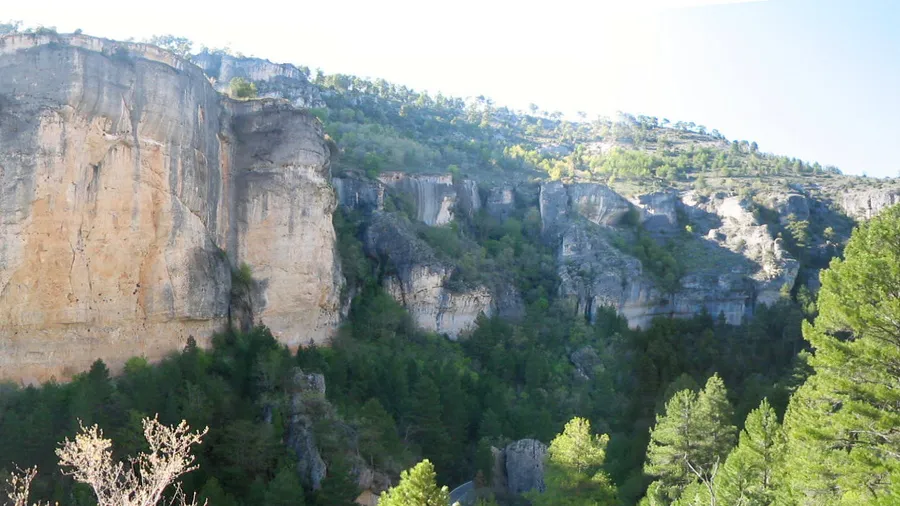
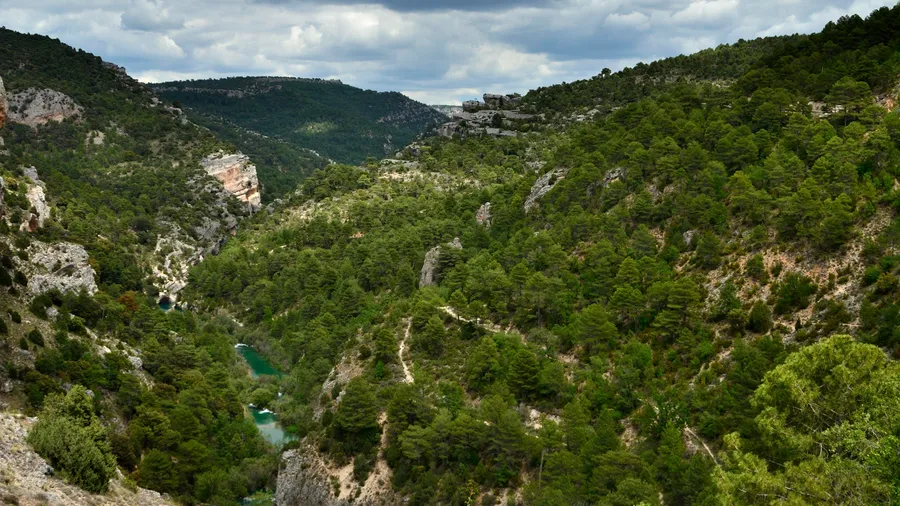
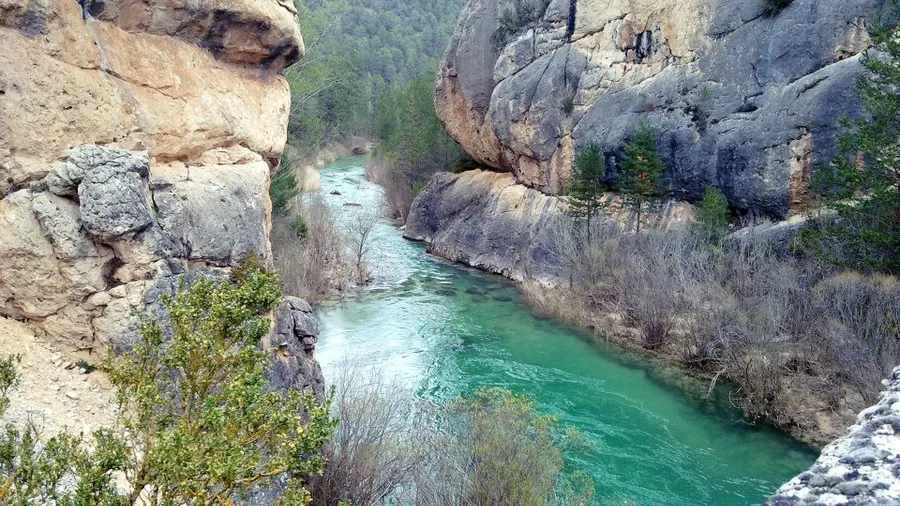
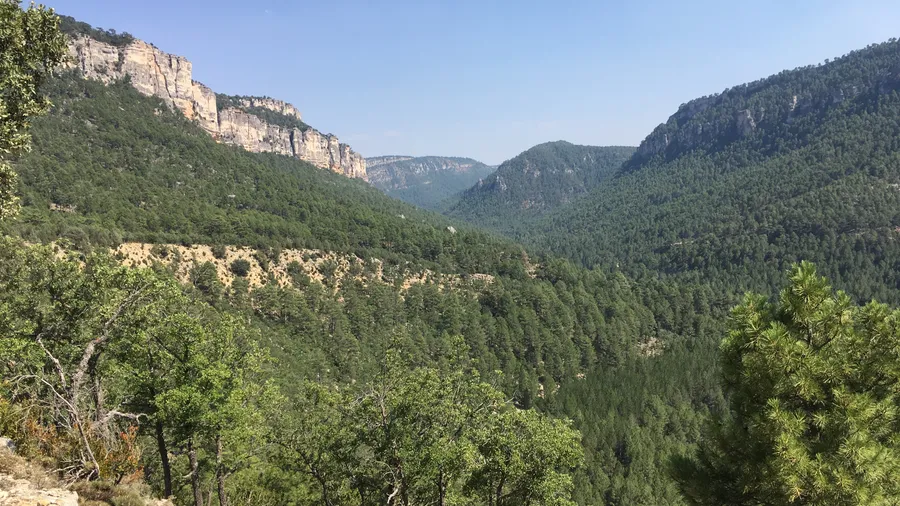
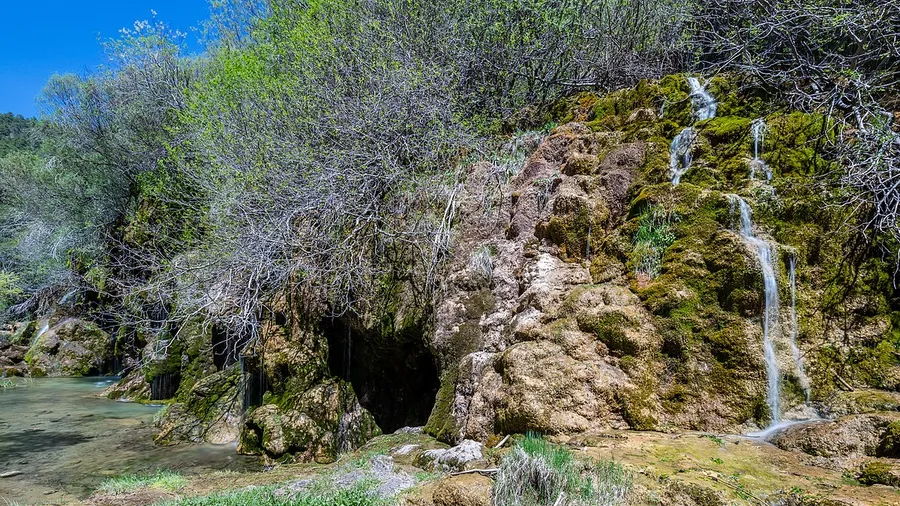
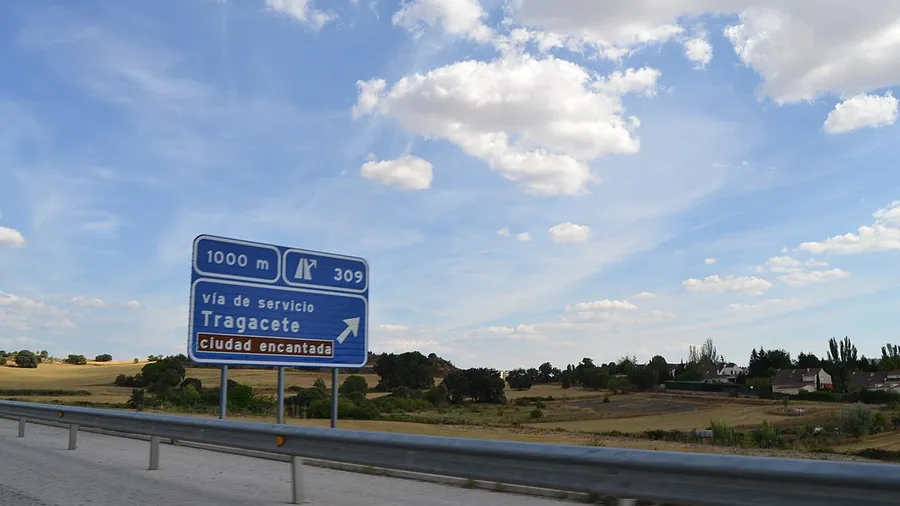
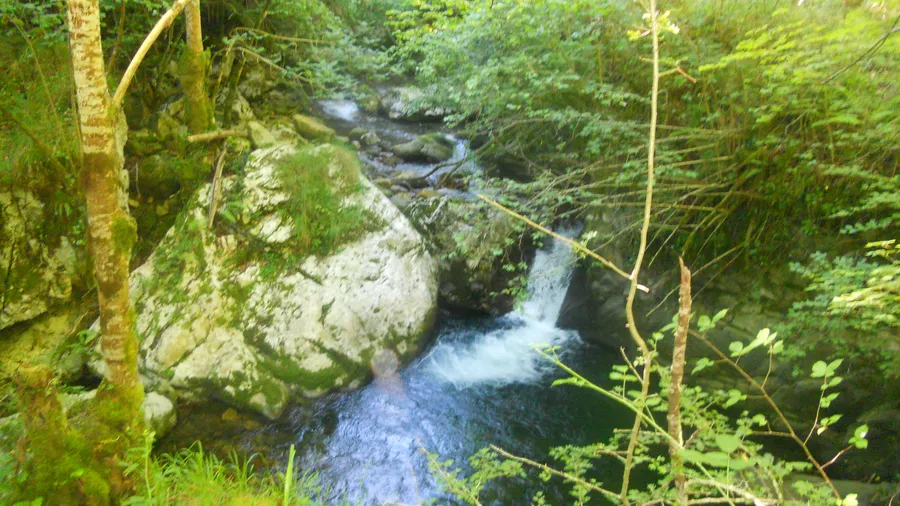
Cuenca is the province of karst and channelled water. The Serranía de Cuenca holds some of the most technical canyons in Castile-La Mancha: the Júcar canyon and the Hoz de Beteta have Grade III sections with waterfall abseils of up to 25 metres. The water stays cold even in August, making these descents neoprene-mandatory year-round. The Ciudad Encantada, 20 kilometres from the capital, offers a quieter contrast: limestone formations carved by erosion that you can explore on a 3-kilometre circular trail with no technical difficulty. The Cabriel river, on the border with Valencia, is the go-to destination for freshwater kayaking and canoeing in the province. Its Class II–III sections allow one-to-three-day trips with stops on sandy beaches between cliff walls. Local operators handle gear transport logistics, making linear descents straightforward. Around Tragacete to the north, black pine forests above 1,500 metres form the headwaters of the Júcar river. The hiking routes in this area are long and lightly trafficked; the Fuente del Cuervo route covers 18 kilometres with views over the Serranía. The Las Torcas climbing sector near Cañada del Hoyo has sport routes from 5c to 8a on quality limestone.
Highlights

  • • Canyoning in Hoz de Beteta: waterfall abseils up to 25 m
  • • Kayak on the Cabriel river: Class II–III multi-day sections
  • • Ciudad Encantada: karst formations on a 3 km circular trail
  • • Climbing at Las Torcas: sport routes from 5c to 8a on limestone
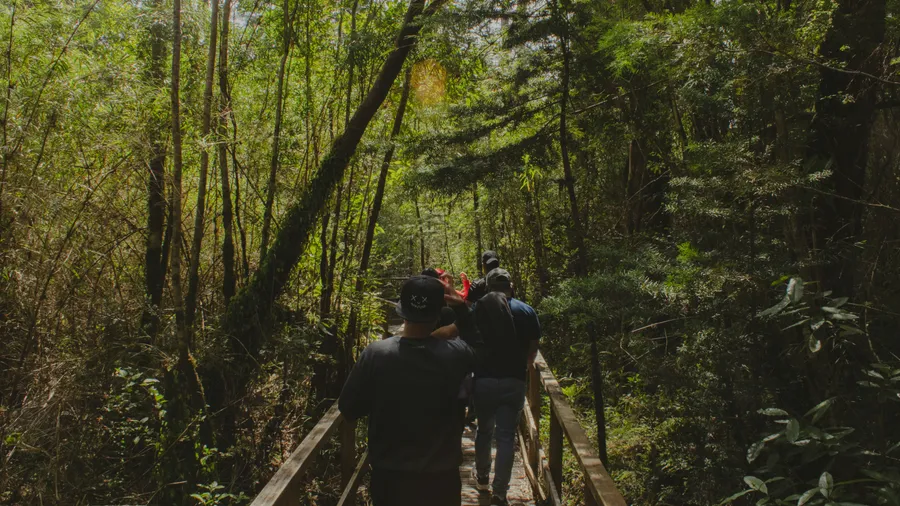
  • • Hiking in Tragacete: black pine forest at 1,500 m, 18 km route

Best time to visit

June and September are the best months for canyoning and kayaking: stable flow, comfortable temperatures and fewer visitors than in August. The Ciudad Encantada is worth visiting year-round; in autumn the surrounding forest adds colour.

Practical tips

For canyoning in the Hoz de Beteta, book at least a week ahead in summer and confirm the operator's group limit. Kayaking on the Cabriel requires booking return transport with the operator; there is no public transport on the lower section. For Las Torcas, the best climbing window is in the morning, as the walls are in shade before midday.

Plans and activities en Cuenca

Las mejores experiencias y planes disponibles en Cuenca

60

What to see en Cuenca

Rincones, lugares y puntos de interés que no te puedes perder

Destinations & areas

Zonas y destinos turísticos en Cuenca

Frequently asked questions sobre Cuenca
Grade III canyons like the Hoz de Beteta require prior abseil experience and basic water technique. First-timers should choose a local operator that includes instruction; the beginner sections on the Júcar canyon are more accessible.
The most common linear descents run from one to three days. The single-day section covers about 20 km; the three-day version exceeds 60 km with overnight camping on the river's sandy beaches. Local operators provide return transport.
Yes. The circular trail is waymarked and has interpretation panels on karst geology. The visit takes one to two hours; there is an entry fee (around €5). No technical footwear is required.
During periods of high water, usually November to March, operators suspend activities. In summer, access may be restricted during wildfire risk alerts. Always check with the operator before travelling.