Climbing in Cantabria: A Vertical Challenge for Everyone
Cantabria, with its diverse terrain and imposing massifs, stands out as a prime destination for rock climbing. From coastal limestone to inland granite, the region offers a variety of landscapes and rock types that delight climbers of all levels. Whether you're looking for your first rock climbing experience or to challenge yourself on high-difficulty routes, climbing in Cantabria will surprise you. Here, adventure merges with the beauty of the surroundings, allowing you to explore inaccessible corners and enjoy unique panoramic views.
Cantabria's geological richness translates into an endless number of climbing sectors. From popular crags like Ramales de la Victoria, with its limestone walls perfect for beginners and intermediate climbers, to more remote areas in the Picos de Europa for the more experienced. The climbing infrastructure in the region has grown significantly, offering safely equipped and accessible routes. It's an unbeatable opportunity to experience an outdoor adventure, improve your technique, and, above all, enjoy Cantabria's nature from a different perspective.
Why Climb with a Guide in Cantabria?
Although climbing in Cantabria offers options for everyone, safety is paramount. Having a professional guide not only ensures your well-being but also enriches the experience. A local guide knows the sectors, weather conditions, and specific characteristics of each route perfectly. They will provide you with the appropriate technical equipment, teach you basic progression and safety techniques (knots, belaying, rappelling), and help you push your limits safely. Furthermore, a guide can adapt the activity to your level and expectations, ensuring you make the most of your climbing day, whether on a beginner route or a more demanding ascent. It's the best way to learn, progress, and immerse yourself in the vertical world with complete confidence.
The Best Areas for Rock Climbing in Cantabria
Cantabria boasts several climbing areas renowned for their quality and variety.
- Ramales de la Victoria: Probably the best-known crag, ideal for all levels with a multitude of well-equipped limestone routes.
- Picos de Europa: Offers high-mountain climbing on big walls, for experienced climbers seeking greater challenges and stunning landscapes.
- Nansa Valley: With less crowded sectors and a spectacular natural environment, ideal for those seeking tranquility and varied routes.
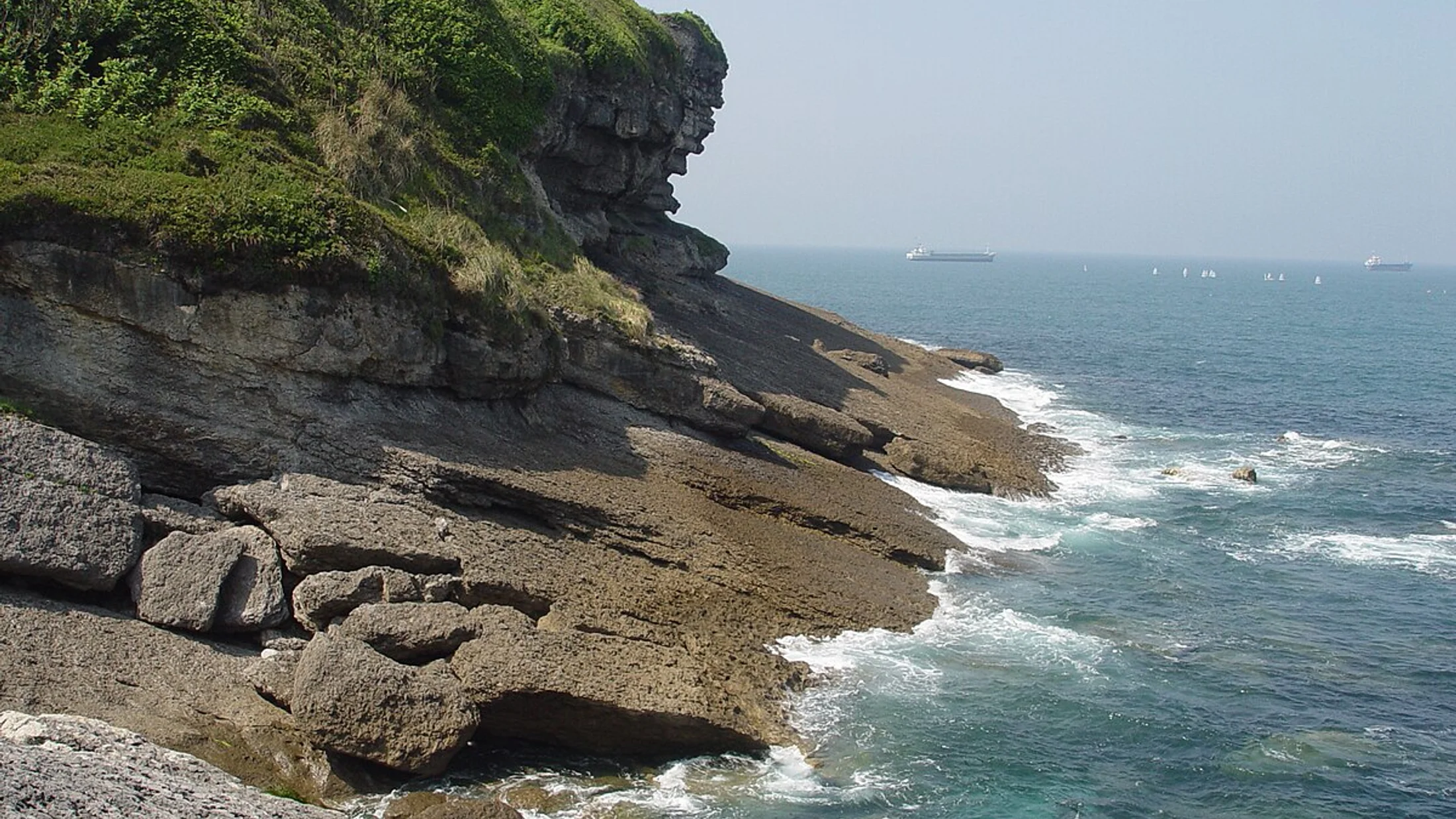
- Magdalena Peninsula (Santander): Although lower in height, it offers sport climbing routes with sea views, a unique experience close to the city.
Each area has its charm and specific features, ensuring there's always a perfect place for your climbing adventure in Cantabria.