The essentials of Valle de Salazar

  • • Irati Forest, Europe's second largest beech-fir woodland at 17,179 hectares (UNESCO)
  • • Ochagavia, stone-and-slate village on the banks of the Anduna river
  • • Transhumant herding between Irati and Bardenas Reales since the Neolithic
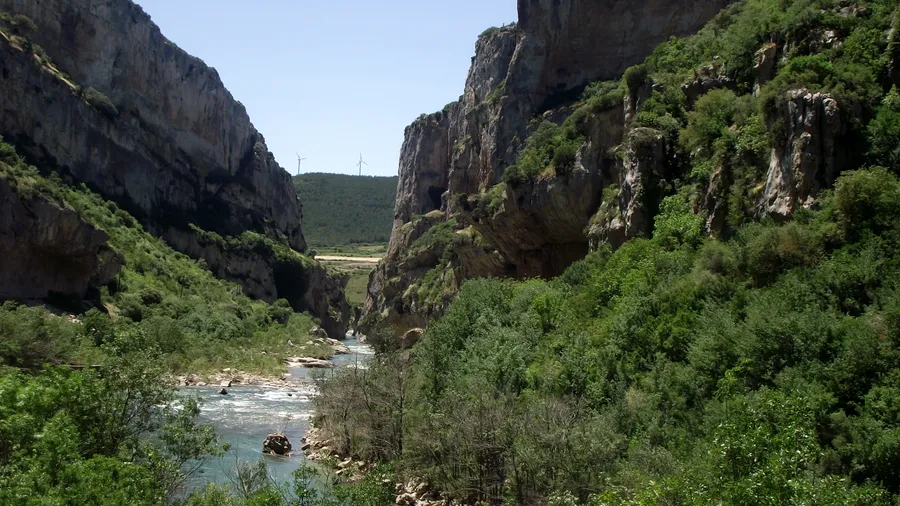
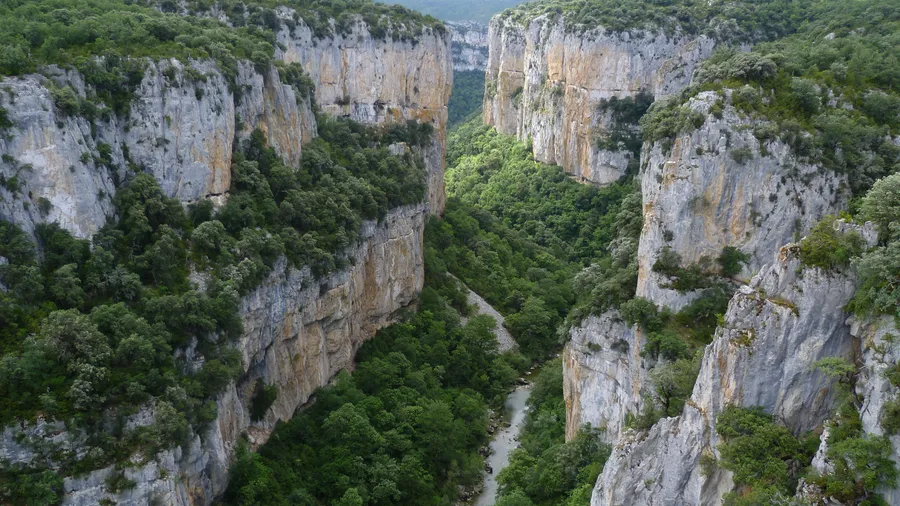
  • • Foz de Arbayun, a limestone gorge of notable geological interest
  • • Orhipean festival and traditional dances unique to the valley

Description

The Valle de Salazar runs north to south through the Navarrese Pyrenees, drained by the Salazar river and, at its northern headwaters, by the Irati river. It borders France to the north, the Valle de Roncal to the east, Aezcoa to the west and the Almiradio de Navascues to the south. Its total area reaches 32,642 hectares, including communal forests of Irati (6,520 ha), Abodi (1,210 ha) and other shared woodlands managed for centuries by the valley's neighbourhood councils.

The valley is formed by fourteen villages: Ochagavia, Escaroz, Jaurrieta, Oronz, Esparza, Ibilcieta, Sarries, Guesa, Igal, Izal, Gallues, Iciz, Uscarres and Izalzu. Ochagavia, the best known, is considered one of the most attractive villages in Navarra: its stone houses with slate roofs line the banks of the Anduna river, crossed by a medieval bridge connecting the old quarter with the church of San Juan Evangelista. Its cobbled streets carry the scent of firewood smoke, especially in the cold months when morning fog settles between the rooftops at dawn.

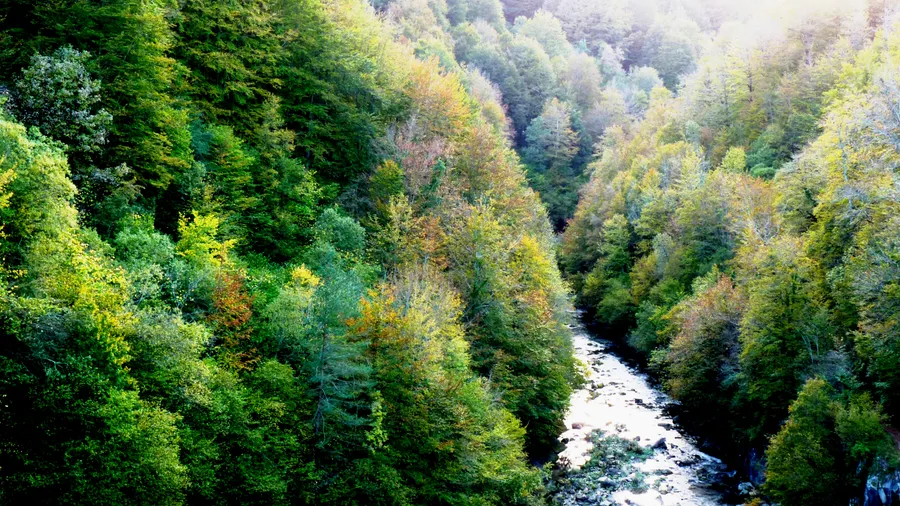
The valley's natural centrepiece is the Irati Forest, the second largest beech-fir woodland in Europe after Germany's Black Forest, covering 17,179 hectares. Most of this forest is shared between the Salazar and Aezcoa valleys, and its conservation earned it UNESCO World Heritage status in 2017 as part of the Ancient and Primeval Beech Forests of the Carpathians and Other Regions of Europe. Themed trails in Irati, such as the Cubo waterfall path and the Errekaidorra route, wind through centuries-old beech trees whose canopies filter the light into a greenish half-shadow at ground level.

The valley's culture remains tied to transhumant herding. Flocks of latxa sheep climb to the mountain pastures of Irati in spring and descend to the Bardenas Reales plains with the first snowfalls, a practice dating back to the Neolithic. Traditions are kept alive through festivals such as the dancers of Ochagavia, the Axuri Beltza, the Jaurrieta dance (performed exclusively by women) and the Orhipean festival, where residents of Ochagavia recreate life in the Pyrenees a century ago at the end of each summer.

Local cuisine centres on lamb, shepherd's cheese, migas and forest produce: mushrooms in autumn, sloe berries for pacharan liqueur and mountain honey. Accommodation consists of rural guesthouses and small hotels in Ochagavia and Escaroz, with limited capacity that preserves the area's tranquillity. The NA-178 road from Pamplona is the main access route, a roughly ninety-minute drive that passes through the Foz de Arbayun, another gorge of notable geological interest.
Practical information

Everything you need to know for your visit to Valle de Salazar

How to get there
From Pamplona, take the NA-178 toward Ochagavia; the drive takes roughly 1 hour and 30 minutes and passes through the Foz de Arbayun gorge. There is no regular public transport service. A private vehicle is recommended, particularly for accessing the Irati Forest.
Area Information
Ochagavia and Escaroz are the main centres with accommodation and dining. The Irati Forest has two signposted access points with parking and information panels. Themed trails such as the Cubo waterfall and Errekaidorra path are well marked.
Geography
A 32,642-hectare Pyrenean valley running north to south, with elevations between 600 and 1,200 m. Drained by the Salazar and Irati rivers. It borders France to the north, Roncal to the east and Aezcoa to the west.
Flora & Fauna
Beech and fir forests dominate the Irati woodland (17,179 ha, UNESCO). Subalpine grasslands grow at higher elevations. Wildlife includes roe deer, wild boar, pine marten, black woodpecker and lammergeier on the limestone cliffs. Brown trout inhabit the rivers.

Things to do

Find the best plans and things to do in Valle de Salazar

20

Accommodations

Best accommodation options in Valle de Salazar

Loading accommodation options...

Frequently Asked Questions

Get answers about Valle de Salazar

During peak season (especially October and November) it is highly advisable to arrive early, as the access car parks have limited capacity. There is no entrance fee, but when parking fills up, access is closed. During low season, entry is open without restrictions.
A minimum of two days allows you to visit Ochagavia, do a trail in the Irati Forest and see another valley village. With three or four days you can add the Foz de Arbayun gorge, the Abodi routes and smaller villages such as Jaurrieta and Izalzu.
There are bus services from Pamplona, but with very limited frequency and no direct connection to the Irati Forest. To move between the valley villages and reach the mountain trails, a private vehicle is recommended. The drive from Pamplona takes about ninety minutes.
In winter the valley offers snowshoe routes through the Irati Forest when there is sufficient cover, cross-country skiing on the Abodi tracks and walks through the snow-covered villages. Main roads remain open, but forest tracks may be temporarily closed due to snow or ice conditions.
Ochagavia and Escaroz have restaurants serving lamb al chilindron, shepherd's migas, sheep's cheese and desserts with forest produce. In autumn, wild mushrooms feature in special seasonal menus. Several establishments offer tasting menus based on valley products and homemade pacharan liqueur.