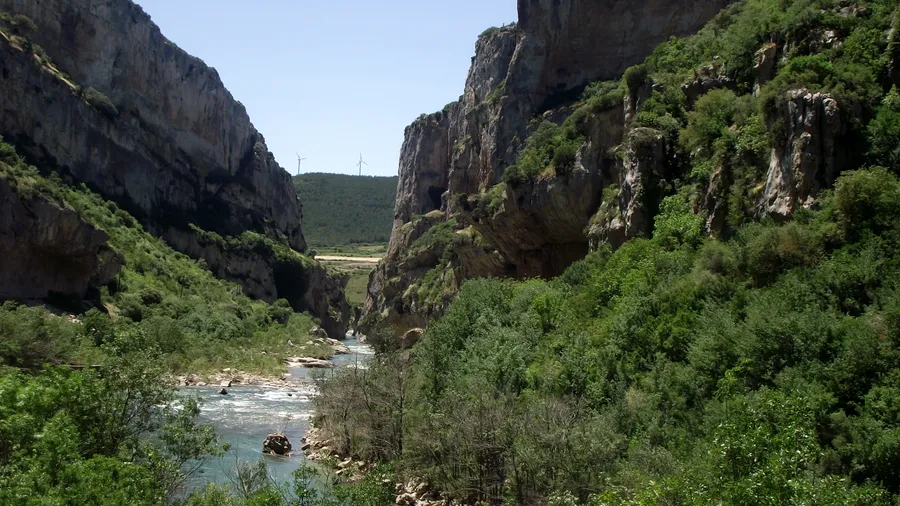
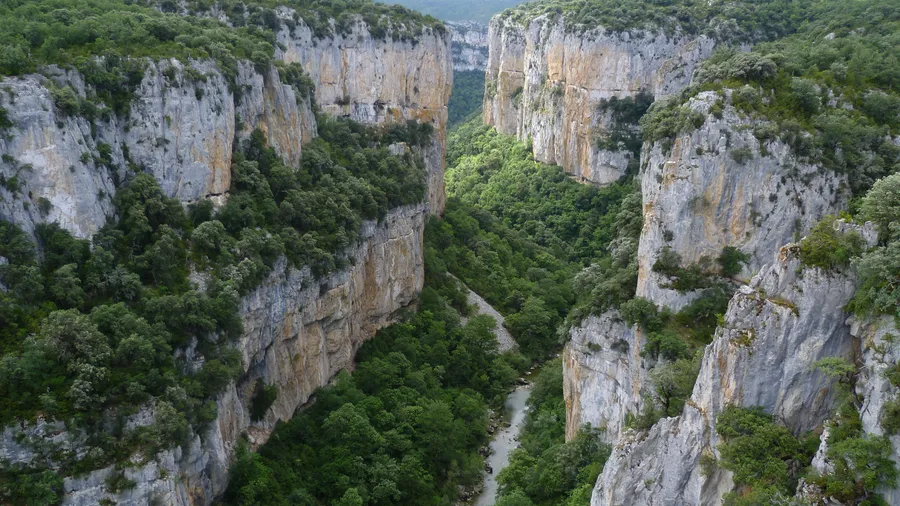
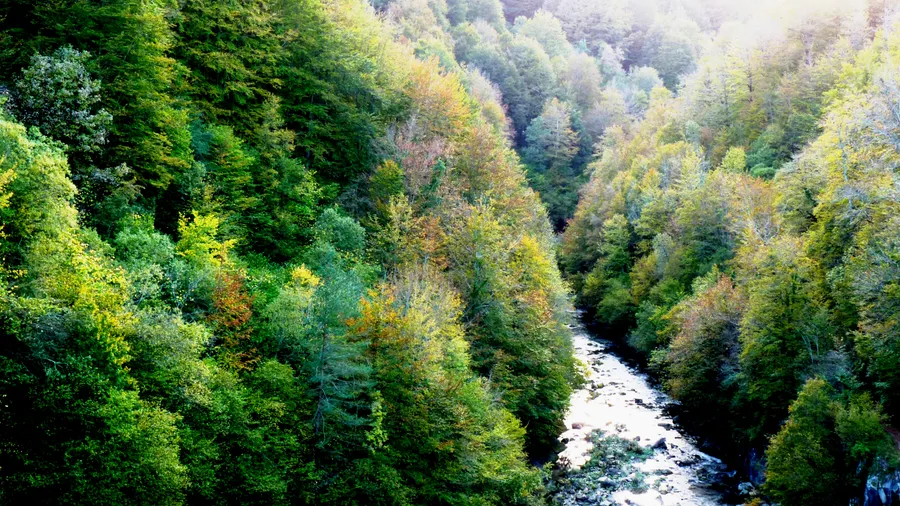
The Roncal Valley is Navarre's last Pyrenean valley, a 30-kilometre corridor carved by the River Esca from the glacial headwaters of Belagua to the limestone gorges at Burgui. Seven villages make up the historic commonwealth of the Siete Villas—Isaba, Uztárroz, Urzainqui, Roncal, Garde, Vidángoz and Burgui—with a combined population under 1,500 living in stone houses topped with dark slate roofs. The surrounding mountains reach roughly 2,000 metres, and the Mesa de los Tres Reyes at 2,444 m is Navarre's highest peak, standing where three territories meet: Navarre, Aragón and the French Béarn.
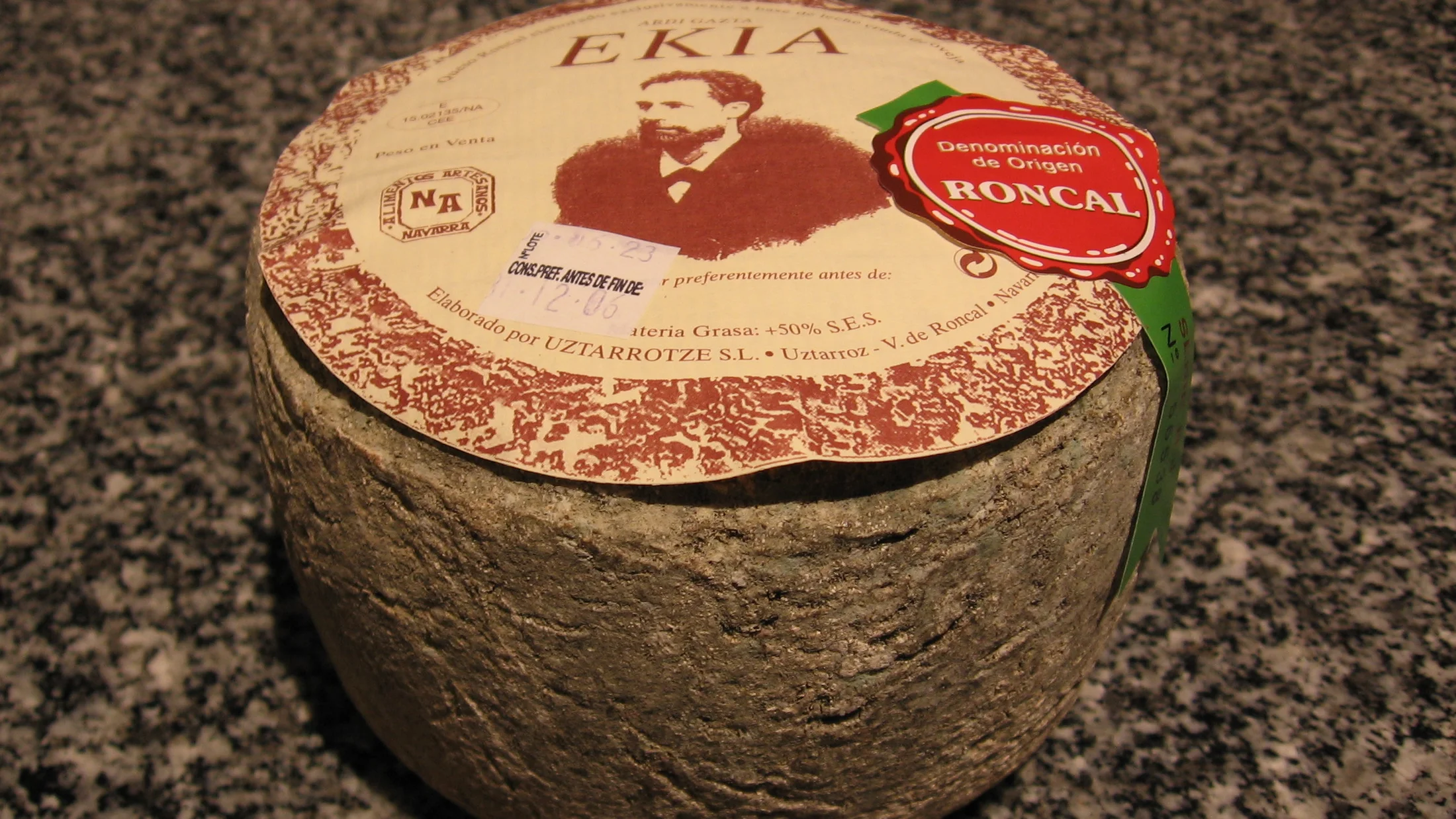
Roncal cheese was the first cheese in Spain to receive Denominación de Origen status, granted in 1981. It is made exclusively from raw milk of Latxa sheep grazing the valley pastures, and a minimum four-month ageing gives it a firm texture and an intense flavour with butter and walnut notes. Artisan dairies in Burgui, Uztárroz and Roncal welcome visitors for tastings linked to the production process. The cheese is not a tourism add-on; it is the product that has underpinned the valley's pastoral economy for centuries.
The Roncal's landscape blends Atlantic ecosystems at higher elevations—beech and fir forests clothing the north-facing slopes—with more Mediterranean conditions on the valley floors. The Larra Natural Reserve at the valley head is Navarre's largest karst area: a terrain of limestone pavement, sinkholes and dolines where white rock forms a barren expanse above 1,500 metres. Belagua is Navarre's only glacial valley, broad and flat-bottomed, covered in grass in summer and holding enough snow in winter for cross-country skiing.
Wildlife includes bearded vulture—reintroduced in the Pyrenees and regularly sighted above the Larra cliffs—Pyrenean chamois, marmot, golden eagle and griffon vulture. The forests of Irati, though part of the neighbouring Salazar valley, are reachable by road from Isaba and complement the area's nature offering.
The Día de la Almadía, held in Burgui in early May and designated a Festival of National Tourist Interest, re-enacts the work of the log-runners who transported timber down the Esca tied into wooden rafts. The almadías shoot the rapids to Burgui's medieval bridge before hundreds of spectators. In Isaba, the Tribute of the Three Cows ceremony, held every 13 July at the Piedra de San Martín, renews a cross-border grazing pact between Roncal residents and the French side documented since the fourteenth century.
From Pamplona, the valley is reached via the NA-137 in a 90-minute drive crossing the Salazar gorges and offering progressive views of the Pyrenean southern slopes. The valley villages provide rural accommodation, mountain-cuisine restaurants—shepherd's migas, lamb al chilindrón, chistorra sausage—and local produce shops. Disconnection is part of the experience: mobile coverage is patchy outside the villages, and the pace of life still follows the seasons and the rhythms of transhumance.