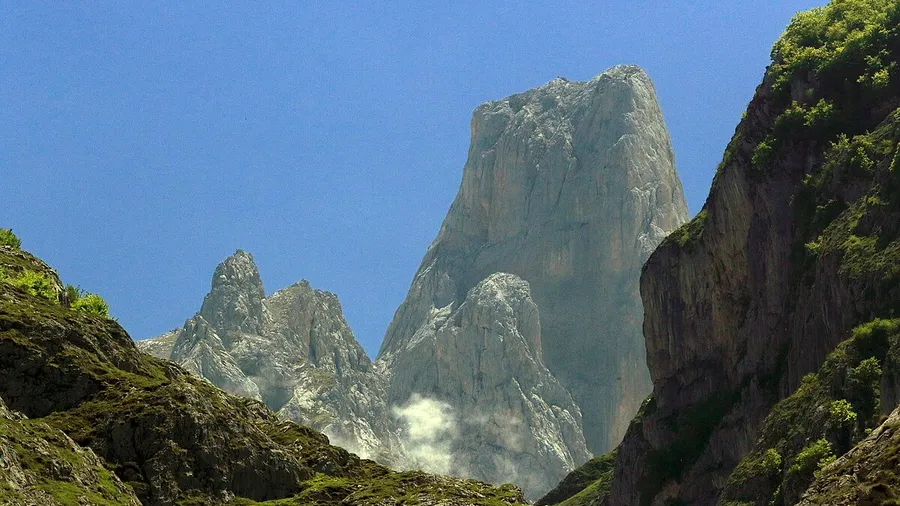
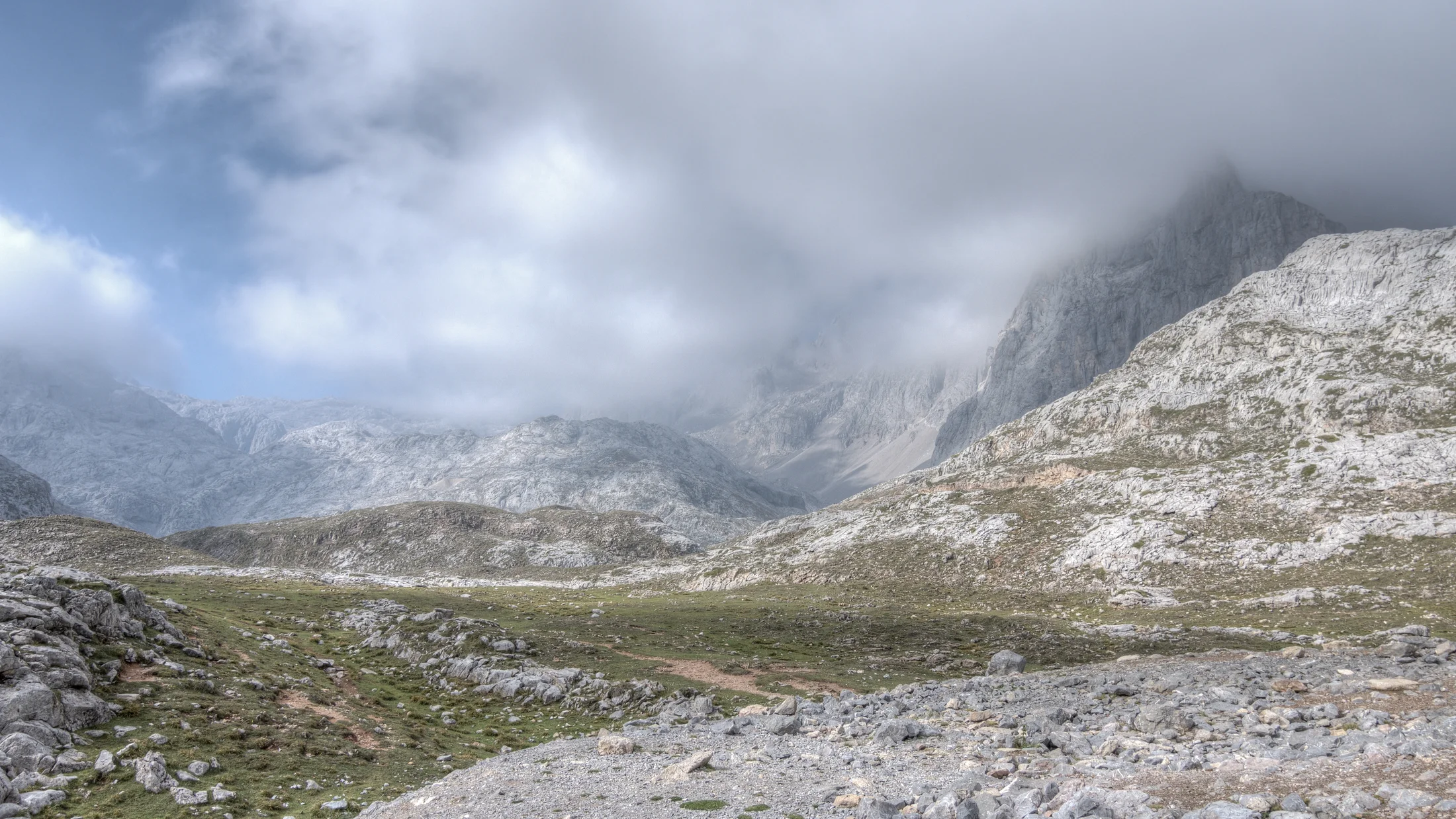
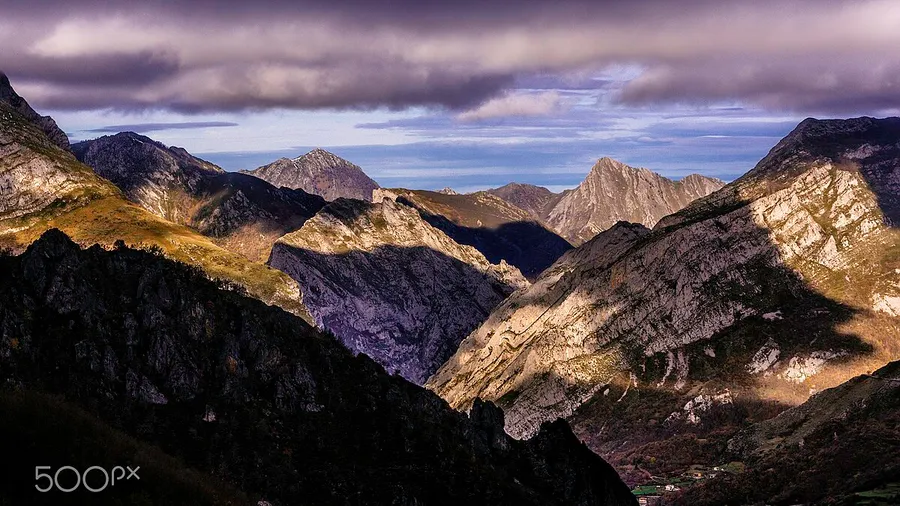
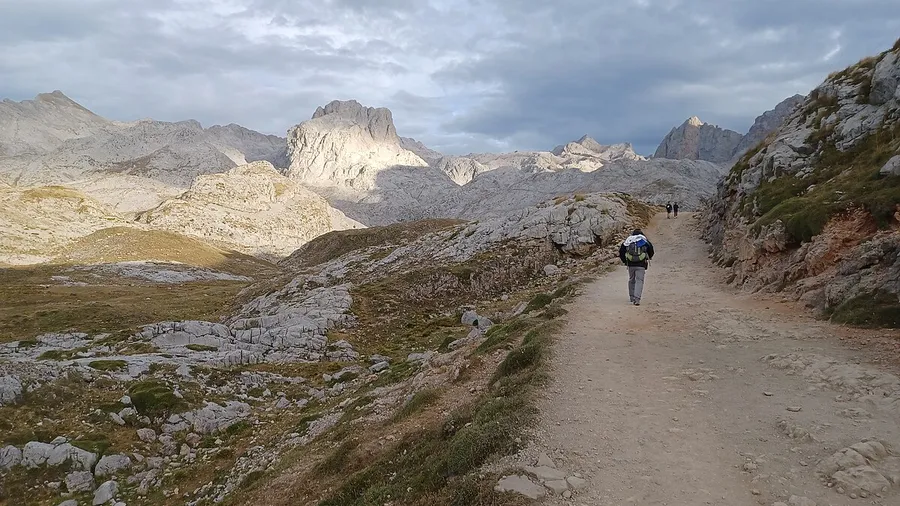
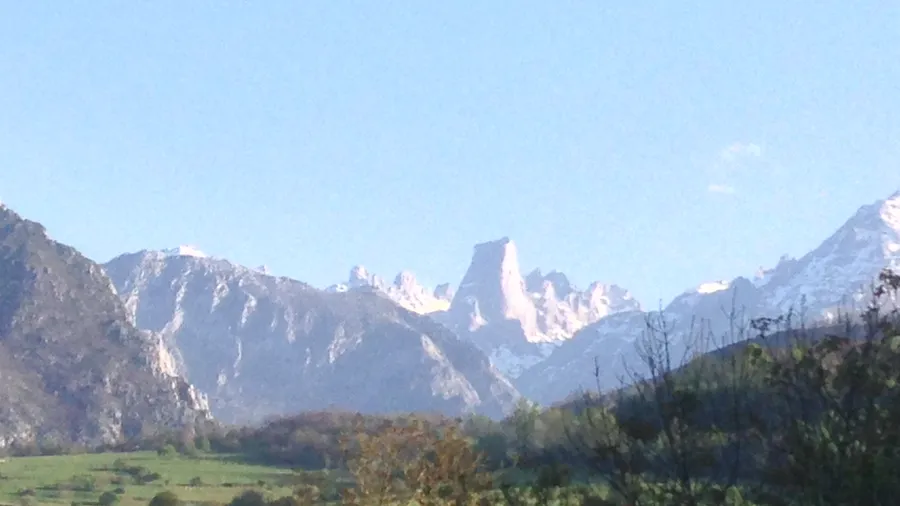
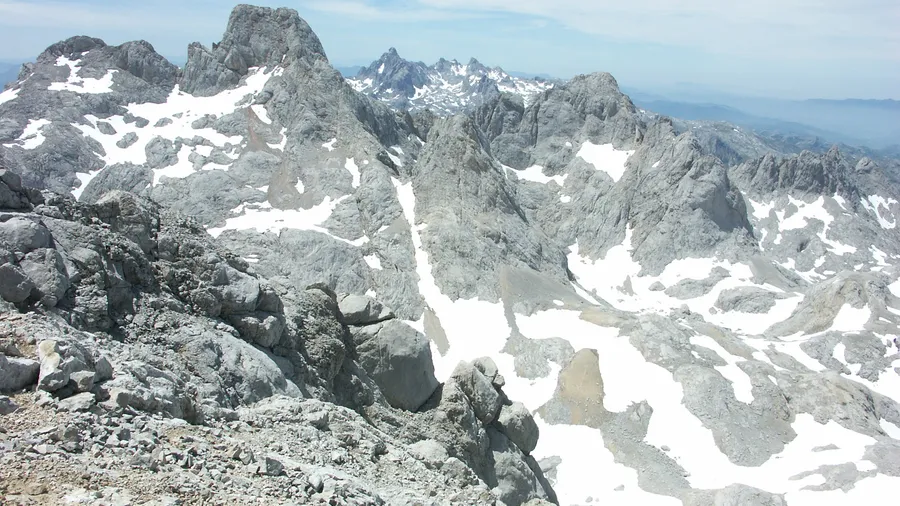
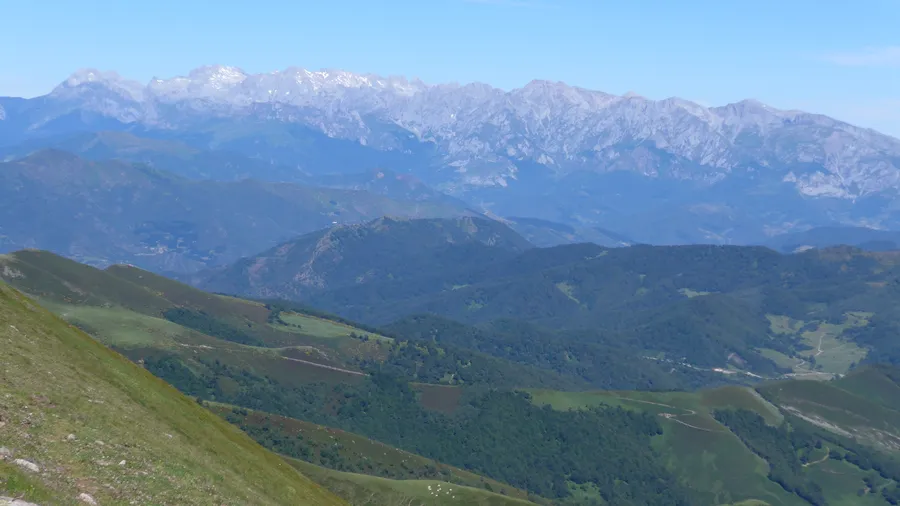
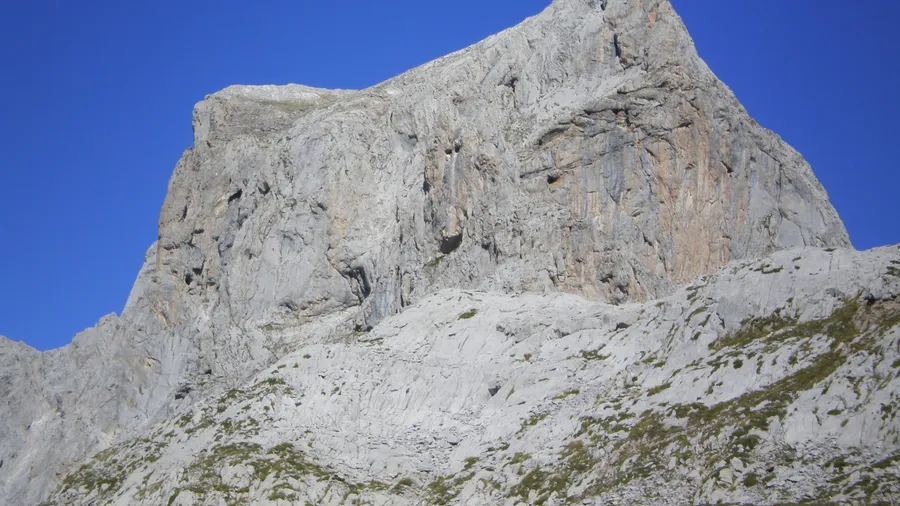
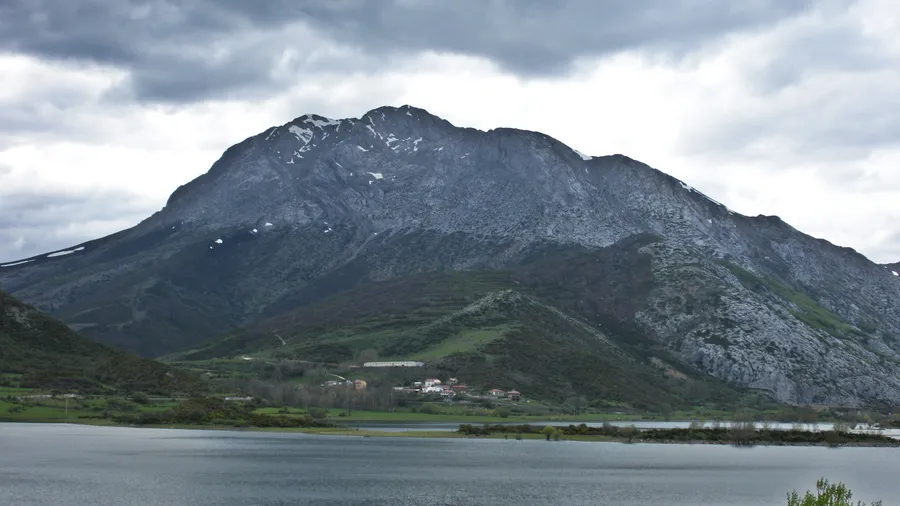
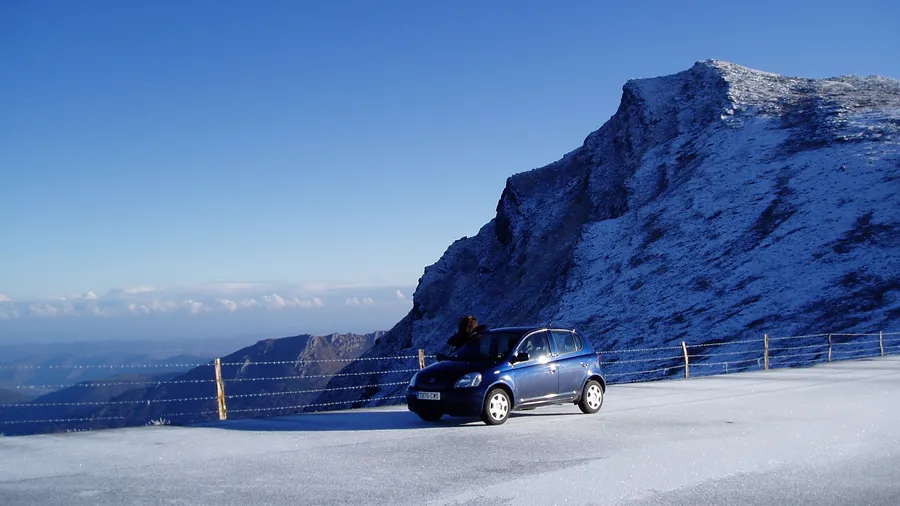
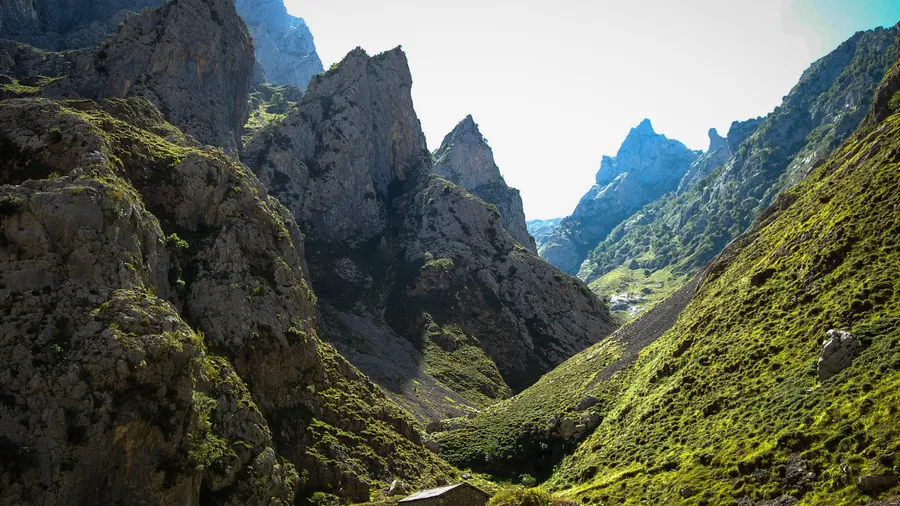
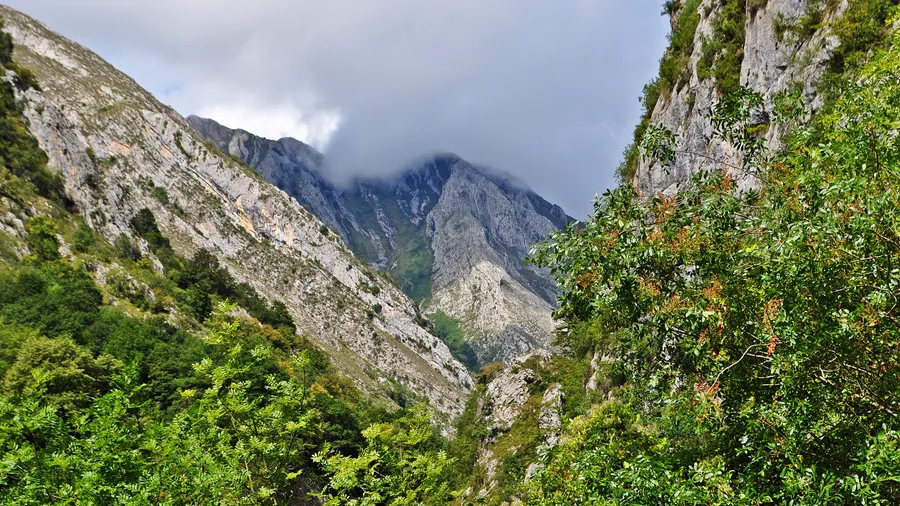
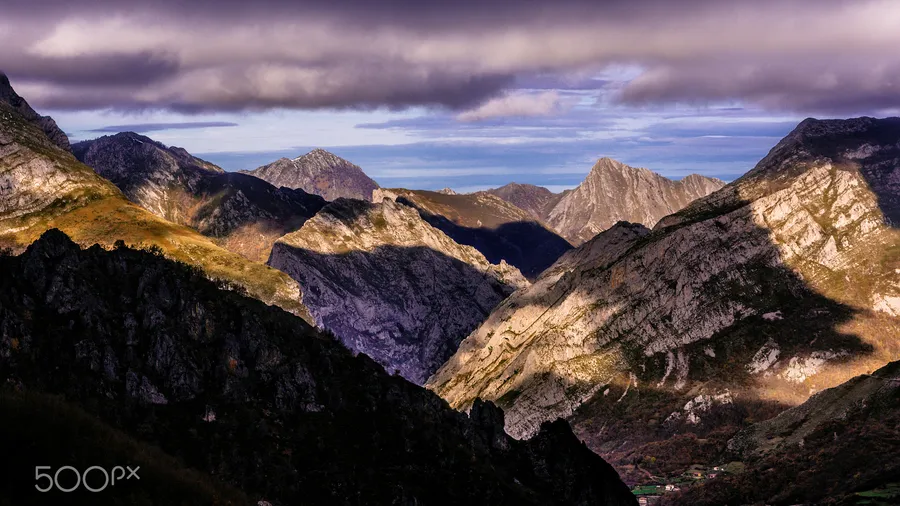
The Valle de Liébana occupies a natural depression in southwestern Cantabria, enclosed by the Picos de Europa massifs to the north and west and the Cantabrian range to the south. Seven valleys converge at Potes, the comarcal capital, forming a mountain amphitheatre where elevations range from 300 metres on the valley floor to over 2,600 on the surrounding peaks. This sheltered position creates a microclimate unusual for Cantabria: drier winters than the coast, warm summers, and a brightness that has historically allowed grape cultivation and orujo production, the artisanal grape spirit that defines the comarca's gastronomy. The scent of freshly distilled orujo drifts through the streets of Potes in autumn, mixing with woodsmoke from the chimneys.
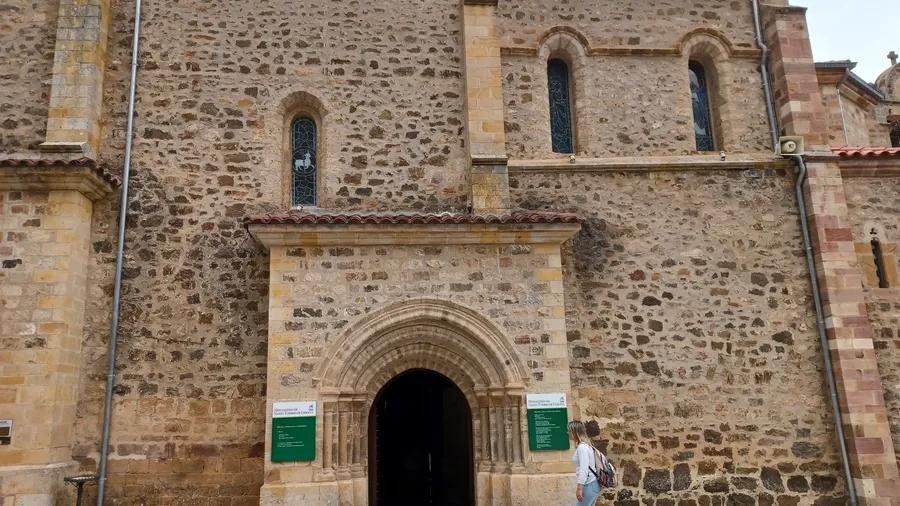
The Monastery of Santo Toribio de Liébana, two kilometres from Potes, holds the Lignum Crucis, the largest known fragment of the cross of Christ according to Catholic tradition: a piece of oriental cypress wood over 2,000 years old. Pope Julius II granted the monastery the privilege of celebrating the Lebaniegan Jubilee Year in 1512, making it one of Christendom's five holy places alongside Rome, Jerusalem, Santiago de Compostela, and Caravaca de la Cruz. The Camino Lebaniego pilgrimage route starts from San Vicente de la Barquera and can be walked in 3-4 stages.
The Fuente Dé cable car, at the head of the valley, climbs 753 metres of elevation in under four minutes to 1,823 metres, providing direct access to the heart of the Picos de Europa. From the upper station, routes lead to the Áliva Refuge, the Mirador del Cable, and several peaks in the central massif. Queues in summer and Easter can exceed two hours, so arriving early or booking ahead in high season is advisable.
Lebaniegan cuisine centres on mountain produce. Cocido lebaniego — with small local chickpeas, cabbage, stuffing, and pork compaño — is the signature dish, served in nearly every restaurant in Potes and the surrounding villages. Artisanal cheeses (picón Bejes-Tresviso, quesucos de Liébana), honey, preserves, and cured meats complete a pantry reflecting the historical self-sufficiency of a comarca isolated by mountains. Valley villages like Mogrovejo, Cosgaya, and Leña preserve traditional Cantabrian architecture with stone houses and wooden balconies, set in a landscape where centuries-old chestnut trees mark the boundary between meadows and forest.
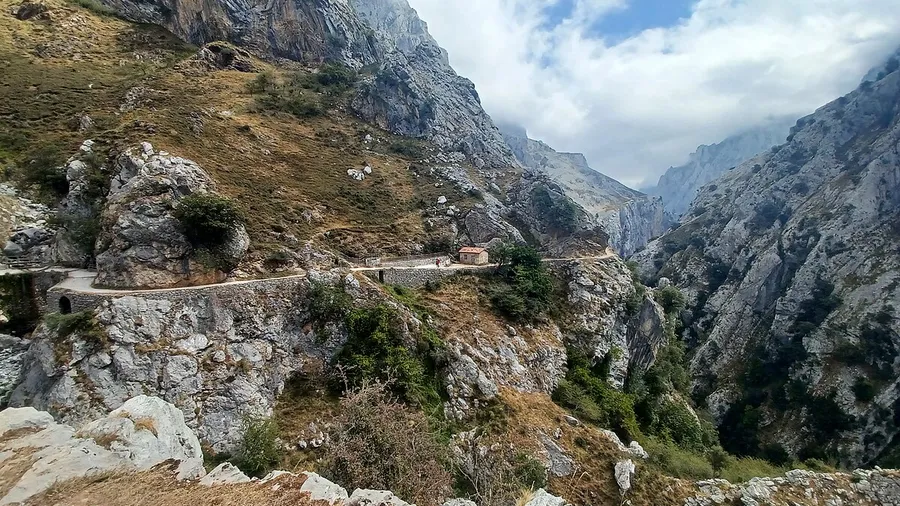
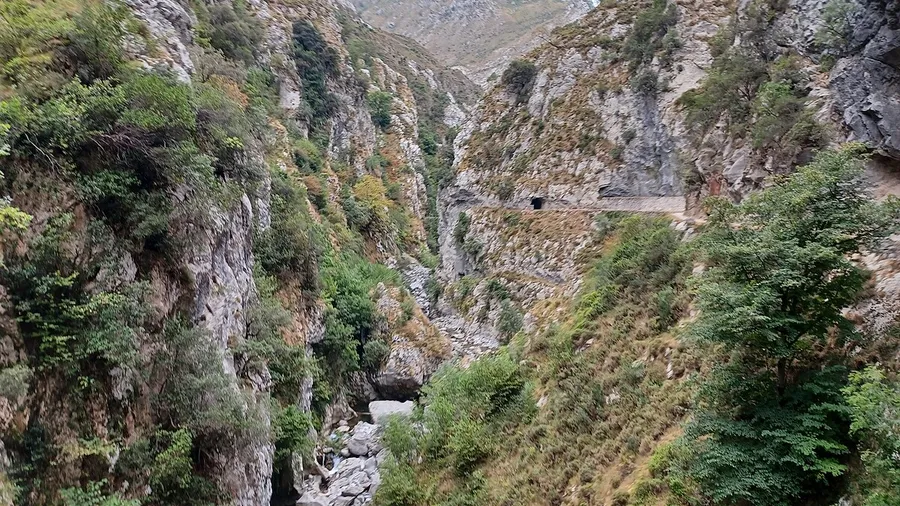
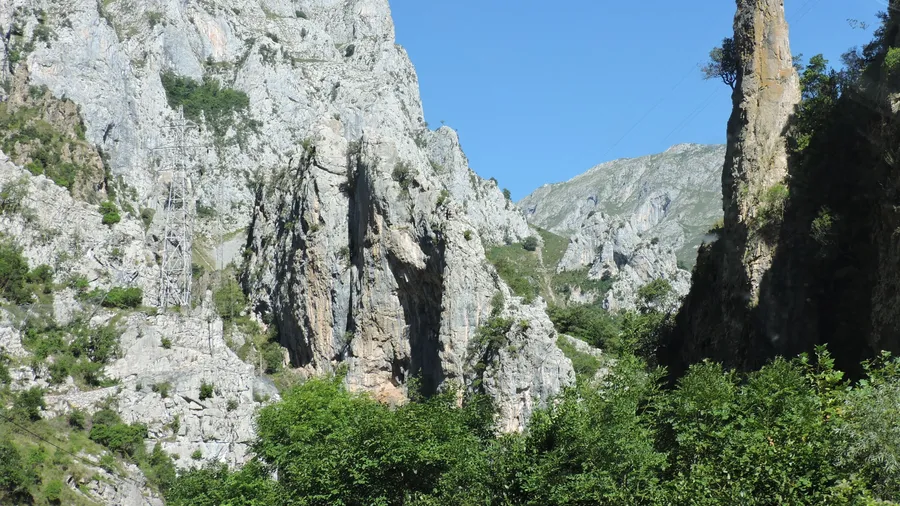
The Hermida gorge, the northern approach to the valley, adds another dimension: 21 kilometres of limestone canyon where the Deva river has carved walls up to 600 metres high. The road through it is an experience in itself, with rock closing overhead in places. At the gorge's end, the valley opens abruptly and the light shifts: from the damp shadows of the canyon to the bright green of the Lebaniegan meadows.