The essentials of Sierra de Tramuntana

  • • GR 221 Dry Stone Route: 8 stages from Port d'Andratx to Pollença
  • • Torrent de Pareis gorge with walls up to 200 metres high
  • • Dry stone marjades terraces and walls, UNESCO Cultural Landscape since 2011
  • • Sa Calobra road: 25 km with 26 hairpin bends, 900 m descent to the sea
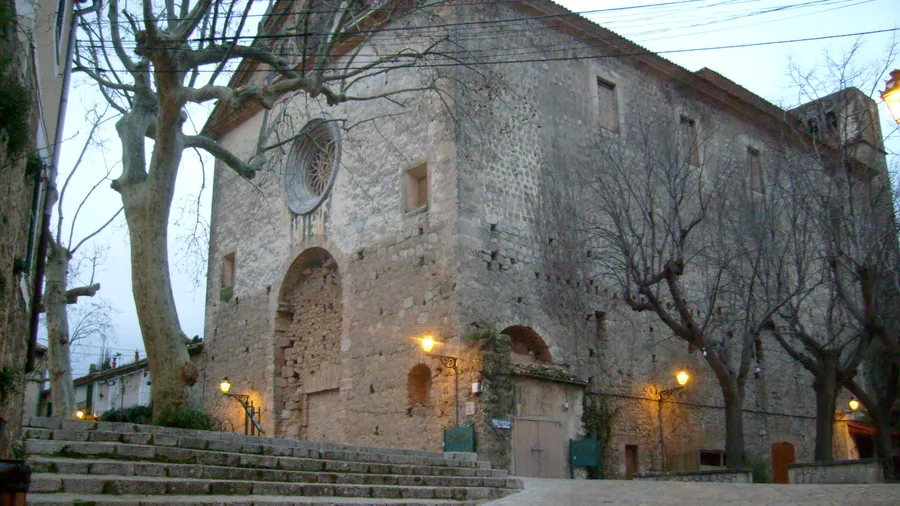
  • • Villages of Deià, Sóller and Valldemossa on the mountain slopes

Description

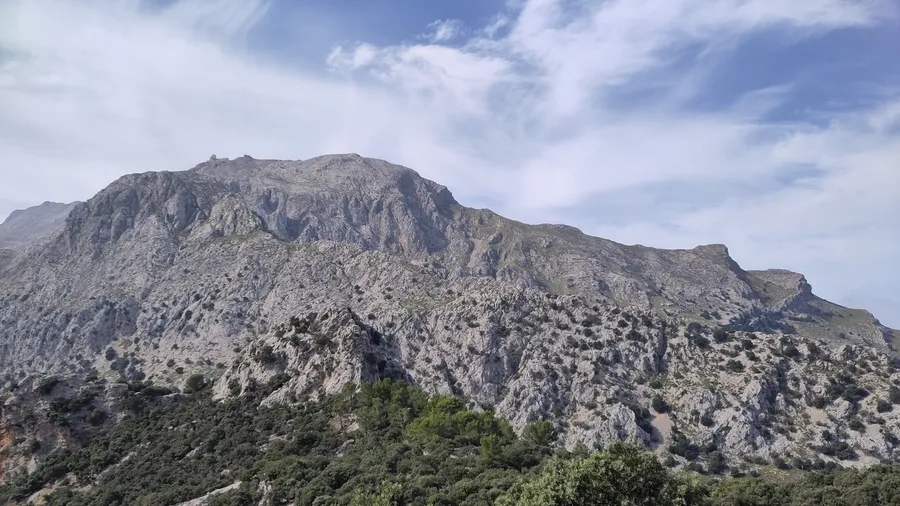
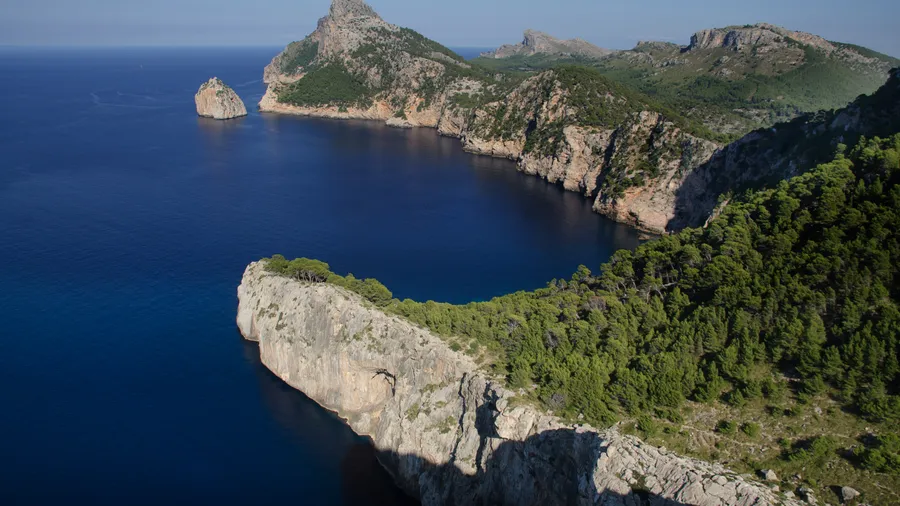
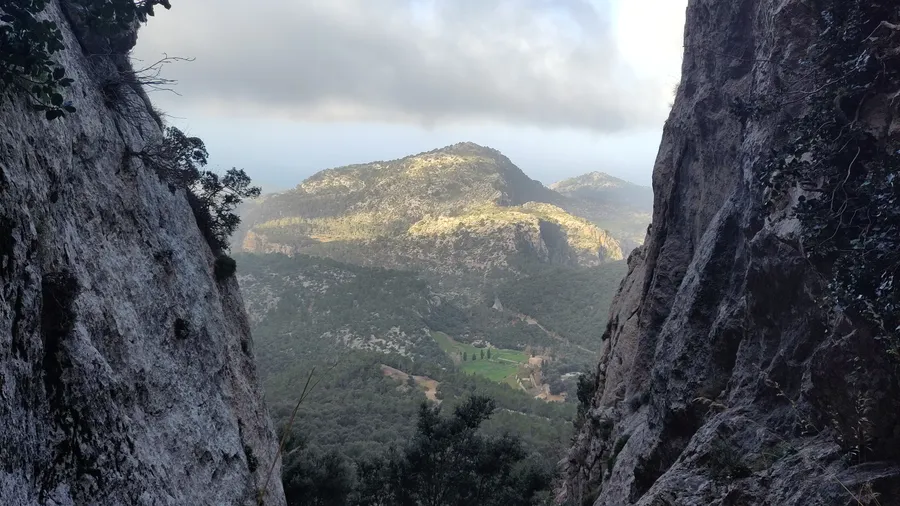
The Serra de Tramuntana runs along the northwestern edge of Mallorca for roughly 90 kilometres, forming the island's geographic backbone. Its highest point, Puig Major at 1,445 metres, is partially restricted by military installations, but the range has dozens of summits above 1,000 metres accessible on well-marked trails. The northwestern face drops almost directly into the sea along a coastline of cliffs that reach 400 metres above the water in places. This windward side receives rain and north winds that make it noticeably cooler and wetter than the rest of Mallorca.

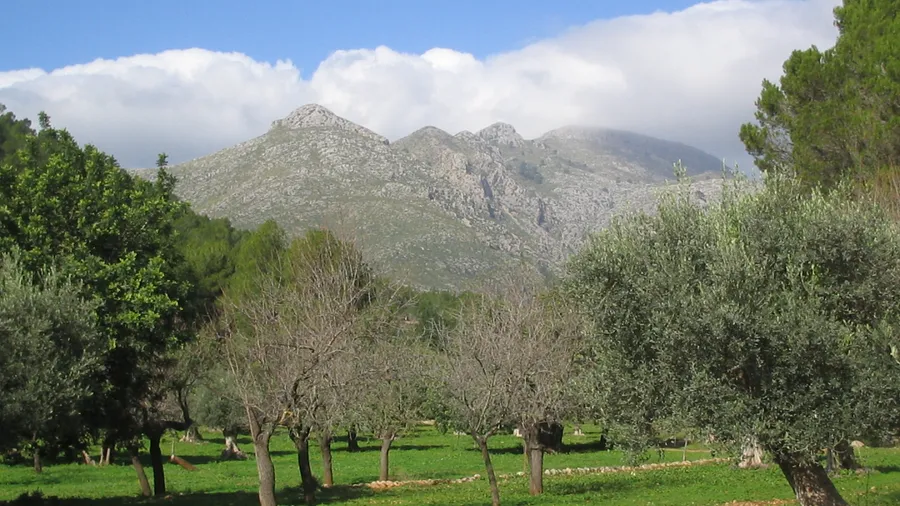
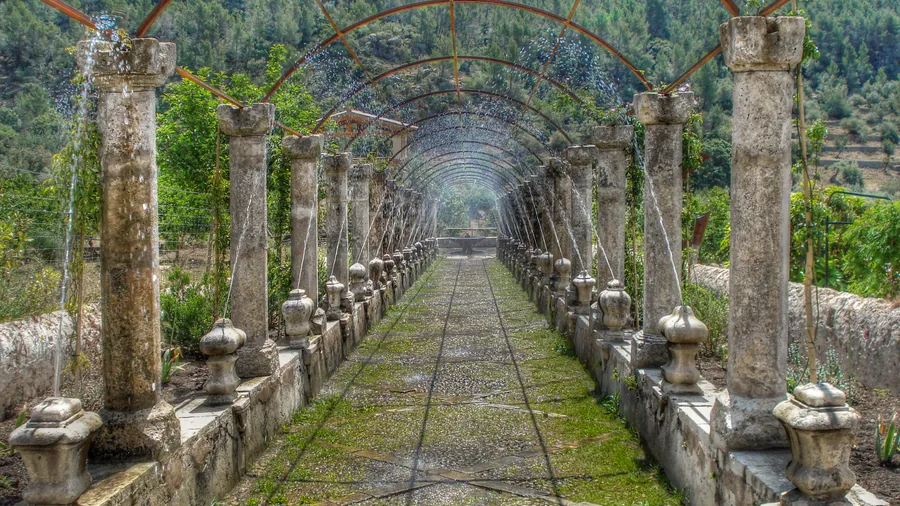
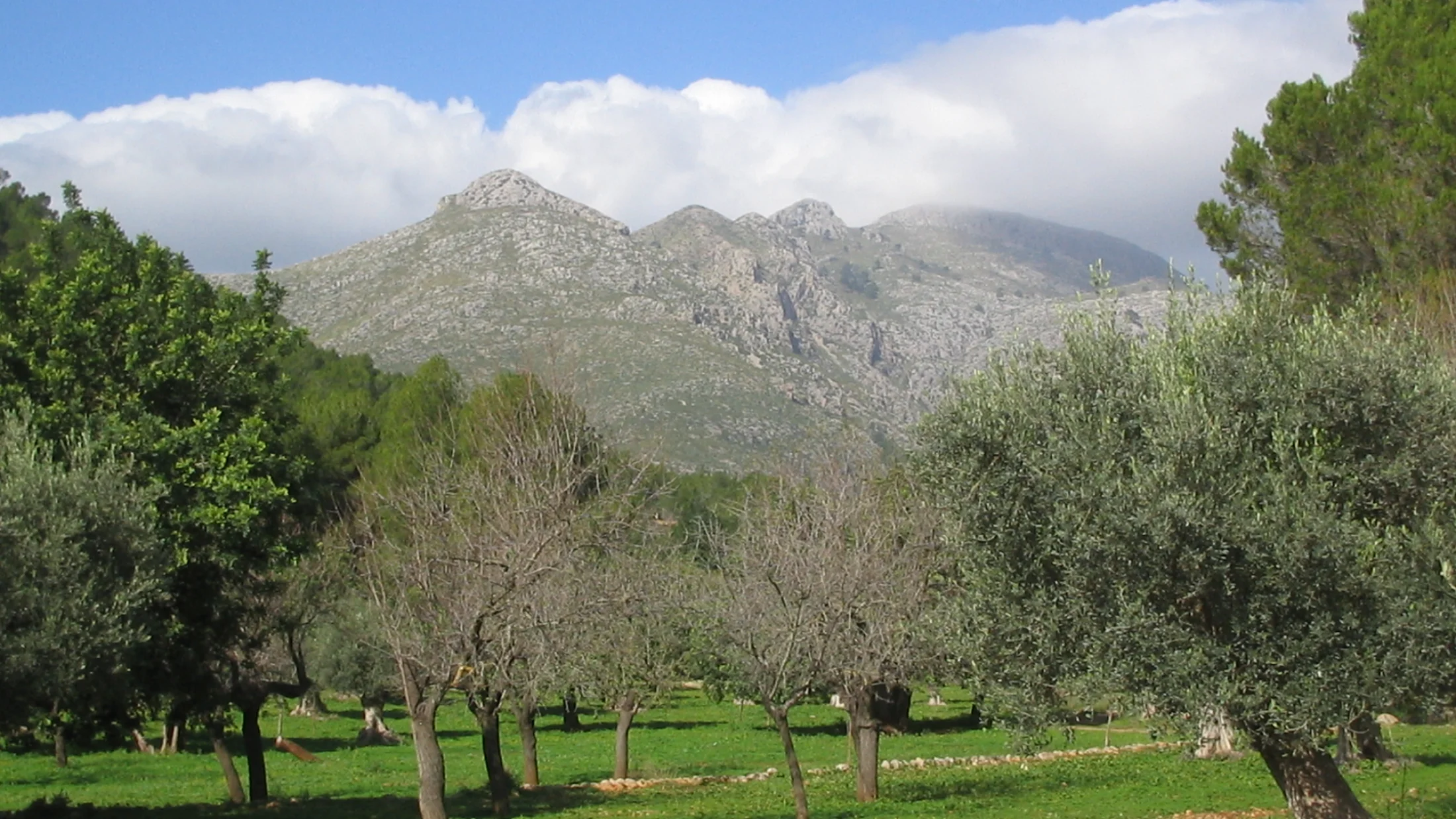
The designation as a UNESCO Cultural Landscape in 2011 recognised not just the natural scenery but the centuries of human transformation layered into it. The marjades — dry stone terraced walls built without mortar — run for thousands of kilometres through the mountains, enclosing olive and almond groves on slopes that would otherwise be uncultivable. Alongside water mills and ice wells, these walls represent an agricultural engineering tradition that sustained communities on terrain most would consider impossible to farm. Some of the oldest walls have stood for over five hundred years. Walking between Sóller and Deià along a stone path lined with ancient olive trees, with the sea visible through gaps in the hillside, makes the landscape feel like something still actively inhabited.

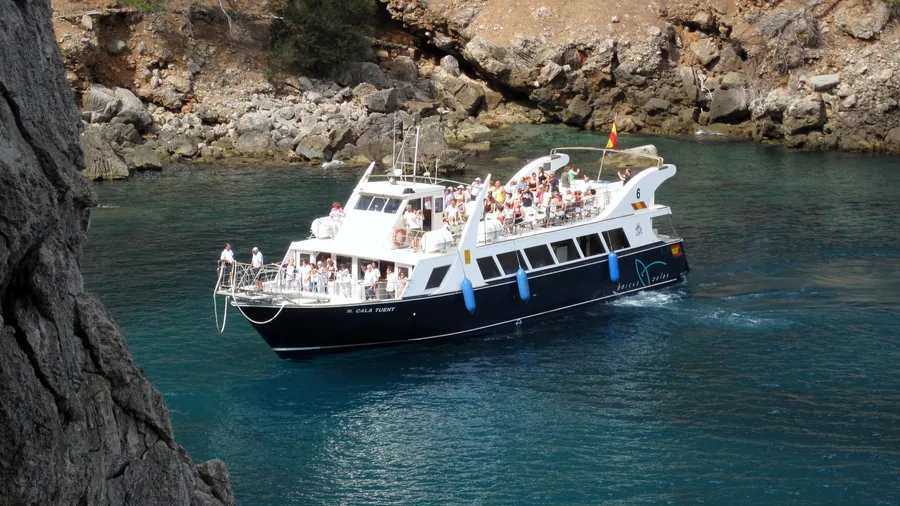
The Torrent de Pareis is Mallorca's longest canyon and one of the most dramatic in the Balearic Islands. It forms at the confluence of the Lluc and Gorg Blau torrents and reaches the sea at the small beach of Sa Calobra after cutting roughly 2.5 km through a gorge with walls up to 200 metres high. The canyon floor can only be walked in spring and early summer, when the natural pools are at passable depth. Getting to Sa Calobra by road means descending 25 kilometres from Port de Sóller through 26 tight hairpins, dropping almost 900 metres to sea level — a route as well known to cyclists as to drivers.

The GR 221, known as the Dry Stone Route, crosses the range from south to north in eight stages linking the mountain refuges managed by the Consell de Mallorca. The trail passes through Estellencs, Banyalbufar, Valldemossa, Deià and Sóller before climbing to Puig de Massanella (1,364 m) and descending toward Pollença. Eight days of walking take in vineyards, olive groves, pine forest, open Mediterranean high ground and coastal cliff paths, making this one of the most varied long-distance routes in the Balearic Islands.
Practical information

Everything you need to know for your visit to Sierra de Tramuntana

How to get there
From Palma de Mallorca, the MA-11 reaches Sóller in about 30 minutes, or take the historic Sóller Train from Palma station. For the northern range, the MA-10 ridge road connects Andratx, Esporles, Valldemossa, Deià and Pollença.
Area Information
The range covers around 30 municipalities in northwest Mallorca (Balearic Islands). Main bases are Sóller, Pollença and Port d'Andratx. Palma, with an international airport, is 20 to 45 minutes by car depending on the location in the sierra.
Geography
Mountain range 90 km long and 15 km wide along Mallorca's northwest edge. Puig Major at 1,445 m is the highest point. Steep northern face drops to sea cliffs; gentler southern slope descends toward the central plain. The Pareis and Gorg Blau torrents cut deep gorges into the limestone massif.
Flora & Fauna
Mediterranean pine forest at mid-elevation, holm oak woodland at the base and heath scrub on high ground. Balearic endemics include Paeonia cambessedesii. Wildlife: black vulture in recovery, red kite, and several bat species in the caves and tunnels of the limestone massif.

Things to do

Find the best plans and things to do in Sierra de Tramuntana

20

Accommodations

Best accommodation options in Sierra de Tramuntana

Loading accommodation options...

Frequently Asked Questions

Get answers about Sierra de Tramuntana

The GR 221 is divided into eight stages between Port d'Andratx and Pollença, covering roughly 150 km with over 10,000 metres of total elevation gain and loss. Most walkers complete it in eight or nine days, staying in the Consell de Mallorca network of mountain refuges. The shortest stages are around 10 km and the longest around 20 km.
Between June and August the canyon floor is accessible to people with good physical fitness and basic experience of rocky terrain. Non-slip footwear, enough water and food are essential. The canyon is completely closed from October to March due to flash flood risk: water levels can rise more than a metre in minutes with no visible rainfall at the entrance.
The Sóller Train, running since 1912, crosses the sierra through a historic tunnel and several viaducts and reaches Port de Sóller with a connecting tram. The trip takes about 50 minutes and is a worthwhile experience in itself, particularly for travellers without a car. By road, the paid tunnel takes around 25 minutes from Palma.
The GR 221 and most main trails in the sierra are open for independent hiking with standard GR waymarking (white and red paint marks). No guide is required for the main routes. A local guide or qualified leader is recommended for technical high-mountain routes, equipped canyon descents or groups with limited experience of Mediterranean mountain terrain.
The main climbing sectors (Coll de Sa Creu, Cala Magraner, Sóller sector) are open year-round. The most popular months are October to May, when heat is not a limiting factor. In July and August many climbers start before dawn or choose north-facing walls to avoid midday temperatures.