Highlights

  • • 90 km long in northwest Mallorca
  • • Stone villages like Valldemossa and Deià
  • • Historic paths and hiking routes
  • • Cliffs with Mediterranean Sea views
  • • Terraced agriculture and traditional irrigation systems
  • • UNESCO World Heritage Site since 2011

Description

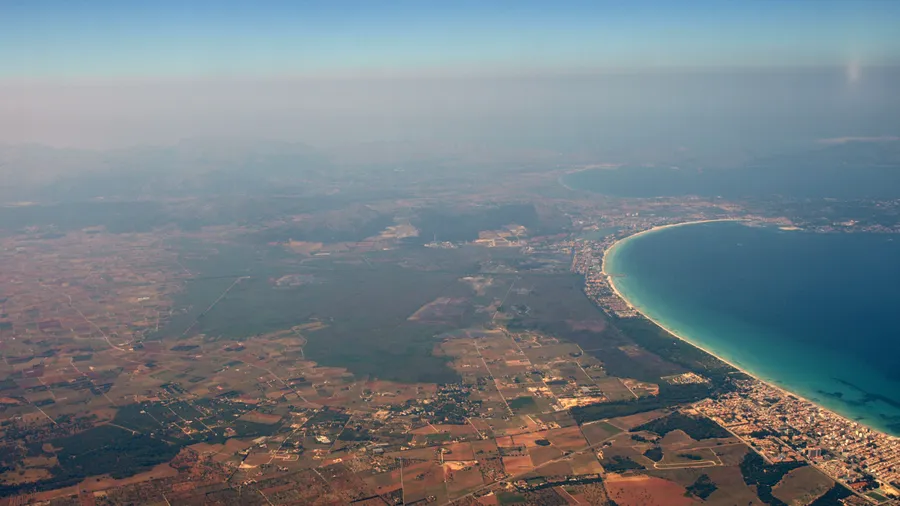
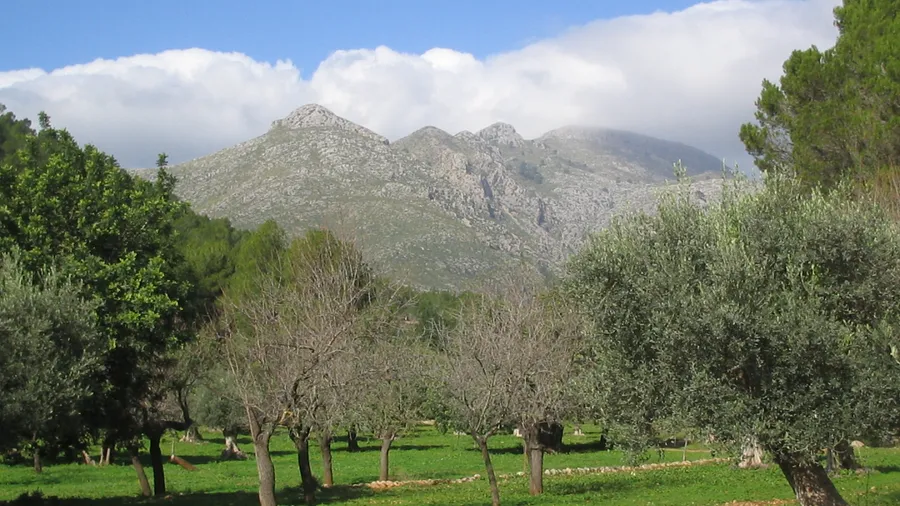
The Sierra de Tramuntana is a mountain range stretching about 90 kilometers across northwest Mallorca. Recognized as a UNESCO World Heritage Site, this range shapes a landscape where nature and local culture intertwine. Its peaks and valleys feature pine, olive, and almond groves, alongside a coastline of cliffs plunging into the Mediterranean Sea. The sea breeze and Mediterranean vegetation scents create an inviting atmosphere for exploration and relaxation.

Traveling through the Sierra de Tramuntana, you'll discover traditional stone-built villages with narrow streets and plazas filled with history and local life. Notable towns include Valldemossa, Deià, and Sóller, which preserve their architecture and traditions. Historic paths, some ancient mule tracks, connect these villages and offer hiking routes with panoramic sea and mountain views. Cultural elements like mills, agricultural terraces, and small chapels reflect the close relationship between people and the land.

Historically, the Sierra de Tramuntana has been a site of settlement and cultivation since ancient times. Its terrain and climate shaped terrace farming and traditional irrigation systems that still exist today. This blend of natural landscape and human activity has created a cultural and environmental heritage worthy of protection. The range has also served as a refuge and backdrop for historical events that have shaped Mallorcan identity.

When visiting the Sierra de Tramuntana, plan routes according to difficulty and available time. The area is accessible by car and features marked trails for hiking. No prior reservation is needed to explore most natural areas and villages. It's important to wear suitable footwear, bring water, and use sun protection, especially in summer. The range is family-friendly and allows pets, provided conservation rules are respected. The best time to enjoy it is in spring and autumn, when the weather is mild and vegetation is at its peak.

Key Information

Visit Duration

3-5 hours

Recommended Seasons

Spring, Autumn

Pricing

Free

Accessibility

Medium

Kid-Friendly Pet-Friendly No Booking Required

Related Destinations

Guide

Essential information for visiting Serra de Tramuntana

Location

In this area

Practical Information
Pricing
Free
Visit Duration
3-5 hours
Features & Services
  • Accessibility:Medium
  • Kid-Friendly:Yes
  • Pet-Friendly:Yes
  • Booking:No Booking Required
Planning Information

Recommended Seasons

Spring · Autumn

Best Time to Visit

Spring and autumn are the best seasons to visit the Sierra de Tramuntana, offering pleasant temperatures and landscapes in full bloom.

Visitor Tips

To make the most of your visit to the Sierra de Tramuntana, wear comfortable shoes and carry enough water, especially in summer. Respect signs and marked paths to preserve the environment. If traveling with children or pets, choose routes suitable for their abilities. Take the opportunity to try local cuisine in the villages and enjoy views from the viewpoints. Check the weather forecast before heading out and avoid the hottest hours in summer.

Historical Facts

The Sierra de Tramuntana has been inhabited since prehistoric times, with evidence of settlements and terrace farming. Its cultural landscape reflects centuries of human adaptation to mountainous terrain, featuring traditional irrigation systems and paths connecting historic villages. It was declared a World Heritage Site in 2011 for its natural and cultural value.

Frequently Asked Questions

Get answers about Serra de Tramuntana

Yes, there are routes and villages suitable for families, although some hiking trails can be challenging.
Yes, pets are allowed in the Sierra as long as local rules are followed and cleanliness is maintained.
No reservation is required to explore the trails or visit the villages in the Sierra.
Spring and autumn offer milder weather and lush vegetation at their peak.
There are bus lines connecting some villages, but having your own vehicle is recommended for convenience.