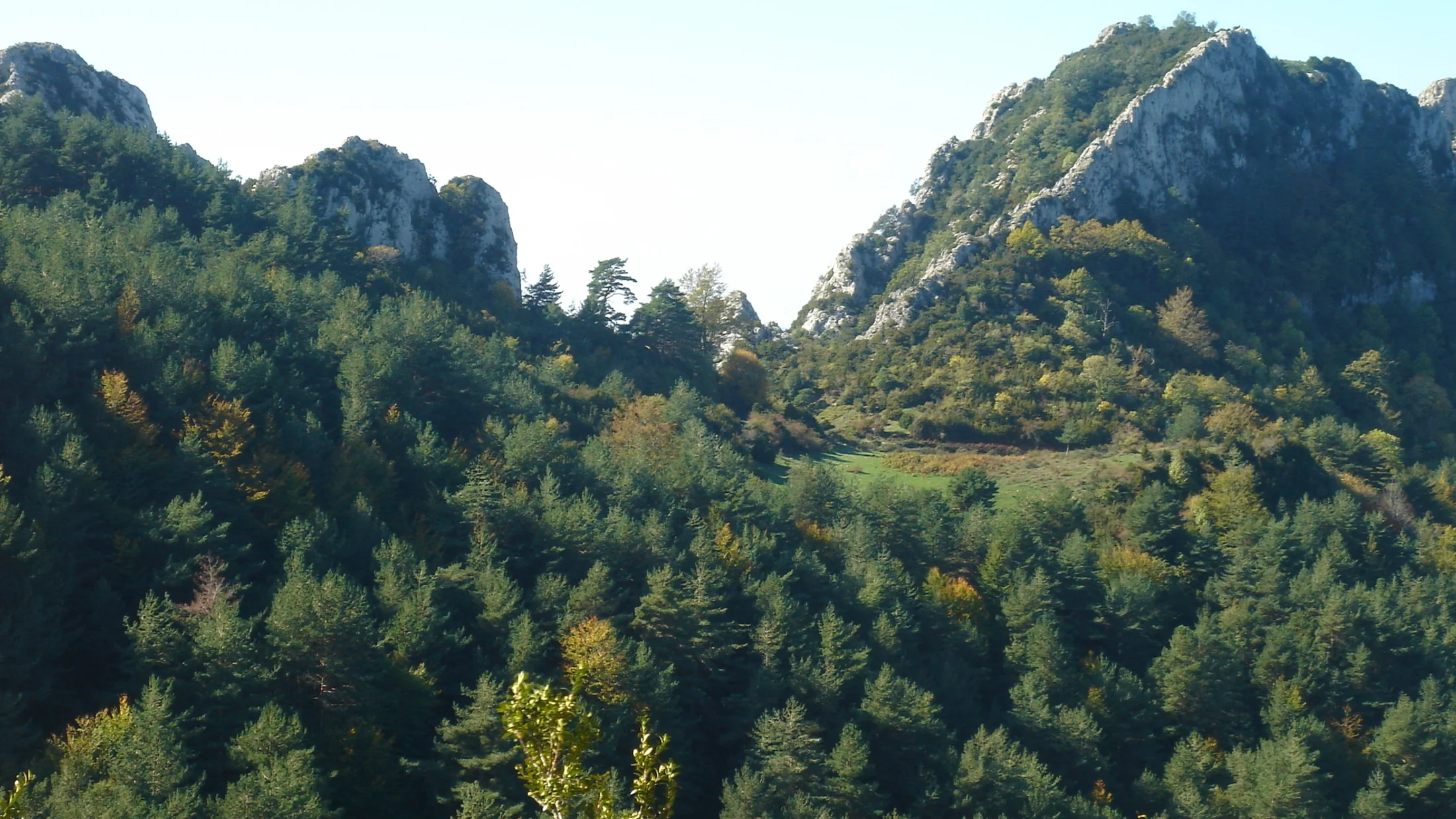
The Sierra de Santo Domingo rises in the Cinco Villas district of northwestern Zaragoza province as a natural boundary between the Ebro valley and the Aragonese Pre-Pyrenees. Declared a Protected Landscape in 2015, it covers 9,678 hectares spread across the municipalities of Biel-Fuencalderas, Longás and Luesia. Its main peak, Pico Santo Domingo, reaches 1,524 metres and acts as a balcony toward the Pyrenees: on clear days the snow-capped ridges of the Tres Miles are visible to the north and the Ebro depression stretches south. The contrast between the two slopes defines the range's character: the north face harbours dense pine forests and damp ravines; the south face opens to sun-drenched holm-oak woodland and transitional steppe landscapes.
The range is a designated protection zone for the bearded vulture, one of Europe's most endangered birds, and holds active nesting sites. Griffon vulture soars along the ridges regularly, and the pine and oak forests support populations of red deer, roe deer, wild boar, genet, beech marten and fox. Pozo Pigalo, in the Luesia district, is the range's most emblematic spot: a natural turquoise pool on the River Arba de Luesia, wedged between moss-covered limestone walls. The site combines karst spring geology with dense riparian vegetation of poplars, willows and ash trees that filter the light and create a cool atmosphere even in July.
Twelve signposted circular routes cross the range, varying in distance and duration. The shortest reaches Pozo Pigalo from Luesia in an hour and a quarter. The ascent of Pico Santo Domingo from Longás is the most demanding, with roughly 700 metres of elevation gain and 5-6 hours of walking. Other routes link the villages of Biel, Luesia and Longás along forest tracks and trails through oak groves, Scots pine stands and clearings with open Pre-Pyrenean views. The range sees low footfall even in peak season, and waymarking is limited to the routes published on the district's printed map.
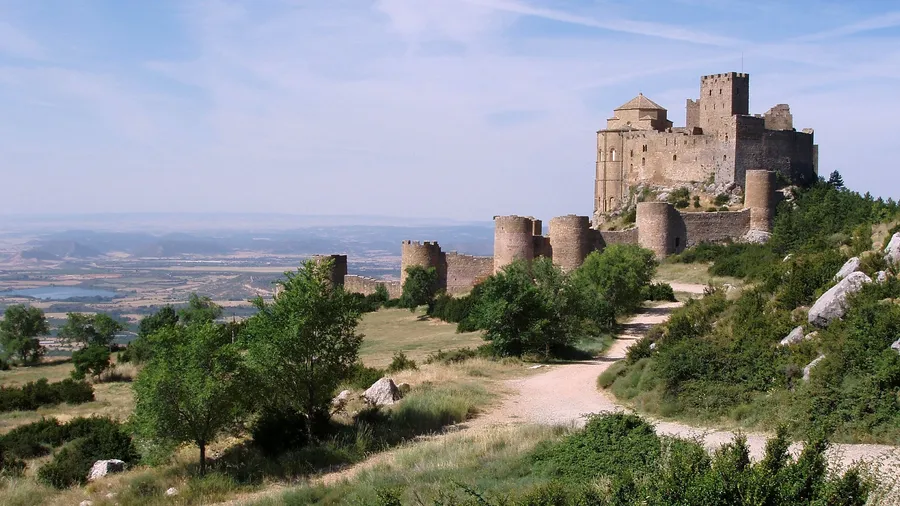
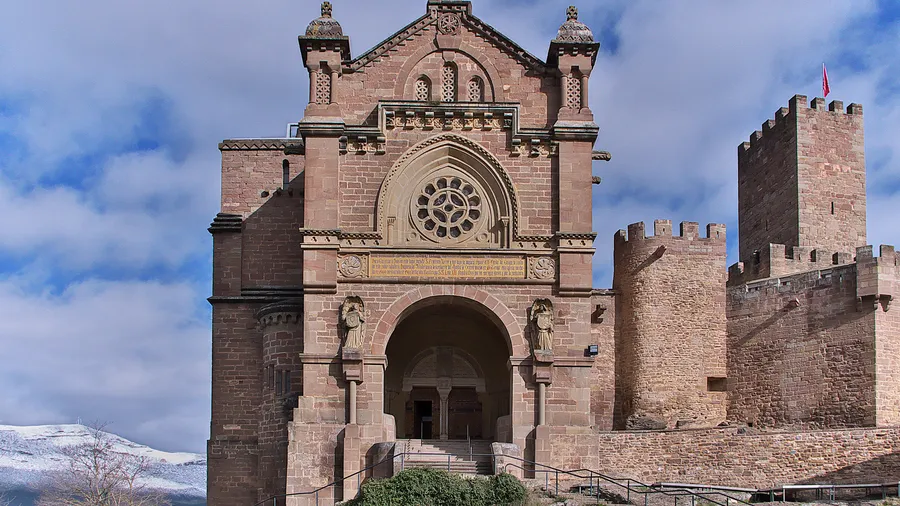
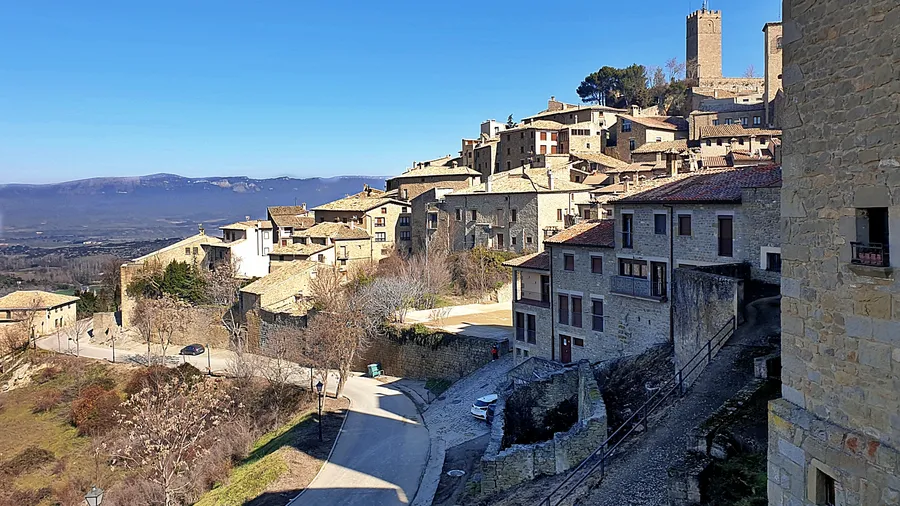
Biel, Luesia and Longás are small villages (100-300 inhabitants) with medieval centres, Romanesque churches and stone architecture that blends into the landscape. Luesia preserves an 11th-century castle and a 12th-century Romanesque church with a sculpted portal. Biel has an Islamic-origin tower converted into a viewpoint. Local cuisine rests on game (wild boar, deer), winter black truffle, pork cured meats and almond pastries. Rural guesthouses are few but operate with advance booking.
From Zaragoza, the most direct route is the A-23 to Huesca then the A-132 toward Ayerbe, turning off for Biel (1 h 30 min). From Huesca the drive takes 50 minutes. Public transport is very limited: no regular bus lines serve the three villages, and a private vehicle is the practical option. The range works as a weekend destination for Zaragoza residents seeking mountains without the crowds of the central Pyrenees.